Quick Answer
The five tips that decide whether a Stoneham fall foundation pour succeeds or fails: track 7-day overnight lows above 40°F, prep base with 6 inches of compacted dense pack ¾", use cold-weather admixtures after October 20, blanket-cure for 72+ hours, and stop pouring entirely after October 28. Skip any one of these on a late-October pour and you risk surface scaling, structural cracking, or a full re-pour next April.
Why Stoneham Late-Fall Pours Are Risky
Stoneham sits in inland Middlesex County — slightly colder overnight lows than coastal Boston neighborhoods. The first 32°F night typically lands October 26–November 3. Concrete needs 40°F+ for 72 hours after pour to cure properly; that math gets tight by October 22 and impossible by October 28.
For the broader hardscape-window context, see Frost Forecast Closes the Hardscape Window in Watertown. For the homeowner Q&A on October concrete timing, see Is It Too Cold to Pour Concrete in Dorchester in October?.
Tip #1 — Track 7-Day Overnight Lows
The single most important pour-day variable is the overnight low forecast for the next 72 hours after pour. Pour day temp matters less than cure period temp.
Go conditions: All 3 nights forecast above 40°F. Caution conditions: 1 of 3 nights forecast 35–40°F. Use admixtures and blankets. No-go conditions: Any night forecast below 32°F.
Use the National Weather Service Boston 7-day forecast as the source.
Tip #2 — Prep Base with 6" Compacted Dense Pack ¾"
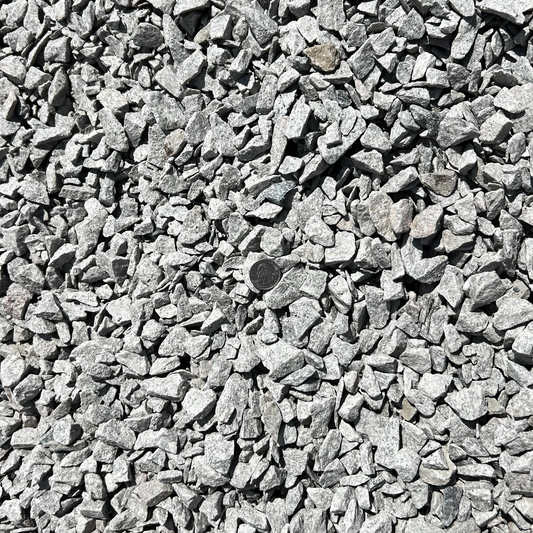
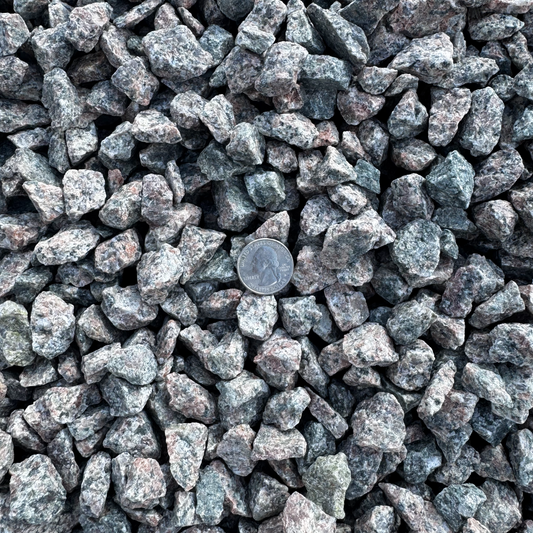
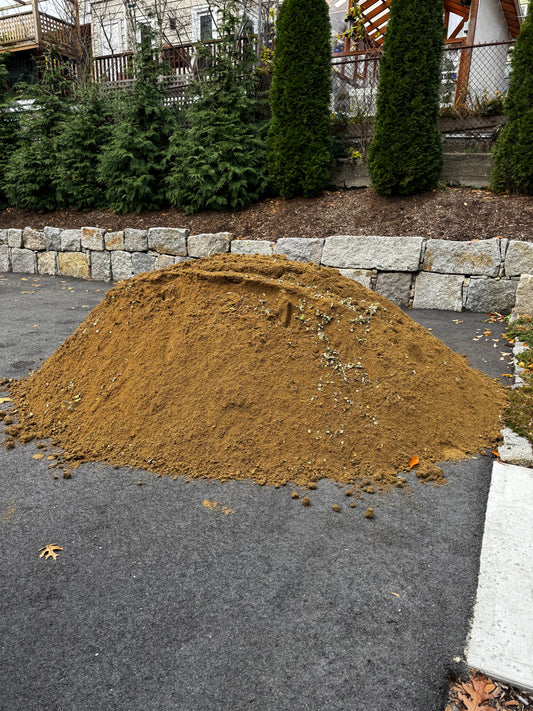
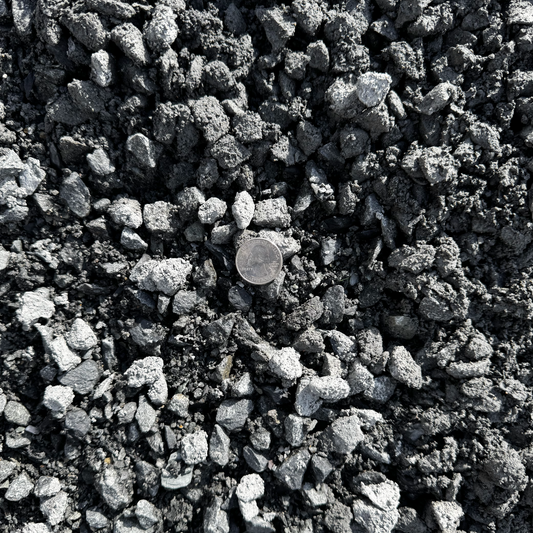
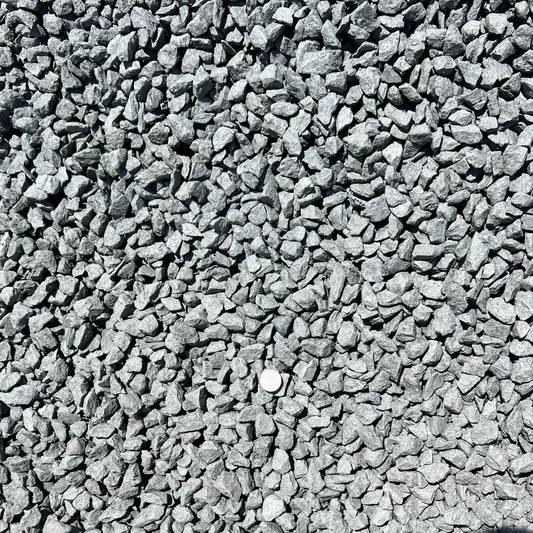
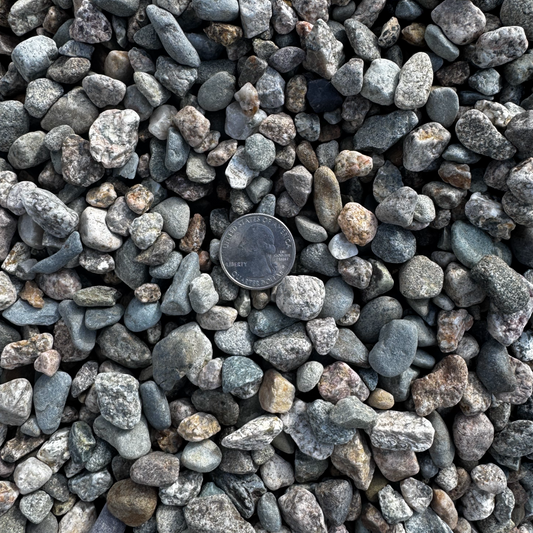
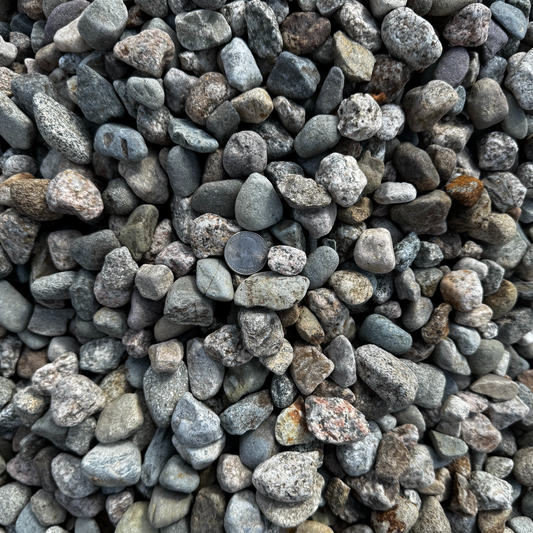
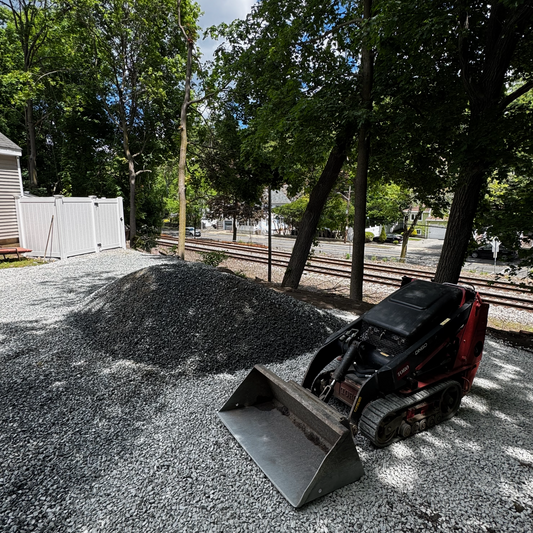
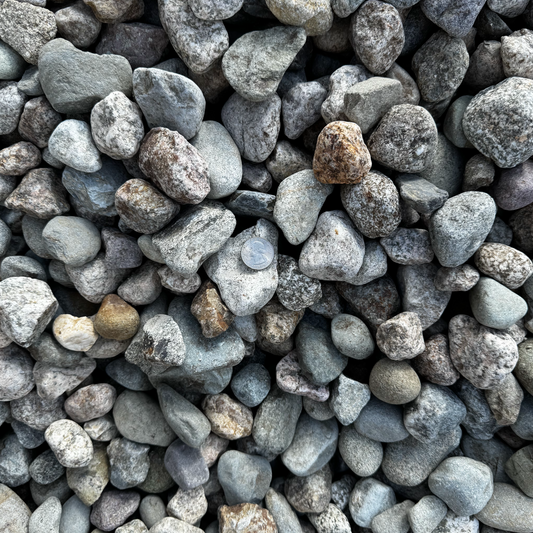
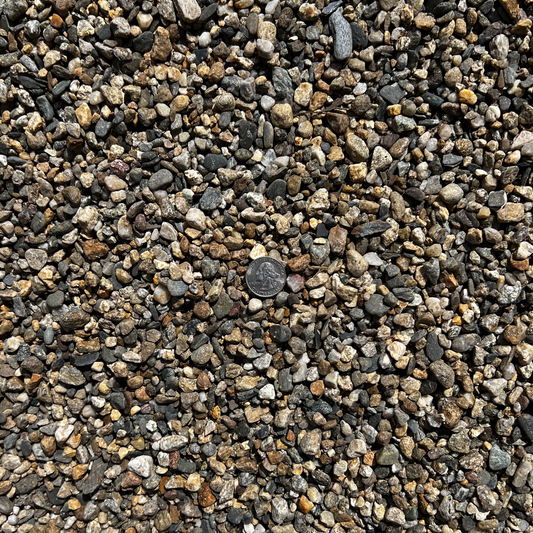
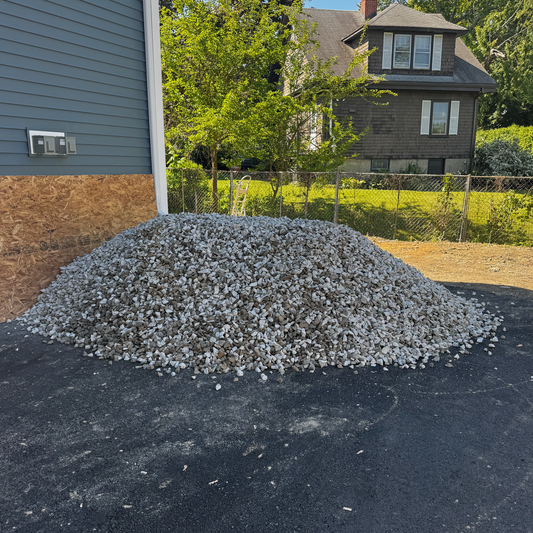
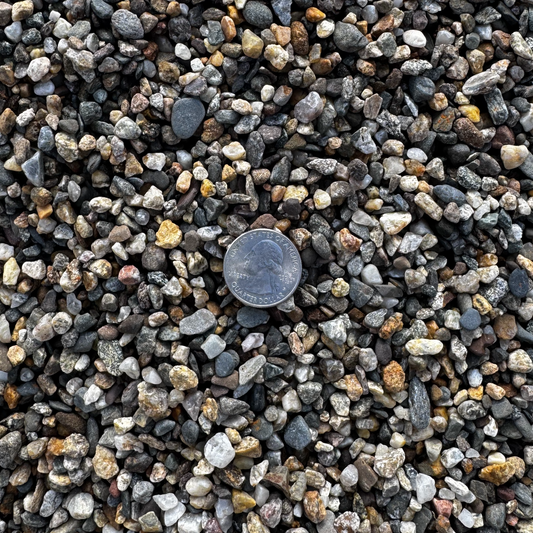
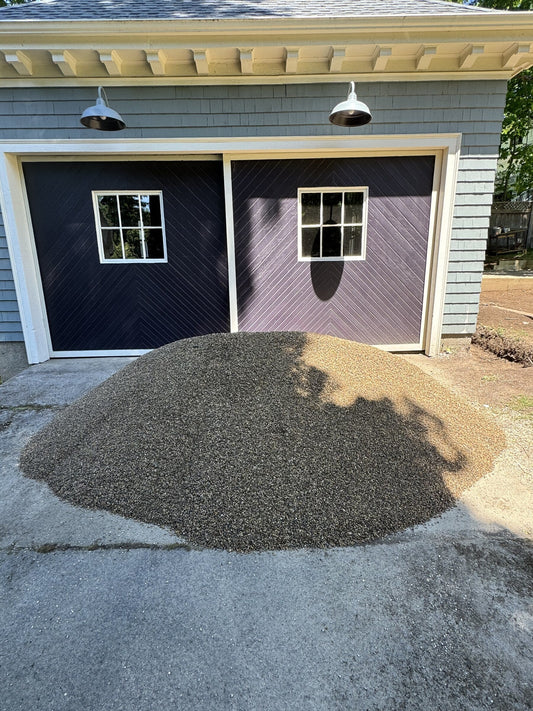
Foundation pours need a stable, well-drained base. 6 inches of dense pack ¾", mechanically compacted in 2" lifts, gives the right substrate. Skip this and the pour cracks at the first frost heave.
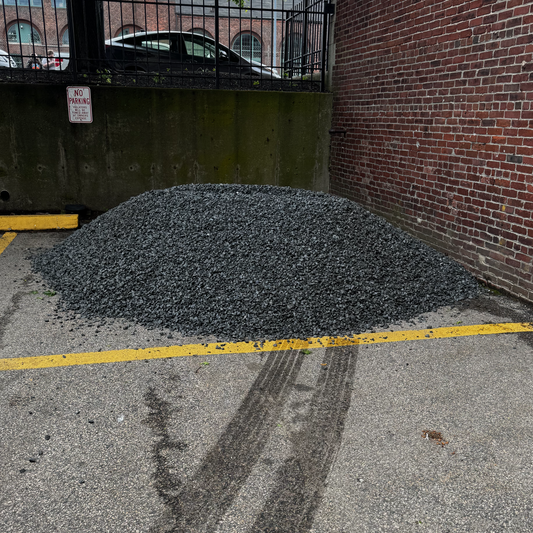
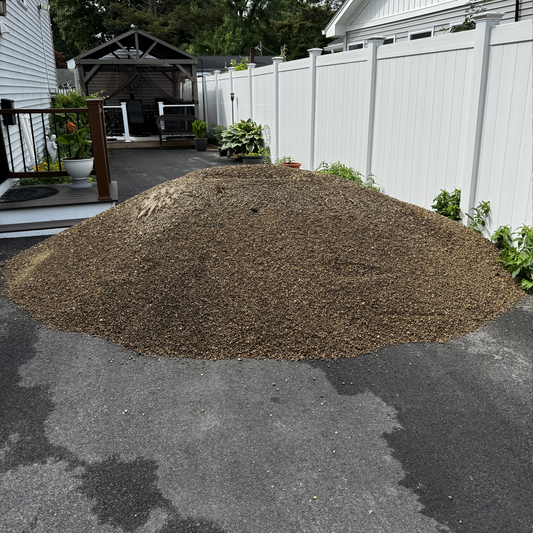
For a 10x10 patio footing or a small foundation slab (under 100 sq ft), that's about 1.5 yards of dense pack ¾". Browse the new construction site prep collection for current pricing.
Tip #3 — Use Cold-Weather Admixtures After October 20
A standard ready-mix concrete recipe sets fine in 60°F+ weather. Below that, admixtures matter:
- Calcium chloride — accelerates set (1–2% by cement weight). Don't use on rebar — corrodes.
- Non-chloride accelerators — for rebar pours. Slightly more expensive.
- Air entrainment — required for any pour exposed to freeze-thaw (any exterior pour). 5–7% air content for residential.
Tell the ready-mix supplier the pour date and overnight forecast — they'll adjust the mix. Bagged Quikrete pours are tougher to dose; for small DIY pours late in October, switch to compactable aggregate alternatives instead.
Tip #4 — Blanket-Cure for 72+ Hours
After the pour, cover with insulated curing blankets for 72 hours minimum. Standard pour-cure blankets retain heat from the hydration reaction itself, keeping the concrete above 40°F even when ambient drops to freezing.
For a 10x10 pour, two 8x12 curing blankets cover the slab plus 1 ft overhang. Cost: $80–$150 per blanket, reusable. Rent at $20–$40 per blanket per day if you don't pour often.
The ICPI covers cold-weather curing protocols in detail.
Tip #5 — Stop Pouring After October 28
The hard rule: no pours after October 28 in Stoneham without heated enclosure (which adds $1,500–$3,000 to the job, rarely worth it on a residential foundation).
Late pours that "set fine" often show problems in spring: surface scaling (the top 1/8" flakes off), micro-cracking, weak compression strength. The pour looks done October 30 and looks bad April 30.
For October 28+ projects, the alternatives in Top 5 Late-Season Hardscape Builds for Middleborough Yards avoid the cure-timing problem entirely.
What If You're Already Past October 28?
Three options:
- Wait until April 15 — easier, the pour will be better
- Pour with full cold-weather protocol — admixtures, blankets, heated enclosure if needed
- Switch to a non-curing alternative — compacted dense pack ¾" base for a paver build, stone dust path, etc.
Option 1 is the right answer for most homeowners. Option 3 is the right answer if the project schedule won't move.
What This Means for You
Track temps, prep base, dose admixtures right, blanket-cure, hold the October 28 line. For aggregate base materials, Stoneham landscape supply and the full Ottr catalog cover delivery from our Dispatch Office. The ICPI is the authoritative source for installation standards.