Quick Answer
Early October — fine. Mid-October — fine with discipline. Late October — risky. November — wait. Concrete needs ambient temps above 40°F for 72 hours after pour to cure properly. In Dorchester, that's reliable through October 22 and uncertain after. Pours after October 28 require admixtures and blanket curing — costlier, and not always worth it for a homeowner-scale patio or walkway.
Why This Question Matters in Dorchester
Dorchester homeowners often realize in mid-October that they want a patio, walkway, or fire-pit footing in before snow. The ambition is reasonable; the timing is tight. This Q&A walks through the temperature math, the cure timeline, and where the no-go line falls.
For the broader hardscape-window news pillar, see Frost Forecast Closes the Hardscape Window in Watertown. For the contractor crew schedule view, see Last-Window Crew Schedule for Norfolk County Hardscape Builds.
Q: What's the actual temperature threshold for pouring concrete?
A: 40°F ambient, sustained for 72 hours after pour. Concrete cures via hydration — a chemical reaction between cement and water. Below 40°F, hydration slows dramatically. Below 32°F, the water in fresh concrete freezes, expands, and ruins the structure of the cure.
The Interlocking Concrete Pavement Institute (ICPI) has the authoritative cold-weather pour guidance for hardscape applications.
Q: How does that translate to Dorchester October weather?
A: Comfortable through October 22; tight through October 28; chancy after. Dorchester's average overnight lows in October:
- October 1–10: 50–55°F
- October 11–20: 45–50°F
- October 21–28: 38–45°F
- October 29–November 5: 32–40°F
Daytime temps stay above 40°F most days through October. The risk is overnight — and overnight lows below 40°F slow the cure.
Q: What if I pour anyway in late October?
A: Use cold-weather admixtures, insulating blankets, and don't expect full strength until spring. Cold-weather concrete techniques include:
- Calcium chloride accelerator in the mix (1–2% by cement weight)
- Heated water for the mix (raises starting temp)
- Insulating blankets over the pour for 72+ hours
- Heated enclosure for very cold pours
These add 15–25% to material and labor cost. The pour will set, but full design strength may not arrive until 28–60 days, depending on temperatures during cure.
Q: What about a small homeowner pour — fire pit footing, stoop slab?
A: Bag-mix Quikrete pours follow the same rules. The advantage with bag mixes is volume — small enough to insulate easily and cure under a tarp on warm fall days. The disadvantage is that surface scaling and freeze damage on small pours often shows up in spring as cosmetic flaking.
Q: What's the alternative to concrete for a late-October Dorchester project?
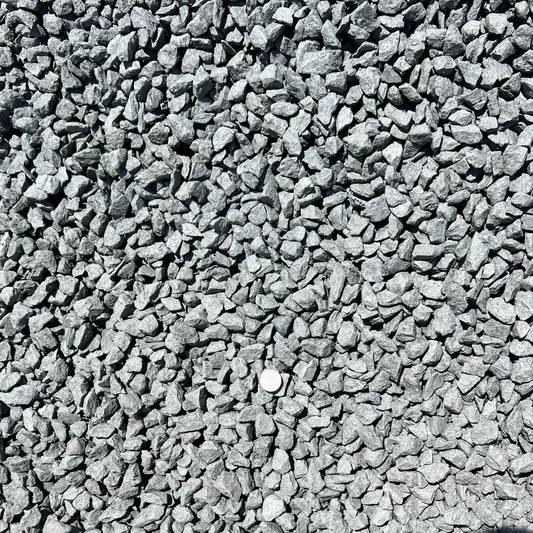
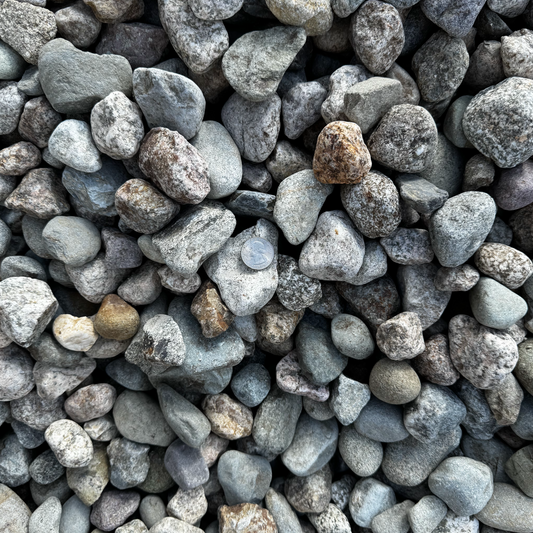
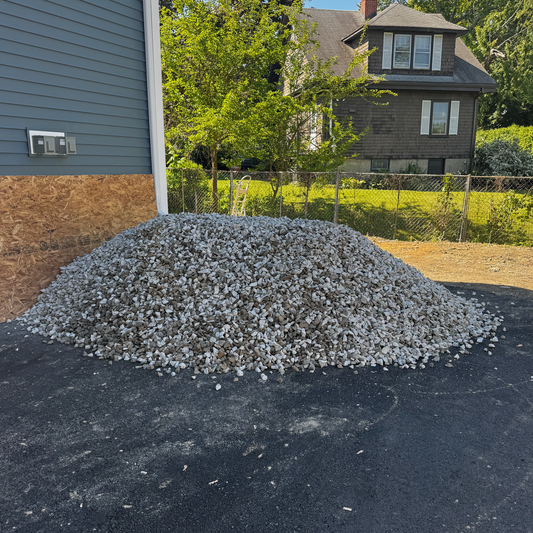
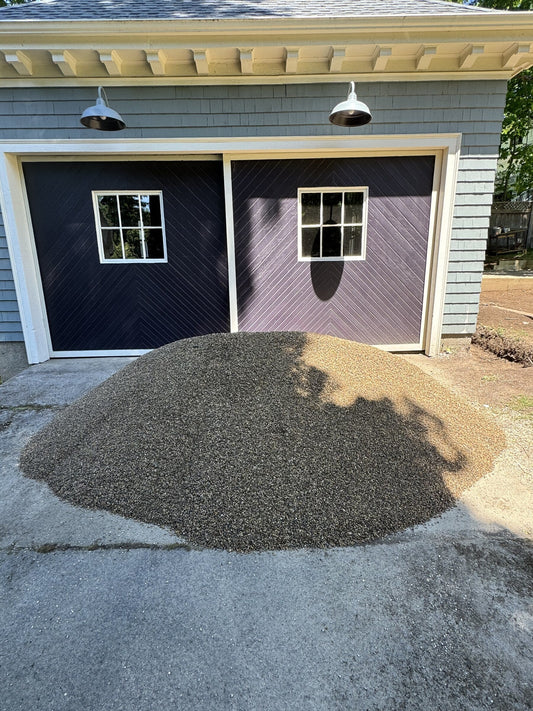
A: Stone dust, crushed stone, or paver-on-sand-base — none require curing. Three viable late-October hardscape options:
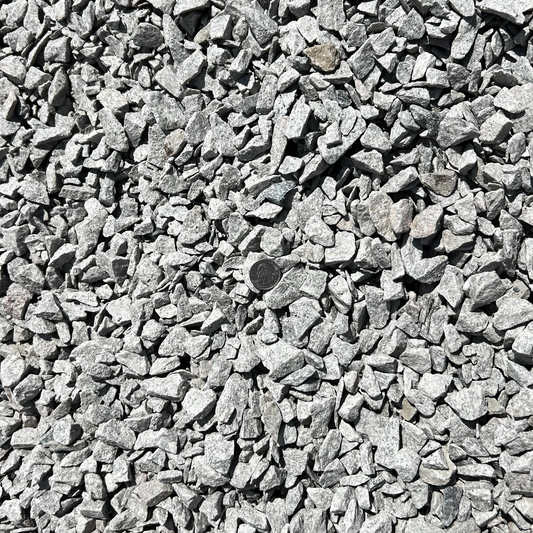
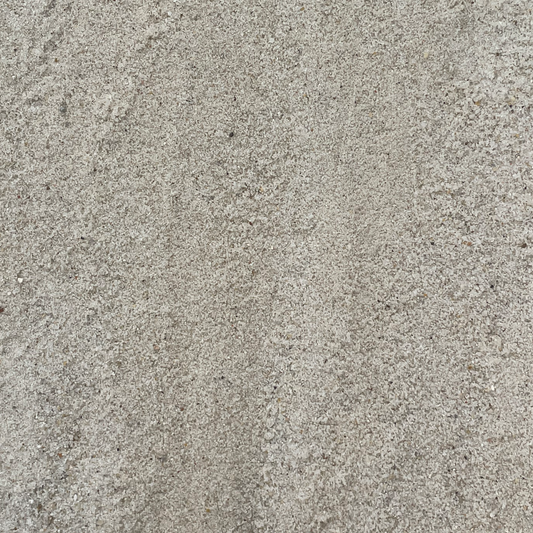
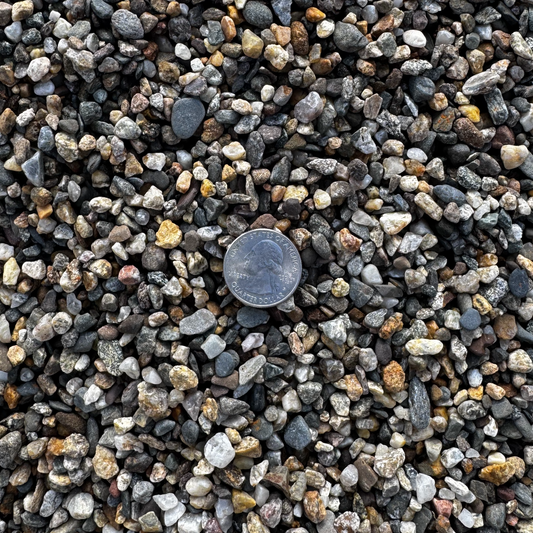
- Stone dust walkway — compactable, works in any weather, sets via mechanical compaction
- Paver patio on crushed stone base — same logic, no curing chemistry
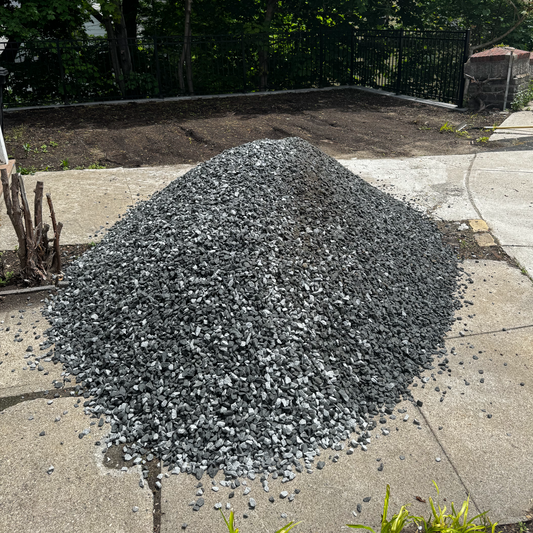
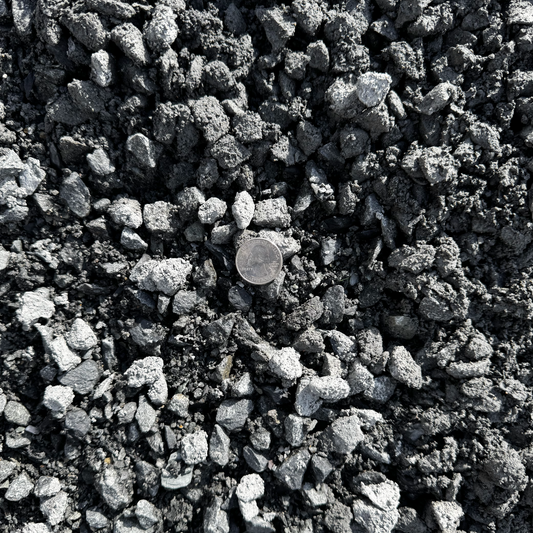
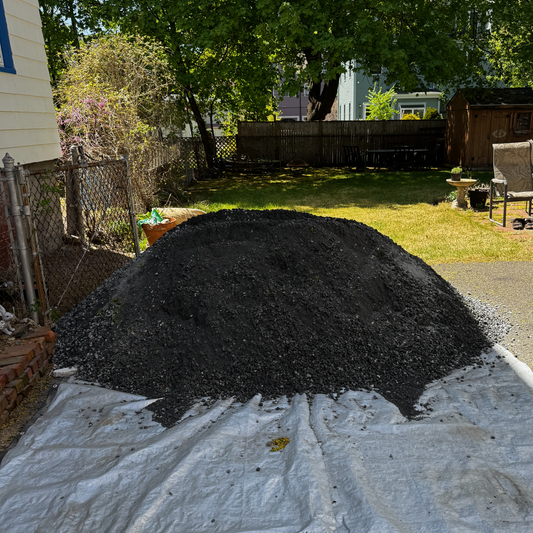
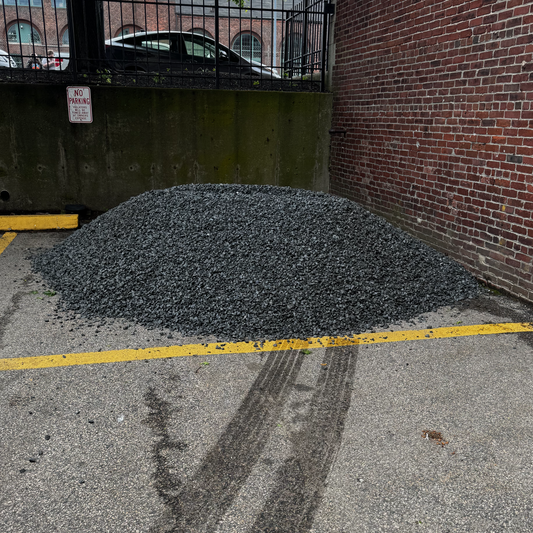
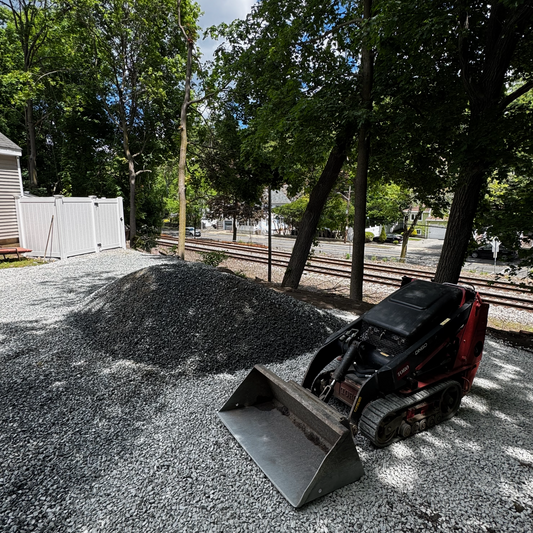
- Crushed stone driveway apron — compact and done
Browse the patio walkway base collection for these alternatives.
Q: What if my contractor wants to pour November 5?
A: Ask three questions before saying yes.
- What admixtures will be in the mix?
- How long will insulating blankets stay on?
- Is there a warranty against cold-weather damage that includes spring inspection?
A contractor with good answers to all three may be fine. A contractor with no clear answer is gambling with your money.
Q: Does Ottr supply concrete?
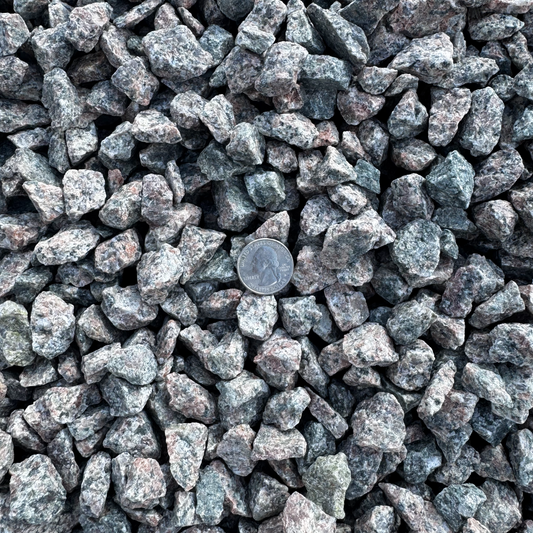
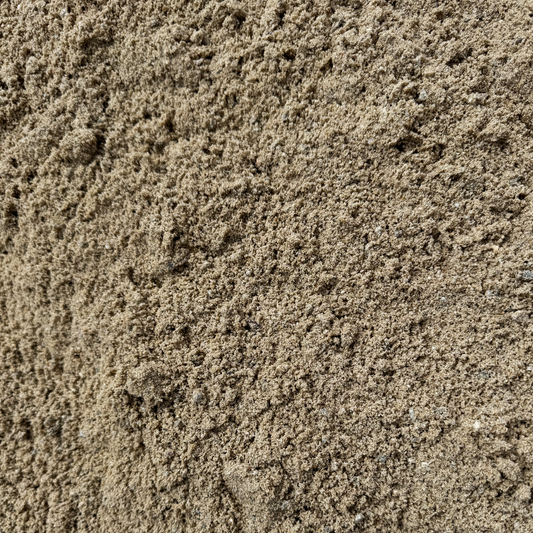
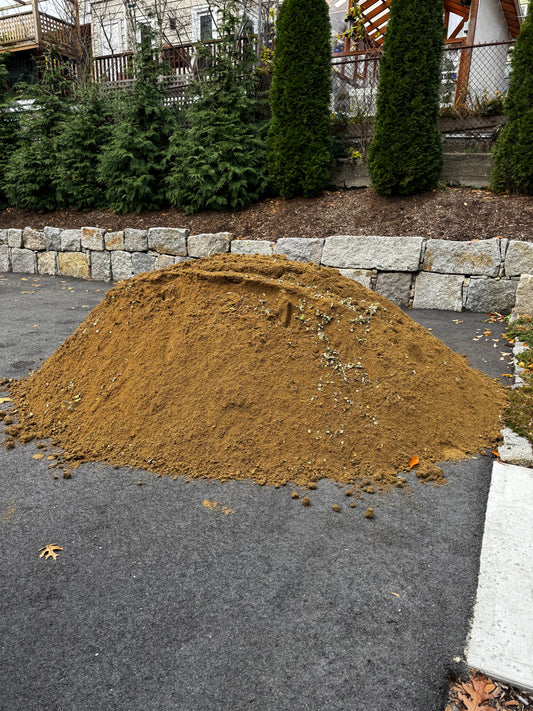
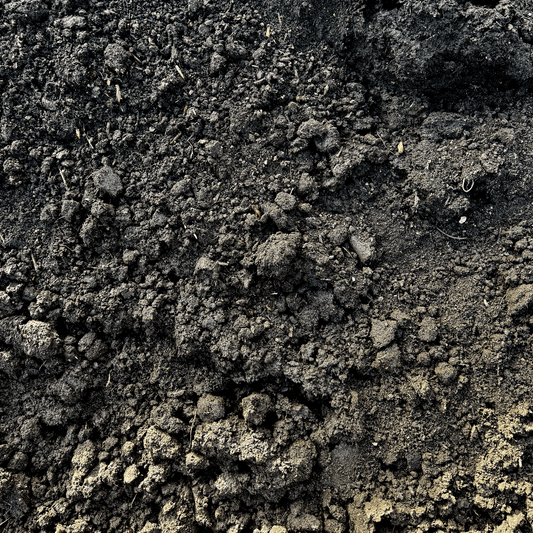
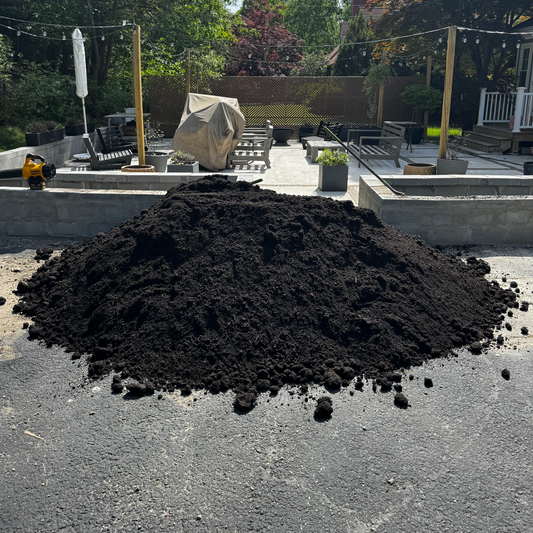
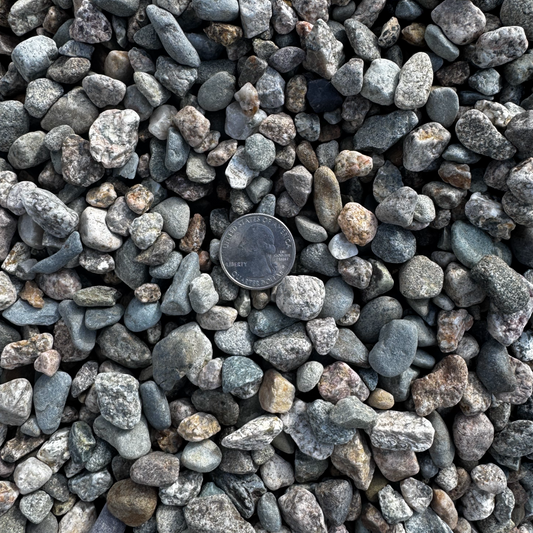
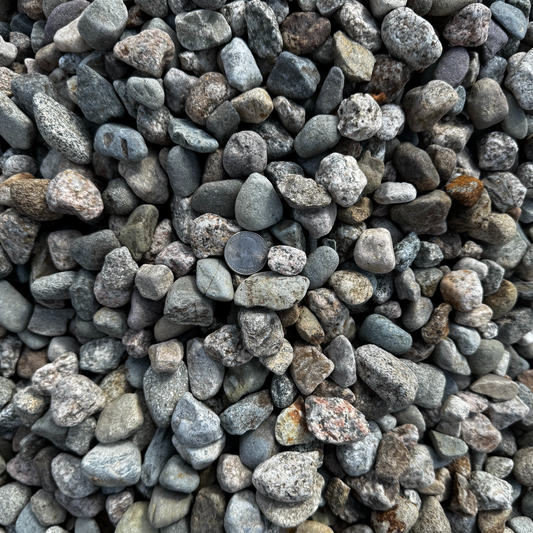
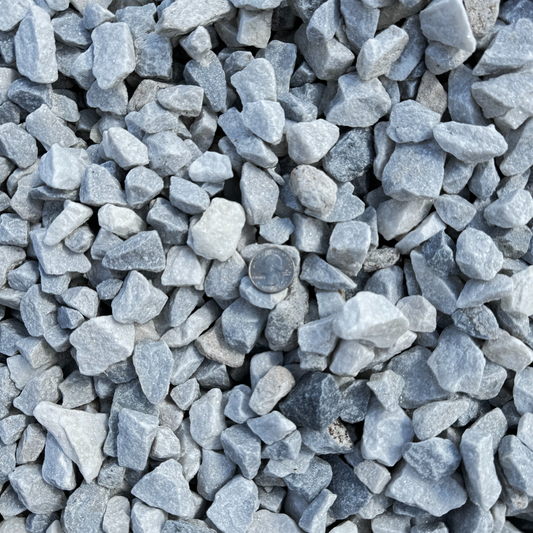
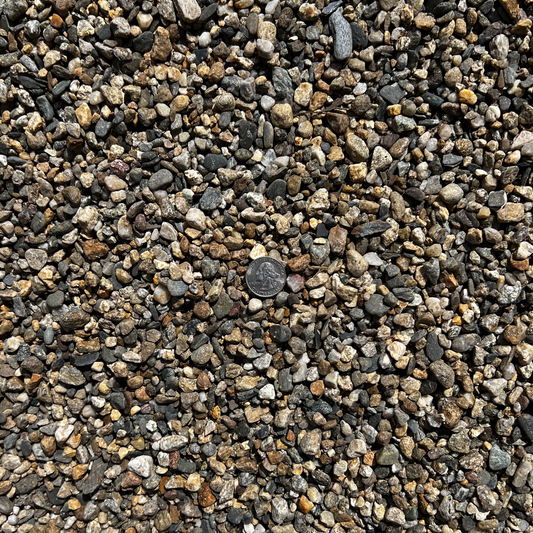
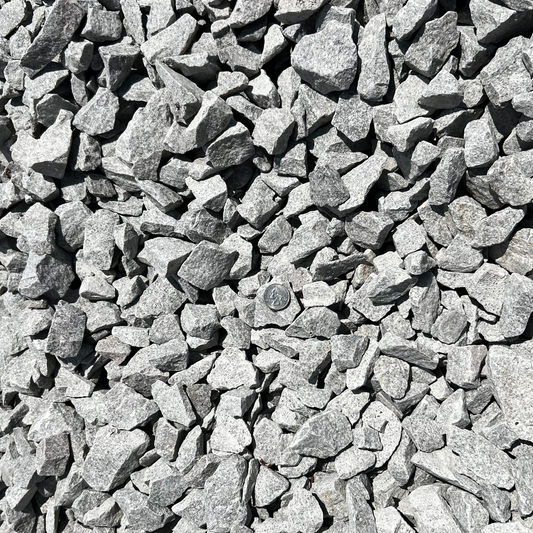
A: Ottr supplies aggregates and base materials, not concrete itself. Bulk mason sand, concrete sand, crushed stone, stone dust, and dense pack ¾" are all stocked at our Dispatch Office on Jan Karski Way — a short run from anywhere in the neighborhood — for pickup or delivery. The concrete itself comes from a ready-mix supplier or in bag form. See the crushed stone collection and Dorchester landscape supply.
Q: What's the safest late-fall hardscape choice in Dorchester?
A: Pavers on a properly compacted crushed stone base, jointed with regular sand. No curing dependency. Polymeric jointing can wait until April warmth — until then, regular sand keeps pavers in place.
For the late-paver-install playbook, see How to Sneak a Last Paver Install in Before Worcester County's First Frost — same logic applies in Dorchester.
Q: When's the right time to pour for a Dorchester project?
A: April 15–November 1 for normal pours; mid-May–mid-October for confidence. If a homeowner asks "should I pour in October?" the answer is "yes, by October 22" or "wait until April 15 — easier and the pour will be better."
The Dorchester Recommendation
Yes through October 22. Yes with admixtures and blankets through October 28. No after October 28. Use pavers on stone base as the late-October alternative when concrete timing is too tight.