Quick Answer
A last-window paver install in Worcester County works if you: find a 5-day weather window above 40°F, lay 6" of dense pack ¾" base in 2" lifts, screed 1" of concrete sand, set pavers with edge restraint, and joint with REGULAR sand (not polymeric — polymeric needs 50°F+ active cure, which Worcester County doesn't reliably get after October 25). Re-joint with polymeric in April when temps come back.
Why Worcester County Is Tighter Than the Coast
Worcester County sits 30–60 miles inland and runs colder than Boston-area coastal towns. First hard frost in Worcester (the city itself, Auburn, Holden, Shrewsbury) hits October 24–November 1 most years — about 5 days earlier than coastal Suffolk and Norfolk Counties. That cuts the late-October paver window from "tight" to "very tight."
For the contractor view of the same window, see Last-Window Crew Schedule for Norfolk County Hardscape Builds. For the broader news pillar, see Frost Forecast Closes the Hardscape Window in Watertown.
Step 1 — Confirm 5-Day Weather Window (10 minutes)
Open the National Weather Service Boston 7-day forecast for Worcester. Confirm:
- 5 consecutive days with overnight lows above 40°F
- Daytime highs above 50°F
- No rain forecast for install days
If the forecast doesn't hold, defer to spring. April installs are easier and the joint sand cures right the first time.
Step 2 — Excavate and Lay Base (Day 1, 4–6 hours)
Excavate the patio area to 8 inches below finish grade — 6" for base, 1" for sand bedding, 1" for paver thickness (typical residential paver). For drives or patios that will see vehicle traffic, go 10" depth (8" base).
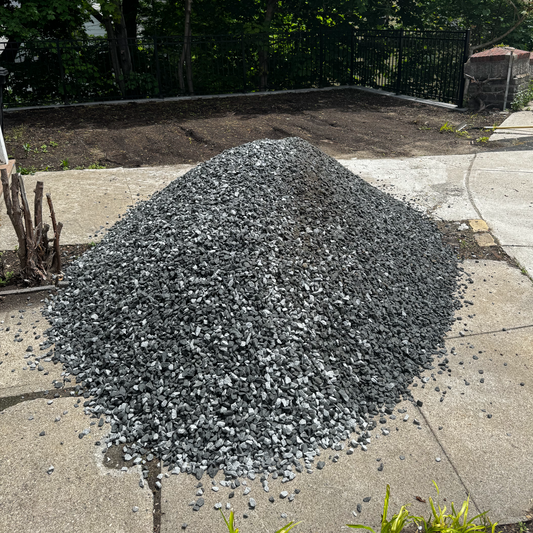
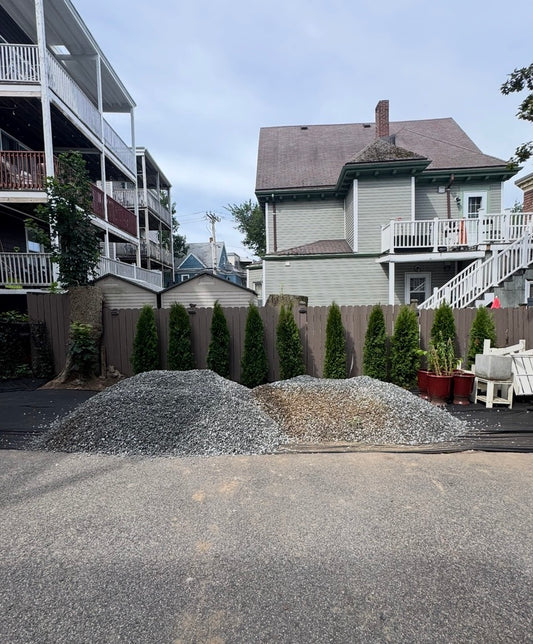
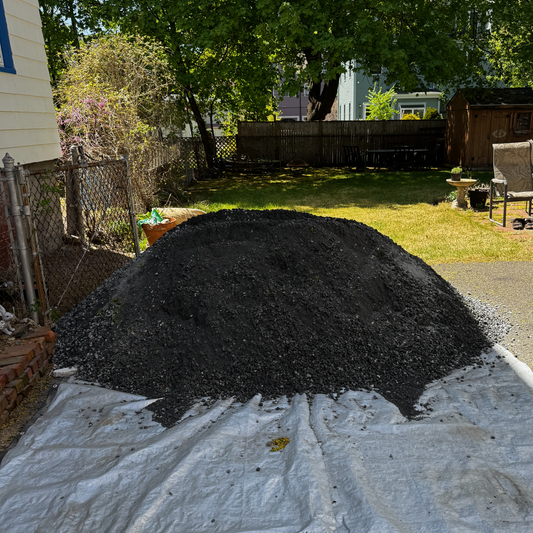
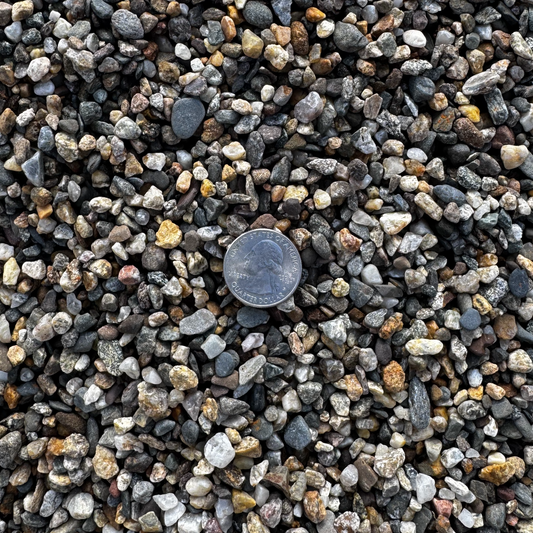
Lay dense pack ¾" in 2-inch lifts. Compact each lift with a plate compactor. The final base should be firm enough that footprints don't show.
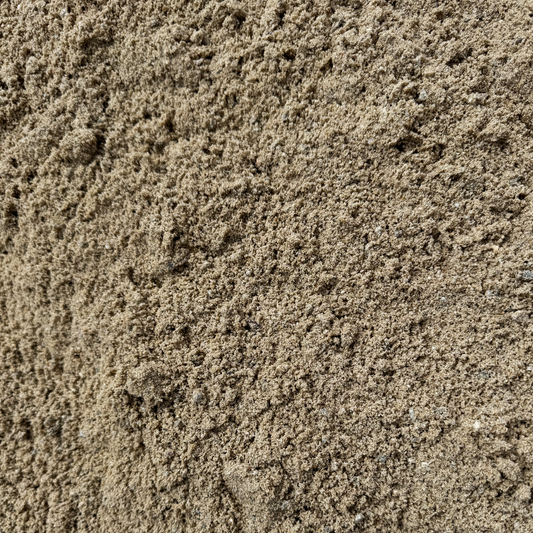
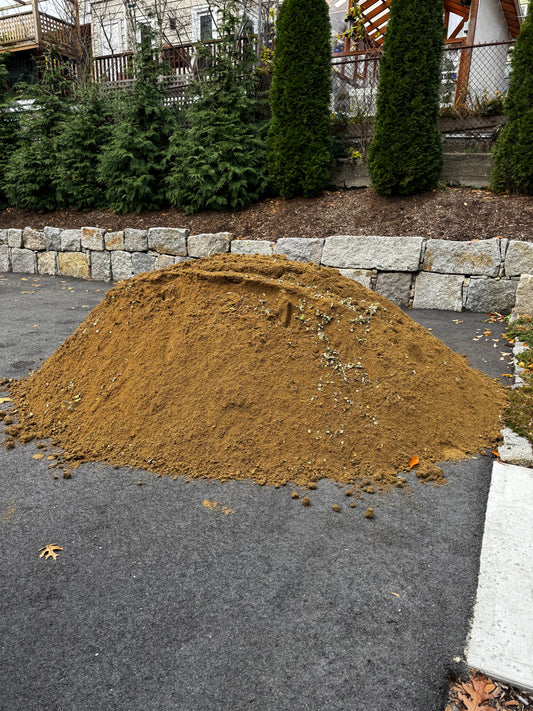
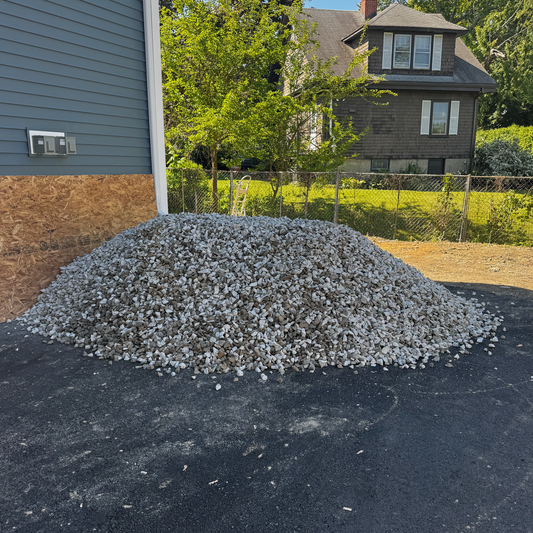
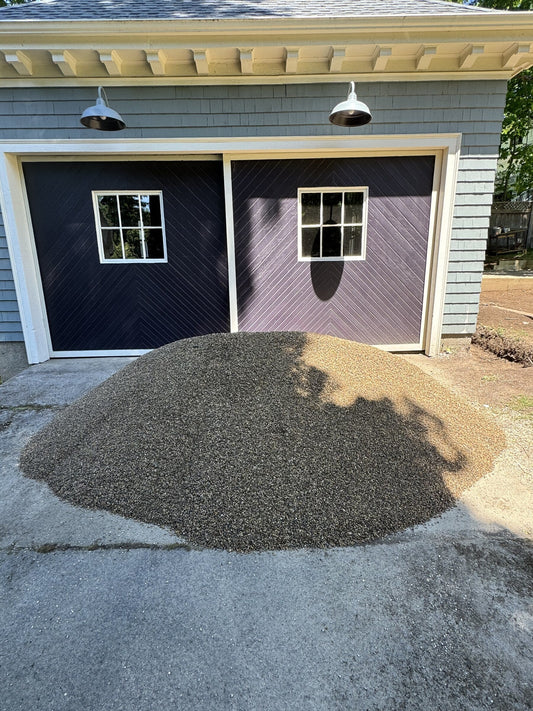
Browse the patio walkway base collection. A 200 sq ft patio needs ~3.5 yards of dense pack ¾" plus 0.6 yard of concrete sand.
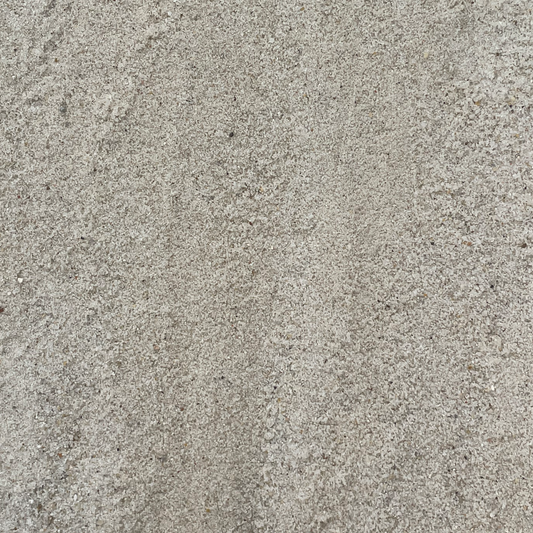
Step 3 — Screed 1" Concrete Sand (Day 1 evening or Day 2 morning, 1 hour)
Lay two screed pipes (1" diameter PVC or rebar) parallel along the base, spaced one screed-board length apart. Pour concrete sand between, screed flat, remove pipes, fill the channels.
The screed surface is the bedding layer. Don't compact it. Set pavers on the loose, screeded sand.
Step 4 — Set Pavers and Edge Restraint (Day 2, 4–6 hours)
Lay pavers in your chosen pattern — running bond, herringbone, basket weave. Tap with a rubber mallet to set into the bedding sand. Cut perimeter pavers with a wet saw.
Install edge restraint along the perimeter — plastic paver edge with steel spikes is the standard. Edge restraint keeps pavers from spreading under traffic.
Step 5 — Joint with REGULAR Sand (Day 2 finish, 30 minutes)
This is the late-fall trick: don't use polymeric sand in late October. Polymeric needs active moisture and 50°F+ to cure. Below that, it doesn't lock — it washes out at the first heavy rain.
Sweep regular concrete sand or mason sand into the joints. Compact lightly with the plate (use a paver pad on the compactor). Re-sweep until joints are full.
In April, sweep the regular sand out and re-joint with polymeric. The polymeric will cure properly in spring temps and lock the patio for the long term.
Step 6 — Final Compaction (15 minutes)
Run the plate compactor over the finished surface (with paver pad attached) to seat pavers into the bedding sand. Sweep one more pass of regular sand into joints if needed.
The patio is done. Walk on it immediately. The April re-joint takes 30 minutes when temps come back.
What Could Go Wrong
- Frost heave before April — the base shifts, individual pavers heave 1/4" or more. Reset in April.
- Joint washout — heavy rain pulls regular sand. Re-sweep, compact again.
- Edge restraint pull-out — frost heave can lift edge restraint. Reseat in April.
These are minor issues, easily fixed in spring. They don't compromise the patio.
What This Means for You
5-day window, 6" base, 1" sand, regular joint, April re-joint. For aggregate materials and pavers, the crushed stone collection and Worcester County delivery via Ottr cover everything you need. The ICPI is the authoritative source for paver installation standards. The National Weather Service Boston is the regional forecast source.