Quick Answer
For a Belmont front yard, edging material is a 10-year decision. Ranked by lifespan ÷ cost: #1 cobblestone (40+ years, premium), #2 steel (15–20 years, mid-tier), #3 paver block (15–20 years, mid), #4 natural cut edge (1 season, free), #5 plastic (5–8 years, cheap). Cobblestone wins on a Belmont Hill estate; steel wins on a Cushing Square Cape; cut edge wins on a budget. Plastic is the false-economy pick most homeowners regret by year 4.
Why Belmont Front Yards Are an Edging Showcase
Belmont's front yards — Belmont Hill, Cushing Square, Waverley — set a high curb-appeal bar. The architecture (mostly classic New England Colonial, Cape, and Tudor) wants edging that reads "intentional but not overbuilt." A clean edge between lawn and bed is the single biggest visual lift in any front yard, and the material you pick determines whether the edge looks sharp at year 5 or sagging at year 3.
Belmont's freeze-thaw cycles are also brutal on edging. Materials that work in southern climates fail here in 2–3 winters. Below is what actually holds.
#1 — Cobblestone (Best for: premium curb appeal, multi-decade lifespan)
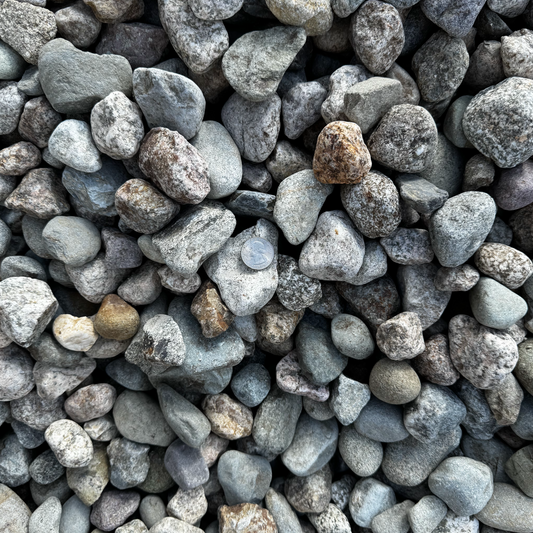
Reclaimed Belgian cobblestone or new granite cobble. The premium pick. Cobblestones laid in mortar or set into a sand-and-gravel base define a bed edge with permanent visual weight.
Lifespan: 40+ years. Granite cobblestone is essentially permanent — the cobbles you see in 19th-century Boston streets are still there. The mortar joints need a tune-up every 15–20 years.
Cost: Premium per linear foot. The material is expensive; installation by a hardscape pro adds another premium. DIY-able with patience and a tamper.
Belmont fit: Belmont Hill homes especially. The classic look reads "this house has always had this edge." For modern Belmont homes (sleek lines, contemporary architecture), cobblestone reads heavy — pick steel instead.
Where to buy: Granite cobble and Belgian block ship through specialty suppliers. Browse the decorative stone collection for related stone formats.
#2 — Steel Edging (Best for: clean modern lines, 15–20 year horizon)
¼-inch thick mild-steel or weathering steel (Cor-Ten) edging strips. Driven into the soil with stakes, the steel reads as a barely-visible dark line that disappears visually while making a sharp physical separation.
Lifespan: 15–20 years for galvanized; 20–25 for Cor-Ten weathering steel. The steel rusts to a stable patina in 2–3 years and stops rusting deeper.
Cost: Mid-tier per linear foot. DIY-able in a Saturday for a typical 60-foot run.
Belmont fit: Modern or transitional homes. Cushing Square infill, Waverley bungalows with renovated landscaping. Steel wins when you want the edge to not be the visual point — just a clean line.
Drawback: The top edge is sharp. Don't install where kids run barefoot. Soft-edge versions (rolled top) are available at slight cost premium.
For a step-by-step on installing steel edging cleanly, the technique is universal — see How to Edge a Newton Mulch Bed Cleanly in Under an Hour for the bed-prep work that goes underneath.
#3 — Paver Block Edging (Best for: matching existing hardscape)
Concrete pavers (4×8 or 6×9) set on edge or laid flat as a single course around the bed perimeter. Available in colors that match patio or walk hardscape.
Lifespan: 15–20 years. Pavers themselves are good for 30+ years; the issue is freeze-thaw heave shifting individual pavers out of line. Resetting every 8–10 years restores the look.
Cost: Mid-tier. The pavers are inexpensive; the labor to set them on a proper base is the cost.
Belmont fit: Houses with paver patios or walks where matching the bed edging to the existing hardscape pulls the design together. The ICPI standards cover paver installation specs that hold up in Massachusetts freeze-thaw.
Drawback: Without a proper compacted base, paver edges drift in 3–4 winters. Don't shortcut the base prep.
#4 — Natural Cut Edge (Best for: budget, traditional aesthetic)
A spade-cut edge: a 3-inch deep, vertical cut along the lawn-to-bed boundary, cut fresh each spring with a half-moon edger. No installed material — just the cut itself, with mulch filling the bed side and turf on the lawn side.
Lifespan: Single season. Re-cut every spring (and ideally a touch-up mid-summer).
Cost: Free, except labor. A 60-foot front bed re-cuts in 30–40 minutes.
Belmont fit: Traditional Colonial and Cape homes. The cut edge is the most quintessentially New England option and the right pick for any Belmont yard with a classic aesthetic. Pairs well with brown-dyed or natural hardwood mulch — see 5 Hardwood Mulches That Hold Color in a Sun-Baked Brookline Front Yard for the mulch pairing.
Drawback: Annual maintenance. If you skip the spring recut, the edge softens and the bed looks unmade.
For the half-moon vs. power-edger question on annual recuts, see Half-Moon Edger vs Power Edger: A Waltham Lawn Bed Edge Test.
#5 — Plastic Edging (Best for: nothing in Belmont, honestly)
Black plastic edging (typically 4–5 inches tall) with a lip and stake-loops along the bottom. Cheap, fast to install, and the regret-buy of New England landscaping.
Lifespan: 5–8 years claimed; realistically 3–5 in Belmont's freeze-thaw. UV degrades the plastic from above; frost heaves the stakes from below. By year 4, the edging is pushing up out of the soil and waving in the wind.
Cost: Cheapest material per linear foot. Self-installed in an afternoon.
Belmont fit: None. Plastic edging in Belmont reads as a temporary fix. Even on a budget, the natural cut edge looks better and costs less.
Drawback: Failure mode is ugly. Black plastic poking up out of the lawn is the most visible "deferred maintenance" signal a front yard can give.
How to Pick for Your Belmont Yard
Run through these questions:
- Budget unconstrained, 20+ year horizon, classic architecture? → Cobblestone.
- Modern or transitional architecture, want the edge to disappear? → Steel.
- Already have paver hardscape elsewhere? → Match with paver edging.
- Budget tight, willing to do a spring recut? → Natural cut edge. The right call for most Belmont yards.
- Considering plastic? → Don't. Pick natural cut edge instead.
For decorative stone borders that complement (rather than replace) edging, see 5 Decorative Stones That Anchor a Brookline Front Walk Without Looking Busy — same logic applies in Belmont.
Common Mistakes
- Mixing edging types within view. One edging material per visual zone. Don't mix steel and pavers in the same front yard.
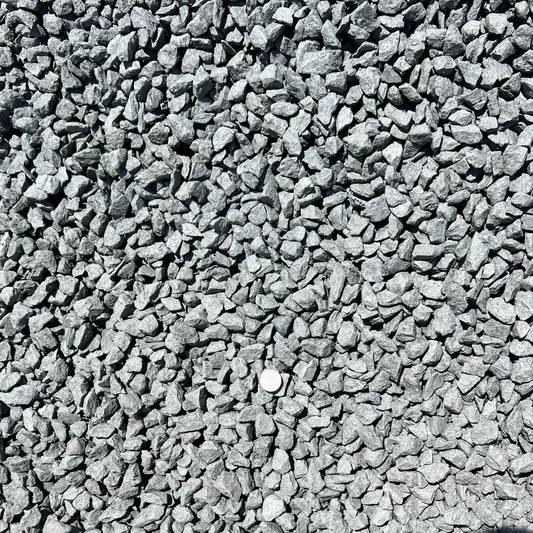
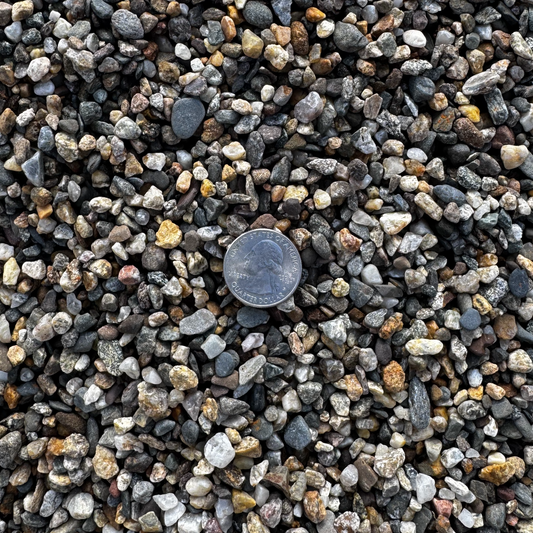
- Skipping the base prep on pavers. 4 inches of compacted ¾" Dense Pack stone under any paver edging. Less, and freeze-thaw wins.
- Installing plastic and assuming it'll hold. It won't. See above.
- Cutting a fresh edge through wet, frozen soil in March. Wait for thawed, slightly damp soil — much cleaner cut.
Where to Buy
The decorative stone collection covers the stone-based edging options (cobble, river rock borders, ¾" Dense Pack base for paver setting). For broader landscape edging guidance and material standards, UMass Extension Landscape covers regional best practices, and ICPI has the authoritative standards on paver installation.
The short version: in Belmont, cobblestone or natural cut edge are the long-game winners depending on budget. Steel for modern. Pavers if matching existing. Skip plastic. The edge is the part of the front yard everyone sees first — pick the material that still looks intentional in year 8.