Quick Answer
For a crisp-edged Boston lawn — Beacon Hill brownstone strip, Allston back yard, Roslindale full lot — five tips deliver visible results: mow the perimeter first, trim with a string trimmer at deck height, edge bed lines and walks weekly, half-overlap each pass, and alternate mow direction every cut. Time investment: 10 extra minutes per cut. The visible-from-the-street improvement is significant.
Why Boston Yards Reward Crisp Edges
Boston yards are small, visible, and surrounded by harder edges (brick walks, slate steps, granite curbs, asphalt drives). Soft, fuzzy lawn edges read as deferred maintenance from 30 feet away. Crisp edges read as care. Five techniques get them right with no specialty tools beyond a mower, a string trimmer, and a half-moon edger.
1. Mow the Perimeter First
Make the first pass around the entire perimeter of the lawn before mowing the interior. This single pass at the lawn's edge cuts cleanly into bed lines and walk edges. Subsequent interior passes can then turn at the perimeter without scalping the edges. Time cost: zero — you'd mow the perimeter anyway.
2. Trim With a String Trimmer at Deck Height
Set the string trimmer to roughly deck height (3.5 inches) when trimming around walks, downspouts, fence posts, and tree trunks. Most homeowners trim too short, leaving a scalped halo around every obstacle. Trim at lawn height instead — the lawn looks continuous, not patched. 15 minutes per yard for a typical Boston lot.
3. Edge Bed Lines and Walks Weekly
A half-moon edger along bed lines and walk edges every 2 weeks keeps the line crisp. A power edger can run weekly, but the half-moon technique gives a cleaner bevel. The Middlesex County stretch-bed-edge how-to covers the deeper bed-edge work for the early season.
4. Half-Overlap Each Pass
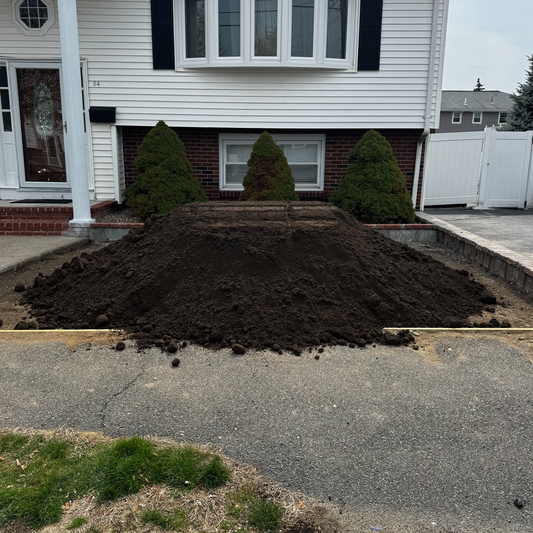
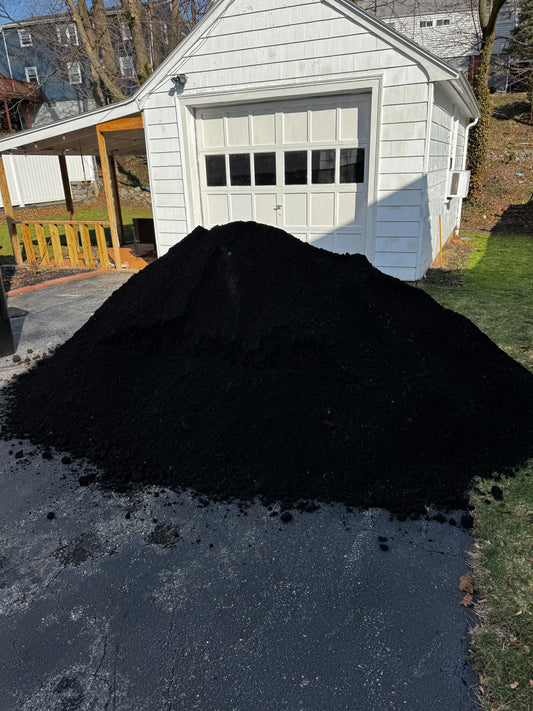
Overlap the previous pass by half the deck width. Most homeowners overlap by only 4-6 inches, which leaves uncut grass at every drive line. Half-overlap eliminates the visible parallel stripes and ensures even cutting at the seams. Browse the Boston landscape supply collection for delivery scheduling on bulk loam if your lawn has thin spots — half-overlap mowing won't help if the soil itself is uneven.
5. Alternate Mow Direction Every Cut
Cut north-south one week, east-west the next. Same-direction cutting compresses grass blades and creates a permanent lean. Alternating directions: - Promotes upright growth - Reduces ruts in the soil - Creates the iconic "stripes" pattern when light hits at a low angle - Lets the mower deck cut more cleanly each pass
Materials and Tools Cheat Sheet
- Sharpened mower blade — $20 service every 8 weeks
- String trimmer with 0.080" line for residential lawns
- Half-moon edger — $30 hardware store tool
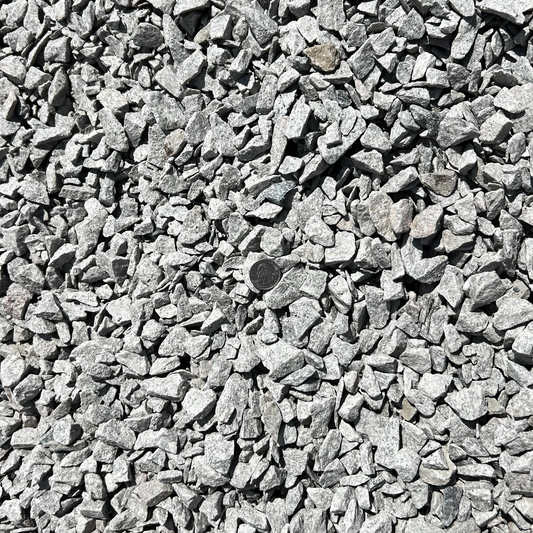
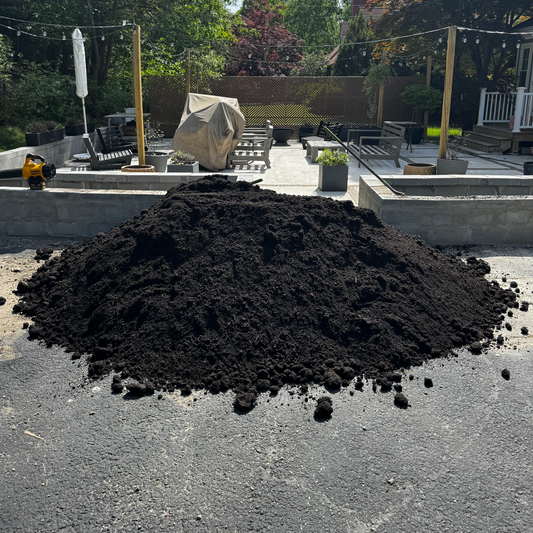
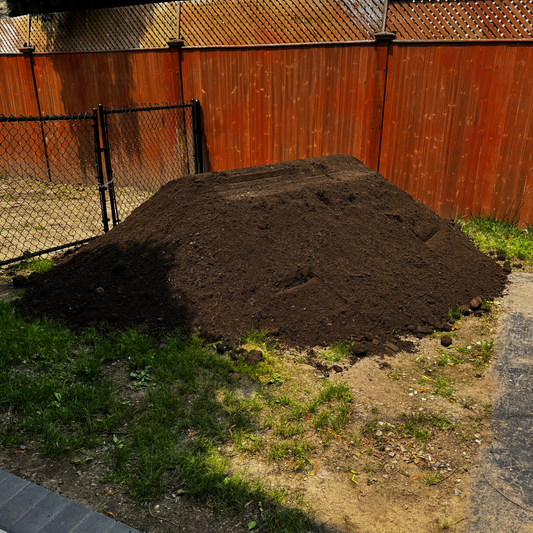
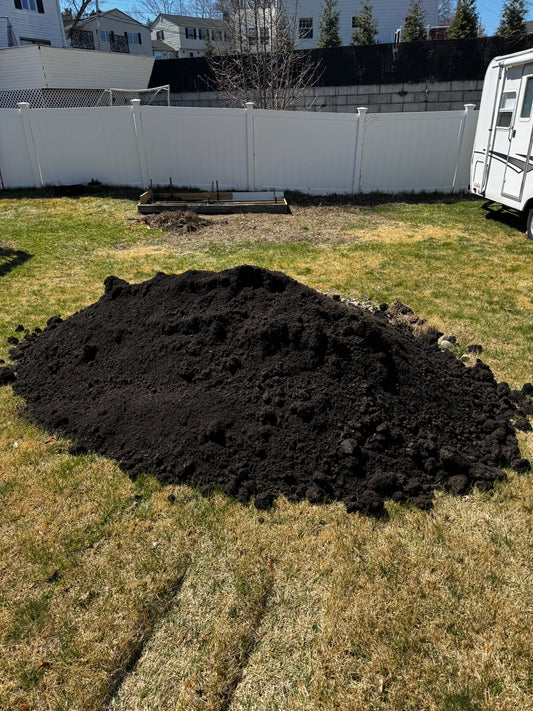
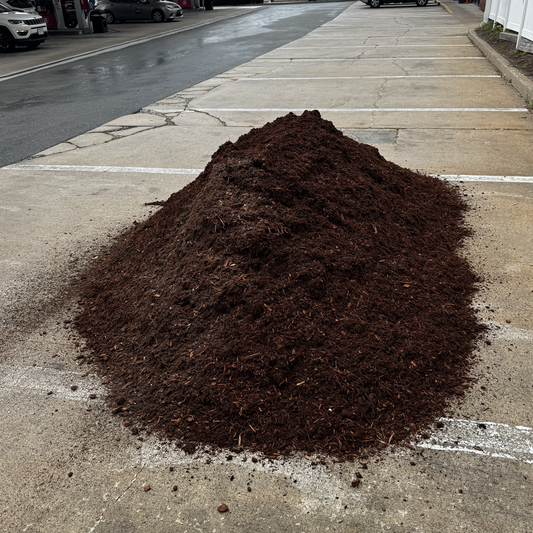
- 1/4 cubic yard Topsoil Loam 1/2" Screened for thin-spot fills (browse the lawn leveling repair collection)
The Bridgewater June drought-prep top-5 covers the parallel pre-summer work that pairs with crisp-edge maintenance.
The 10-Minute Boston Crisp-Edge Workflow
After the standard mow, add 10 minutes:
- 2 minutes: Walk the perimeter, look for missed strips.
- 5 minutes: Trim with string trimmer at deck height around walks, posts, trees.
- 3 minutes: Sweep clippings off walks back into the lawn.
That's it. The visible-from-the-street improvement after 4 weeks of this routine is dramatic.
What Crisp Edges Don't Fix
Crisp edges are visual. They don't fix: - Thin or scalped turf — needs loam top-dress and overseed - Salt damage stripes — needs reseed in April - Brown summer drought — needs irrigation audit (see the Plymouth County sprinkler audit) - Heavy compaction — needs fall aeration
For these, the techniques don't matter — fix the underlying issue first.
How This Compares to 2026
The 2026 season-close, May 1: Closing Out Spring Mulch Season Across Plymouth County, notes lawn establishment and edge crispness as visible markers of completed spring work — May 19 is the moment that routine should be set.
For Boston-specific cool-season lawn timing, the UMass Extension Turf Program is the regional authority.