Quick Answer
Cover a Waltham vegetable garden for winter by pulling spent crops by November 5, top-dressing with 1 inch of compost, mulching with 3–4 inches of shredded leaves, and anchoring burlap or row cover over the bed. The whole job runs 45–60 minutes for a 4'×8' bed. This protects soil structure, suppresses winter weed germination, and gives the spring soil a 2-week head start when you pull the cover off in late March.
When to Cover in Waltham
Waltham's first killing frost lands between October 25 and November 8 in most years. Cover the garden after the last harvest but before the soil freezes hard. Working frozen ground in late November means you're chipping; working it the first week of November means you're raking.
If your garden still has cold-weather crops (kale, mache, hardy lettuce), see 5 Cold-Frame Tips for Belmont Vegetable Gardens for season-extension methods. For the broader pre-winter checklist, see 5 Pre-Winter Yard Checklist Items for West Roxbury.
What You Need
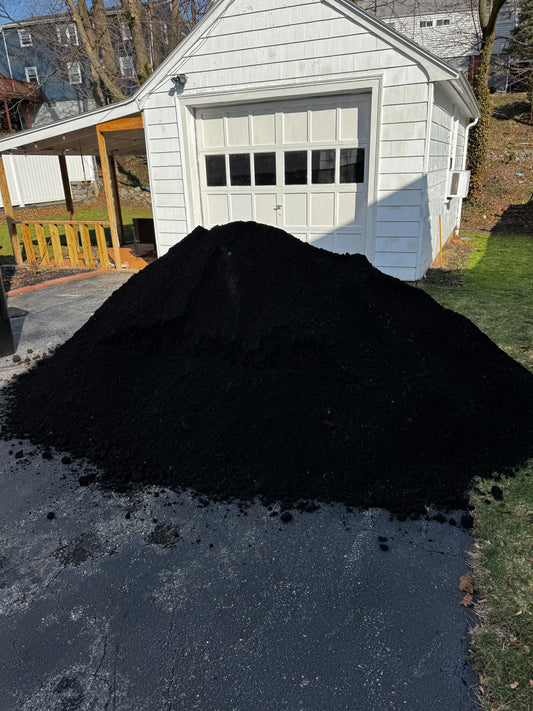
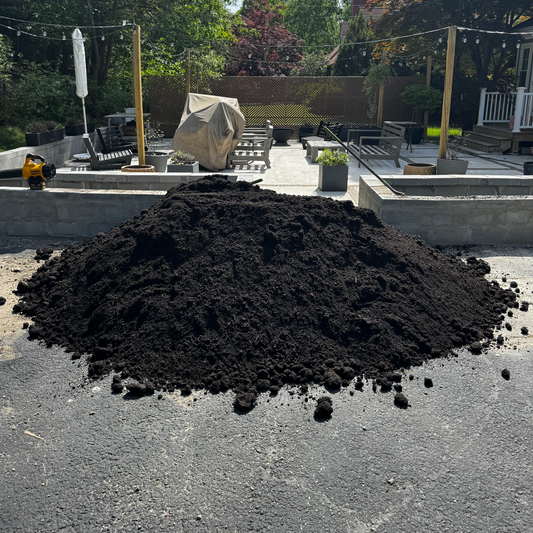
- Compost — 1 cubic foot covers ~12 sq ft at 1 inch
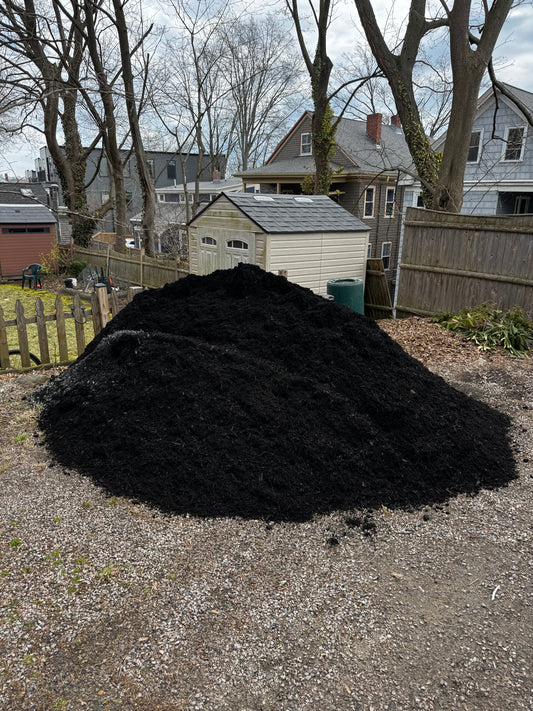
- Shredded leaves — 1 cubic yard covers ~80 sq ft at 4 inches (run mower over leaves to shred)
- Burlap or floating row cover — sized to bed plus 12 inches overhang each side
- Stones, bricks, or earth staples to anchor the cover
For bed soil top-up needs, browse Ottr's Raised Garden Bed Materials collection.
Step 1 — Pull Spent Crops
Remove tomato vines, squash plants, pepper plants, and any annual herbs. Bag and trash anything with visible disease — late blight, powdery mildew, septoria leaf spot — do not compost diseased material. Healthy plant matter goes in the home compost.
Cut frost-killed annuals at the soil line; leave the roots in to feed soil microbes.
Step 2 — Top-Dress with Compost
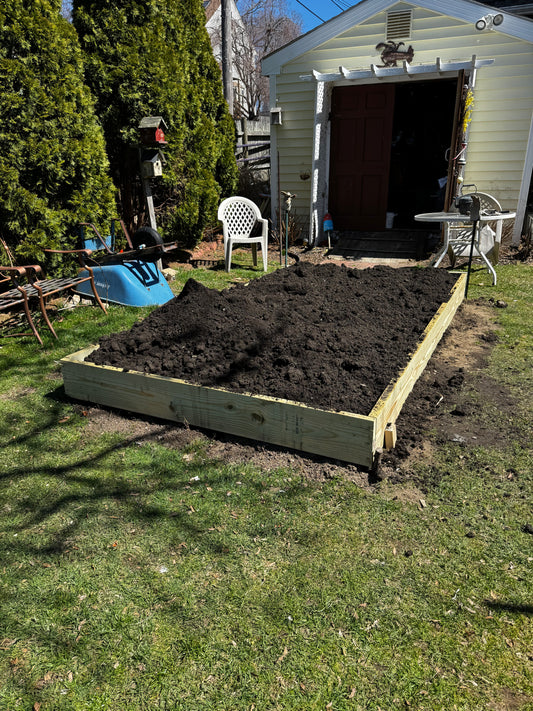
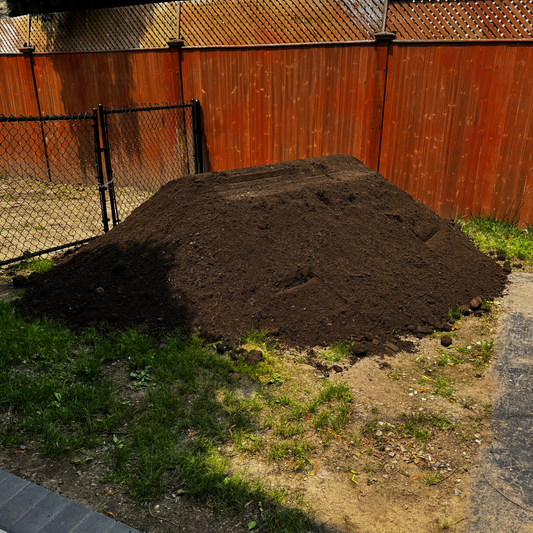
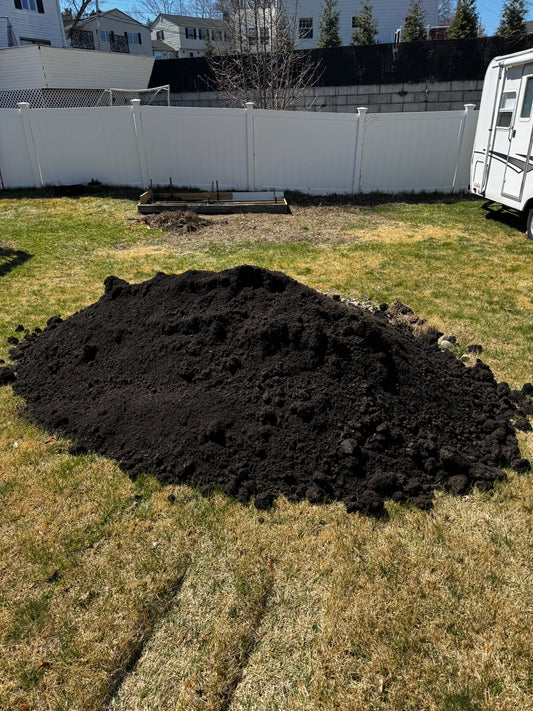
Spread 1 inch of finished compost across the bed surface. This is the slow-release nutrient layer for spring. Don't till it in — just lay it on top. Earthworms and freeze-thaw cycles work it down through the winter.
A 4'×8' Waltham raised bed wants about 2.5 cubic feet of compost at 1 inch depth. Bulk pricing on the Ottr Compost product beats bagged for anything over 1.5 cubic yards.
Step 3 — Mulch with Shredded Leaves
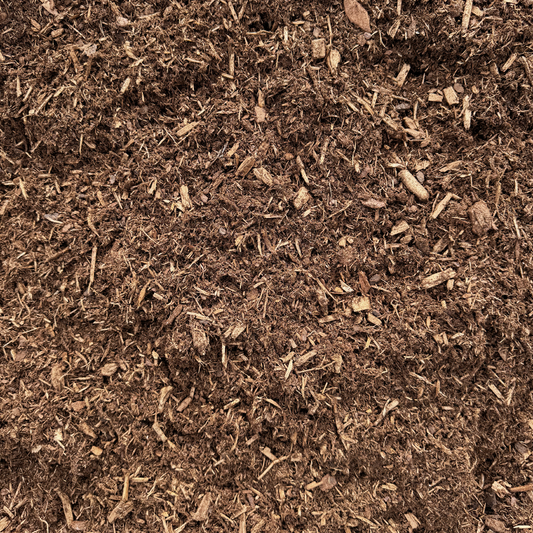
Run a mulching mower over fallen leaves until they're nickel-sized or smaller. Whole leaves mat down and shed water — shredded leaves break down through the winter and feed the soil.
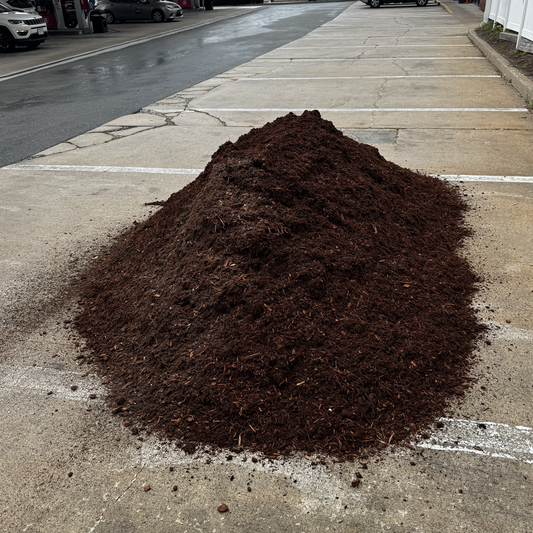
Lay shredded leaves 3–4 inches deep across the compost. This is the insulation layer — it holds soil temperature 5–10°F warmer than uncovered ground in January and prevents the freeze-thaw heaving that snaps fall-planted garlic and over-wintering perennials.
For more on shredded-leaf use, see 5 Ways to Shred Leaves in a Arlington Yard.
Step 4 — Anchor the Cover
Stretch burlap or frost cloth (Agribon-19 or similar) across the bed. Leave 12 inches of overhang on each side. Weight the edges with fist-sized stones, bricks, or 6-inch earth staples every 24 inches. The cover keeps the leaf mulch from blowing away in November nor'easters and adds another 2–4°F of frost protection.
For permanent garden frames, you can run a hoop-house wire frame over the bed and pin the cover to the hoops — easier to peel back in spring.
Step 5 — Tag the Bed for Spring
Mark with a garden flag where any fall-planted garlic or shallots are. The leaf mulch hides the rows; in March you'll want to know where to peel back the cover.
Common Mistakes
- Whole leaves instead of shredded. They mat into a wet, anaerobic blanket that suffocates soil microbes.
- Plastic sheeting instead of burlap. Plastic traps moisture, breeds mold, and creates an anaerobic zone underneath.
- Tilling the compost in. Disturbs winter soil structure. Lay it on top.
- Skipping the cover. A bare-leaf-mulch bed loses 60% of its leaves to wind by January.
Spring Pull-Off Timing
Pull the cover and shredded leaves back in late March, when the soil hits 45°F at 4 inches deep. The compost layer is partially incorporated; work it in lightly and plant cool-season crops within 7 days.
For the full Waltham raised-bed playbook, see How to Layer Soil and Compost in a New Wellesley Raised Bed — same logic applies to Waltham raised beds. For Waltham-specific delivery, see Waltham landscape supply.
The UMass Extension Vegetable Program has season-extension and cover-cropping guidance specific to Massachusetts.