Quick Answer
A Belmont cold frame can extend lettuce, spinach, and chard harvests into late December and back from late February if you site it on the south wall of a garage or fence, line the floor with 2 inches of compost over 4 inches of garden soil mix, and prop the lid open above 50°F. The five practical wins below come from real Belmont yards — what works on the south-facing slopes near Belmont Hill versus the shaded lots near Belmont Center.
Why Belmont Cold Frames Work
Belmont's mature tree canopy and tight lots make full-sun vegetable gardens hard. A cold frame sidesteps that — you only need a 3'×6' patch of south-facing wall to clear the noon-winter sun. November through early February, an unheated cold frame on a Belmont south wall holds soil temperatures 8–15°F warmer than open ground.
For full-bed winter cover guidance, see How to Cover a Waltham Vegetable Garden for Winter. For the broader November task list, see Top 5 November Chores for Norfolk County Backyards.
Tip 1 — Site Against a South-Facing Mass
The single biggest variable is the back wall. A south-facing brick or concrete wall stores noon heat and re-radiates it overnight, lifting the cold frame's low-temp by 5–8°F. A wood fence does about half as well. Open south exposure with no back wall does worst — heat just radiates to sky.
If you've got a Belmont garage with a south wall, that's the prime spot. Failing that, the south side of a fence line works.
Tip 2 — Build the Soil Profile Right
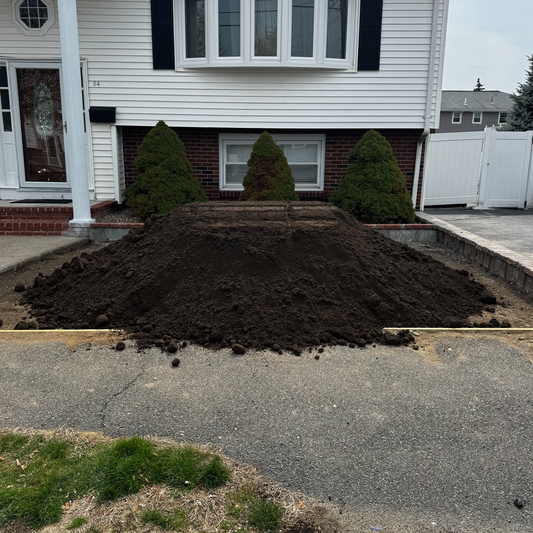
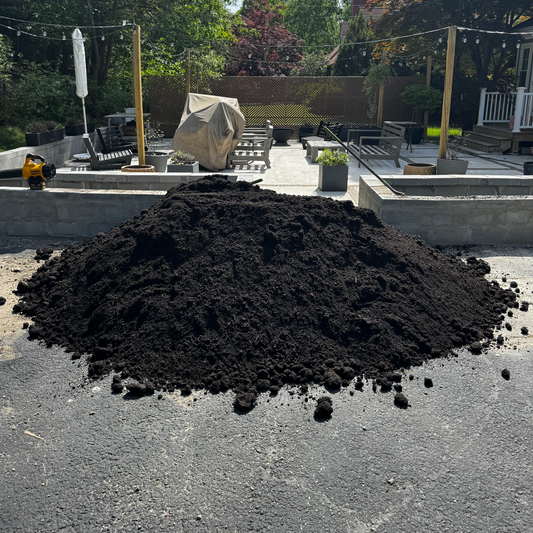
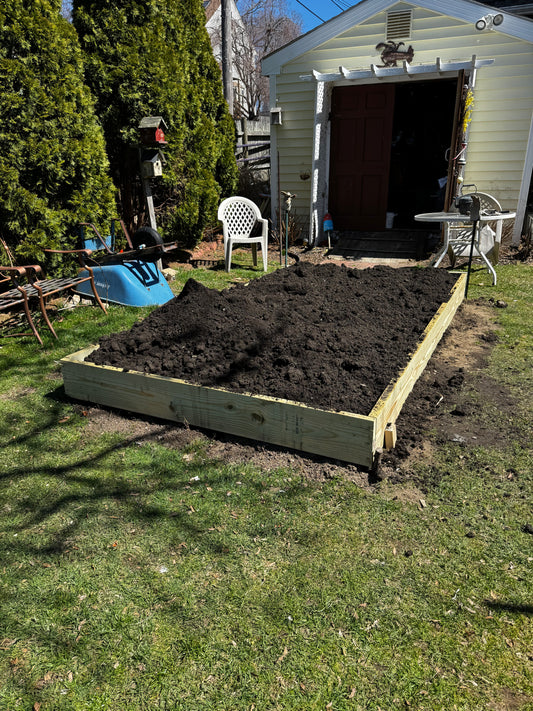
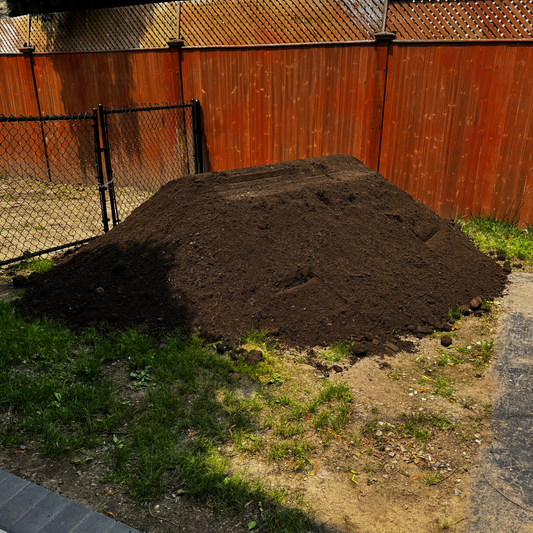
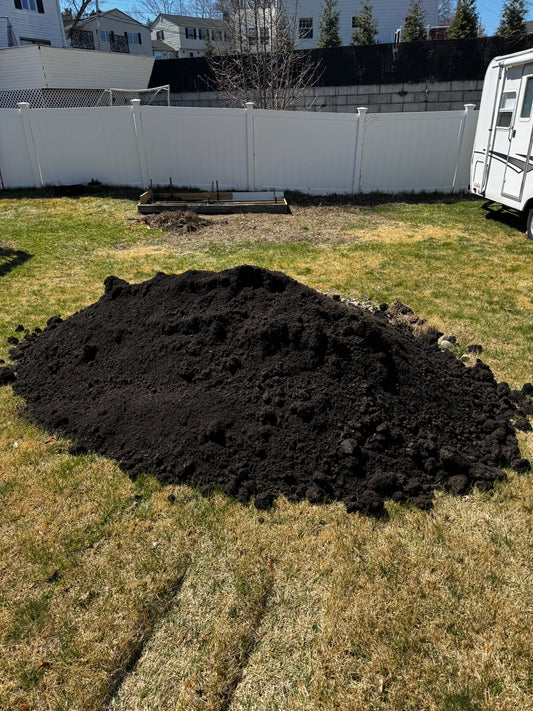
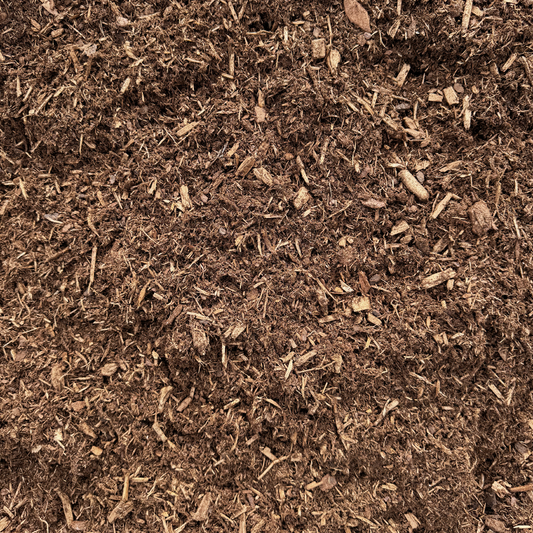
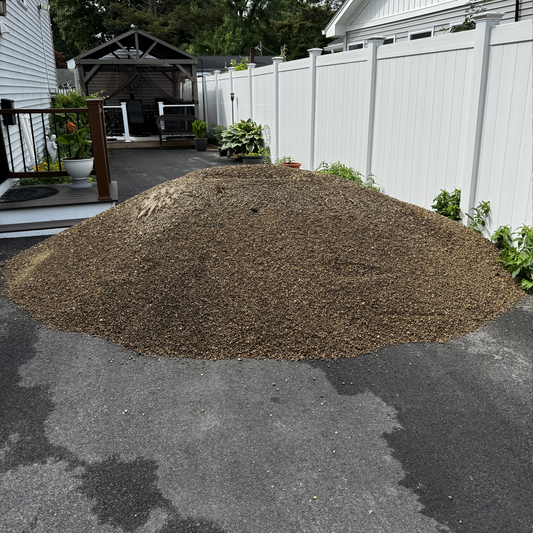
A productive Belmont cold frame floor wants 4 inches of Topsoil Loam ½" Screened over native soil, topped with 2 inches of compost. The screened loam holds moisture; the compost layer warms the root zone via microbial activity. Skip the compost and germination drops 30–40% in November sowings.
For the broader raised-bed soil math, see How to Layer Soil and Compost in a New Wellesley Raised Bed.
Tip 3 — Vent Above 50°F
The single most common Belmont cold-frame failure: cooking the lettuce. Sun on a 45°F afternoon can push interior temps to 85°F if the lid stays sealed. Prop the lid 6 inches open above 50°F, fully open above 65°F. A cheap automatic vent opener with a wax cylinder ($35) handles it for you when you're at work.
Tip 4 — Pick the Right Crops for the Belmont Window
The Belmont cold-frame harvest window runs roughly November 1 through December 20, then again from February 25 through April 15 (the "deep winter" gap is the dormant period when daylight drops below 10 hours). What survives:
- Spinach ('Bloomsdale', 'Tyee') — the workhorse. Will overwinter dormant.
- Mache (corn salad) — the most cold-hardy green for a Belmont winter.
- Claytonia (miner's lettuce) — second-most cold-hardy.
- Arugula — fast turnaround through November.
- Hardy lettuce ('Winter Density', 'Rouge d'Hiver') — needs the cold frame; will not survive uncovered.
The UMass Extension Vegetable Program has the full hardiness chart for cool-season crops.
Tip 5 — Insulate the North Side
For January depth-of-winter use, stack hay bales or rigid foam against the cold frame's north and east walls. This is the difference between a working cold frame in January and a frozen brick. On Belmont's coldest mornings (single digits), bale-insulated cold frames hold 20–25°F at the soil line — survivable for mache and claytonia.
Common Mistakes
- Bottom not insulated. Cold frames lose heat downward into frozen soil. Lay 2 inches of compost — biological warmth — under the seedbed.
- Too tall. A cold frame deeper than 12 inches above the soil line wastes solar gain. Keep the back wall 18 inches max, the front wall 12 inches, sloped down.
- Glass instead of polycarbonate. Twin-wall polycarbonate insulates better and won't shatter on a frozen Tuesday morning.
Belmont Materials Quick List
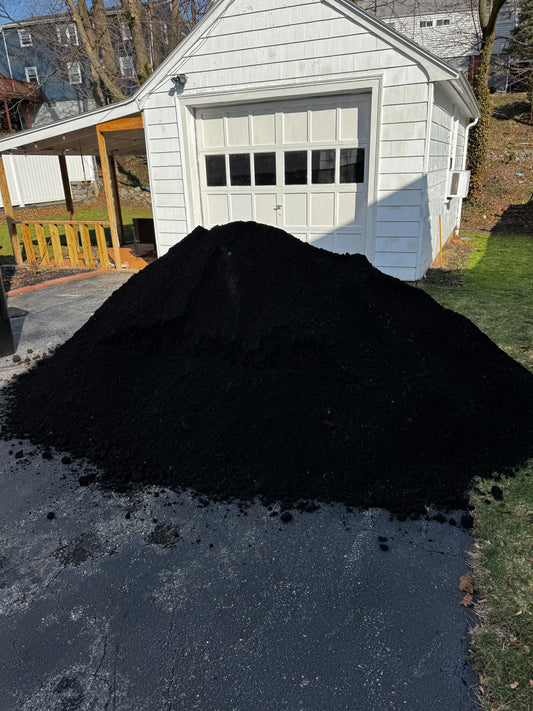
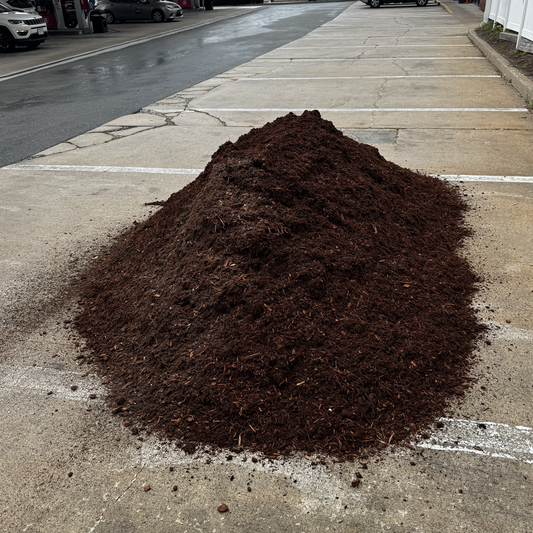
- Garden Soil Mix + Compost (Ottr stocks both by the cubic yard) — see Raised Garden Bed Materials
- Topsoil Loam ½" Screened for the underlayer
- A few cubic feet of mason sand for the lid drainage track
For local Belmont delivery scheduling, see the Belmont landscape supply collection.