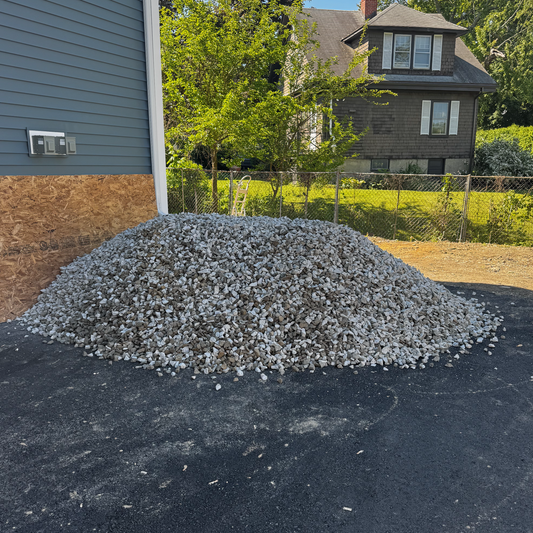
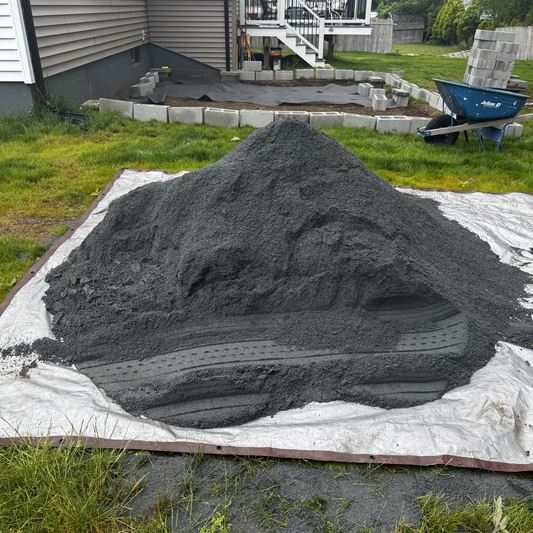
A new account, an expanded parking area, or a route change can make last year’s opening stockpile the wrong number. October is the time to reconcile the route list before loading equipment becomes the daily priority.
For Essex County plow contractors, start with the accounts you expect to service and the material each one needs.
Does the route list match the stockpile plan?
Review each property’s maintained area, service scope, pavement, and access. Identify accounts with unusual hours or sections requiring different equipment.
Keep material types separate in the estimate. Untreated rock salt and 50/50 salt-sand should not be combined into an undifferentiated “yards on hand” total.
Our Seekonk preseason checklist introduces the supply conversation. This October check is about making the inventory match the current route.
What should the October inventory include?
Use one record with these fields:
| Item | Record before the season |
|---|---|
| Product | Exact material name |
| On-hand quantity | Measured or consistently estimated amount |
| Planned opening quantity | Based on route and history |
| Reorder trigger | Quantity remaining when replenishment starts |
| Storage location | Bay or designated area |
| Responsible person | Primary and backup contact |
If previous quantities were estimated visually, use the same method consistently and improve the measurement where practical. Keep units clear.
What should happen before the first loading run?
Inspect storage access, loader condition, spreader operation, and material identification. Confirm that each spreader can handle the selected product.
Check delivery rate when equipment settings or material change. A setting carried over from another blend is not a dependable measurement of what reaches the surface.
For equipment and treatment background, Minnesota’s Smart Salting resources include calibration references. Apply guidance appropriate to the actual equipment and conditions.
How do you keep inventory useful during storms?
Make the record easy to update at the loading point. Log use after each run rather than reconstructing it weeks later from deliveries.
Track orders separately from material physically on site. The crew needs to know what is ready to load, especially during consecutive events or a shift change.
Choose the products for your route from the winter materials collection. Where the work calls for a blended material, go directly to Salt & Sand 50/50 or Salt & Sand 20/80, then size the reserve around your current accounts.
Frequently asked questions
Should I count material ordered as stock on hand?
Keep ordered and physically stored quantities separate so the crew knows what can be loaded.
Can every route use the same material?
Choose according to the property, service plan, equipment, and conditions.
What makes a reorder trigger useful?
It leaves enough material for the work expected while replenishment is arranged. Use actual consumption to refine it.