Quick Answer
The five amendments that fix heavy Boston clay are mature compost, coarse sand, gypsum, leaf mold, and mineral-rich screened loam. Apply in this order: gypsum at 40 lb per 1,000 sq ft for compaction, 2-3 inches of compost worked into the top 6 inches, 1 inch of coarse sand if drainage is severe, then 1 inch of leaf mold or screened loam to top-dress. Boston's older soil profiles - Dorchester, Roxbury, the West End - run heavily compacted from decades of foot traffic and construction fill. Plan two seasons of amendment for severe cases, not one.
The Boston Clay Picture
Boston yards sit on a mix of glacial clay, fill from historic land-making (especially in Back Bay and South End), and post-WWII construction backfill. The result is highly variable soil that often presents as "Boston clay" but is actually a mix of native clay, urban fill, and crushed brick or concrete fragments.
Three Boston soil patterns:
- Dorchester, Roxbury, Mattapan: native clay over glacial till. Heavy, compacted, drains slowly.
- Back Bay, South End, Beacon Hill: historic fill. Variable, often contaminated with old-building debris.
- Allston, Brighton, Charlestown: mixed - clay subsoil with shallow topsoil layer.
The five amendments below work across all three patterns, with notes on Boston-specific application.
1. Mature Compost
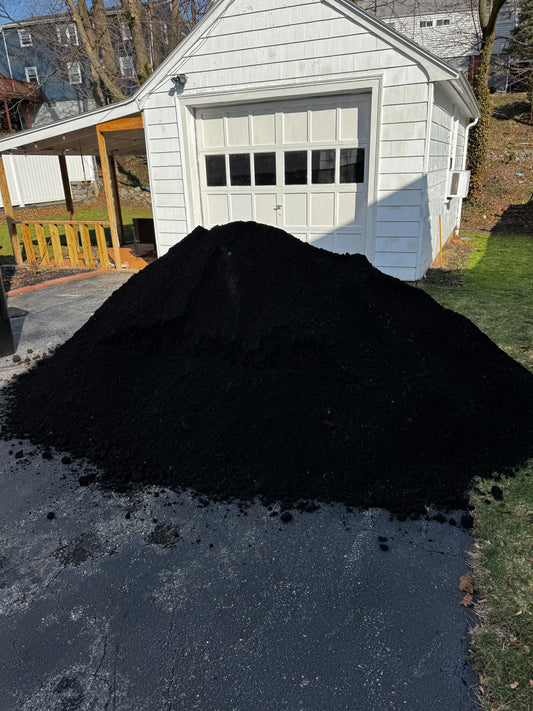
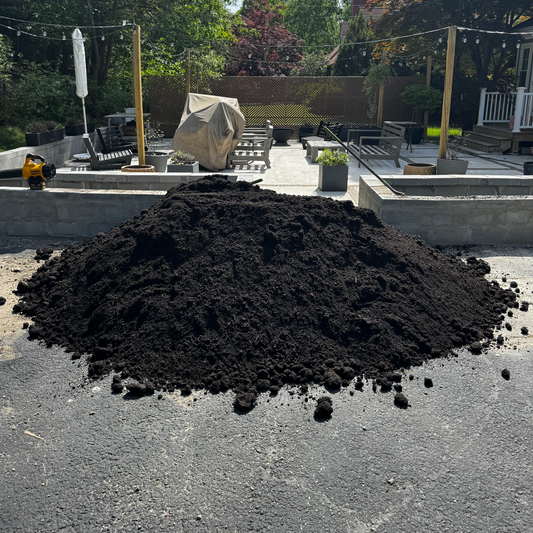
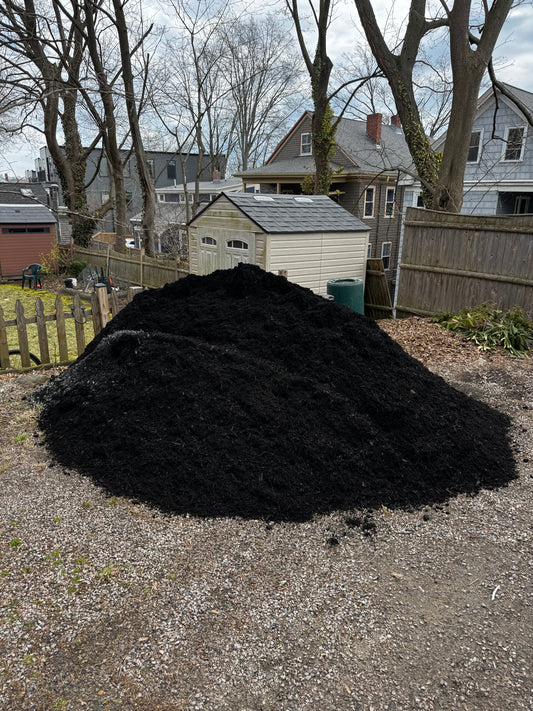
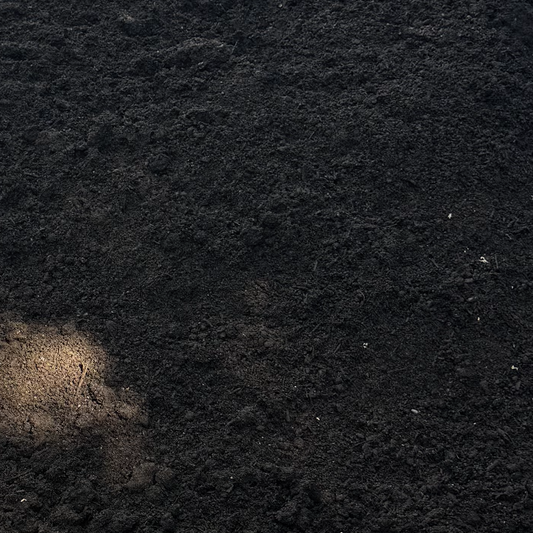
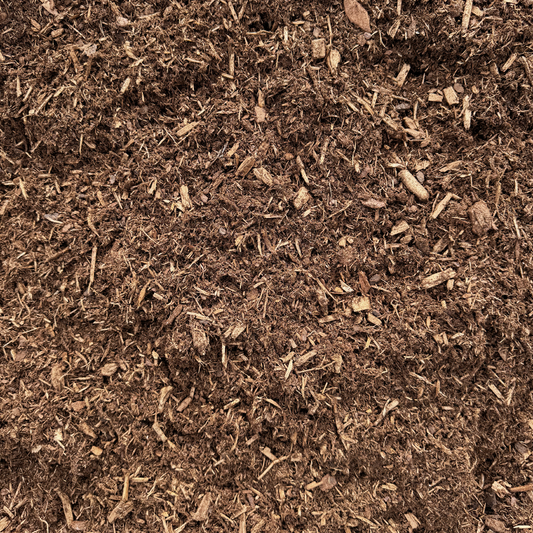
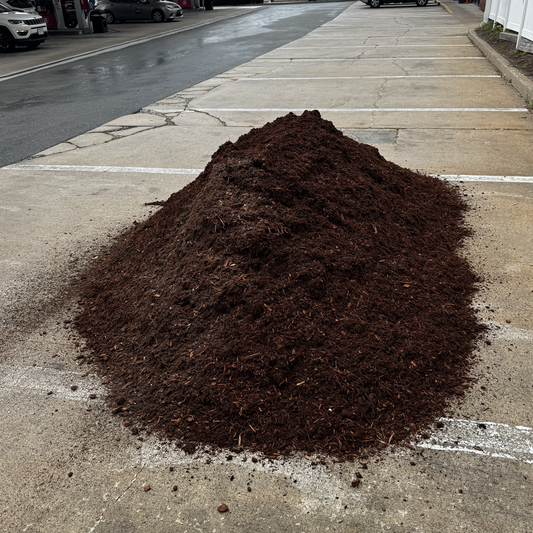
The single most important amendment. Compost adds organic matter, feeds soil microbes, and creates the granular structure clay needs to drain.
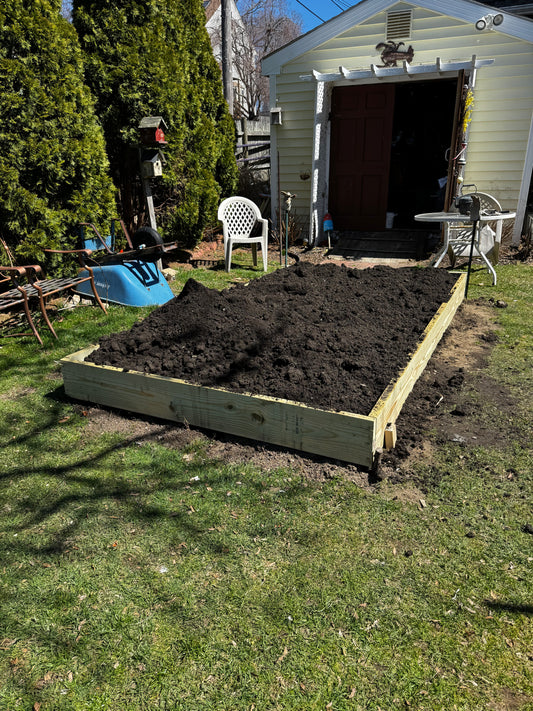
Application rate: 2-3 cubic feet per 100 sq ft (one cubic yard covers 100 sq ft at 3 inches).
Boston-specific note: For Back Bay or South End beds with historic fill, dig down 6 inches and inspect what's there before applying compost. If you find brick fragments, glass, or visible debris, mix in extra compost (3-4 inches instead of 2-3) to compensate for the inert volume.
Where to buy: Browse the raised-garden-bed-materials collection for Ottr Compost. Bulk delivery across Boston is on standard route from our Dispatch Office.
For the related Hyde Park year-one performance review, Ottr Compost for Hyde Park Vegetable Beds: Year-One Notes covers the practical application observations.
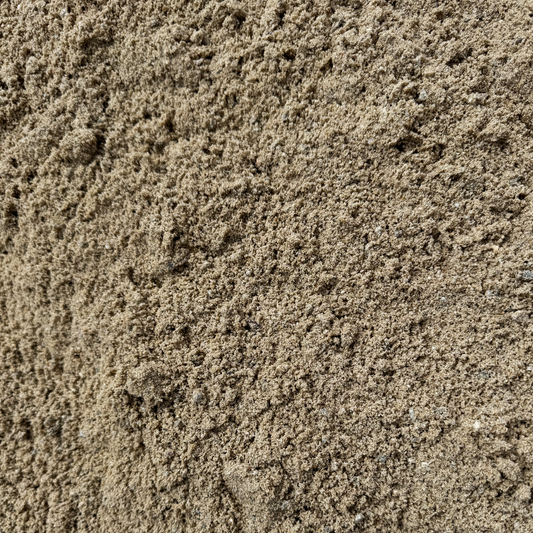
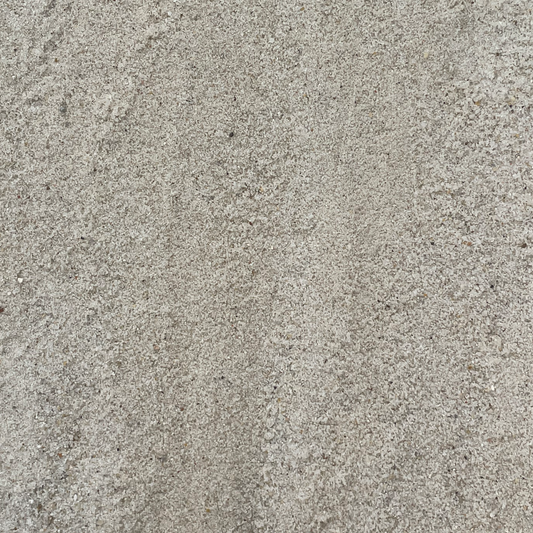
2. Coarse Sand (Concrete Sand or Mason Sand)
Use only when drainage is severe. Sand alone doesn't fix clay; at low rates it can make things worse by creating a concrete-like matrix.
Application rate: 1 inch worked into the top 4-6 inches alongside compost. Below that ratio, skip sand entirely.
Boston-specific note: For Dorchester and Roxbury yards on compacted glacial clay, the sand-and-compost combo is often necessary. For Back Bay and South End, skip sand - the historic fill already has variable particle sizes.
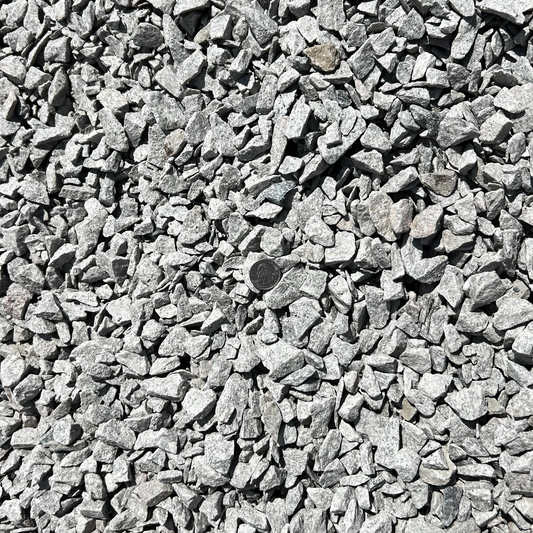
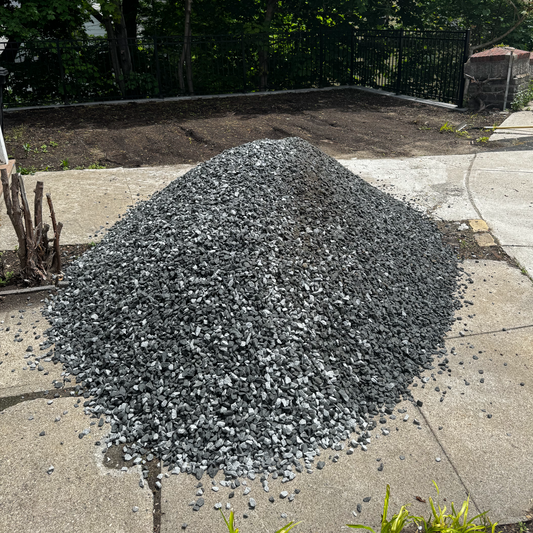
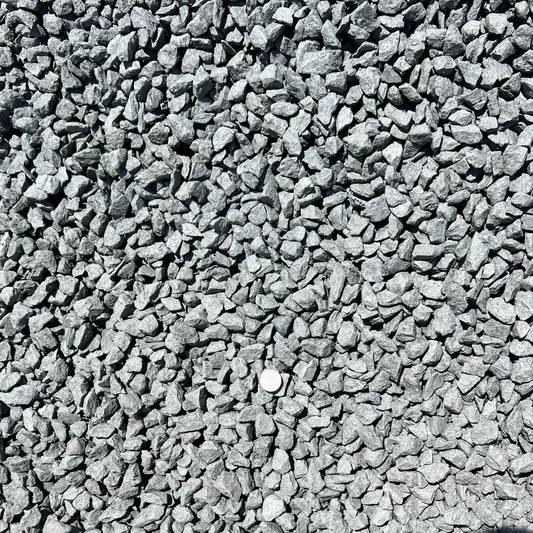
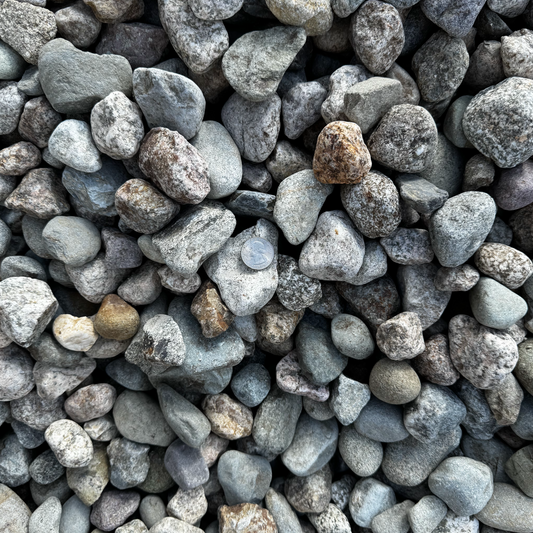
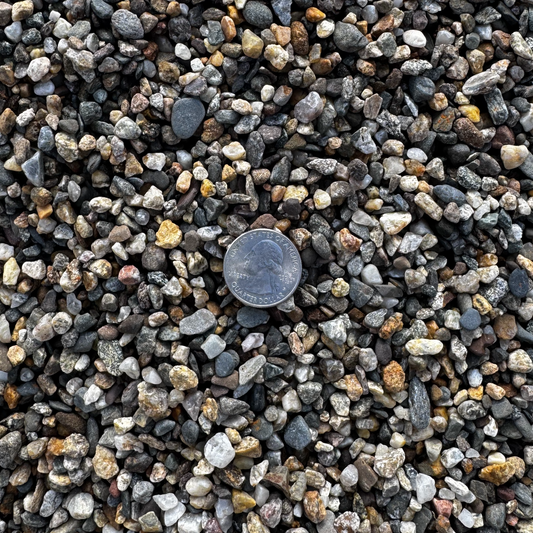
Best product: Mason Sand or Concrete Sand. Skip play sand or fine sand - both compact rather than aerate.
3. Gypsum (Calcium Sulfate)
The compaction reliever. Gypsum displaces sodium ions in compacted clay, letting clay particles separate and drain.
Application rate: 40-50 lb per 1,000 sq ft, broadcast and watered in.
Boston-specific note: Gypsum works particularly well on Boston yards adjacent to busy roads where sodium contamination from road salt has accumulated over decades. Apply in early March, when soil is still moist and freeze-thaw helps work it in.
Where to buy: Garden centers and big-box hardware stores stock pelletized gypsum in 40-lb bags.
Cautions: Test soil pH first via the UMass Soil and Plant Nutrient Testing Lab. If pH is already above 7.0, skip gypsum.
4. Leaf Mold
The slow-and-steady amendment. Leaf mold (well-rotted leaves) builds soil structure faster than compost in clay because the carbon-to-nitrogen ratio matches what clay-bound microbes need.
Application rate: 1-2 inch top-dress, worked lightly into the top 2 inches.
Boston-specific note: Boston's mature street-tree canopy provides abundant leaf material in October. Most Boston homeowners can make leaf mold from last fall's leaves - shred them with a mower, pile them, and they're usable by the following March.
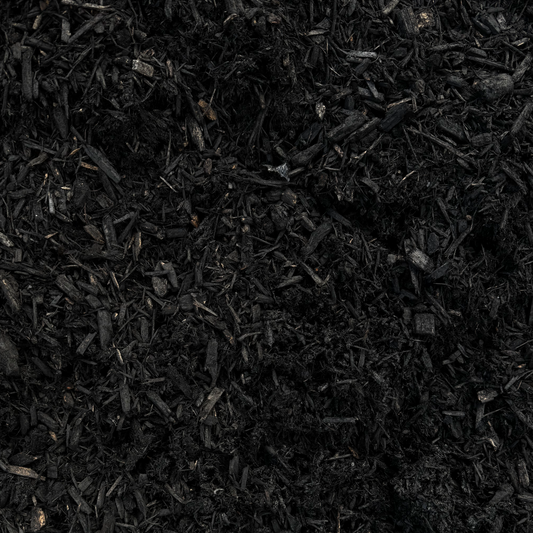
Best product: Homemade is best. If buying, screened compost from a high-leaf-content source works similarly. Ottr Compost is leaf-and-yard-waste based.
5. Mineral-Rich Screened Loam
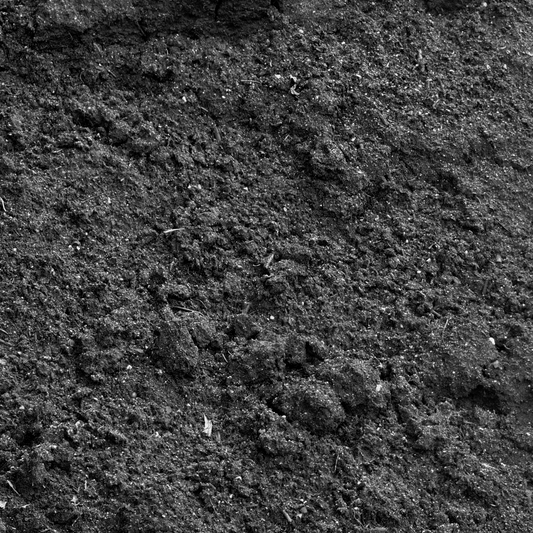
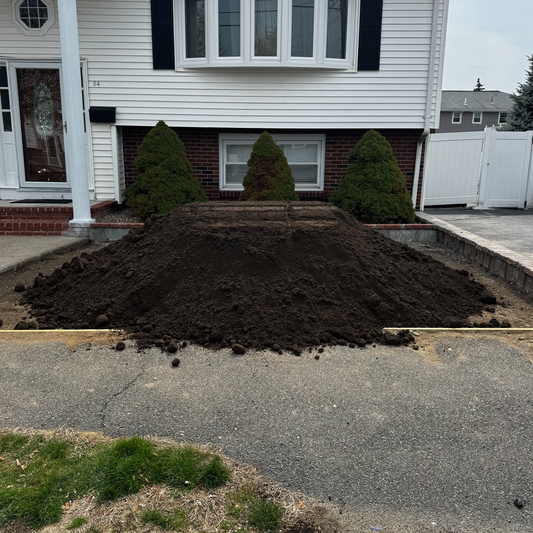
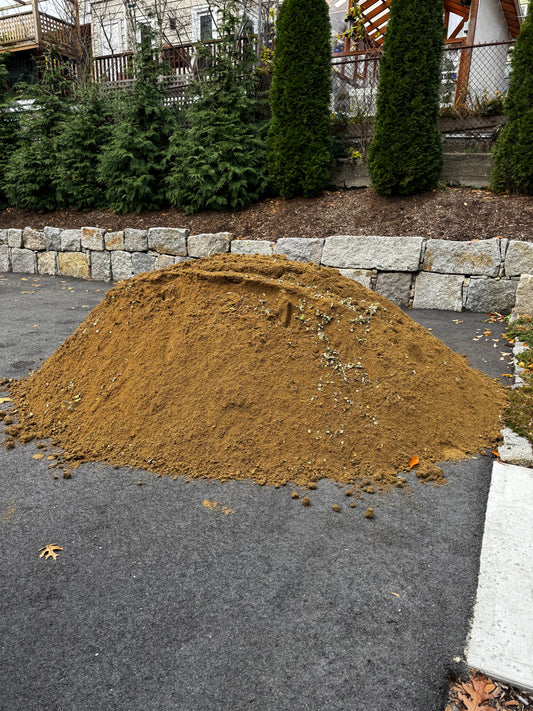
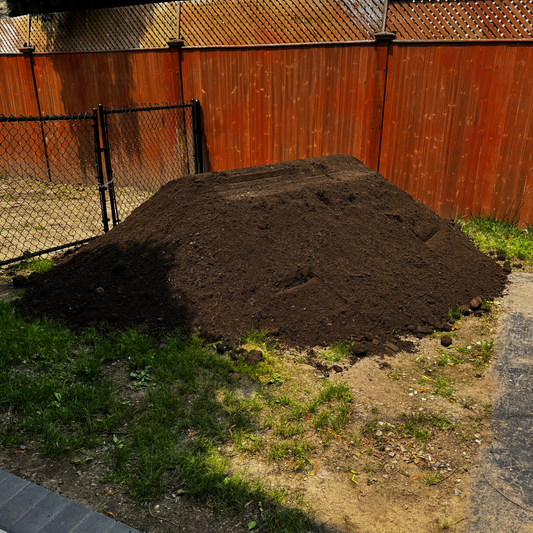
For severe clay where you're starting over. When clay is too compacted for amendments to fix in one season, the right move is to remove the top 4 inches and replace with screened loam mixed with compost.
Application rate: 4 inches of screened loam (mixed 75/25 with compost) over the existing clay subsoil.
Boston-specific note: This is the right approach for Boston brownstone front gardens, narrow side strips along South End and Back Bay rowhouses, and any small bed where amendments alone won't work in available space.
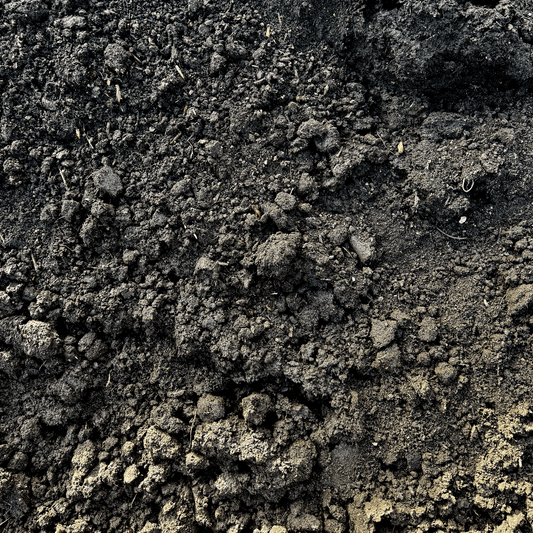
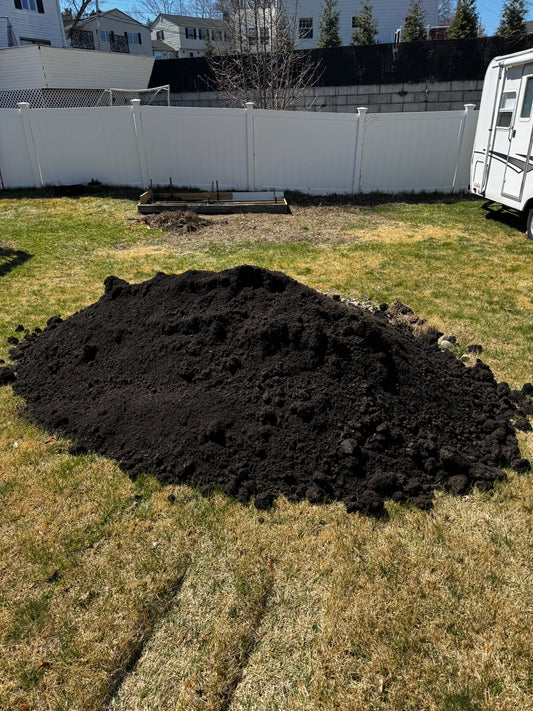
Best product: Topsoil Loam 1/2-inch Screened or Super Loam.
For the broader yardage math when ordering loam, How Many Cubic Yards of Mulch for a Lexington 200 sq ft Bed? covers the volume formula that ports to loam orders.
Application Order Across One Boston Season
For a 200 sq ft Dorchester or Roxbury bed with severe clay:
- March 1-15: Apply gypsum (8 lb for 200 sq ft). Water in.
- March 15-31: Spread 2-3 inches of compost. Work into top 6 inches with garden fork.
- April 1-15: If drainage is severe, work in 1 inch coarse sand alongside the compost.
- April 15-30: Top-dress 1 inch leaf mold or screened compost.
- May 1-15: Plant. Mulch over surface at 2 inches.
For a Back Bay or South End historic-fill bed:
- March 1-15: Dig test holes to 12 inches. Document what's in the soil.
- March 15-31: Remove debris (brick fragments, glass). Apply 3-4 inches compost.
- April 1-15: Top-dress with 2 inches screened loam.
- April 15-30: Plant. Mulch.
What to Skip
- Peat moss: acidifies, doesn't fix structure. Boston soil is already mildly acidic.
- Wood ash: raises pH too fast.
- Coffee grounds in volume: acidify soil, attract pests.
- "Soil conditioner" liquid products: mostly surfactants.
- Fine sand or play sand: compacts.
For the broader regional clay-amendment reference, Top 5 Soil Amendments for Heavy MA Clay covers the universal version.
Boston Clay Two-Season Plan
For severe cases where one season isn't enough:
Year 1: - Spring: Gypsum + 2 in compost + 1 in coarse sand worked in. - Fall: 1 in compost top-dress.
Year 2: - Spring: 1 in compost worked into top 4 in. - Fall: 1 in leaf mold top-dress.
Year 3: Maintenance only. Annual 1-in compost top-dress in spring.
Boston-Specific Outbound Reference
For the broader regional reference on Boston soil management and the historic fill issue, UMass Extension Landscape, Nursery & Urban Forestry is the authoritative source. For frost-and-planting timing in Boston that pairs with bed amendment, the 2026 Boston last frost walk-through covers the spring planting calendar.
Browse the raised-garden-bed-materials collection for current pricing and the Boston landscape supply route for delivery scheduling.
The short version: compost first, gypsum if compacted, sand only if drainage severe, leaf mold to finish, screened loam if starting over. Boston's clay rewards a two-season approach for severe cases.