Quick Answer
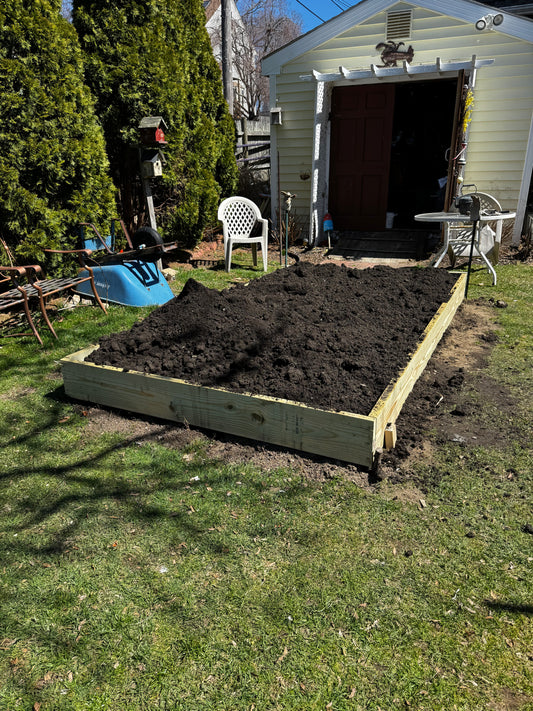
Build the cedar frame in February while the ground's frozen and the lumber yard isn't slammed, so the loam can dump straight into a finished bed in March. A standard 4x8x12" cedar bed needs four 8' 2x12 cedar boards, four 12" 2x4 corner posts, deck screws, and one Saturday afternoon. Cambridge backyards favor 4x8 over bigger beds — the narrow lots and 36" side gates make smaller frames easier to wrestle into place.
Why February Is the Right Build Month in Cambridge
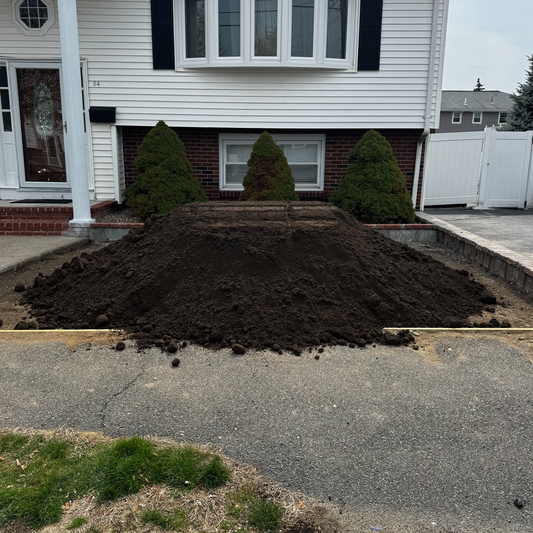
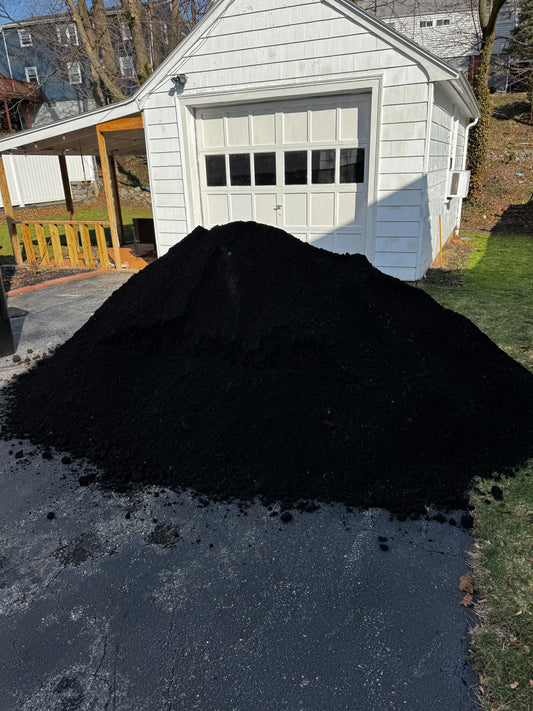
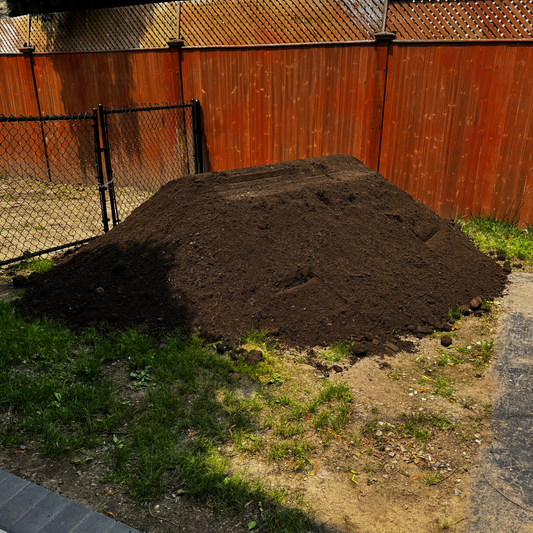
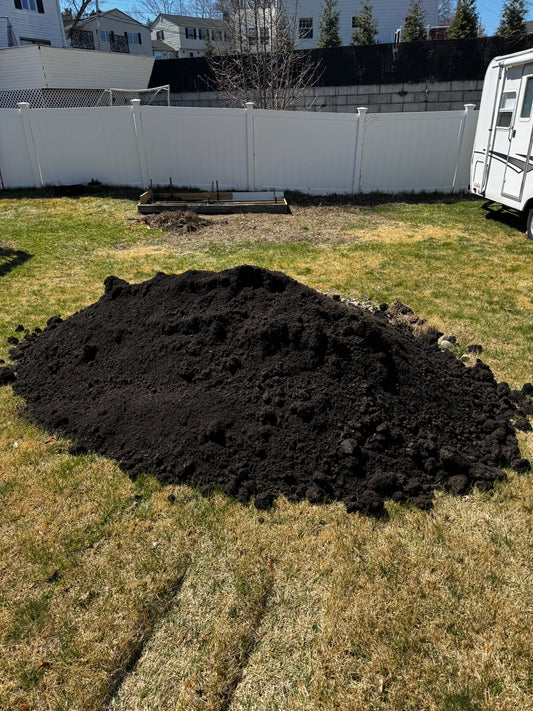
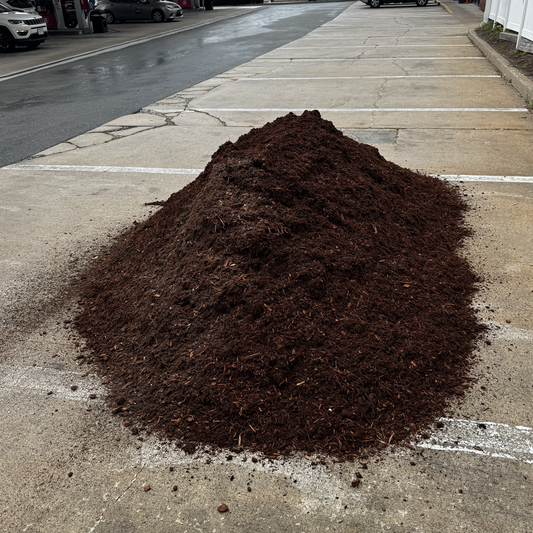
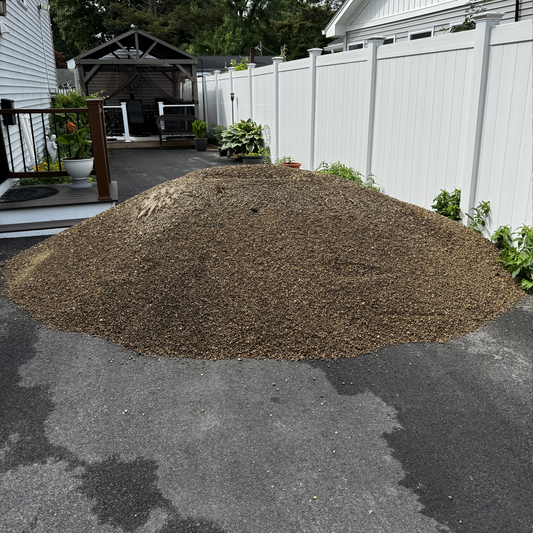
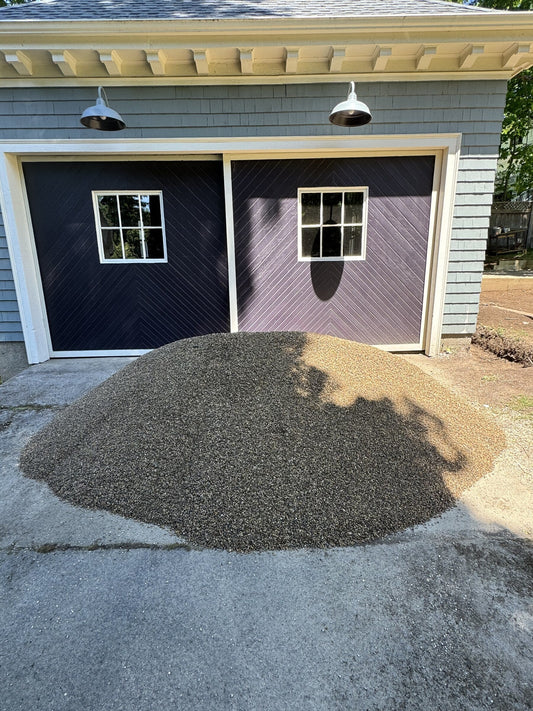
Three reasons. First, lumber availability is best in February. Cedar 2x12s get scarce by mid-March when every Cambridge homeowner walks into the same lumber yard. Order or pick up now and you actually get the wood you want. Second, your driveway is empty — no plants in the way, no kids' bikes, no patio furniture. The garage door swings open and you have room to cut. Third, the loam delivery in early March drops into a finished bed, not onto a tarp where it sits and compacts while you build (see How to Order a Yard of Loam for a Watertown Raised Bed Build for the order timing — same logic for Cambridge).
The bed waits for the soil. The soil shouldn't wait for the bed.
The Cambridge-Sized Bed: 4x8x12"
Cambridge backyards run small. The triple-decker yards in Riverside and Cambridgeport rarely accommodate the 4x12 beds you see in Concord or Lincoln. The right size for most Cambridge lots:
- 4 feet wide — reach the center from either side without stepping in
- 8 feet long — fits standard 8-foot lumber with zero cuts on the long sides
- 12 inches deep — enough soil for tomatoes, peppers, lettuce, herbs
Going deeper to 18" doubles your loam order with marginal yield gains for most vegetables. Save the 18" depth for a single dedicated root-vegetable bed.
The Cut List
For one 4x8x12" bed in untreated cedar:
- (2) 2x12 x 8' — long sides, no cuts
- (2) 2x12 x 4' — short sides, cut from a single 8' board
- (4) 2x4 x 12" — corner posts, cut from one 8' 2x4
- (32) 3" exterior-grade deck screws
- (1) tube of construction adhesive (optional, doubles the lifespan)
Total lumber: roughly 3 boards plus the 2x4. Cedar is the right wood — it resists rot for 8–12 years untreated, doesn't leach anything into vegetables, and ages to a silver-gray that looks deliberate in a Cambridge yard.
Assembly: One Afternoon
- Cut the short sides — 4' lengths from one 8' 2x12, leaving a clean square edge.
- Cut the four corner posts — 12" lengths of 2x4, square-cut.
- Pre-drill the screw holes through the long-side boards into where the corner posts will sit. Cedar splits if you don't pre-drill.
- Attach corner posts to the short sides first — flush at the top, sticking down 2 inches below the board (those tabs anchor into the soil).
- Stand the two short ends up, set them parallel, and screw the long sides on through the corner posts.
- Square the frame by measuring corner-to-corner diagonals — they should match. Adjust if off.
- Place the finished frame where it'll live before filling. Once loam goes in, it doesn't move.
A second person speeds it up but isn't required. Solo build, maybe 3 hours including measuring twice.
Site Prep While the Frame Cures
Once the frame is built, prep the site so it's ready when the loam shows up. Mark the bed footprint, remove any sod (a half-moon edger works), and lay a layer of cardboard at the bottom — it suppresses weeds for the first season and breaks down by year two. The Native Plant Trust and UMass Extension Vegetable Program both recommend cardboard over landscape fabric for vegetable beds; fabric blocks earthworm migration and traps roots.
For loam layering once the bed is filled — the order of loam, compost, and mulch matters — see How to Layer a Somerville Raised Bed. For a one-weekend full build start-to-finish in a similar-sized bed, see How to Build a 4x8 Raised Bed in a Watertown Backyard.
What Goes In Once the Frame Is Done
Order the loam-compost mix from Raised Garden Bed Materials for a March delivery window. Plan on 1.2 cubic yards per 4x8 bed at 12" deep — round up to 1.5 to cover settling.
Cambridge gardeners who get the cedar built in February skip the spring scramble. The bed waits, the lumber is dry and seasoned, and when the loam truck pulls up to the curb on a March Saturday, the soil goes straight into a finished frame — no extra handling, no stained driveway tarp.