Quick Answer
Essex County's coastal-influenced soils warm slightly later than inland Plymouth or Worcester counties. Apply pre-emergent when soil temperature at 4 inches deep hits 50°F for 4 consecutive days — typically April 10 to April 22 in Salem, Beverly, Gloucester, and the inland Andover-Haverhill belt. Apply at the bag rate using a broadcast spreader, water in with 0.25 inch of irrigation within 24 hours, and skip any patches you plan to reseed.
Why Essex County Runs a Week Behind Brockton
The Atlantic moderates Essex County temperatures through April. Salem and Gloucester soils at 4-inch depth often sit 3 to 5 degrees cooler than equivalent dates in Brockton or Bridgewater. The application window opens later — and it stays open about a week longer because the soil warms more gradually. The UMass Extension Turf Program GreenCast portal has the Newburyport monitoring station that gives the closest read for inland Essex County.
For the Brockton timing comparison, see the How to Apply Pre-Emergent in a Brockton Lawn walkthrough — same procedure, earlier window.
What You Need
- Pre-emergent herbicide — prodiamine for 16-week residual control or corn gluten meal for an organic option
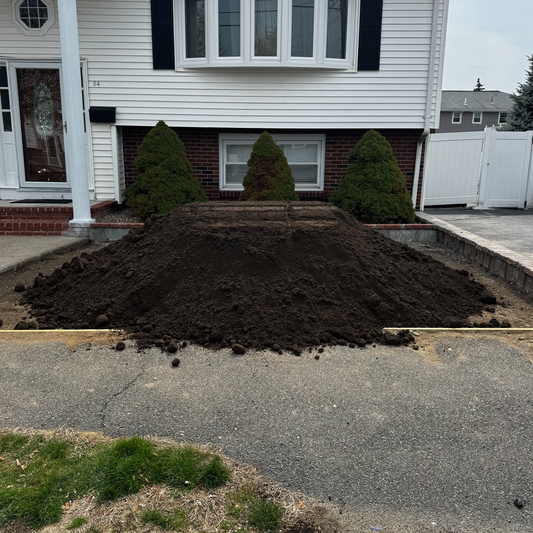
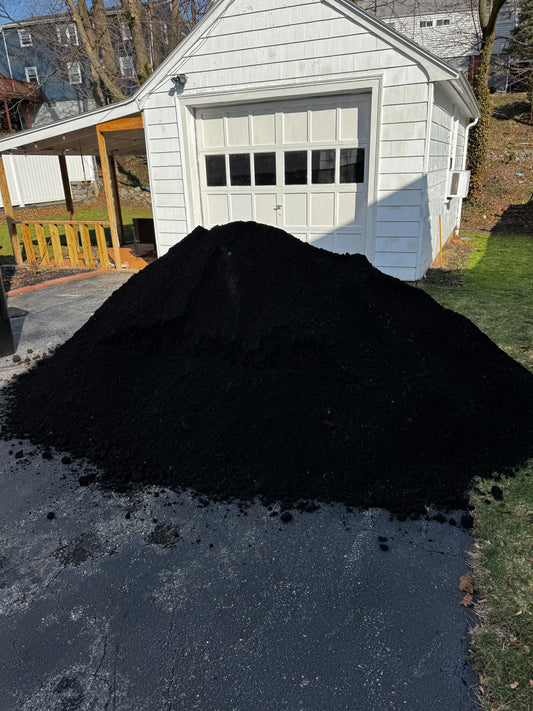
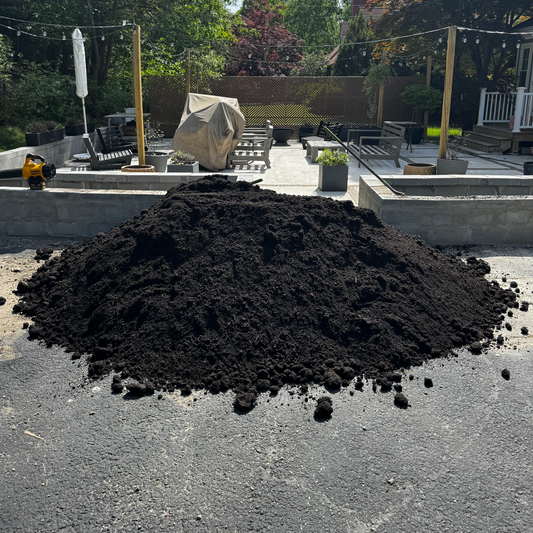
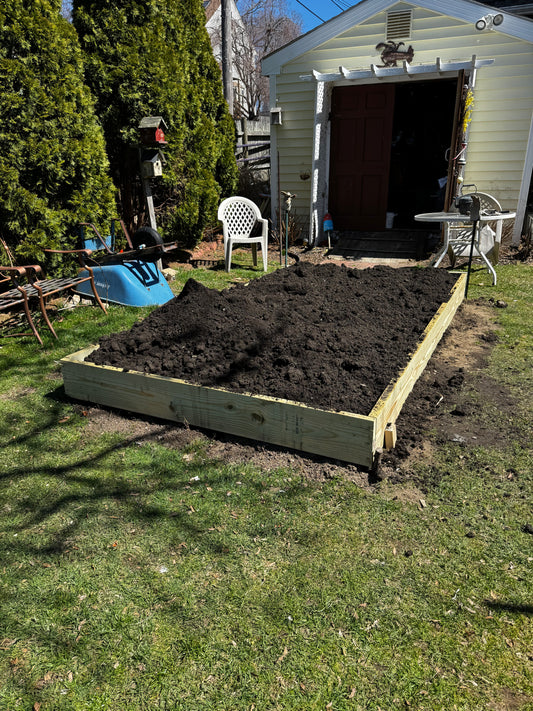
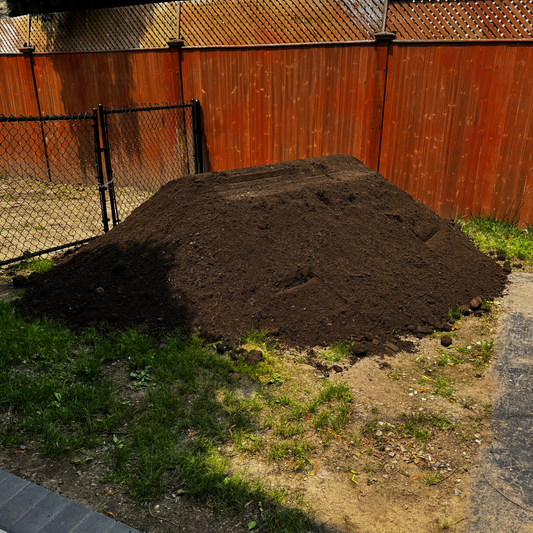
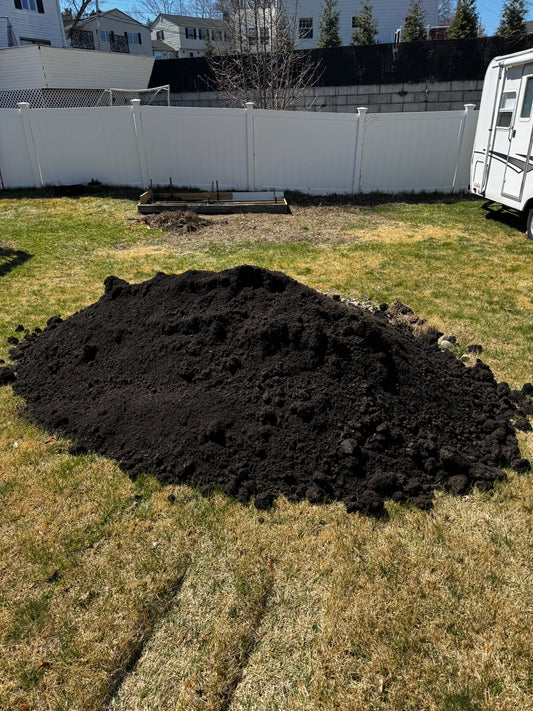
- Topsoil Loam ½" Screened for any bare patches that need leveling and seeding before application — see collections/lawn-leveling-repair
- A broadcast spreader
Tools
Broadcast spreader, soil thermometer, garden hose with sprinkler, gloves, eye protection.
Step 1: Check Soil Temperature (10 minutes)
Push a soil thermometer 4 inches deep at the front, back, and side yards. Read all three. Coastal Essex (Salem, Beverly, Marblehead) typically hits the 50°F threshold around April 12. Inland Essex (Andover, Haverhill, Methuen) hits it around April 8 — the same window as Worcester County.
Step 2: Repair Bare Spots First (30 minutes)
Pre-emergent blocks all grass seed germination. Identify bare patches from snow plow damage, salt burn, or shade thinning. Top-dress with Topsoil Loam ½" Screened, seed those zones now, mark with garden flags, and skip them during pre-emergent application.
Step 3: Calibrate the Spreader (10 minutes)
Match the bag's recommended setting for your spreader. If your model isn't listed, set to medium and apply a test pass over 100 square feet of bare driveway.
Step 4: Apply in a Cross-Pattern (45 minutes)
Apply at half the labeled rate going north-south, then the other half east-west. The cross-pattern eliminates streaking. Skip the seeded patches.
For a coastal Essex front yard with native plantings, see the 5 Native MA Plants for a Middlesex County Front Yard read — same plant choices apply along the North Shore.
Step 5: Water In Within 24 Hours (15 minutes)
Activate the pre-emergent with 0.25 inch of irrigation within 24 hours. On a coastal Essex lawn, an overnight fog or light drizzle does NOT count — you need genuine rain or sprinkler watering to bind the granules to the soil. Run rotary heads for 30 minutes.
Step 6: Plan the Split Application (5 minutes)
In Essex County, the longer cool window means a single April application typically covers crabgrass through late July. If you have heavy historic crabgrass pressure on a south-facing front yard, plan a split: half in mid-April, half in late May.
For a Q&A on what stone goes under various Essex County hardscape projects that often get retrofit after lawn renovation, see the upcoming What Stone Goes Under Cohasset Stepping Stones? read on April 21. The 2026 follow-up on the fire-pit pad work that pairs with these lawn renovations is the 2026 fire pit Duxbury read.
What This Means for You
Two hours, one bag of pre-emergent, the right window for Essex County's coastal-cooled soils, and a North Shore lawn that doesn't yellow with crabgrass by July. Order Topsoil Loam through the Ottr catalog for any patch repair you need before the application.