Residents experience the whole route from the street to their door. A well-stocked salt bay is useful, but it does not remove a pothole beside a parking space or fix a downspout that sends water across the path.
For a Middlesex County apartment property, October is the time to connect material purchasing with the rest of the winter work.
1. Where does water stay after rain?
Mark low spots near entrances, parking rows, and pedestrian crossings. Identify runoff from roofs or uphill surfaces. Assign repairs to the right contractor before winter treatment is expected to manage the same spot repeatedly.
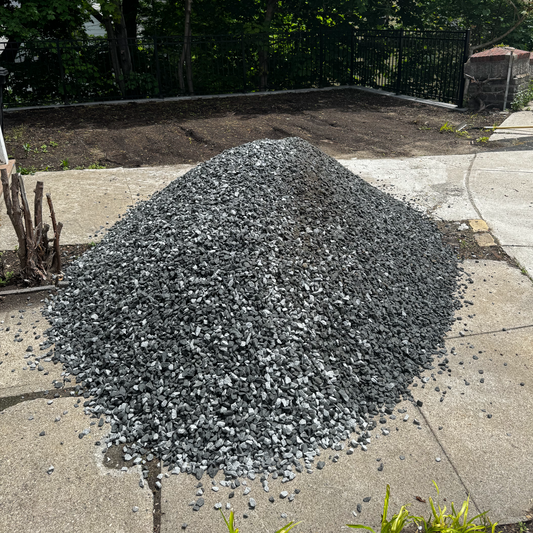
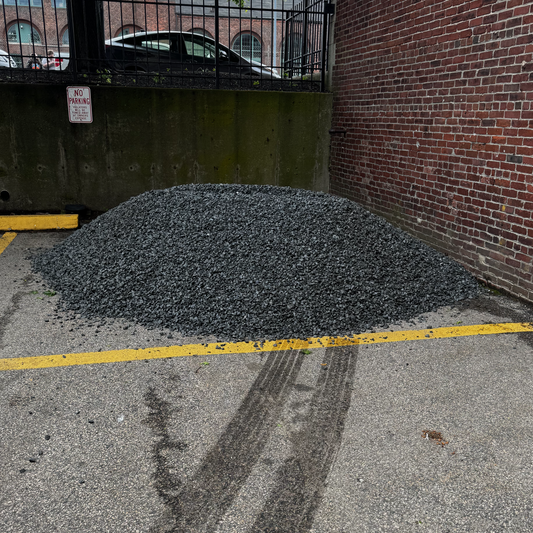
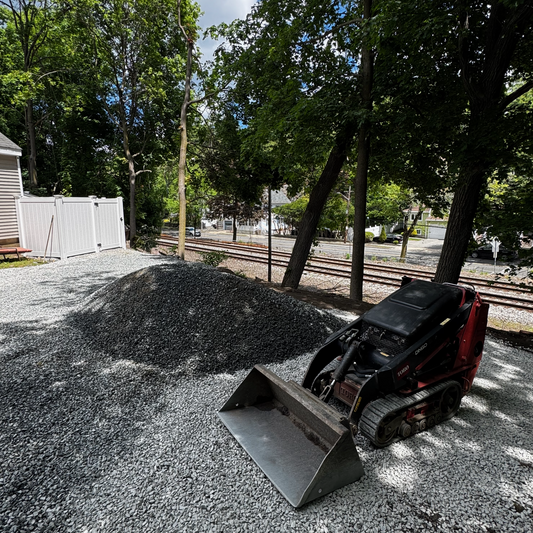
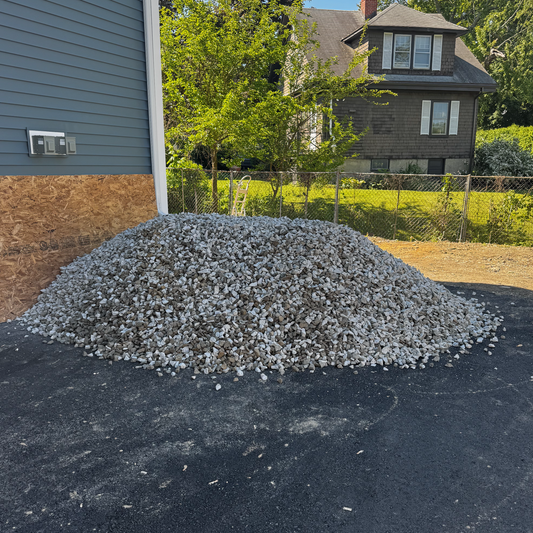
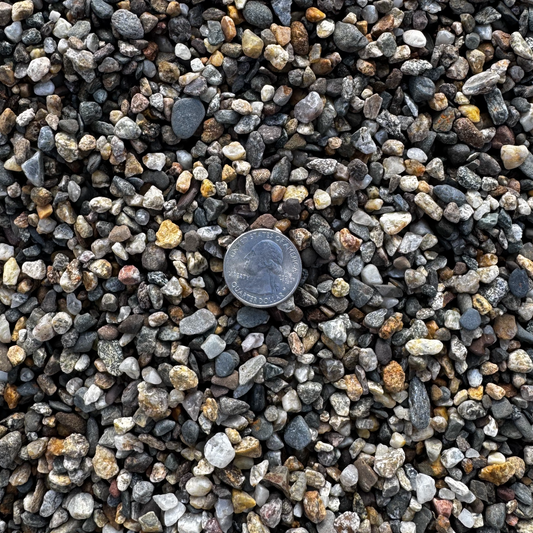
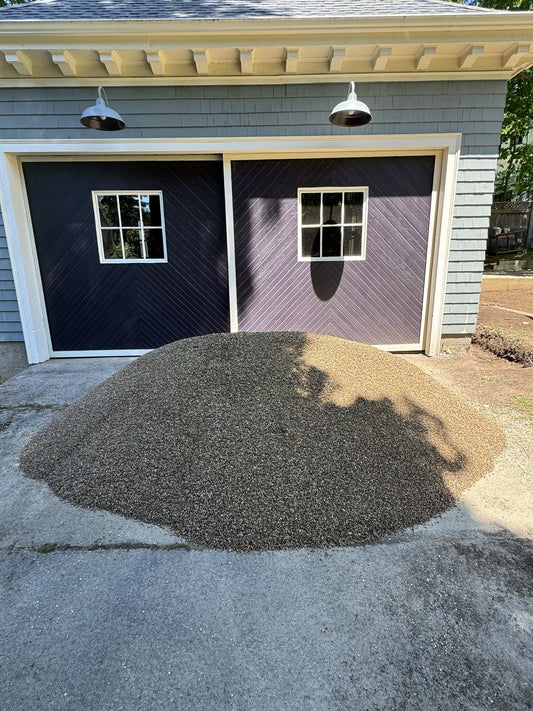
For gravel areas, browse driveway gravel. Paved failures require an appropriate pavement repair, not a loose stone top-up.
2. Are walking transitions firm and even?
Inspect curb transitions, stair approaches, path edges, and the route from accessible parking. Include these areas in the maintenance map so they do not fall between the plowing and building teams.
Walk the property with the people responsible for daily inspections. A problem visible in daylight may be harder to see during an early shift.
3. Can staff reach every treatment area?
Check gate access, parked-car restrictions, equipment width, and where snow will be stored. A spreader cannot serve a route that becomes blocked by the first plow pile.
Identify the places requiring different equipment or hand work. Keep pedestrian movement away from active loaders and unloading operations.
4. Is the stockpile in a workable place?
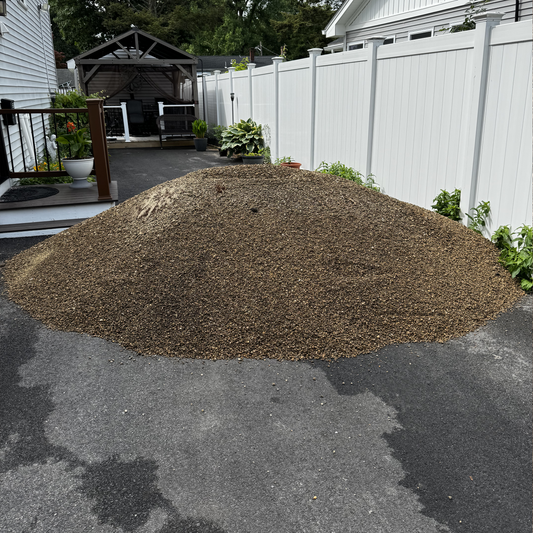
The reserve needs protected storage and access that remains clear. Do not consume a required parking or emergency route with an improvised pile.
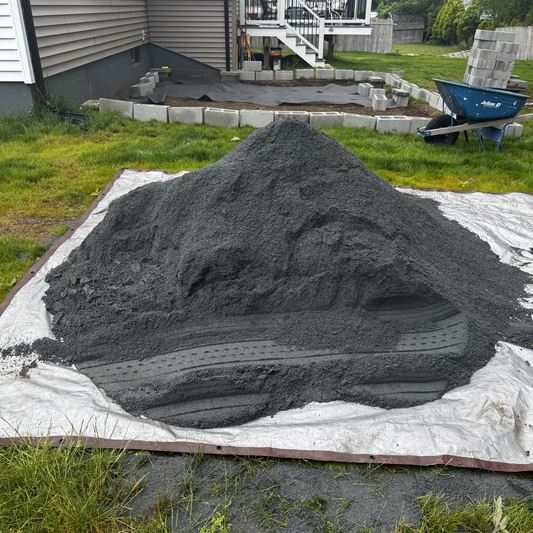
Choose the material first: rock salt and 50/50 salt-sand fit different plans. Estimate each product separately and identify the pile.
5. Does someone own the refill decision?
Name the person who checks stock, records use, and starts replenishment. Include a backup for weekends and staff absences.
For larger purchasing decisions, our 100-yard apartment planning article separates a seasonal allowance from the opening stockpile. A large number is useful only when the site can store and manage it.
Follow National Weather Service Boston for changing conditions. Then shop the winter material collection with the property plan in hand. The goal is a maintained route residents can use, supported by the right product and a crew that knows its responsibilities.
Frequently asked questions
Will salt fill a parking-lot pothole?
No. Repair the surface with the appropriate method and material before winter.
Should we plan snow storage before ordering salt?
Yes. Make sure the stockpile, equipment, parking, and snow storage can all work together.
Does a large stockpile replace inspections?
No. Staff still need to check conditions and respond throughout the event.