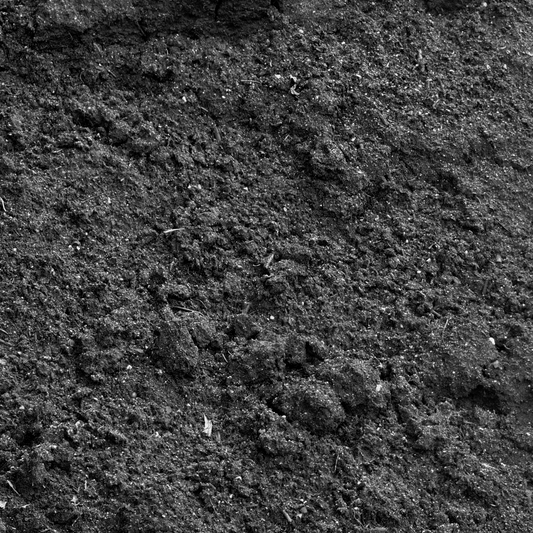
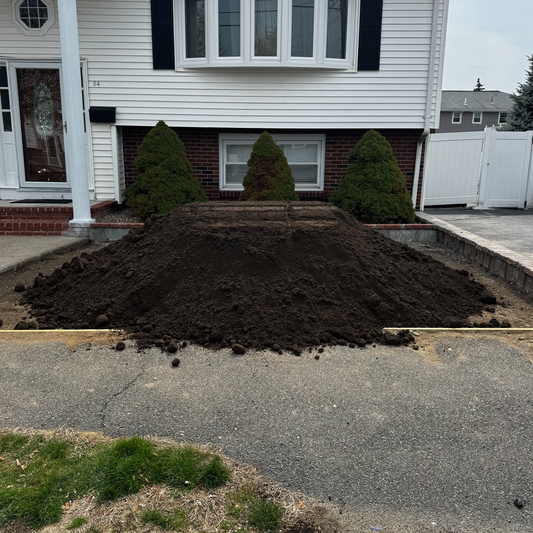
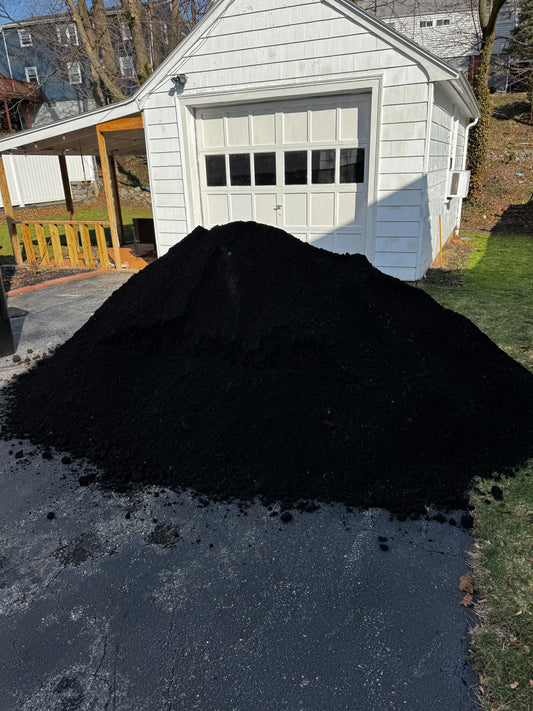
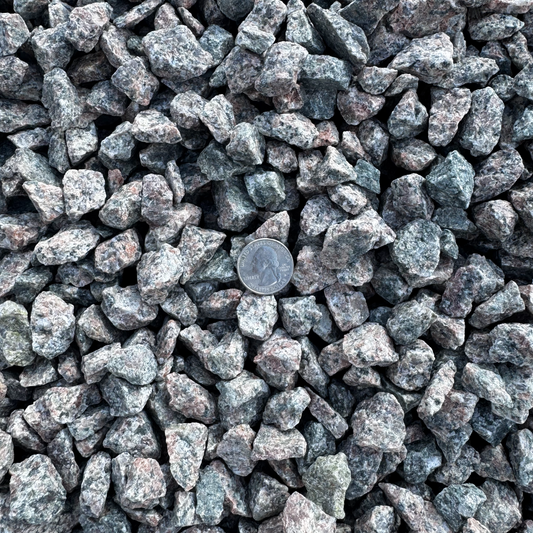
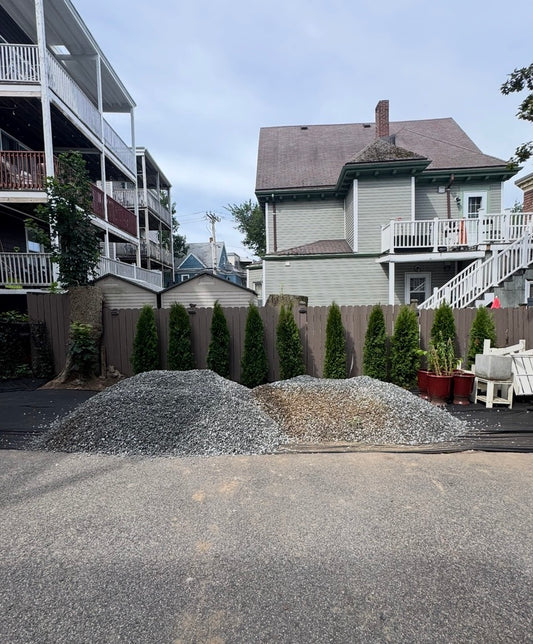
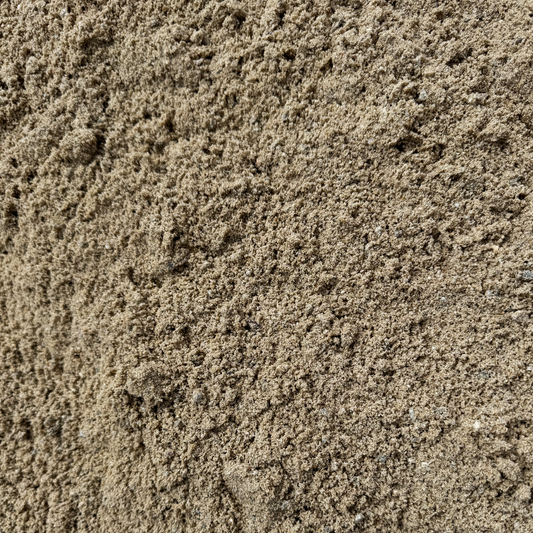
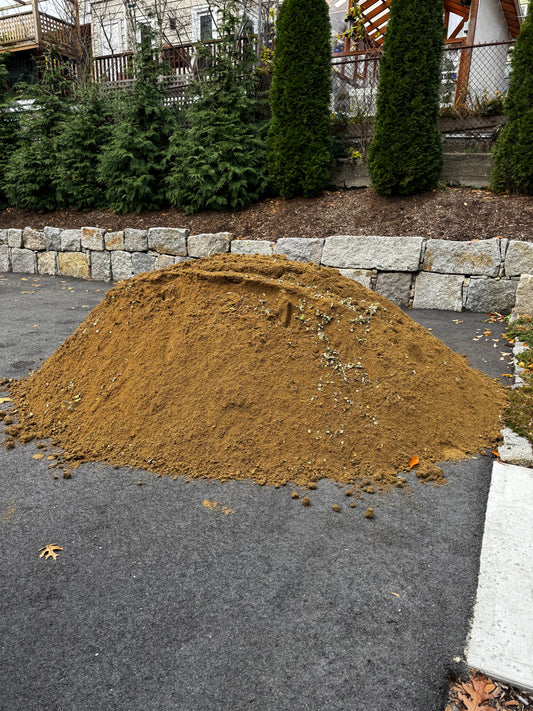
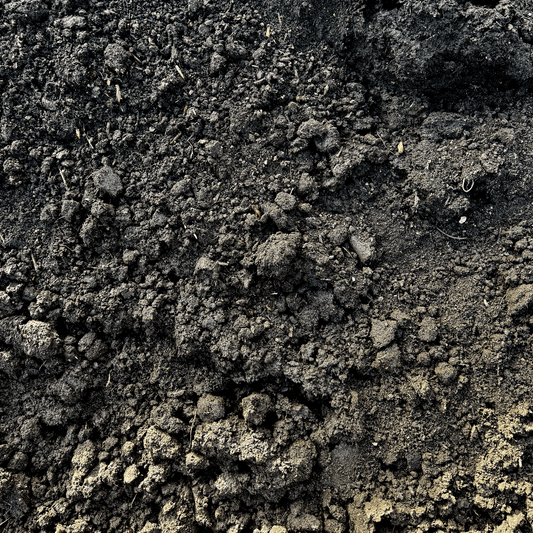
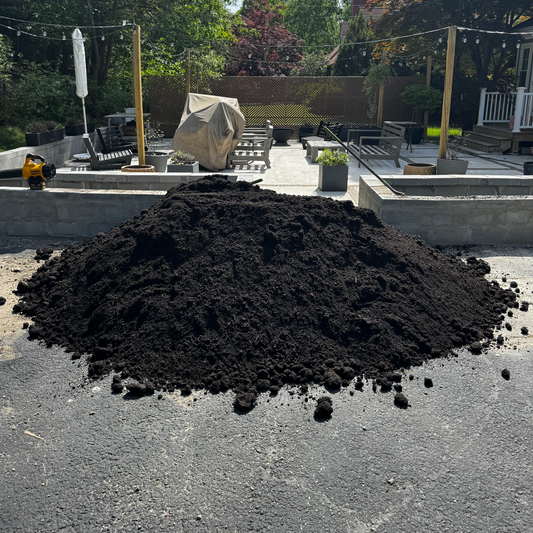
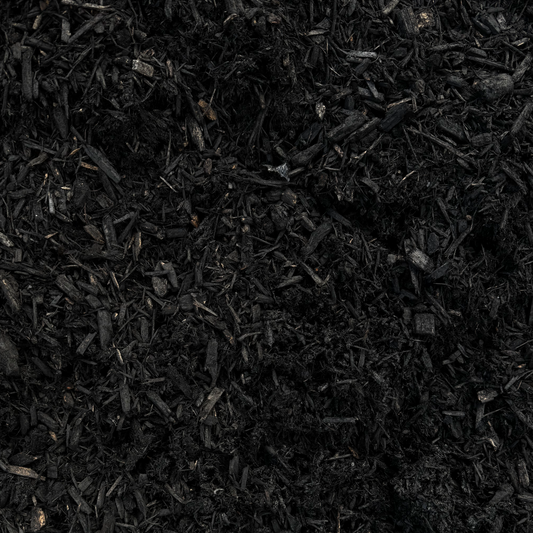
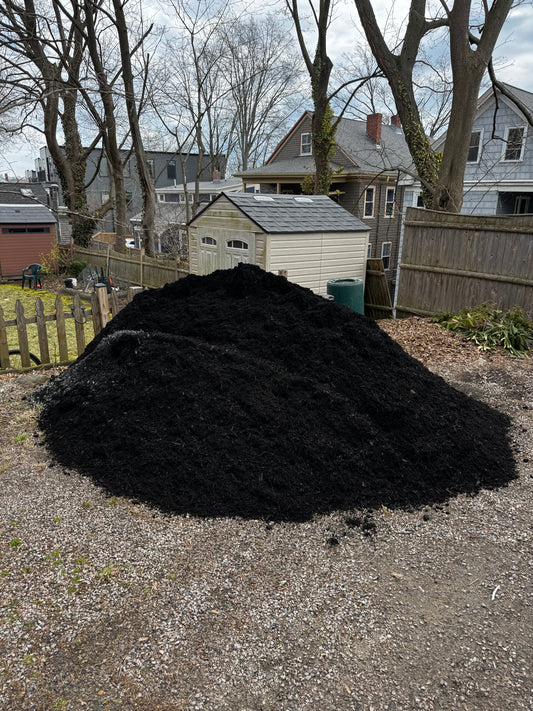
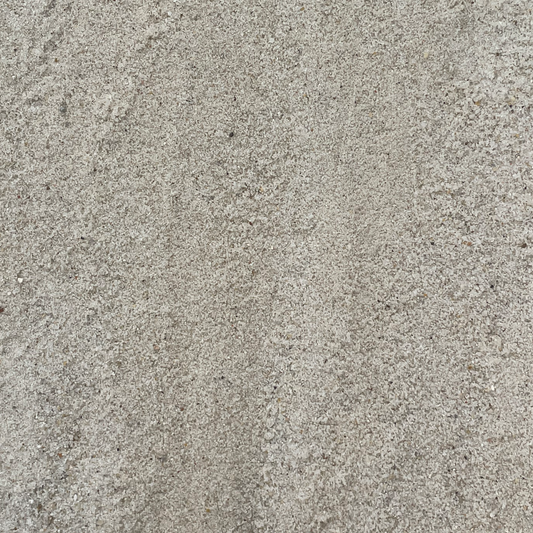
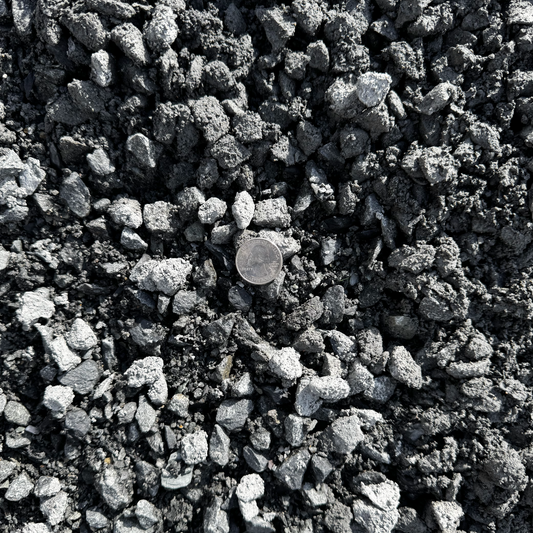
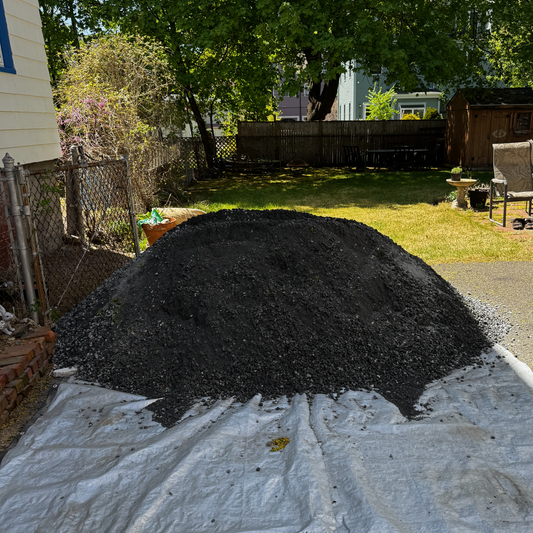
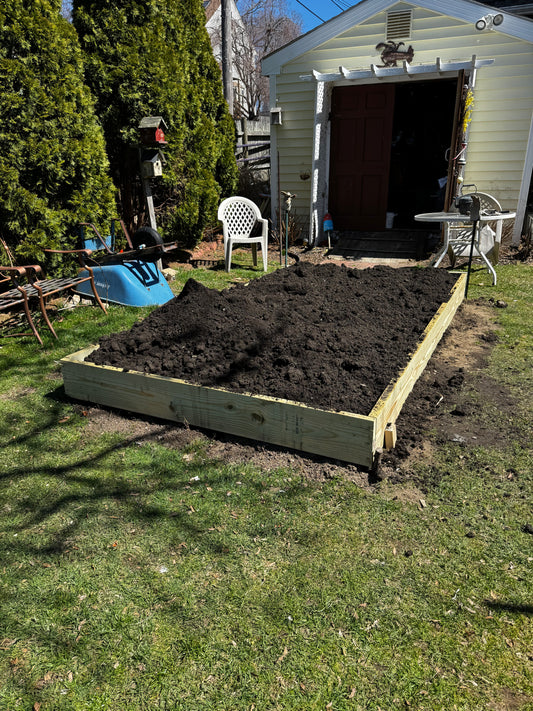
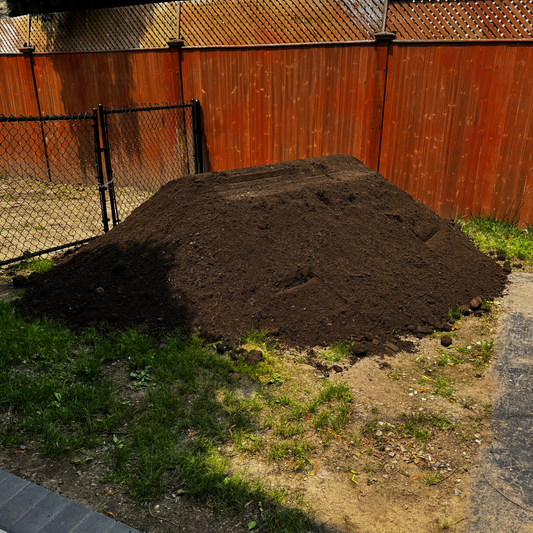
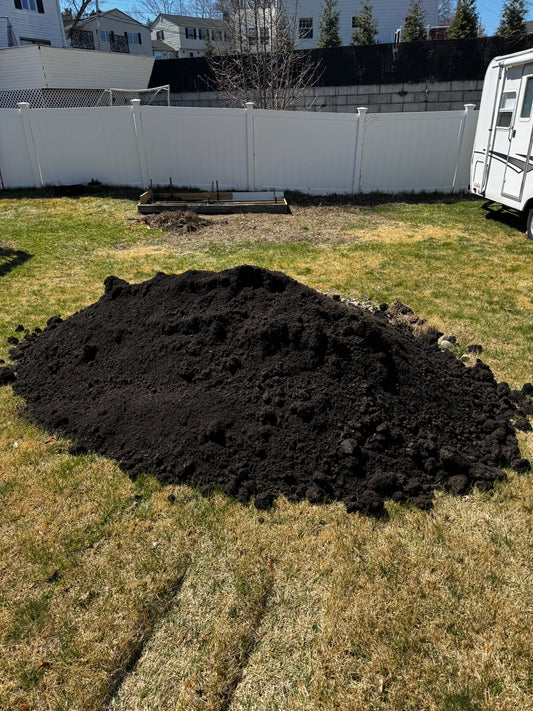
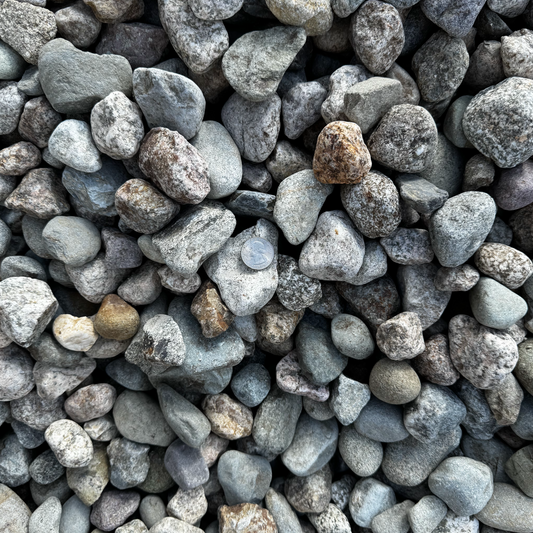
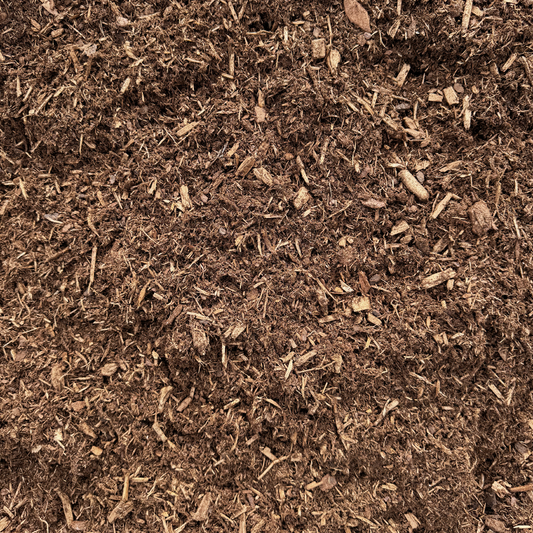
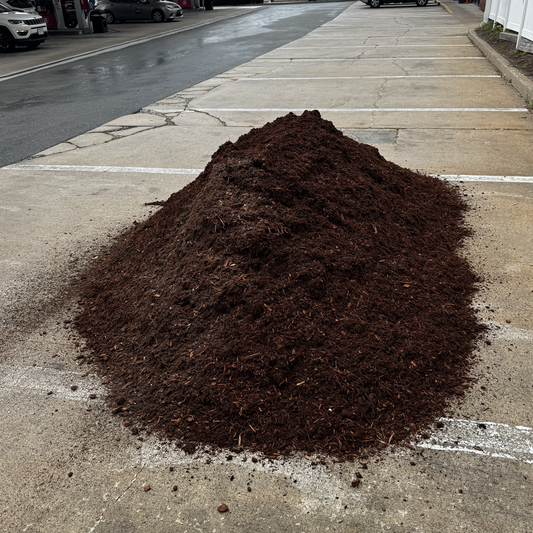
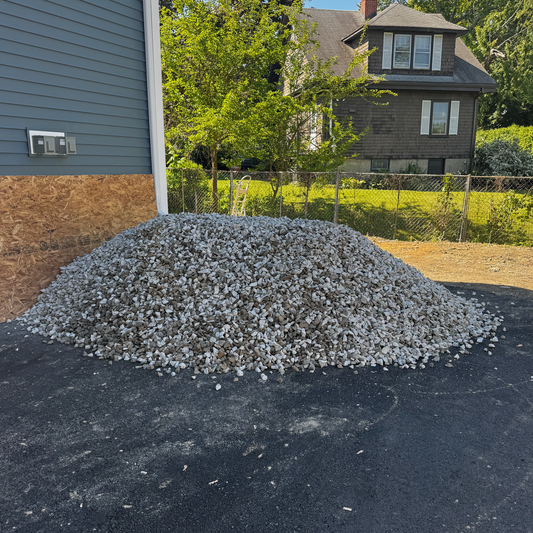
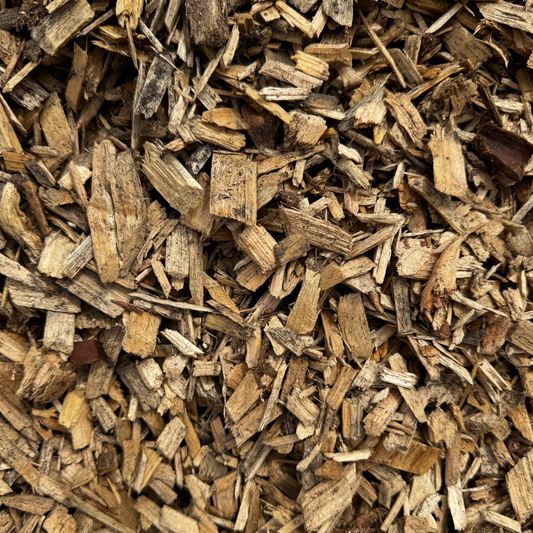
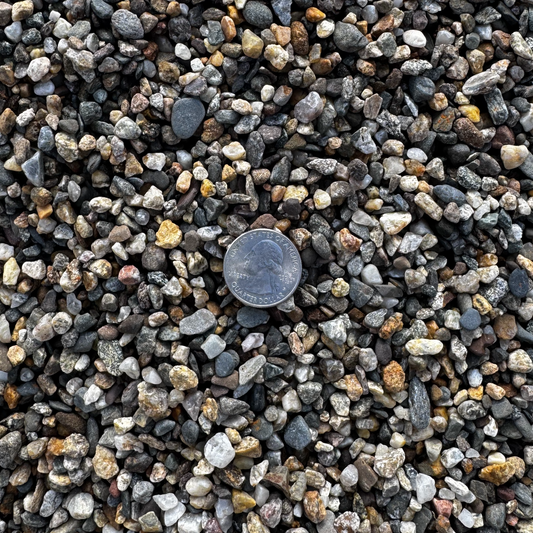
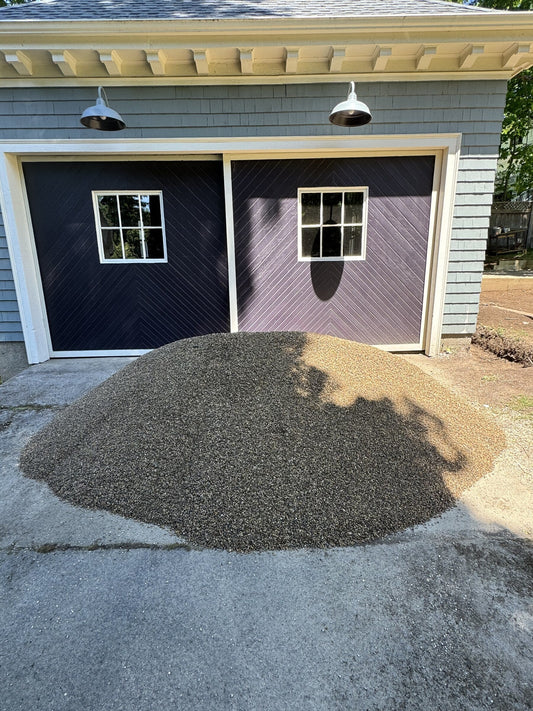
Dartmouth's sandy coastal soil drains too fast to hold water or nutrients. Loosen the top 8 inches, work in 2 to 3 inches of compost, then build 4 inches of screened loam over it. A 400 sq ft bed needs about 2.5 yards of compost and 5 yards of loam. Delivery runs $204 to $225 per load.
Do you deliver to Dartmouth, and what does it cost?
Yes. Dartmouth is 58.4 driving miles from our Dispatch Office in Dorchester, well outside the 30-mile flat-rate zone, so the fee is $204 per load to North Dartmouth, rising to $225 in South Dartmouth — the standard $100 plus $4 for every mile past 30. No fuel surcharge, no coastal rate.
Why do plants struggle in Dartmouth soil?
Dartmouth faces south onto Buzzards Bay and the ground reflects it. Much of the town runs to sandy coastal soil — the Slocums and Paskamanset River valleys, the necks, the shoreline out toward Apponagansett Bay.
Sandy soil holds roughly half an inch to an inch of plant-available water per foot of depth; a loam holds closer to two. The rain that carries an inland shrub a week carries a Dartmouth shrub two or three days, and with little organic matter to hold nitrogen, fertiliser leaves with the water. Look your parcel up on the USDA NRCS Web Soil Survey — a sandy loam and a coarse outwash sand need different amounts of material.
How do you amend it, step by step?
- Test first. Send a sample to the UMass Soil and Plant Nutrient Testing Laboratory. Coastal sands come back low in organic matter and pH.
- Target about 5 percent organic matter in the top 6 to 8 inches, where sandy soil starts genuinely holding water.
- Loosen the existing sand 8 inches deep. Cap sand with loam and roots stop at the texture change — a shallow root plate that dries out and blows over.
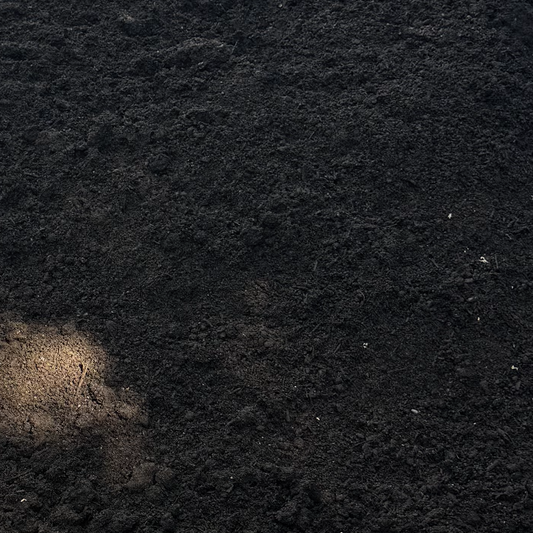
- Work in 2 to 3 inches of compost. Compost is the amendment, not the growing medium.
- Build depth with 4 inches of screened loam on top, or 6 for shrubs and small trees.
- Mulch 2 to 3 inches with pine bark, then water deeply and less often so roots follow moisture down.
How much material does a 400 sq ft bed need?
Cubic yards = (square feet × depth in inches) ÷ 324.
| Layer | Depth | Calculation | Yards | Material |
|---|---|---|---|---|
| Compost worked in | 2" | (400 × 2) ÷ 324 | 2.5 | Compost, $50/yd |
| Loam bed layer | 4" | (400 × 4) ÷ 324 | 4.9 | Screened Loam, $55/yd |
The part that saves you money in Dartmouth
Soil, sand and stone cap at 6 yards per truck trip; mulch caps at 10. The fee is per load and loads are counted per line item — so 2.5 yards of compost plus 5 yards of loam is two trips, $408 to $450 in freight instead of $204 to $225. Two honest ways around it:
- Order one blended soil instead of two components. Six yards of Horticultural Soil at $65/yd is one line item, one load, one fee, and it arrives already carrying the organic matter you were going to build in.
- If you need both, order both to the cap. You pay the second fee either way, so take 6 yards of each and freight per yard drops by more than a third.
Frequently asked questions
Can I just add compost and skip the loam?
For an existing bed, yes — 2 inches worked in does a lot. For a new bed on bare coastal sand you need the depth too.
How much compost is too much?
More than about 3 inches worked into 8 inches of sand leaves a layer that holds water but stays soft and settles.
What does delivery to Dartmouth cost?
$204 per load to North Dartmouth, up to $225 in South Dartmouth. The fee is per truck trip, so consolidating line items is the biggest lever you have.
Shop the soil and loam range and plant establishment materials, or price Compost and Screened Loam by the yard. See the Dartmouth landscape supply page and the county fee table in what bulk delivery to Bristol County actually costs.