















Quick Answer
Five patio plants that survive a full Quincy summer: Lantana (sun, heat-loving, pollinator magnet), Mandevilla (climbing tropical with trumpet flowers), Coleus (foliage variety, partial sun, drought-tolerant), Hibiscus (tropical statement plant, full sun, big flowers), and Million Bells / Calibrachoa (cascading mini-petunias, all season). All five thrive in 12-inch containers with a quality potting mix, full-to-partial sun, and watering every 1–2 days through the heat of summer.
The Quincy Patio Summer Reality
Quincy patios — Wollaston Beach, Squantum, Houghs Neck, Merrymount — face two summer challenges: full-sun heat (south- and west-facing brick or stone patios) and salt air (within a mile of the coast). Standard impatiens fry by mid-July. Petunias melt in August. Hostas yellow.
The five below are battle-tested for Quincy conditions. All handle 90°F days, salt-spray tolerance varies but most do well, and all hold visual quality from planting through October.
For the broader container-combo question in May, see 5 Container-Garden Combos for a Brookline Front Porch in May. For the cooler-bed perennial alternative, see 5 Drought-Tolerant Perennials for a Belmont South-Facing Bed.
The Universal Container Setup
All five share container requirements:
- 12-inch diameter pot minimum — smaller than that, soil dries out twice daily in August heat
- Quality potting mix — peat- or coir-based, 1:1:1 with compost and perlite
- Drainage holes — required; without them, root rot in 2 weeks
- Slow-release fertilizer — applied at planting, lasts 60 days
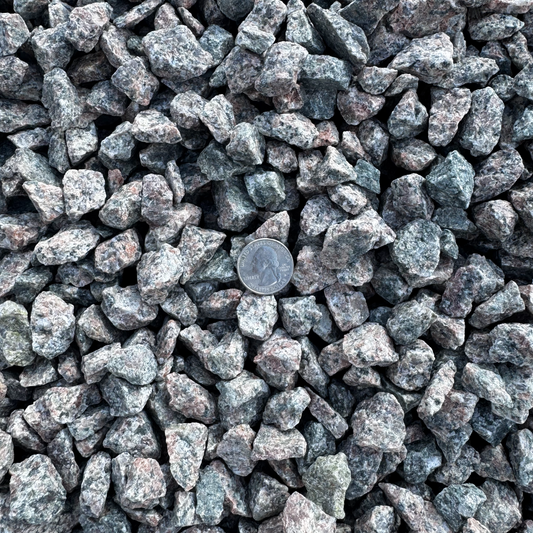
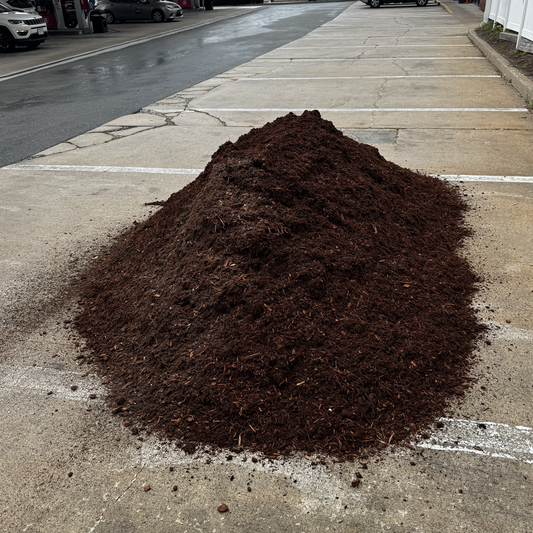
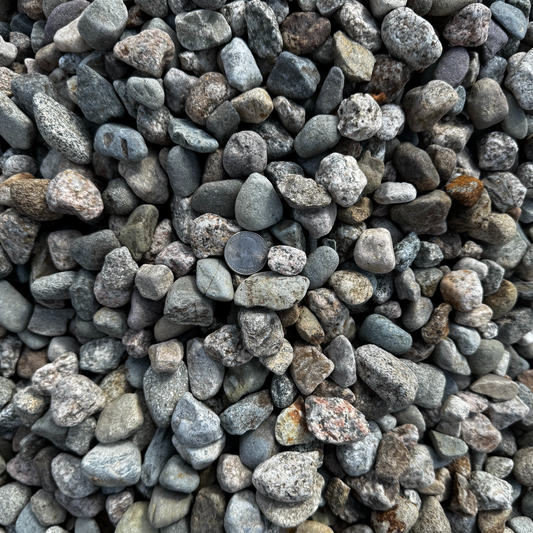
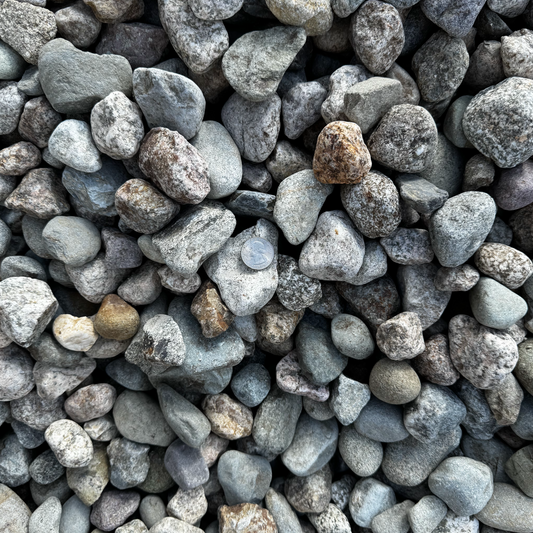
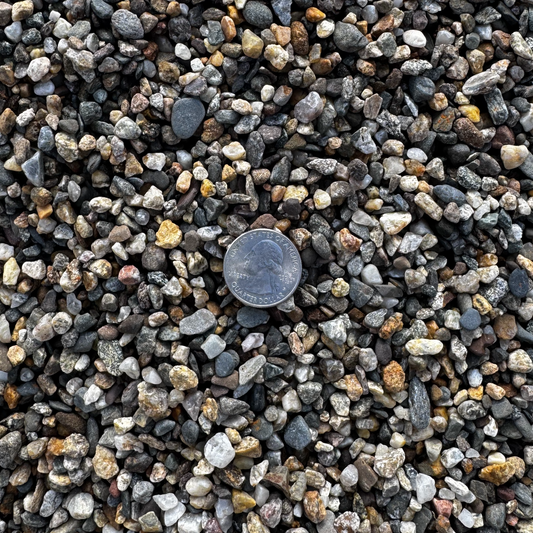
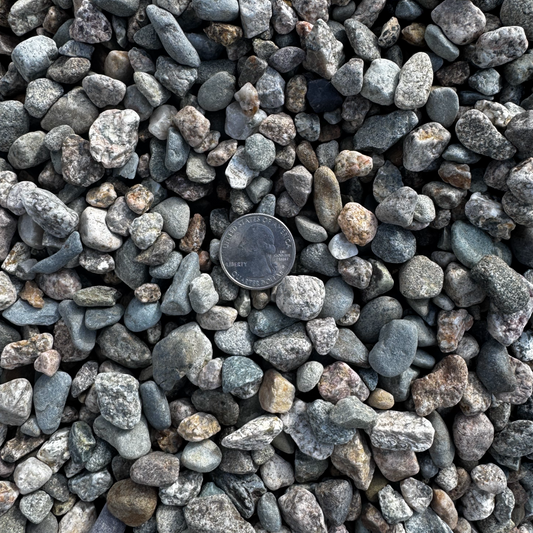
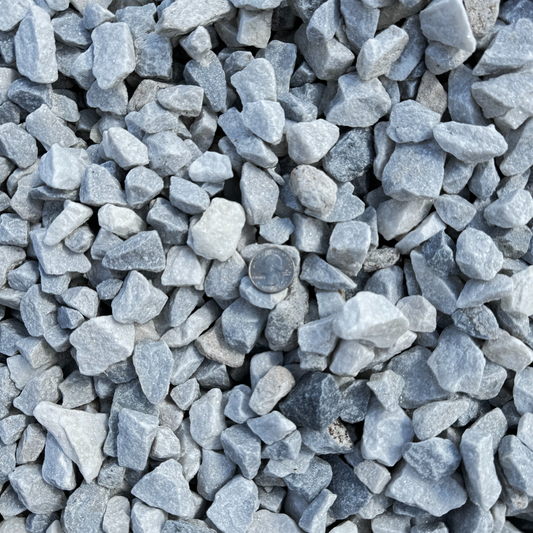
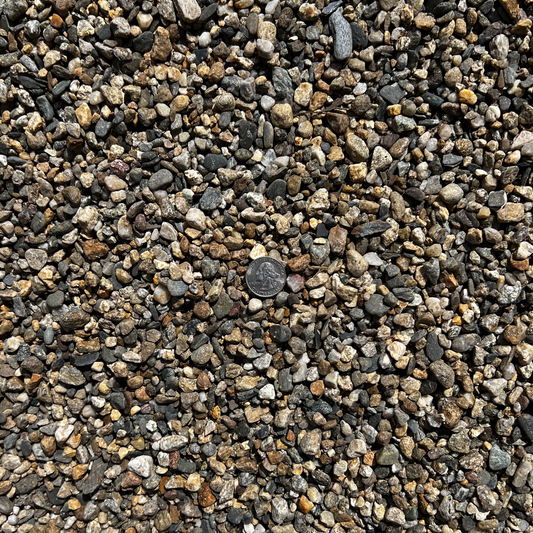
Browse the decorative stone collection for pea stone or pebble dressings that finish a patio container. For raised-bed-side companions to patio containers, see the raised garden bed materials collection.
1. Lantana (Lantana camara) — Sun, Heat, Pollinators
The Quincy patio workhorse. 12–24" tall, 18" wide in a container, full sun. Clusters of small flowers in yellow, orange, red, pink, or multi-color "confetti" patterns from May through hard frost.
Why it survives Quincy summer: Tropical native, evolved for heat and drought. Flowers continuously without deadheading.
Container pairing: Lantana as the centerpiece, surrounded by trailing sweet potato vine and verbena.
Bonus: Lantana is a top pollinator-attractor. Bees, butterflies, hummingbirds. The MA Audubon lists it as a non-native but pollinator-supportive species.
2. Mandevilla (Mandevilla x amabilis) — Climbing Tropical
The vertical statement plant. 3–8 ft tall climbing, 24" wide spread, full sun. Trumpet-shaped flowers in white, pink, or red.
Why it survives Quincy summer: Tropical vine bred for heat tolerance. Loves Quincy's south-facing brick patios where the heat radiates.
Container pairing: Mandevilla on a 5-foot trellis or obelisk as the back/center of a 3-container grouping. Pair with a low filler (calibrachoa) and a foliage anchor (coleus).
Note: Mandevilla is an annual in MA — it'll die at first frost. Treat as one-season; the visual payoff is worth the replant cost.
3. Coleus (Solenostemon scutellarioides) — Foliage Variety
The "no flowers needed" pick. 12–24" tall, 12" wide, partial sun. Foliage in chartreuse, deep purple, orange, red, multi-tone.
Why it survives Quincy summer: Bred for foliage rather than bloom; tolerates a wide range of conditions; flowering spikes pinch off easily if you want to extend foliage life.
Container pairing: Coleus as the mid-height filler, surrounded by trailing million bells and an upright lantana.
Pick varieties: 'Wasabi' (chartreuse), 'Kong Red' (large red leaves), 'Henna' (orange-red), 'Black Dragon' (deep purple-black).
4. Hibiscus (Hibiscus rosa-sinensis) — Tropical Statement
The "wow" plant. 3–6 ft tall in container, 24" wide, full sun. 6–10" dinner-plate flowers in red, pink, yellow, orange.
Why it survives Quincy summer: Tropical hibiscus is bred for heat and humidity; loves Quincy's coastal humidity.
Container pairing: Hibiscus stands alone in a single 14–16" pot as the patio statement piece. Underplant with creeping jenny for a finished base.
Care: Water every other day in July-August. Fertilize every 3 weeks. Cut back by 1/3 in early August for a second flush.
5. Million Bells / Calibrachoa — Cascading Color
The trailing finish. 6–12" tall, 12–18" wide spread, full sun. Small petunia-like flowers in literally every color, blooming continuously from May through October.
Why it survives Quincy summer: Bred for heat and drought tolerance; "self-cleaning" — spent flowers fall off without deadheading.
Container pairing: Million bells as the spiller in any of the above combos, or in its own hanging basket with mixed colors.
Picks: 'Superbells' series and 'MiniFamous Neo' series both handle Quincy summer well.
For broader pollinator-friendly variety choices, see the Native Plant Trust database — natives are an alternative for homeowners wanting to support local insect populations.
The Watering Schedule for Quincy Patios
The biggest mistake on Quincy patios: trusting the rain to keep containers watered. Don't. Containers dry out 2–3x faster than ground beds.
The Quincy summer schedule:
- May–early June: Once a day, 7 a.m. or 7 p.m. (not midday)
- Mid-June through August: Twice a day if temperatures are above 85°F. Once a day on cooler days.
- September–October: Once a day, back to morning only
For watering automation through July and August, see How to Set Up a Drip-Irrigation Run for Watertown Foundation Beds. Same drip principles scale to patio containers — emitters in each pot, automated timer, set and forget.
For the broader watering pillar, see How Often Should I Water New Plantings in May? A Middlesex County Q&A.
Common Quincy Patio Container Mistakes
Pot too small. 8-inch pots dry out in 4 hours on a hot day. 12-inch minimum.
No drainage. Decorative pots without drainage holes are death sentences. Drill holes or use a liner pot inside.
Cheap soil. Bagged "topsoil" compacts in pots. Use real potting mix with perlite.
Skipping fertilizer. Slow-release at planting + liquid feed every 3 weeks keeps continuous bloom going.
Overcrowding. 3 plants in a 12" pot, not 5. Crowded containers stunt each other and dry out faster.
What This Means for You
Five plants, one Quincy patio, full-summer survival. Order container materials (potting mix, perlite, slow-release fertilizer) through the Quincy landscape supply routes — Ottr delivers soil components and decorative top-dressings in small quantities for patio-scale projects.
For the broader May 30 bulk-order check-in, see 5 Bulk Material Orders Every MA Homeowner Should Place by End of May.


