Quick Answer
Wrapping spring cleanup in a Plymouth County yard takes about 4 hours on a typical quarter-acre lot by May 1. The five moves: final debris pull, re-edge and mulch top-up to 2 inches, patch thin lawn spots with seed and 1/4 inch of compost, take the first true mow at 3.5 inches with a sharpened blade, then reset tools for summer. Order 2 cubic yards of bulk mulch and 1/2 cubic yard of screened loam to cover the typical Plymouth, Kingston, or Halifax lot.
When to Do This in Plymouth County
The Plymouth County window runs April 28 through May 5. Soil temperatures at 4 inches deep are reliably above 55 degrees, oaks have dropped their tassels, and the last hard frost is past for the South Shore. By May 6, you want this list closed so the lawn can grow into its first warm stretch and the mulch can settle before Memorial Day company arrives.
Step 1: Final Debris Pull (45 minutes)
Walk every bed perimeter and lawn edge with a leaf rake and a steel rake. Pull oak catkins out of mulch beds (they mat and shed acid as they break down), grab maple samaras from gutters and bed corners, and bag everything. Skip blowing mulch out of beds — you'll re-mulch in step 2.
Step 2: Re-Edge and Top-Up Mulch (90 minutes)
Cut a clean half-moon edge along every bed line at a 60-degree bevel. Then top-dress mulch to 2 inches finished depth — never deeper. Volcano mulching kills tree bark; keep mulch 2 inches back from trunks and stems.
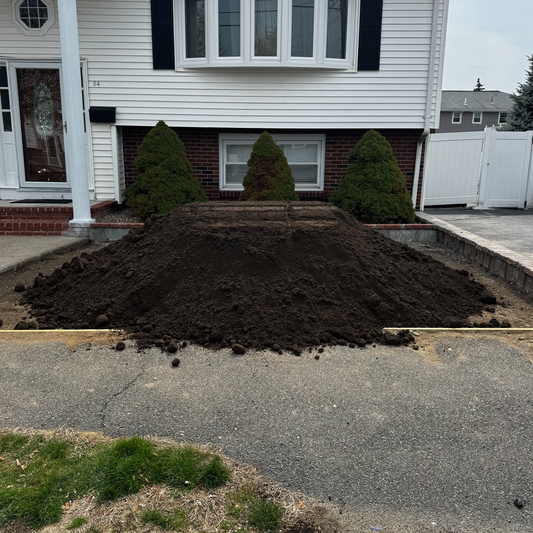
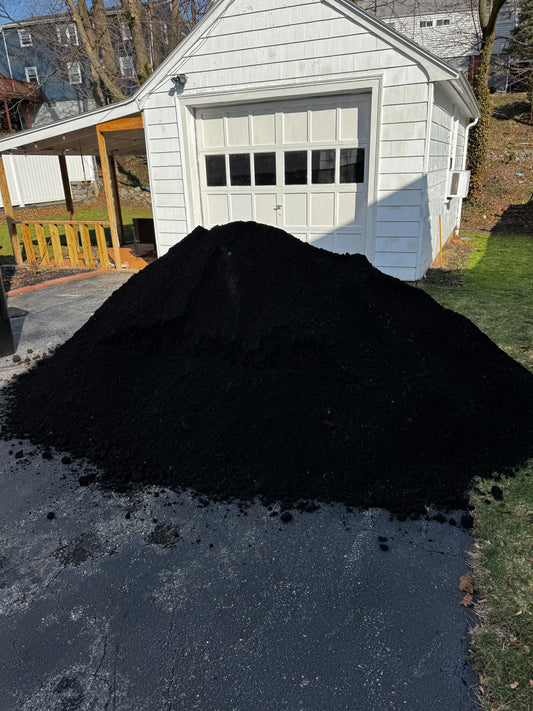
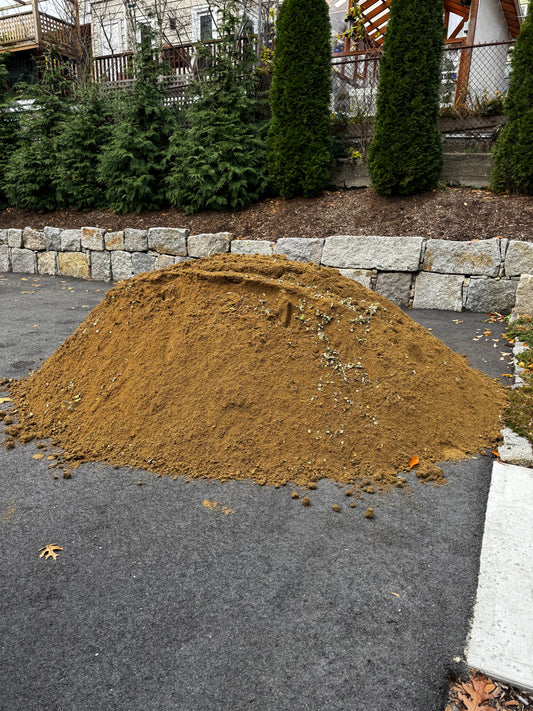
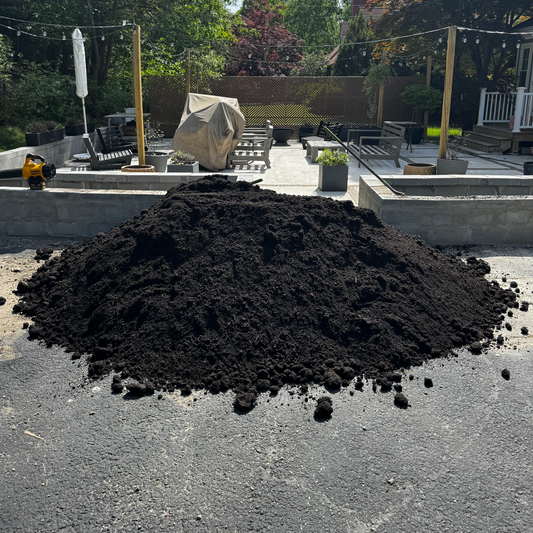
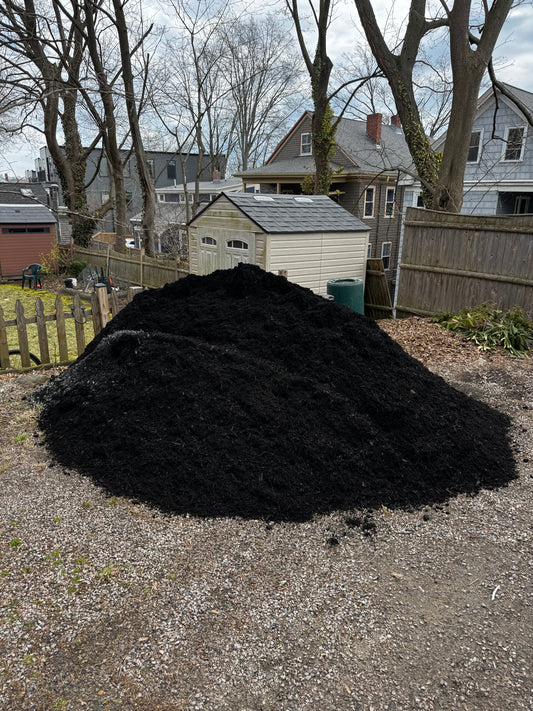
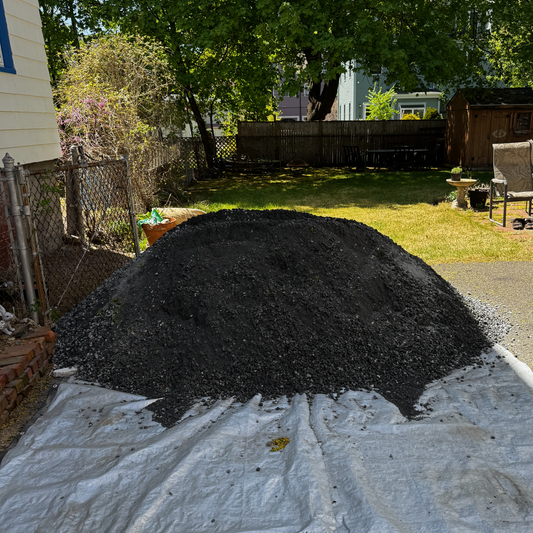
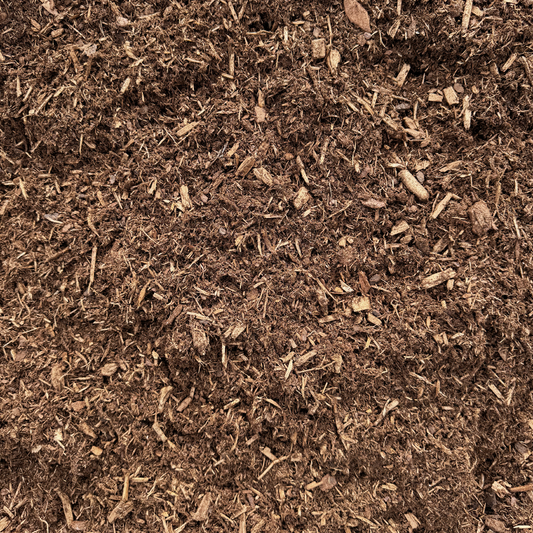
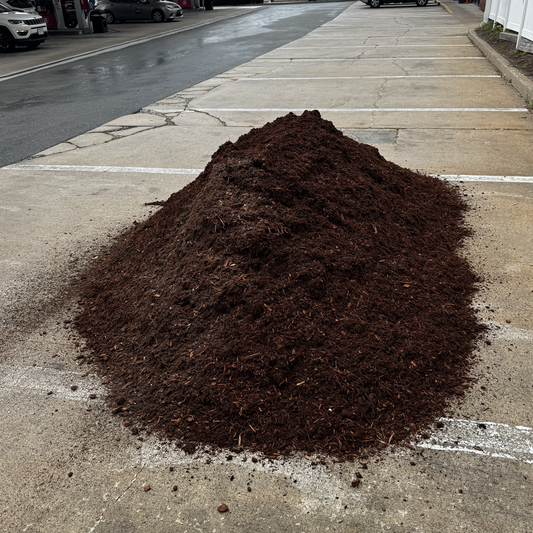
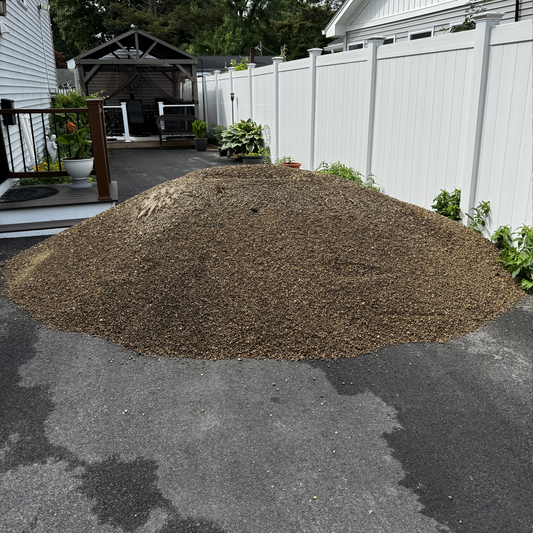
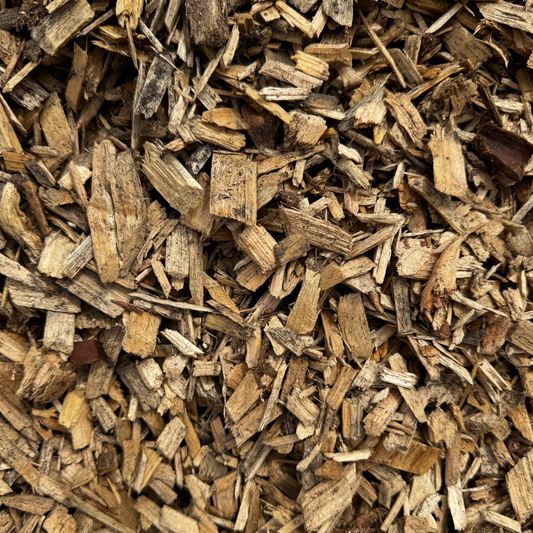
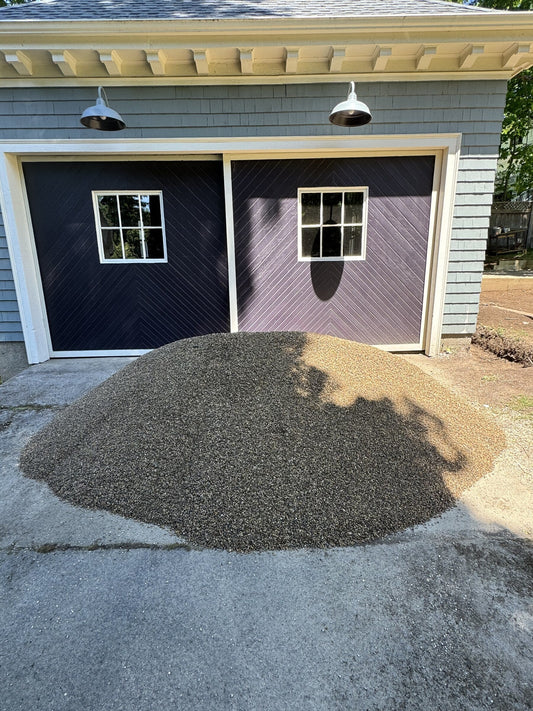
For most Plymouth County lots, 2 cubic yards of bulk Hemlock Mulch or Pine Bark Mulch covers front and back beds. Browse the mulch bed refresh collection for current per-yard rates and same-week delivery into Plymouth, Kingston, Halifax, and Bridgewater. The pricing math from late April is in the Plymouth crew cleanup pricing worksheet.
Step 3: Patch the Lawn (45 minutes)
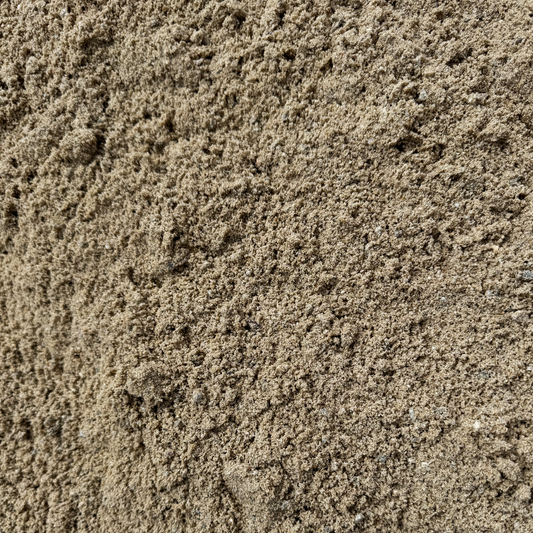
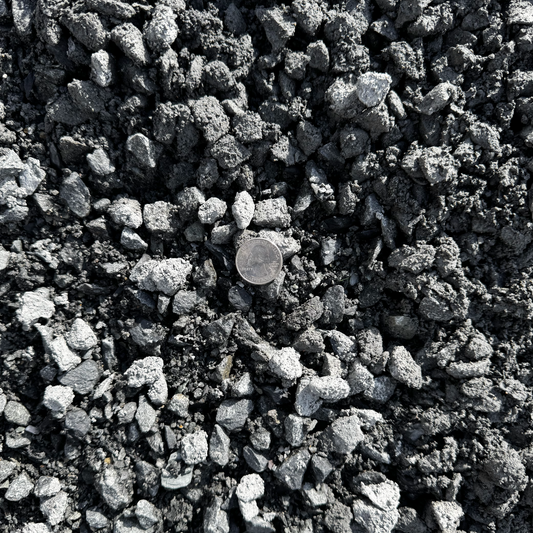
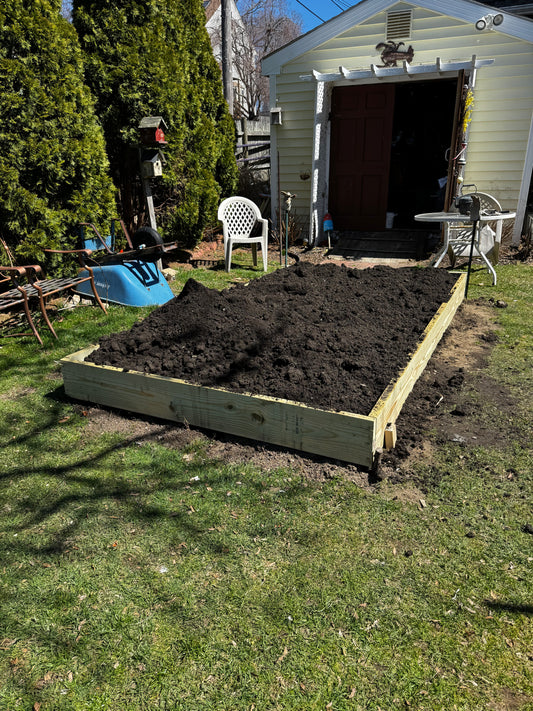
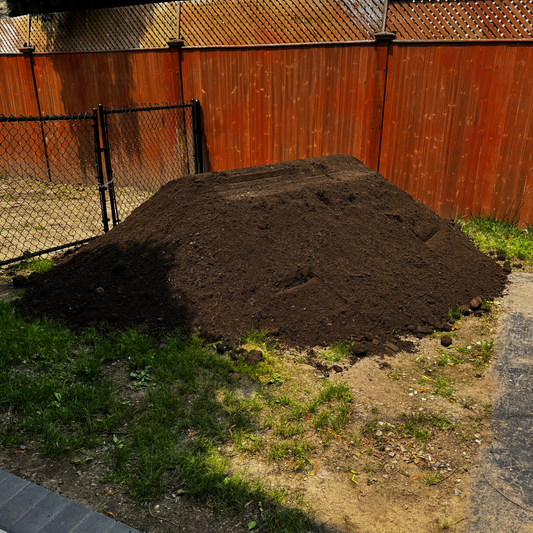
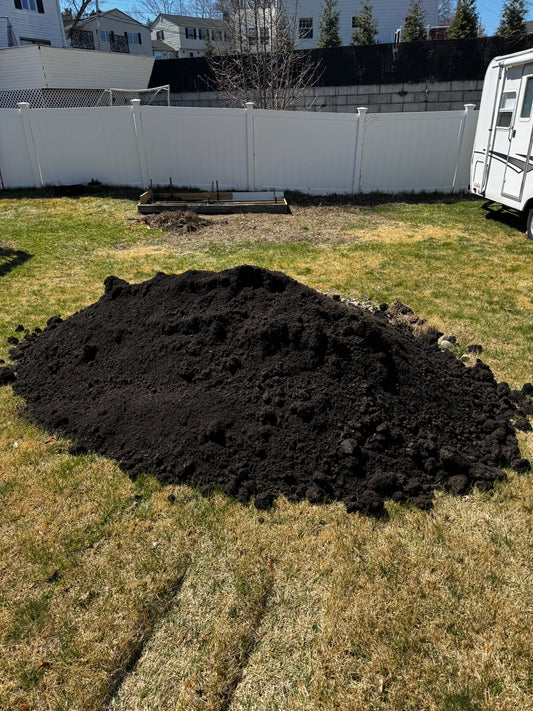
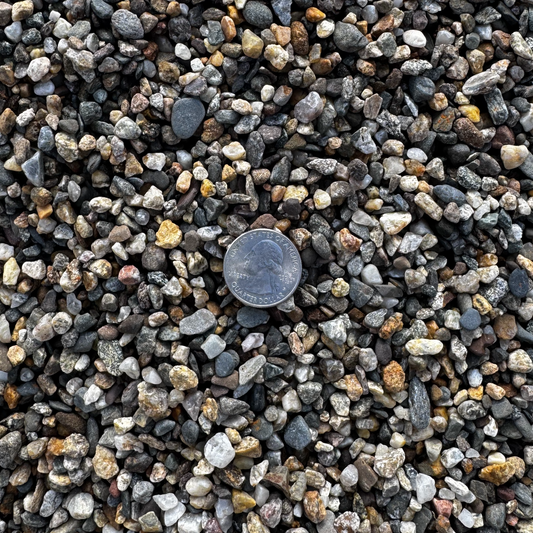
Find thin or bare spots where winter plow damage, salt burn, or vole runs left dead turf. Loosen the top 1 inch of soil with a steel rake, broadcast a Kentucky bluegrass / fine fescue mix at the bag rate, and top-dress with 1/4 inch of compost. Water lightly twice a day for 14 days. Half a cubic yard of Topsoil Loam 1/2" Screened handles thin-spot fills on most lots.
Step 4: First True Mow at 3.5 Inches (30 minutes)
Set the mower to 3.5 inches for cool-season Plymouth County lawns. Take the first cut bagged so winter debris doesn't smother new growth, then mulch every subsequent cut. Sharpen the blade before this first pass — torn grass tips brown and invite disease.
Step 5: Tool Reset (30 minutes)
Sharpen edger and shears, oil pivots, store winter ice melt and shovels, pull out hoses and connect irrigation timers. Drain and inspect the rain barrel.
Materials Cheat Sheet (Plymouth County 1/4-acre lot)
- 2 cubic yards bulk Hemlock or Pine Bark Mulch
- 1/2 cubic yard Topsoil Loam 1/2" Screened for thin-spot fills
- 5 lb cool-season grass seed
- 2 cubic feet bagged compost (or 1/8 yard bulk Compost)
The May lawn demand update for Norfolk County tracks how this same window runs in adjacent counties — pricing and lead times move in lockstep across the South Shore.
How This Compares to 2026
This piece pairs with the 2026 season-close bookend, May 1: Closing Out Spring Mulch Season Across Plymouth County — same window, updated for the 2026 outlook. The playbook holds year over year; pre-book in January, finish by May 1.
For the regional landscape calendar, the UMass Extension Landscape, Nursery & Urban Forestry program has the most authoritative cue cards on cool-season lawn timing, soil prep, and IPM thresholds for eastern MA.