Quick Answer
The UMass Standard Soil Test ($20 in 2025) is the highest-value soil test available to Waltham gardeners. The mailer kit arrives in 5-10 days, you fill the sample bag with 4-6 inches of root-zone soil, mail it back with the form, and results arrive in 10-14 days with specific lime and fertilizer recommendations. For a Waltham raised bed or new lawn project, this single test outperforms any home pH meter and pays for itself in the first amendment cycle. Below: full walk-through with pros, cons, and the Ottr-recommended workflow.
What You're Buying
The UMass Soil and Plant Nutrient Testing Lab in Amherst processes ~30,000 samples annually for MA homeowners, gardeners, and farms. The Standard Soil Test package includes:
- pH (active and reserve).
- Buffer pH (for lime calculation).
- Phosphorus, potassium, calcium, magnesium (extractable nutrients).
- Cation exchange capacity (CEC - soil's nutrient-holding ability).
- Organic matter percentage (estimated).
- Lead screening (basic) - optional add-on test for full lead testing.
- Specific recommendations for the crop or use-case you specify.
For most Waltham gardeners, the Standard Test is the right starting point. Add the lead test if your home was built before 1978 or near a former industrial parcel.
Pros
Specific, actionable recommendations. Most home pH meters tell you "soil is acidic." The UMass report tells you "apply 35 pounds of dolomitic limestone per 1,000 sq ft to raise pH from 5.8 to 6.5 for vegetables." That's actionable.
Inexpensive. $20 (2025 pricing). A bag of mismatched lime costs more.
Mail-it-back format. No driving to Amherst. Order kit, sample, mail back, results arrive.
Calibrated to MA soils and crops. The recommendation algorithms account for New England's typically acidic, glacial-till soils. National test labs often miss this.
Independent. UMass isn't selling the amendments they recommend, so the report isn't slanted toward over-prescribing.
Cons
10-14 day turnaround. Not instant. Plan ahead - test in late February to have results in March, in time for April amendments.
Frozen-soil season is a no-go. You can't sample frozen soil meaningfully. Mid-January in Waltham is too early; the kit can sit in your garage until late February.
Standard test misses some metals and contaminants. Add the optional lead test or full heavy-metals scan if your site warrants.
The Workflow for a Waltham Yard
Step 1: Order the Kit Now (January)
Order the Standard Soil Test kit at the UMass Soil and Plant Nutrient Testing Laboratory website. $20 covers kit, processing, and report. Kit arrives in 5-10 days.
Step 2: Wait for Soil to Thaw (Late February)
Sample protocol calls for 4-6 inches of unfrozen soil. Most Waltham yards thaw to that depth between February 25 and March 10 in a typical year. South-facing beds with snow cover often thaw first.
Step 3: Sample Correctly
For a single area (one bed, one lawn zone):
- Pull 8-10 small samples with a clean trowel from across the area.
- Each sample = 4-6 inches deep.
- Mix in a clean plastic bucket (not metal - throws off readings).
- Air-dry on newspaper for 24 hours.
- Fill the kit's sample bag with about 1 cup of mixed soil.
Sample separate bags for separate areas - vegetable bed, front lawn, perennial border each get their own test if they're managed differently.
Step 4: Fill Out the Form Specifically
The kit form asks what you're growing or planning. Be specific:
- "Vegetable garden - tomatoes, peppers, lettuce."
- "Cool-season lawn - Kentucky bluegrass / fescue mix."
- "Foundation perennial bed - acid-loving (azaleas, rhododendrons)."
The recommendation algorithm tunes the report to your stated use. Generic answers get generic reports.
Step 5: Mail and Wait
Mail back with check or money order. Results arrive in 10-14 days via email and PDF.
Step 6: Apply Amendments
The report gives specific amendment quantities - lime, sulfur, compost, fertilizer - for your soil and your stated crop. Apply per recommendations. Most Waltham yards need:
- Lime to raise pH from typical MA 5.5-6.0 toward target 6.5-7.0.
- Compost or organic matter to boost CEC and improve drainage.
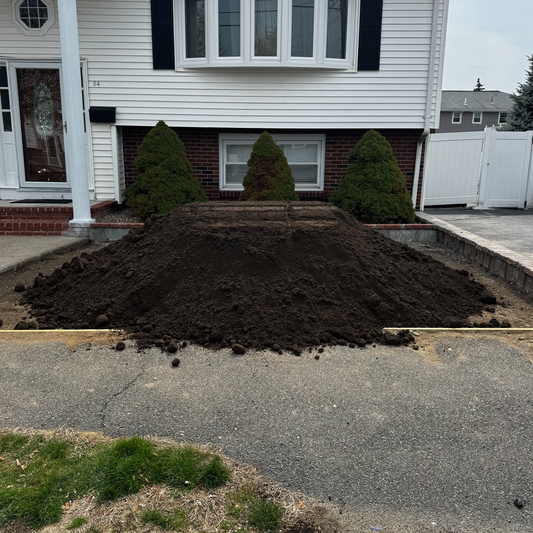
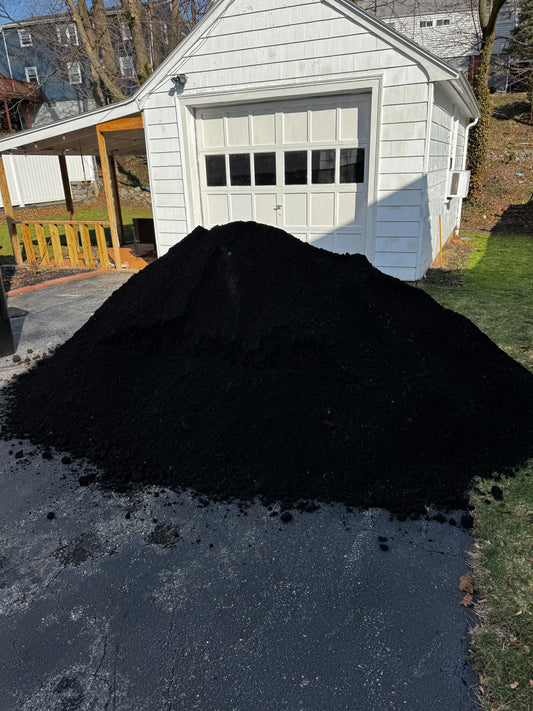
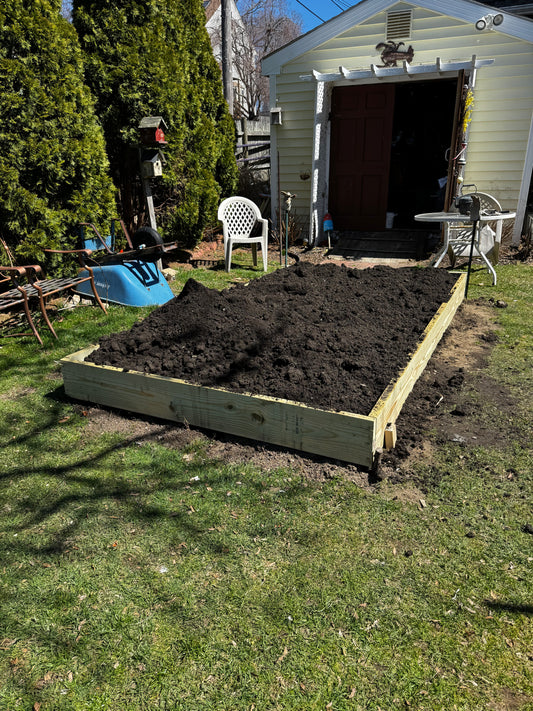
For raised bed soil math, see How Much Bulk Loam Does My Middleborough Raised Bed Actually Need?. For broader Waltham material orders, the Waltham landscape supply collection shows the local lineup. For raised bed amendments specifically, browse Raised Garden Bed Materials.
Ottr's Pick
Five stars. The UMass Standard Soil Test is the cheapest, most actionable, MA-calibrated soil test available. Order in January, sample in late February, amend in April. Pair the report with Ottr's Compost or Garden Soil Mix per the recommendations.
For follow-on planning while you wait, see Top 5 Plants to Prune in February in Brookline and the 2026 follow-up on indoor seed starting in Somerville - both fit naturally into a Waltham gardener's January-February planning rhythm.