Quick Answer
The top 5 summer bulbs to plant in MA beds in mid-May, ranked by ease and impact: dahlia, lily (Asiatic + Oriental), gladiolus, caladium, and canna lily. Plant after May 15 when soil is reliably 60 degrees. Plan 3 to 5 of each species for a typical bed, plant in groups not single specimens, and expect bloom within 60 to 90 days. Total budget for a 5-species, 25-bulb bed: about $80 plus a cubic yard of mulch.
Why Mid-May Is the Right MA Window
Across MA — Plymouth County, Suffolk, Middlesex, Norfolk, Worcester — soil temperatures at 4 inches deep cross 60 degrees between May 12 and May 18. Summer bulbs (technically tubers, corms, and rhizomes for several of these) need warm soil to break dormancy. Plant earlier and they sit and rot; plant later and they bloom late into October.
For native species selection, the Native Plant Trust is the regional authority — note that most summer bulbs listed here are non-native ornamentals and don't replace pollinator-focused natives. Plant them as accent specimens, not as the backbone of a pollinator border.
1. Dahlia
Plant: Tuber, 6 inches deep, 18 inches apart, after May 15. Bloom: July through hard frost. Light: Full sun. Why it tops the list: No other summer bulb gives 90 days of cut flowers. Dinnerplate varieties (Cafe au Lait, Mystery Day) hit 8-inch blooms. Pinch at 12 inches tall to force branching.
2. Asiatic and Oriental Lily
Plant: 6 to 8 inches deep, 12 inches apart, groups of 5 to 7. Bloom: Asiatic in late June, Oriental in mid-July through August. Light: Full sun to part sun. Why: Strong vertical structure, intense fragrance from Oriental types ('Stargazer' is the classic), reliable year over year. The Sharon vegetable garden soil mix how-to covers the soil-amendment thinking that applies to lily beds too.
3. Gladiolus
Plant: Corm, 4 inches deep, 6 inches apart, in succession every 2 weeks from May 15 through June 30. Bloom: 70 to 90 days after planting. Light: Full sun. Why: Succession planting gives 6 weeks of continuous bloom. Cut flowers at first floret open — they finish opening indoors. Stake taller varieties; they topple in summer thunderstorms.
4. Caladium
Plant: Tuber 2 inches deep with eyes up, 12 inches apart, after May 20. Bloom: Foliage, not flowers — but the leaves are the show. Light: Part shade to full shade. Why: The shade alternative when other summer bulbs need sun. Pink, white, red, and green leaf patterns. Lift in October before frost or treat as annuals.
5. Canna Lily
Plant: Rhizome 4 inches deep, 18 inches apart, after May 15. Bloom: July through hard frost. Light: Full sun. Why: Tropical look at zero effort. Tall (4 to 6 feet), coarse foliage, red/orange/yellow blooms. Lift in October or treat as annual; in protected south-facing beds, some varieties overwinter in zone 6b/7a microclimates.
Materials Cheat Sheet (25-bulb bed)
- 5 dahlia tubers — $20
- 5 lily bulbs — $15
- 5 gladiolus corms — $5
- 5 caladium tubers — $15
- 5 canna rhizomes — $20
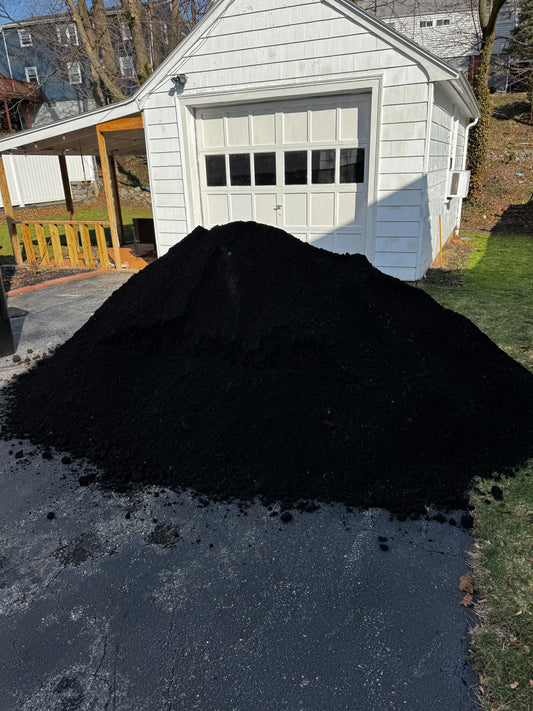
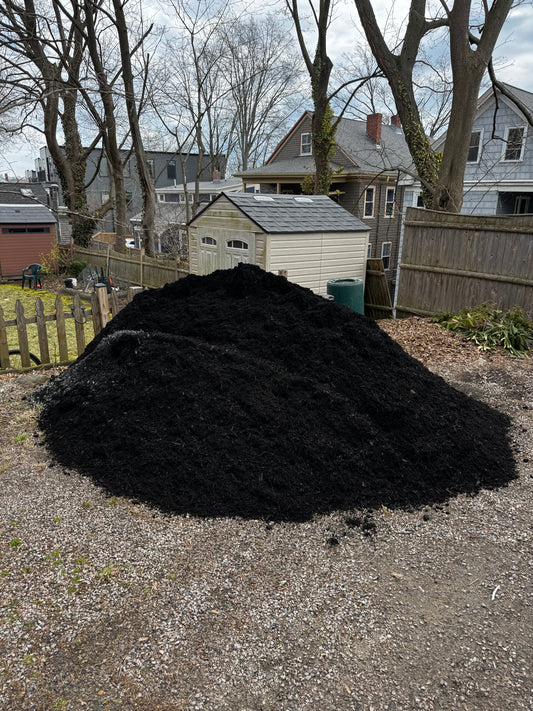
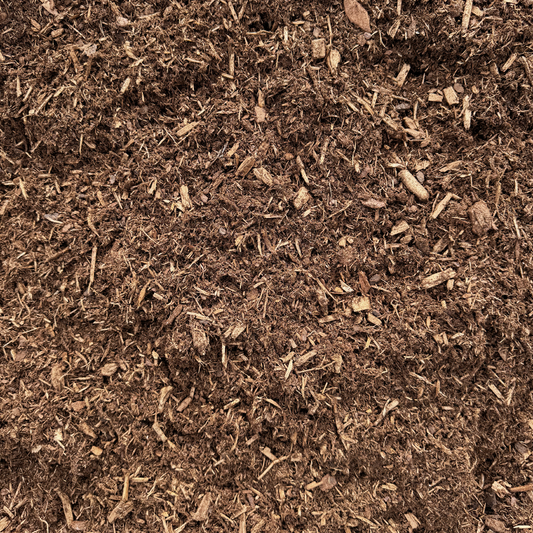
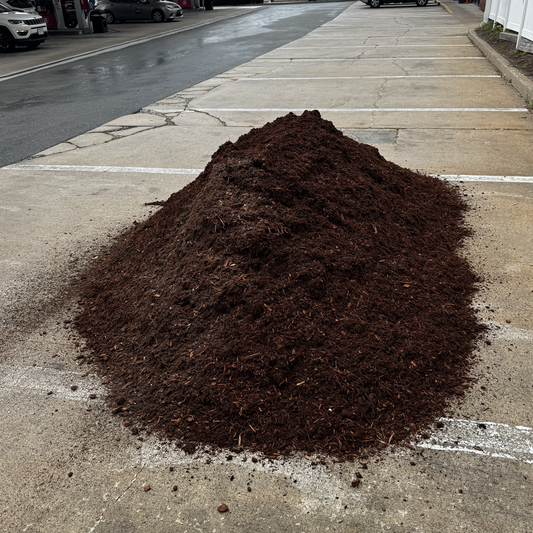
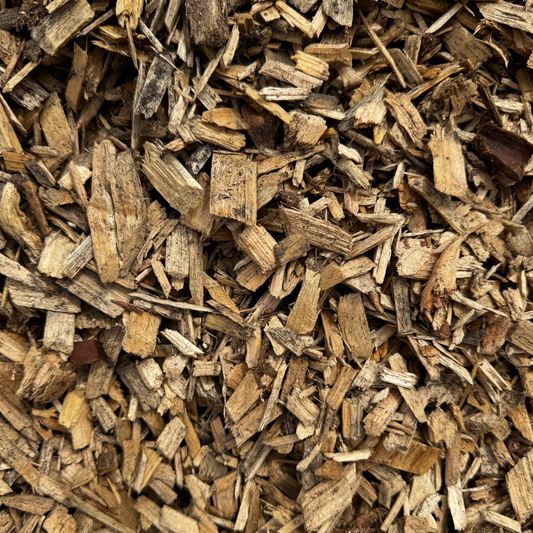
- 1 cubic yard bulk Hemlock or Pine Bark Mulch — $60
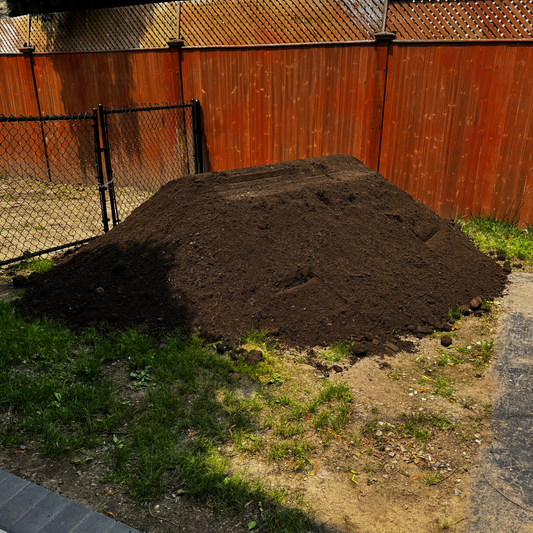
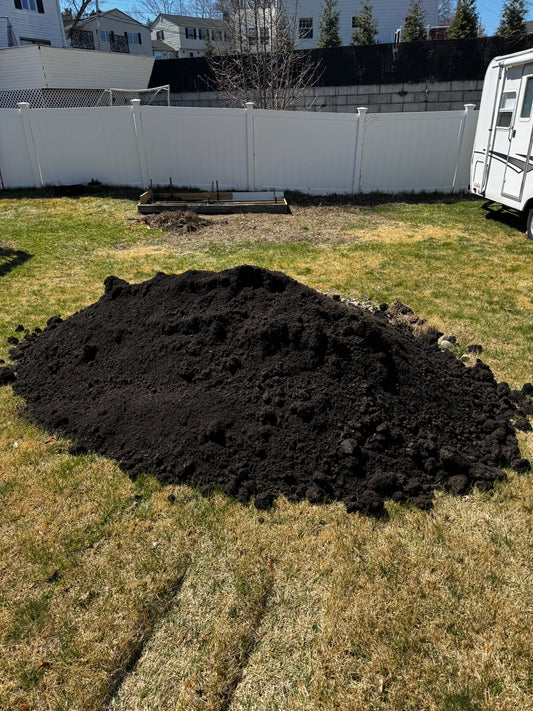
Browse the plant establishment + tree planting collection for bulk soil and mulch supplies.
Planting Day Workflow
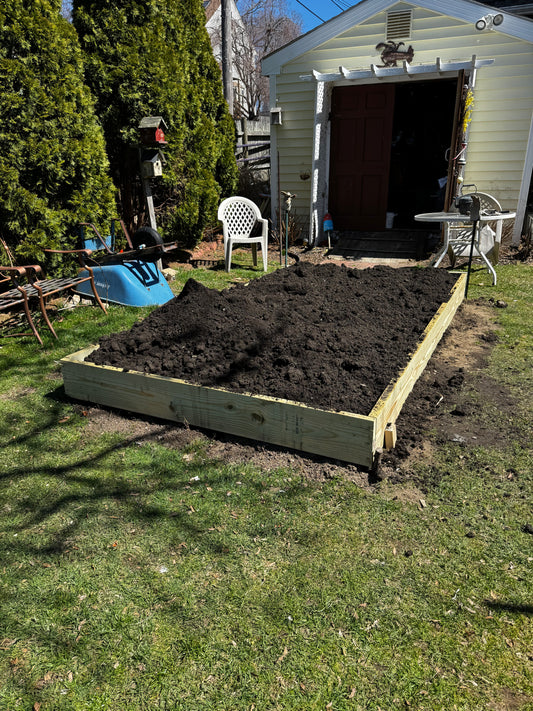
- Dig the bed to 8 inches, mix in 2 cubic feet of compost.
- Lay bulbs out at correct spacing before any digging.
- Plant deepest first (lily at 8") then shallowest (caladium at 2").
- Water in with 1/2 gallon per planted area.
- Mulch to 2 inches, keeping clear of any emerging shoots.
- Stake dahlias and gladiolus before they grow into the wind.
The Brookline spring cleanup wrap-up covers the broader pre-planting bed prep that frames this work. The Suffolk County tomato cage hacks cover staking ideas that work for dahlias and gladiolus too.
How This Compares to 2026
The 2026 season-close, May 1: Closing Out Spring Mulch Season Across Plymouth County, names mid-May as a planting window — this top-5 is the bulb-specific addition.