Quick Answer
For a typical Middlesex County backyard renovation, seed wins on cost ($0.06–$0.12/sq ft installed materials) and sod wins on speed (instant green, walkable in 2 weeks). For a 2,000 sq ft renovation, expect $2,400–$4,000 in seed work versus $10,000–$15,000 in sod work. Pick sod if you have heavy foot-traffic needs or visible front-yard frontage; pick seed for everything else and overseed in years 2–3.
Q: What's the cost difference for a 2,000 sq ft Middlesex County yard?
A: Seed runs $2,400–$4,000 turnkey. Sod runs $10,000–$15,000 turnkey. The 4–5x cost gap reflects sod's instant-green premium plus the labor of laying it.
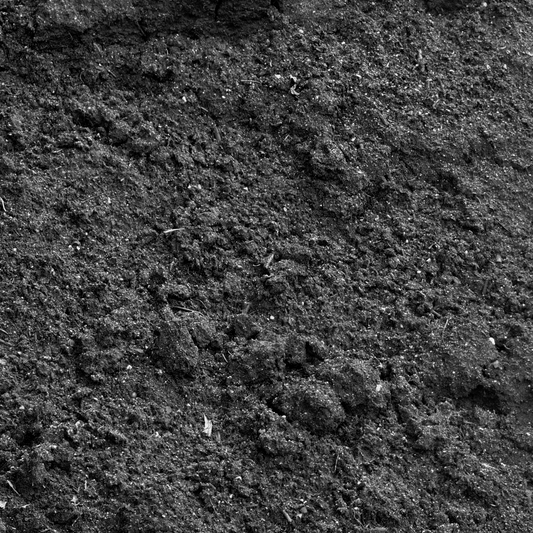
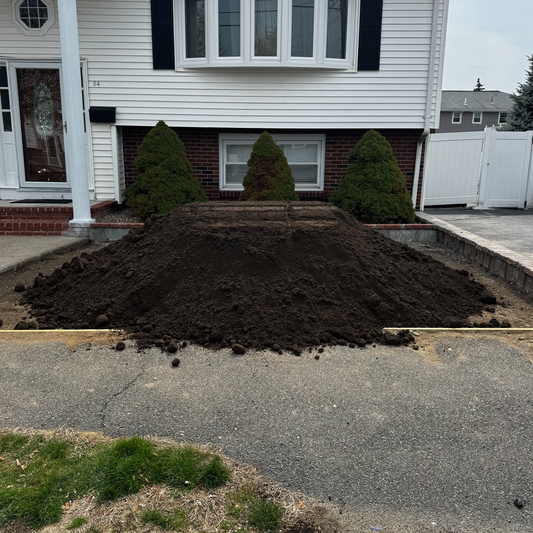
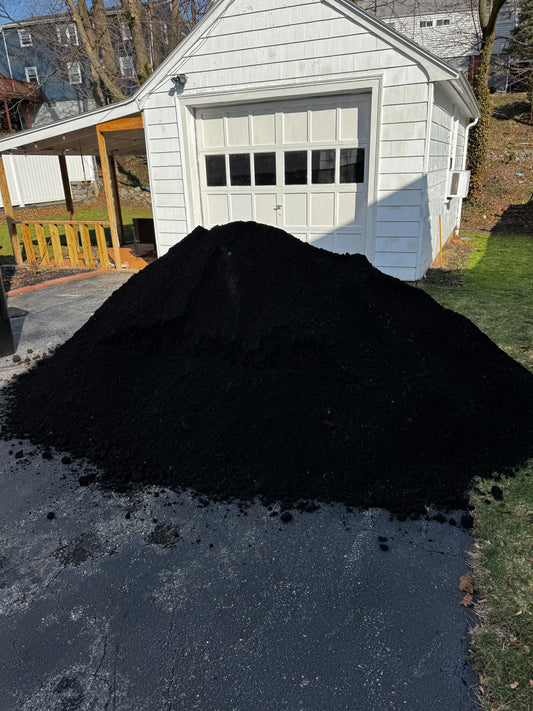
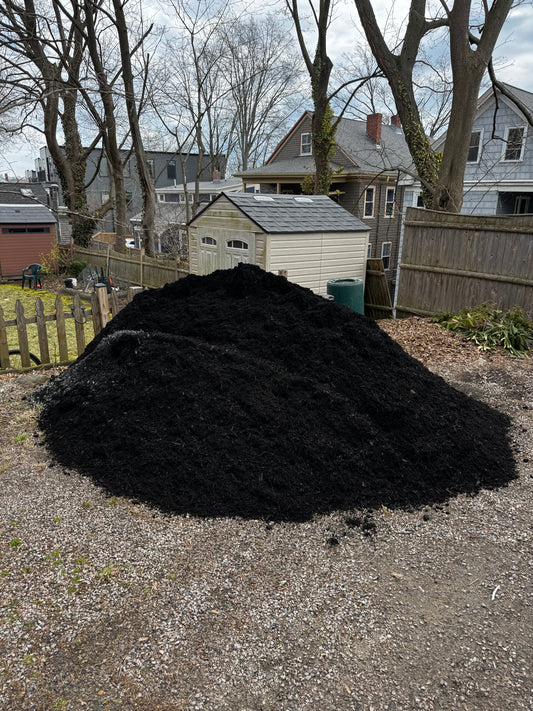
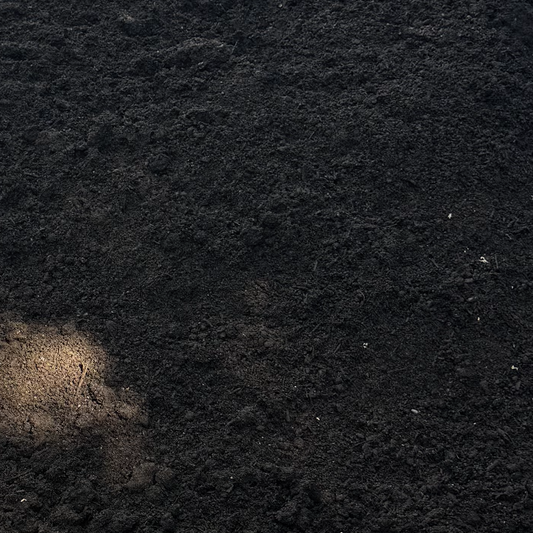
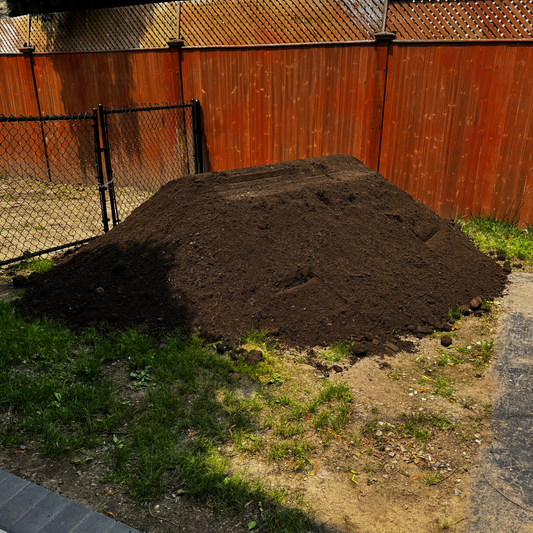
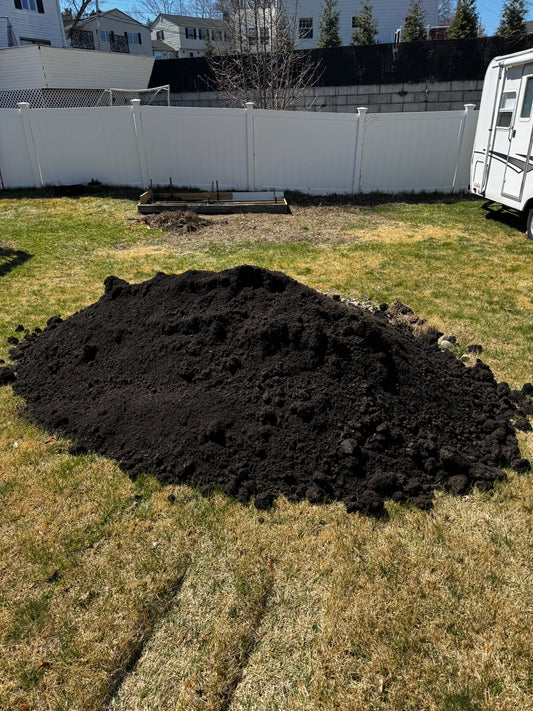
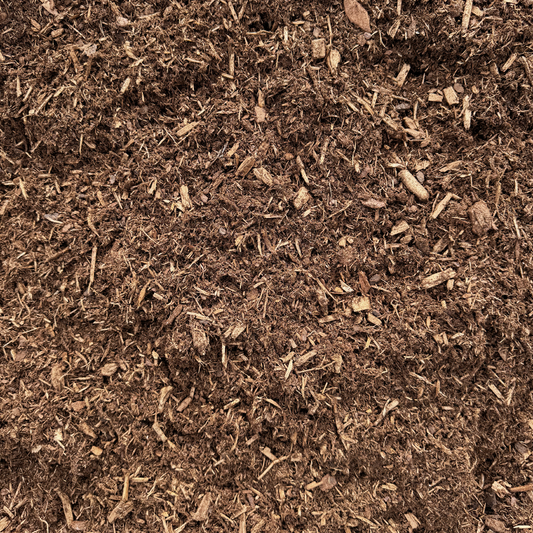
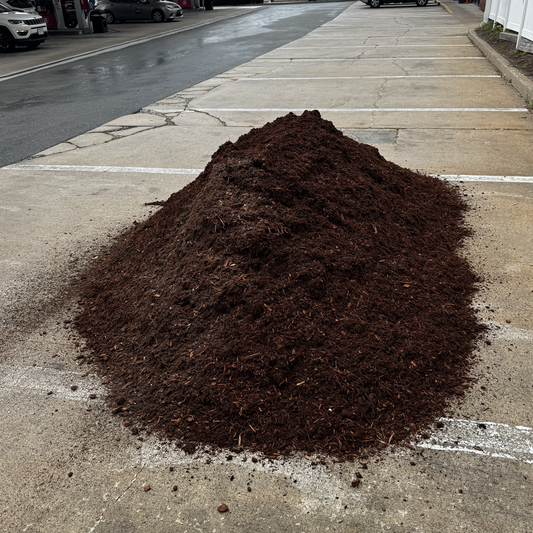
The materials breakdown for a 2,000 sq ft seed renovation: - 3 cubic yards Topsoil Loam ½" Screened - 1.5 cubic yards Compost - 16 lbs grass seed (Kentucky bluegrass / fescue / ryegrass blend) - Starter fertilizer + lime per soil test
For sod, you have all the prep above PLUS sod itself ($0.45–$0.65/sq ft for cool-season blend) and the laying labor.
Browse the Lawn Leveling & Repair collection for current per-yard rates.
Q: How long does each take to look "done"?
A: Sod looks finished day one. Seed takes 8–10 weeks to look established.
Sod is green and walkable within 2 weeks. Seed germinates in 7–14 days, fills in by week 6, and looks "done" around week 10. By spring, both look comparable — but the visual gap from August through October is real.
Q: Which holds up better long-term in Middlesex County?
A: Both perform similarly after year 2 with proper care. The variety mix matters more than the install method. A Kentucky bluegrass / fine-fescue / perennial ryegrass blend works for both Cambridge, Newton, Lexington, and Bedford lawns.
Sod has an early-life advantage — denser canopy crowds out weeds for the first season. Seed catches up by spring of year 2.
Q: When's the best Middlesex County install window for each?
A: Both want August 25 through September 25. Soil temperatures hold between 60–70°F, fall rains return, and the Middlesex County frost window doesn't shut until late October.
For sod, deliveries to Cambridge, Newton, and Watertown lots schedule fast through September. For seed, the UMass Turf Program recommends mid-September overseeding for highest germination.
For Middlesex County's specific timing during the renovation window, see August Lawn Renovation Demand in Plymouth County — the demand pattern is parallel.
Q: Which is more forgiving for a first-time DIY-er?
A: Sod. Sod tolerates DIY install errors better than seed does. Slightly uneven prep shows as bumps under sod but as bare patches on seed. Watering errors kill seed faster than sod.
That said, seed is achievable DIY with the right prep. See How to Plan a Lawn Renovation Schedule in Scituate — same 6-week schedule applies in Middlesex County, just with seed instead of sod at the end.
Q: What about partial-shade Middlesex County yards?
A: Seed wins on shade. Sod blends are bred for sun. Most sod farms can't custom-mix shade-tolerant varieties for residential orders. Seed lets you mix in fine fescues for shade tolerance — critical under mature Middlesex County maples and oaks.
Q: How much water does each need?
A: Seed needs more, more often, for longer. Seed requires light frequent watering (twice daily) for the first 14 days, then daily for 14 more. Sod needs deep daily watering for 14 days, then transitions to normal lawn watering.
If you can't commit to the seed-watering schedule, take sod or hire a crew to install seed and run watering for the first month.
Q: Sod prep — what bulk materials does Middlesex County need?
A: Same as seed prep, plus the sod. For 2,000 sq ft: - 3 cubic yards Topsoil Loam ½" Screened - 1.5 cubic yards Compost - Starter fertilizer + lime
The full prep workflow is in How to Prepare a Plymouth Lawn for Sod Installation — same playbook for Middlesex County yards.
Q: Final recommendation for a 2,000 sq ft Newton or Lexington backyard?
A: Seed. The cost savings are real, the timeline is acceptable, and Middlesex County backyards rarely have the foot-traffic urgency that justifies sod. Save sod for visible front-yard frontage on tight-timeline real-estate listings.
For full Middlesex County turf renovation guidance, the UMass Turf Program publishes the most authoritative regional advisories.