Quick Answer
To prep a Plymouth lawn for sod installation: kill or remove existing turf, till and amend soil to 4 inches deep with Topsoil Loam ½" Screened and Compost, grade smooth with a 1% slope away from foundation, roll the prepped surface, and apply starter fertilizer the morning of sod delivery. A 2,000 sq ft sod project needs 3 cubic yards of Topsoil Loam and 1.5 cubic yards of Compost. The Plymouth sod window: August 25 through October 5.
Step 1 — Kill or Remove Existing Turf
Two paths. Chemical kill: spray non-selective herbicide 14 days before install. The dead turf becomes organic matter when tilled in. Mechanical removal: rent a sod cutter and strip the existing lawn down to bare soil. Faster on small lawns, brutal on large ones.
For a 2,000 sq ft Plymouth backyard, sod cutter rental + half-day labor beats herbicide-and-wait if you're on a tight timeline.
Step 2 — Soil Test and Amendment Plan
Pull soil samples from 6–8 spots and send to the UMass Soil and Plant Nutrient Testing Lab. Plymouth's coastal sandy soils typically run acidic — most sod-prep lawns need 30–50 lbs pelletized lime per 1,000 sq ft.
Order amendments now. For 2,000 sq ft:
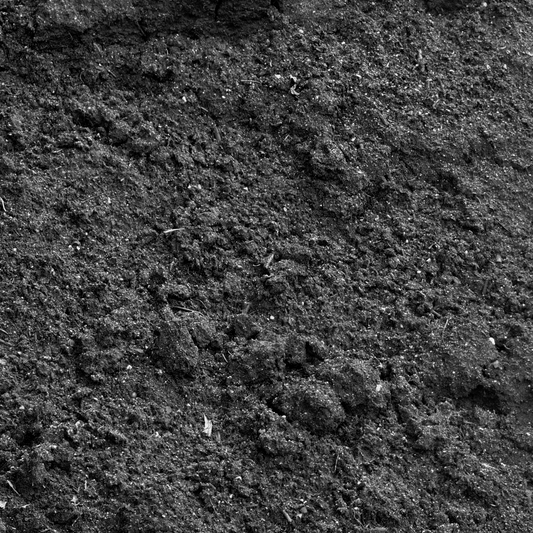
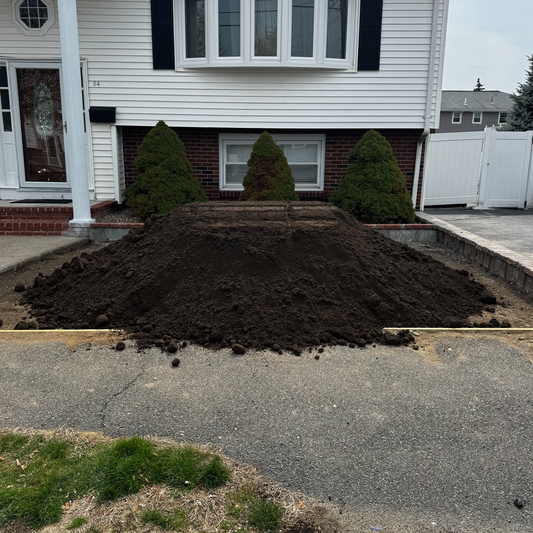
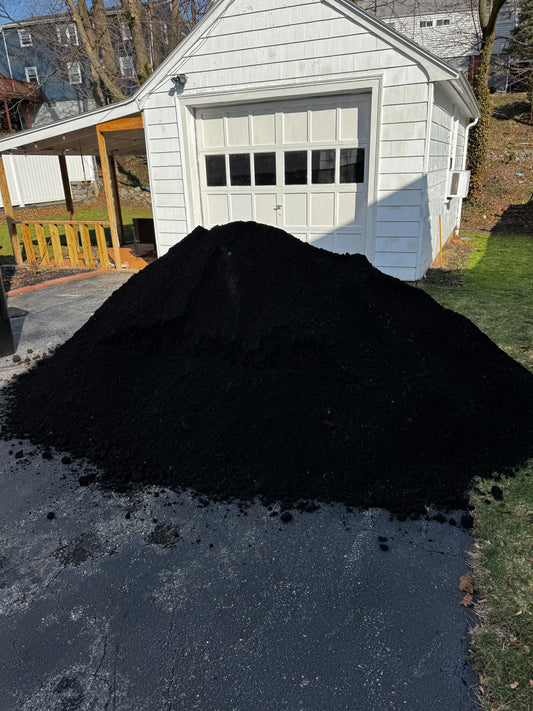
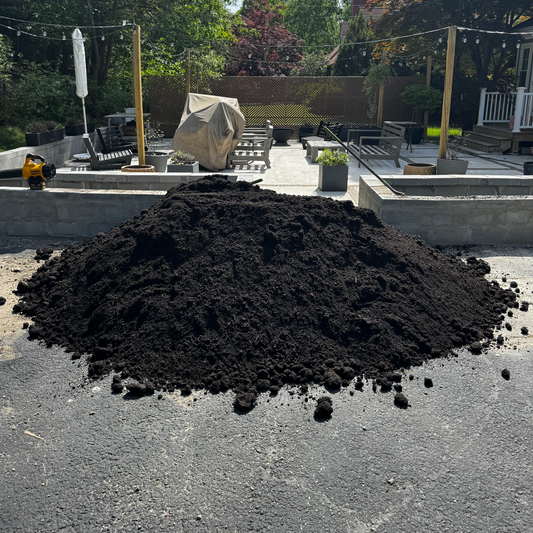
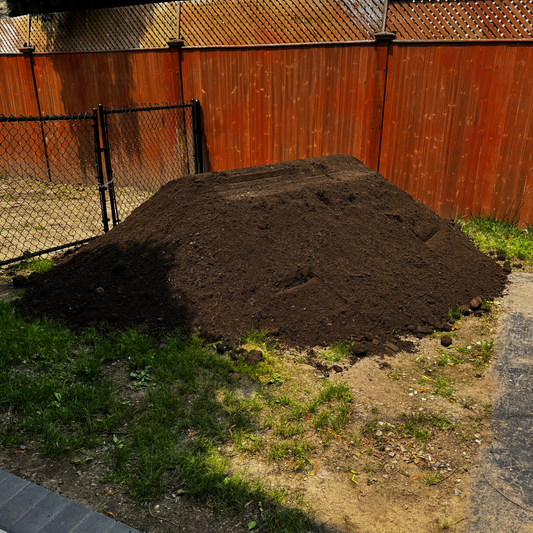
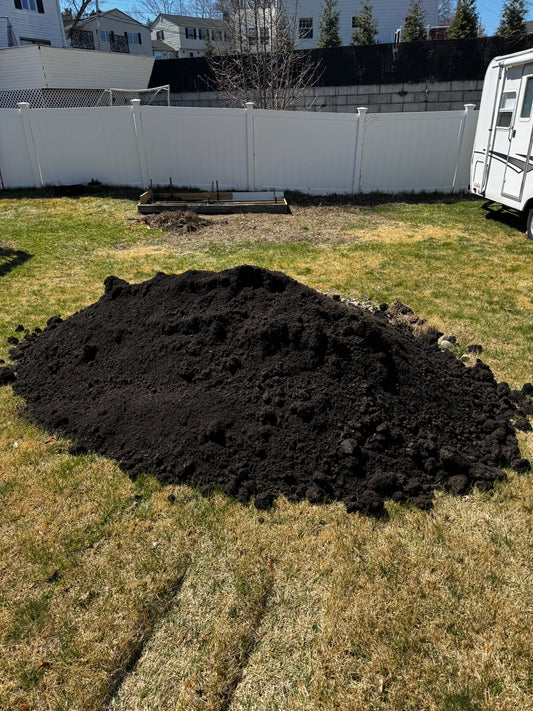
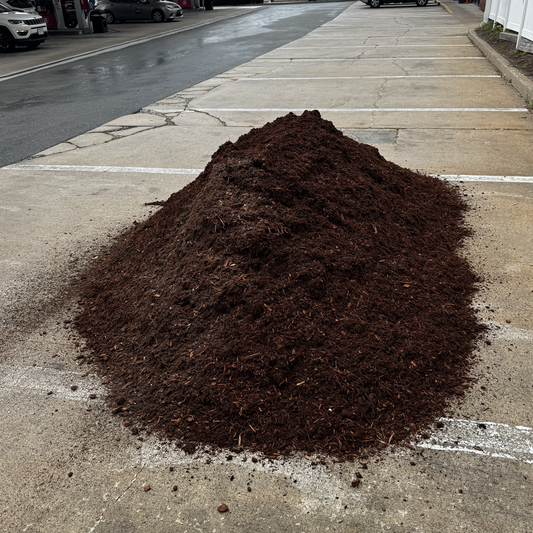
- 3 cubic yards of Topsoil Loam ½" Screened for top-dressing.
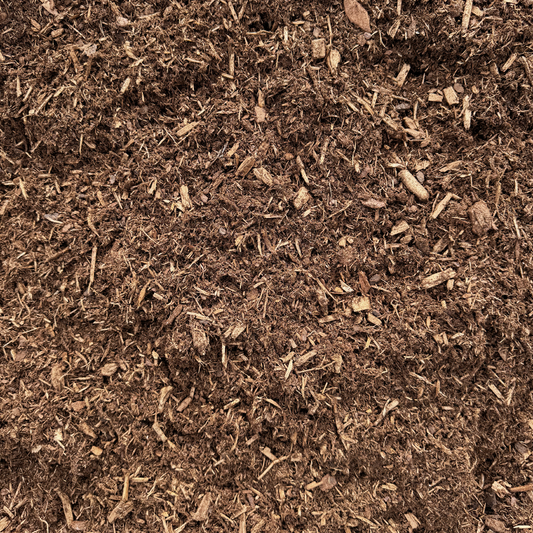
- 1.5 cubic yards of Compost for organic matter boost.
- Pelletized lime per soil test.
Browse the Lawn Leveling & Repair collection and the Plymouth Landscape Supply page for delivery to North Plymouth, Manomet, and Cedarville.
Step 3 — Till and Amend
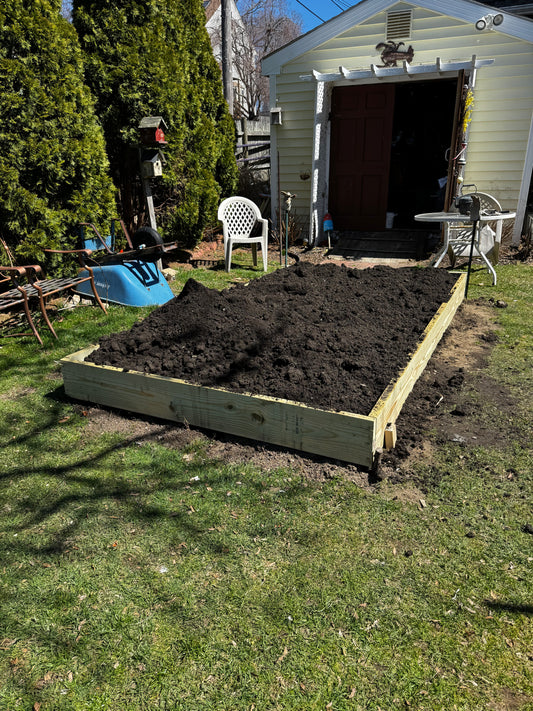
Spread Compost and Topsoil Loam across the prepped area at roughly 1" combined depth. Rototill to 4 inches deep in two perpendicular passes. The till + amend produces a uniform 4" loose seed bed for sod roots.
If existing soil is tight clay, add an extra 0.5 cubic yards of Compost per 1,000 sq ft and till deeper.
For deeper context on lawn renovation timing, see How to Plan a Lawn Renovation Schedule in Scituate — same playbook applies in Plymouth.
Step 4 — Grade Smooth with 1% Slope
Pull a landscape rake across the tilled area to grade smooth. Establish a minimum 1% slope away from any foundation — 1 inch of fall per 8 feet of run. Plymouth's wet fall and spring runoff makes this critical.
Fill any low spots with extra Topsoil Loam. Eliminate any high points that would shed water back toward the house.
Step 5 — Roll the Surface
Run a half-filled lawn roller over the prepped area to compact the soil to a firm-but-not-hard surface. Rolling reveals settling spots — fill them, re-grade, re-roll until the surface is uniform.
Footprints in the soil should be ½" deep, not 2" deep. Too soft = sod settles unevenly. Too hard = roots can't penetrate.
Step 6 — Apply Starter Fertilizer Morning of Install
The morning sod arrives, broadcast a phosphorus-rich starter fertilizer at the rate printed on the bag. Rake lightly into the top ½" of soil.
For the timing logic and demand context across the region, see August Lawn Renovation Demand in Plymouth County — Plymouth's sod install window is the busiest segment.
Step 7 — Coordinate Sod Delivery
Sod ships fresh-cut from the farm. Schedule delivery for the morning you start laying — sod sitting on pallets in August heat for 24+ hours dies. Roll out and water within 4–6 hours of delivery.
Common Mistakes
- Skipping the soil test. Plymouth's sandy acidic soils need lime, not guesses.
- Tilling too shallow. 2" tilling means shallow root establishment.
- Skipping the roll. Soft spots become low spots after the first rain.
- Letting sod sit on pallets. Heat-killed sod is unrecoverable.
For full sod installation timing and variety guidance, the UMass Turf Program is the authoritative MA source.