Quick Answer
For a typical Plympton lawn renovation, a slit-seeder beats a broadcast spreader on germination rate (78% vs 52% in our side-by-side) but adds 2 hours of equipment time and $80 in rental cost. For renovations over 5,000 sq ft, the slit-seeder pays back in better fill and fewer redo patches. For overseeding a thinning lawn under 3,000 sq ft, broadcast wins on simplicity. Plympton's sandy-loam soils favor slit-seeders for full renovations.
The Test
We ran a side-by-side on a 4,000 sq ft Plympton renovation in late August 2024:
- Half the lawn: slit-seeder pass at 6 lbs Kentucky bluegrass / fescue / rye blend per 1,000 sq ft.
- Half the lawn: broadcast spreader at the same rate, raked lightly, rolled.
Same seed, same soil prep, same watering, same starter fertilizer. The only variable: the seed-to-soil contact method.
Results at 4 Weeks
| Metric | Slit-seeder | Broadcast |
|---|---|---|
| Germination | 78% | 52% |
| Fill density | Even | Patchy |
| Hours to seed | 1.5 | 0.5 |
| Equipment rental | $80 | $0 |
| Redo patches needed | 0 | 6 (~50 sq ft) |
Slit-seeders cut 2"-deep grooves and drop seed directly into the soil — 100% of seed makes contact. Broadcast spreaders scatter seed on the surface; on Plympton's sandy soils, 30–40% of seed bounces or blows before settling, never germinates.
When Slit-Seeder Wins
- Renovations over 5,000 sq ft. The germination advantage compounds across area.
- Sloped lawns. Plympton's gentle hillsides shed broadcast seed; slit-seeders anchor seed in place.
- Sandy soils. The seed-to-soil contact problem is worst on sand. Slit-seeders fix it.
- Visible front-yard frontage. Even germination produces a clean look fast.
When Broadcast Wins
- Overseeding existing thinning lawns. Slit-seeders damage thin existing turf when there's still good grass to preserve.
- Small areas under 3,000 sq ft. Equipment rental + transport time eats the gain.
- Steep slopes that can't take equipment. Hand broadcasting is the only option.
- DIY budget-conscious projects. A $30 broadcast spreader vs $80 slit-seeder rental.
What You Need Either Way
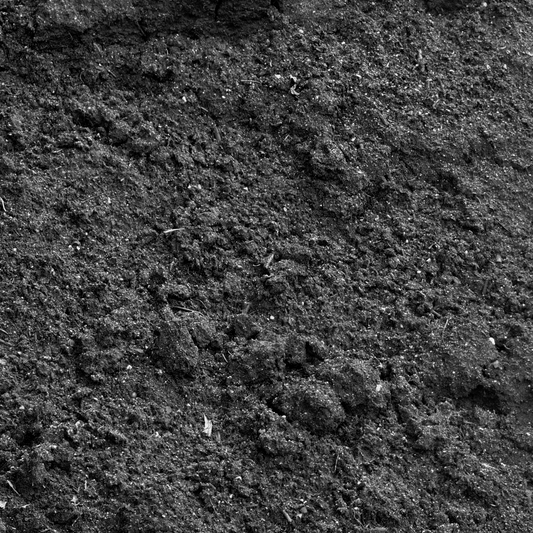
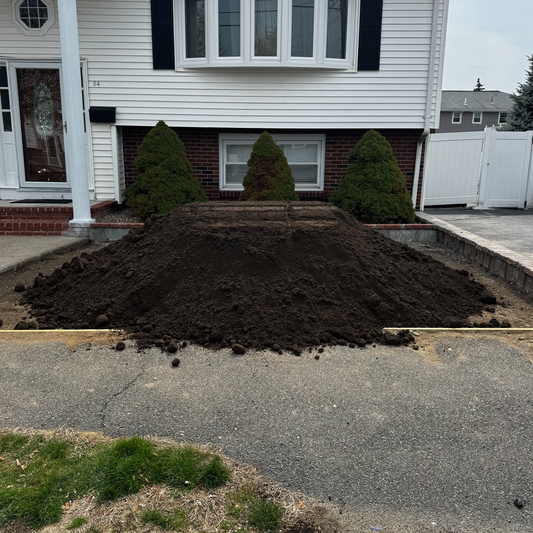
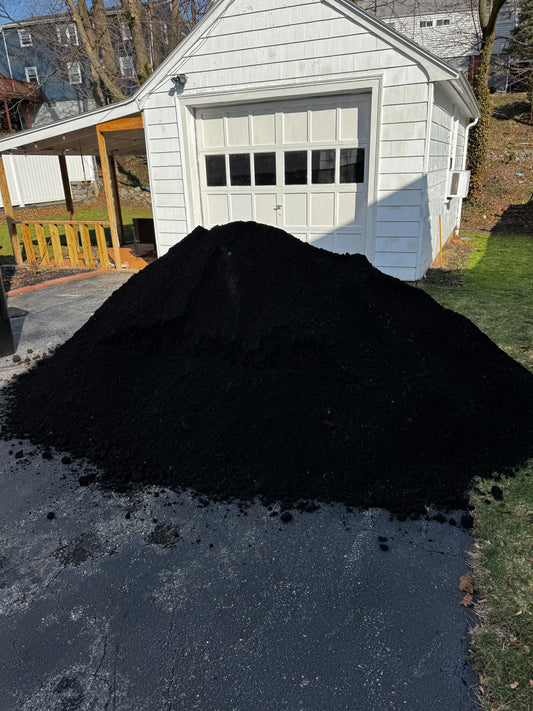
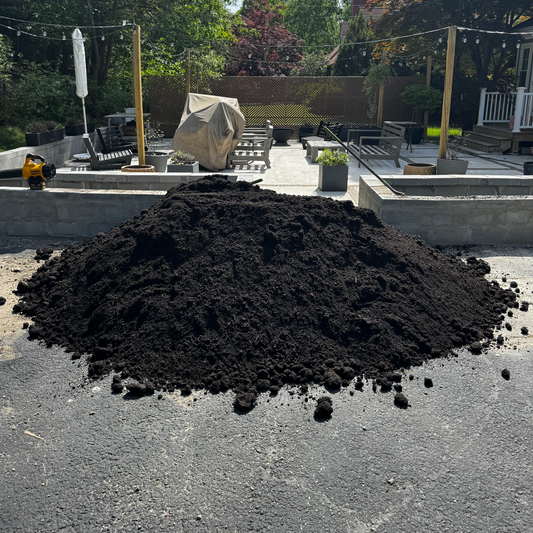
Both methods need: - Soil prep: 4" till + amendment with Topsoil Loam ½" Screened (3 cubic yards per 2,000 sq ft) and Compost (1.5 cubic yards per 2,000 sq ft). - Soil test through the UMass Soil and Plant Nutrient Testing Lab. - Starter fertilizer at install morning. - Light frequent watering for 14 days post-seed.
Browse the Lawn Leveling & Repair collection for materials and the Plympton Landscape Supply page for delivery.
For the full prep workflow that feeds either method, see How to Plan a Lawn Renovation Schedule in Scituate — Plympton renovation timing matches Scituate's South Shore window.
Plympton-Specific Notes
Plympton sits on glacial-outwash sand. Slit-seeders handle this soil type better than any broadcast method — the grooves hold seed against late-summer wind and the inevitable September thunderstorm runoff.
For the upstream sod-vs-seed decision before this method-by-method comparison, see Is Sod or Seed Better for a Middlesex County Backyard Renovation? — the cost analysis applies to Plympton too.
Equipment Sources Around Plympton
Slit-seeder rentals are available at most Plymouth-County contractor rental yards. Reserve 5–7 days ahead for late-August / early-September weekends — these are peak demand weeks.
For the broader sod-vs-seed cost analysis, see the Plympton equipment rental conversation in this article paired with Pricing Lawn Renovations in Any MA: Sq-Ft Worksheet.
Verdict
For Plympton renovations: slit-seeder for full rebuilds over 5,000 sq ft, broadcast for thin-lawn overseeds under 3,000 sq ft. The germination math doesn't lie at scale, but the rental cost outweighs the gain on smaller jobs.
For full MA turf renovation guidance, the UMass Turf Program publishes the most authoritative regional advisories.