The delivery is only the first movement. After the truck leaves, someone still needs to cover, retrieve, and load the material throughout the winter.
Whether you maintain a Norfolk County driveway or a commercial property, plan those movements before choosing the drop location. A convenient spot for unloading is not always a workable storage area.
Does the space actually hold your order?
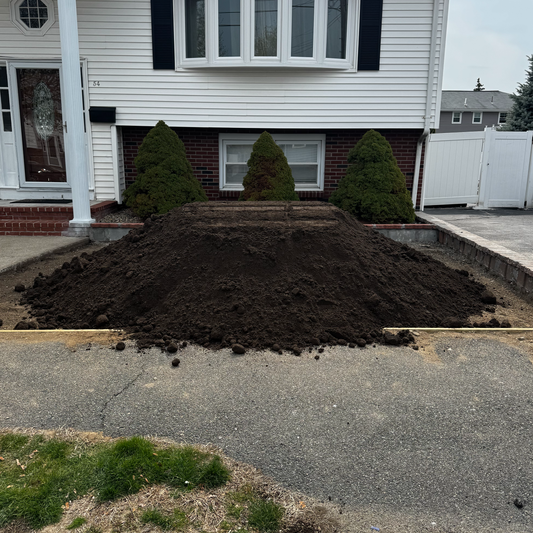
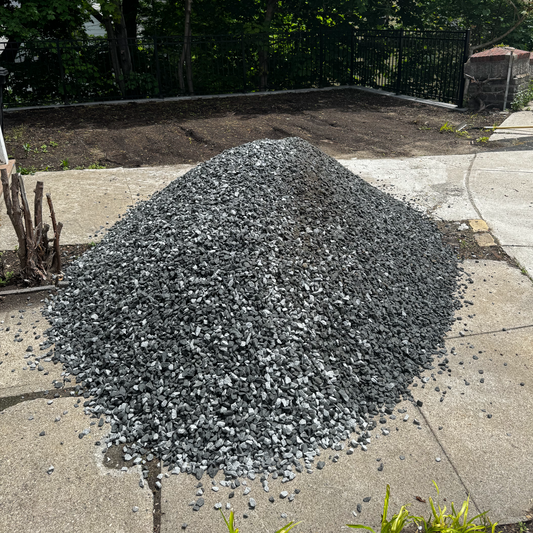
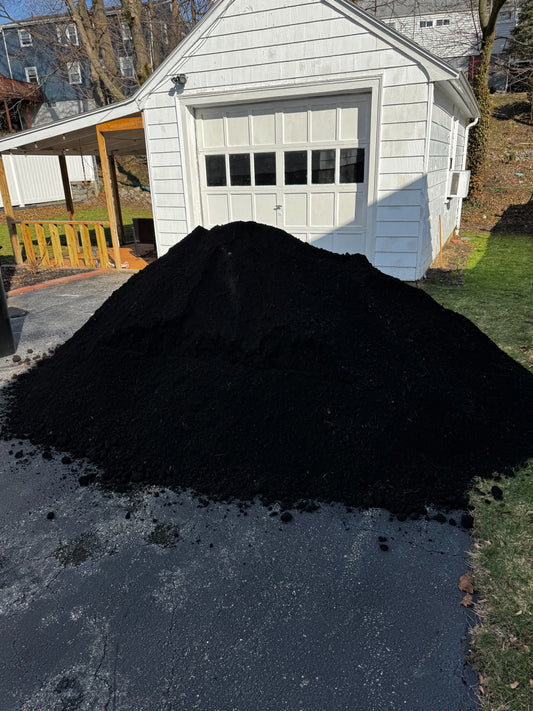
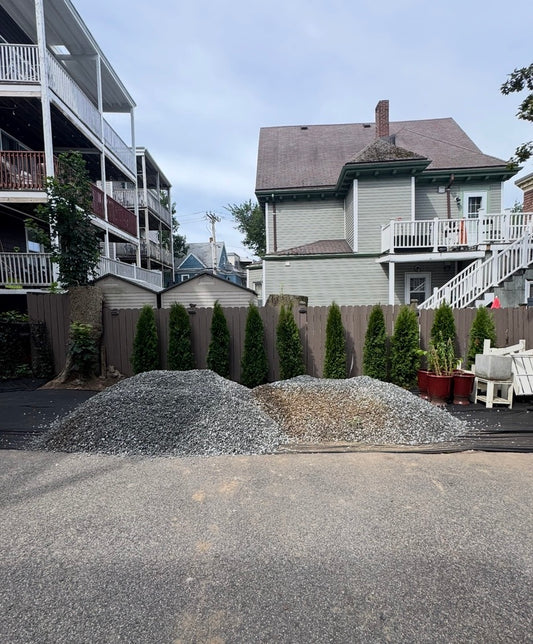
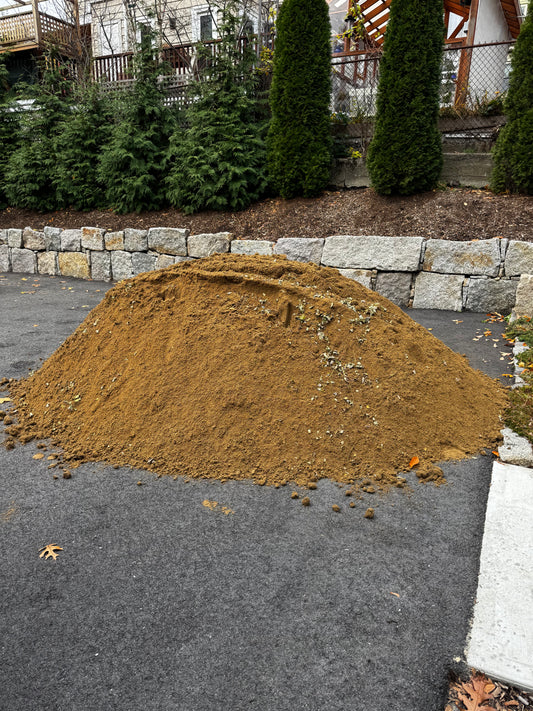
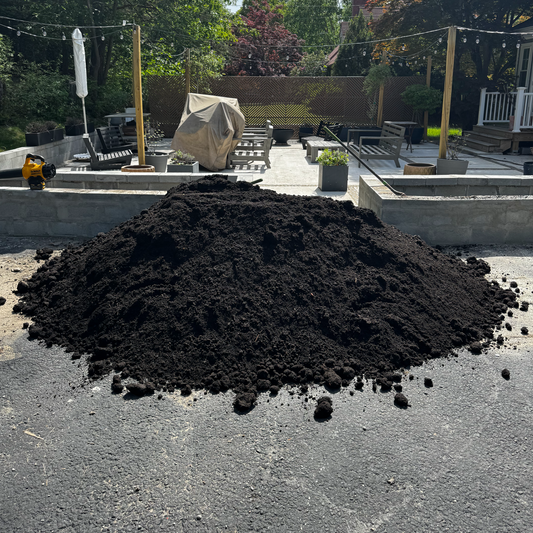
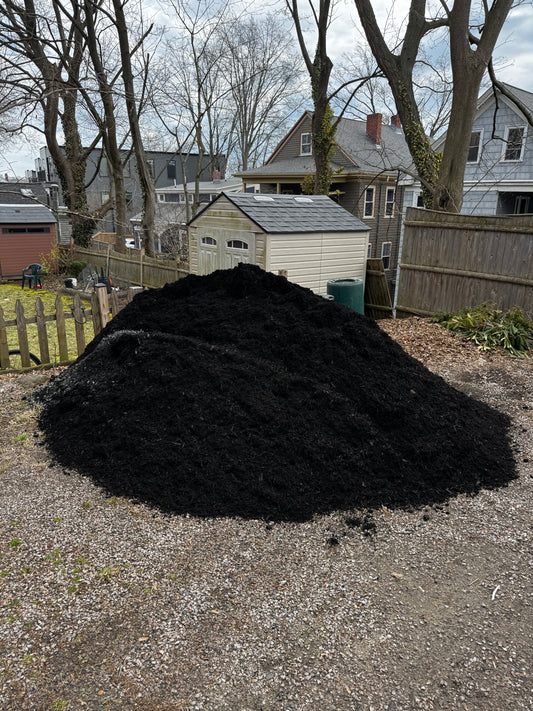
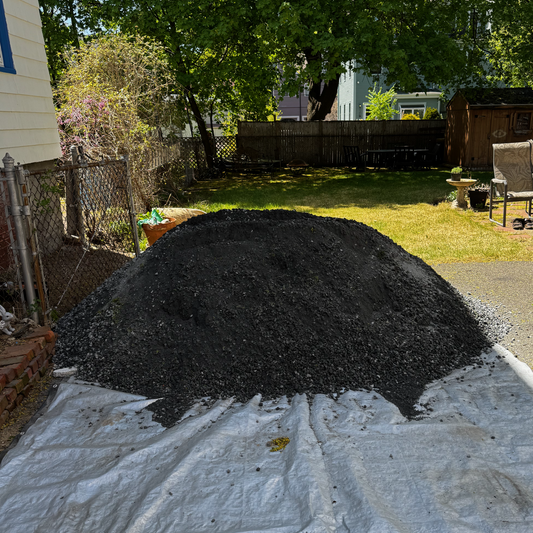
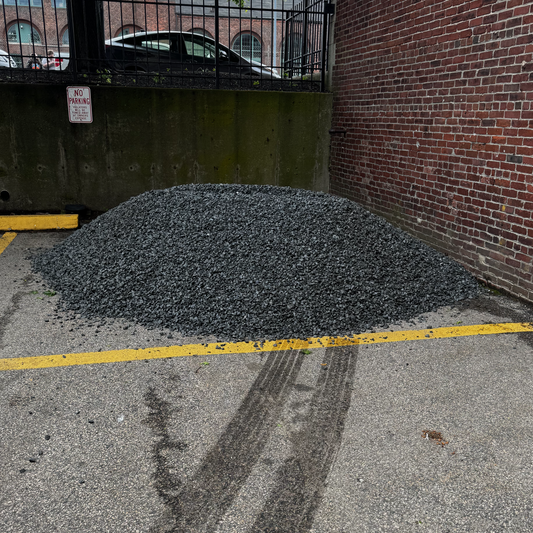
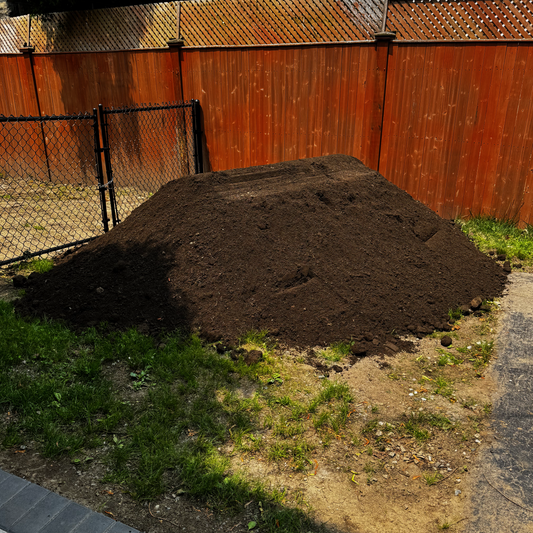
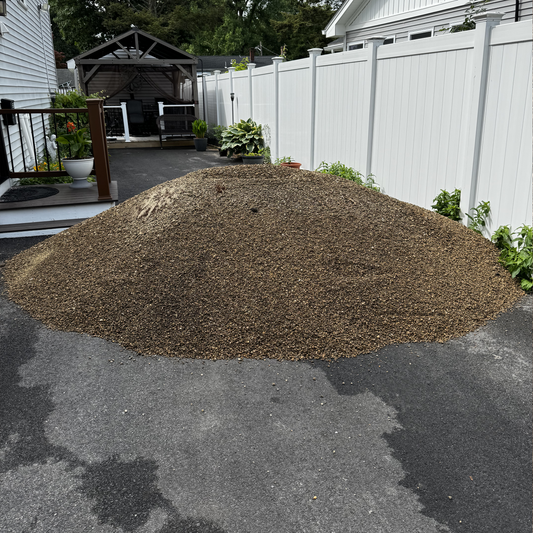
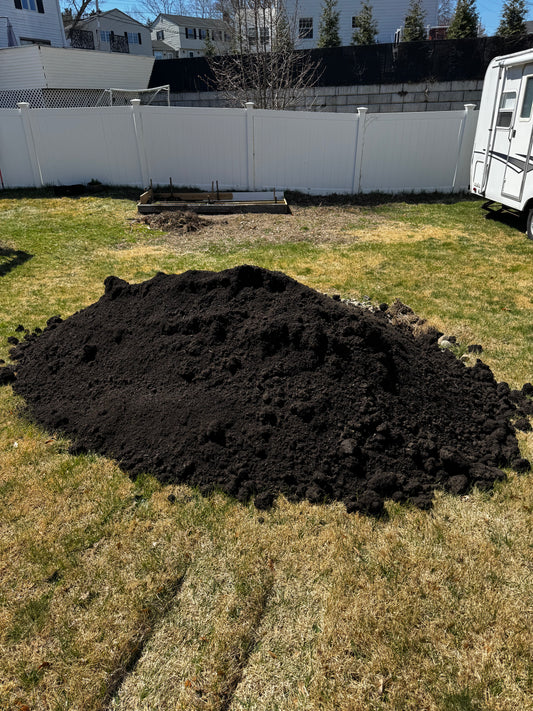
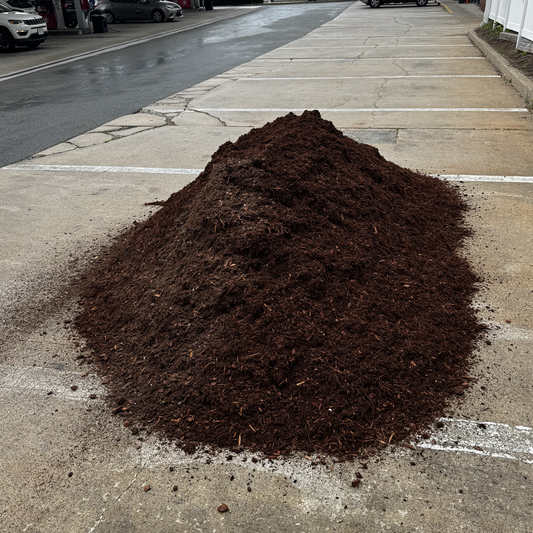
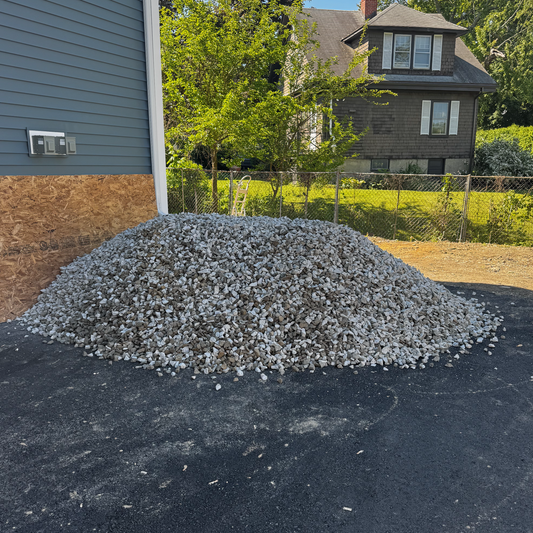
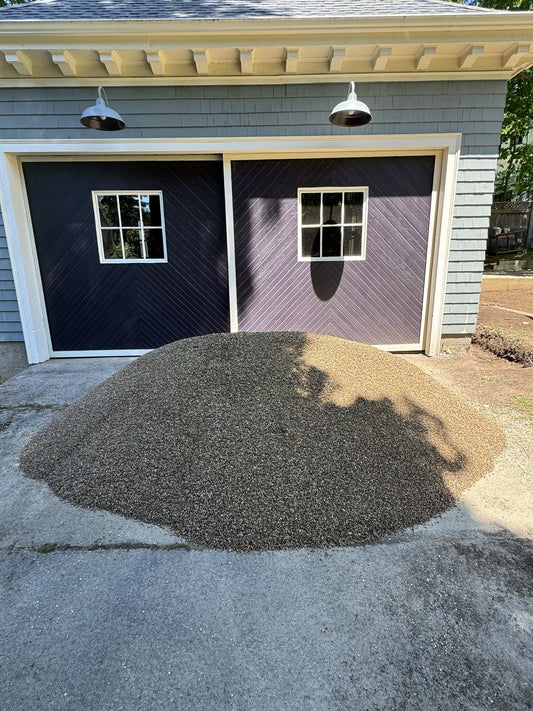
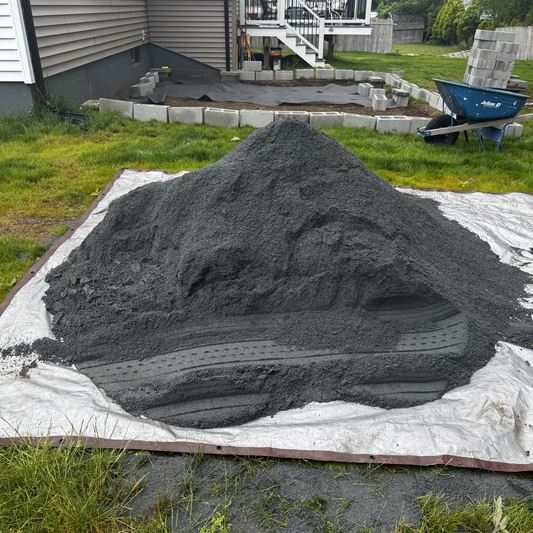
Calculate the material volume and allow for the shape of the pile, containment, and working access. One cubic yard equals 27 cubic feet, but a loose pile does not stand as a tidy three-foot cube.
Check structural capacity where relevant. Do not put bulk material on a raised floor, shelf, or improvised platform without an appropriate assessment. Large operations need storage designed around their equipment and stockpile.
What should the delivery approach look like?
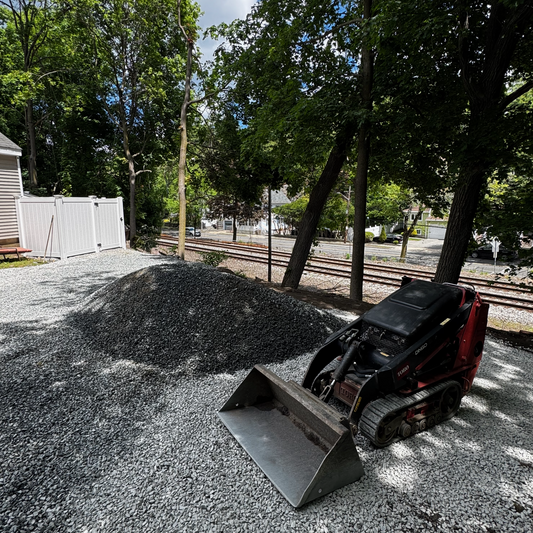
Look above and beside the route, not just at the pavement. Consider wires, branches, gates, parked cars, the turning area, and the space needed for unloading.
Use Ottr’s delivery information while preparing the site. Describe unusual access conditions in the order notes. The Dispatch Office is not a customer pickup yard.
How do you protect the material?
Plan storage that keeps rain and runoff out and contains the material. MassDEP’s road salt storage guidance describes the importance of a suitable pad, cover, and runoff controls.
Choose containment appropriate to the stockpile rather than assuming a tarp turns any bare-ground location into suitable storage. For a larger reserve, a designed storage bay may be the practical choice.
Keep loading tools ready and clean up spilled material promptly. Access that becomes blocked by parked cars or snow piles can make a full reserve difficult to use.
What should stay separate?
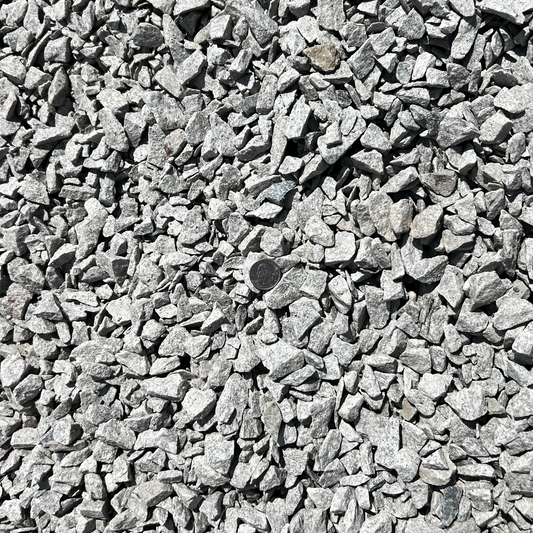
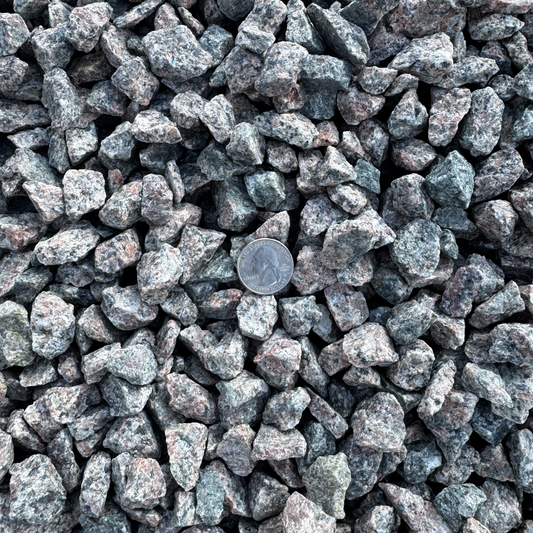
Keep rock salt, 50/50 salt-sand, and any other material clearly identified. Separate storage avoids guessing which pile is being loaded.
If you are changing from bags to bulk, plan the smaller container used during a treatment run as well as the main storage area. It should be suitable for the material and manageable for the person using it.
Our earlier covered salt pile article covers another storage setup. Once the space is ready, select your material from the winter collection and arrange the order around a drop location that works through the whole season.
Frequently asked questions
Can I plan storage after the delivery?
Prepare it first. The material needs a suitable place as soon as it arrives.
Does one yard fit in one ordinary tote?
No. One yard is 27 cubic feet and a substantial load. Use storage appropriate to that volume and weight.
Can I collect the order at the Dispatch Office?
No. Ottr’s current website identifies the business as delivery only, with no customer pickup.