Quick Answer
Planting perennials in a Massachusetts bed for summer bloom takes about 2 hours for a 6-plant border. Best window: May 7 through May 25. Five steps: prep the bed with compost-amended loam, lay plants out before digging, dig holes 1.5x the root-ball width, water in with 1 gallon per plant, and mulch to 2 inches keeping clear of stems. Materials for 6 plants: 1/4 cubic yard of screened loam, 2 cubic feet of compost, 1 cubic yard of mulch for the surrounding bed.
Why Mid-May Is the Right Window in MA
Across MA — coastal Plymouth County, inland Worcester County, the Cape, and the Berkshires — mid-May is the moment soil temperatures sit reliably between 55 and 65 degrees, the last frost is past, and nursery stock is at peak availability. Planting earlier risks cold-shock; planting later runs into June heat that stresses tender root systems.
For native-plant selections suited to the MA climate, the Native Plant Trust maintains the most comprehensive regional database — coneflower, black-eyed Susan, blue false indigo, butterfly weed, and bee balm all hit the sweet spot for May 7 planting.
Step 1: Prep the Bed (30 minutes)
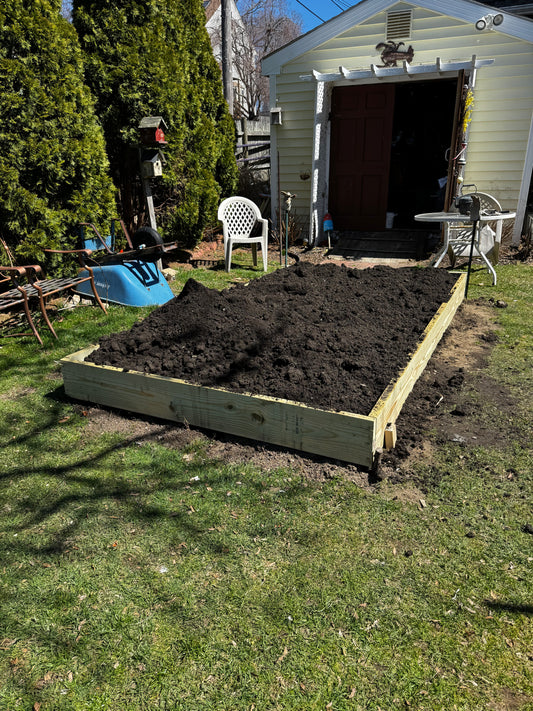
Loosen the top 8 inches of soil with a garden fork. Mix in 2 cubic feet of compost across the planting area. Level with a steel rake. The amended soil should be friable enough that a closed fist of damp soil crumbles when you open your hand.
Step 2: Lay Out Plants Before Digging (15 minutes)
Place plants still in their pots at final spacing — typically 18 inches between most perennials, 24 inches for larger species like bee balm or false indigo. Step back, look from across the lawn, adjust. Cheaper to move pots than dig holes twice.
Step 3: Dig and Plant (45 minutes)
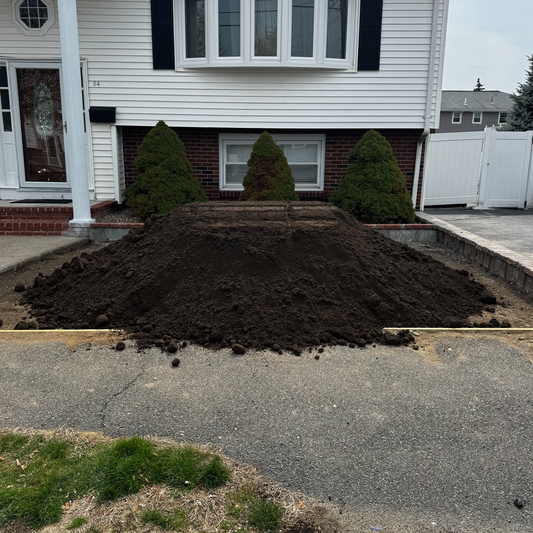
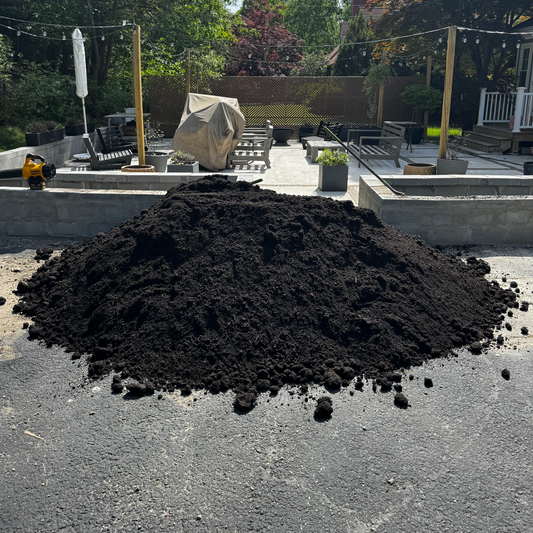
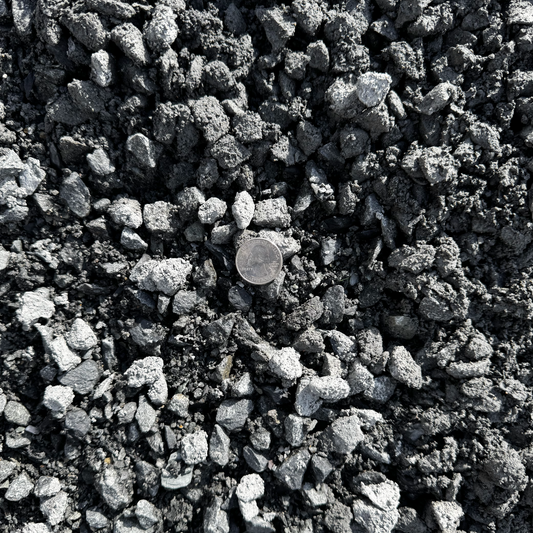
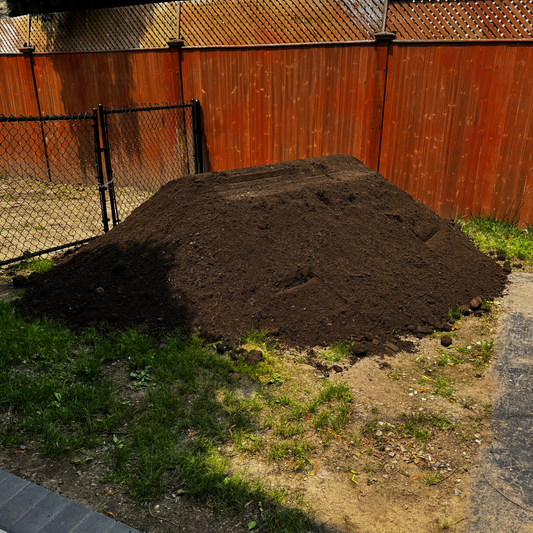
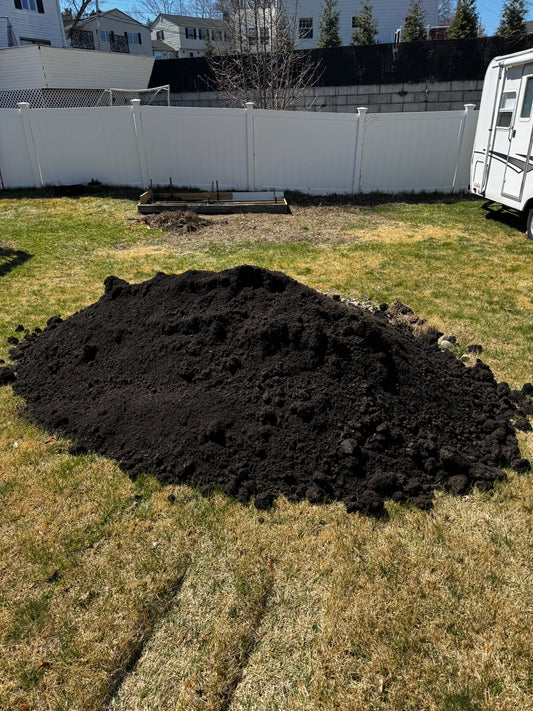
Dig each hole at 1.5x the root-ball width and the same depth as the root ball. Loosen the root ball with your fingers — break up any circling roots. Set the plant so the crown sits at grade. Backfill with loam-compost mix, firm gently. Browse the plant establishment + tree planting collection for bulk Topsoil Loam 1/2" Screened and bulk Compost.
Step 4: Water In Deeply (10 minutes)
Soak each plant with 1 full gallon of water. Let it drain. The deep first water settles the soil around the root ball and pushes out air pockets. Skip this and the plant wilts in week one.
Step 5: Mulch Around Plants (30 minutes)
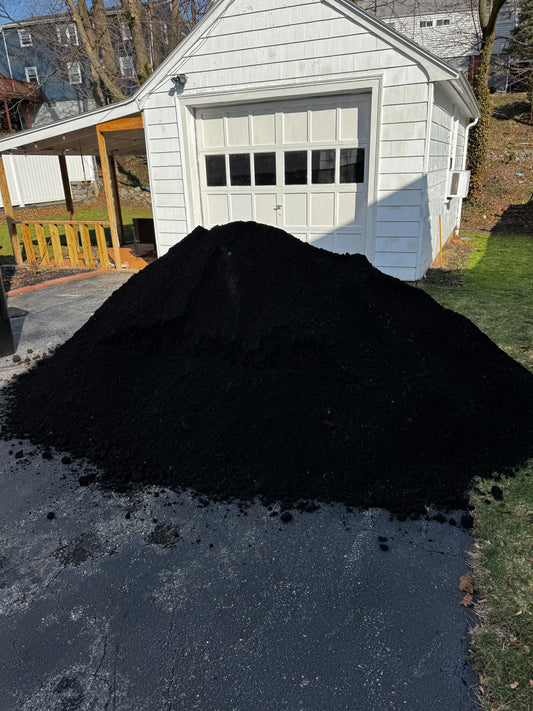
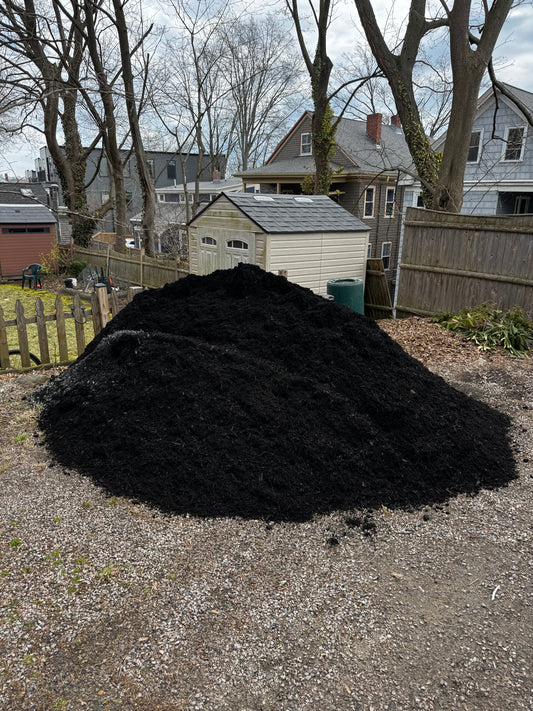
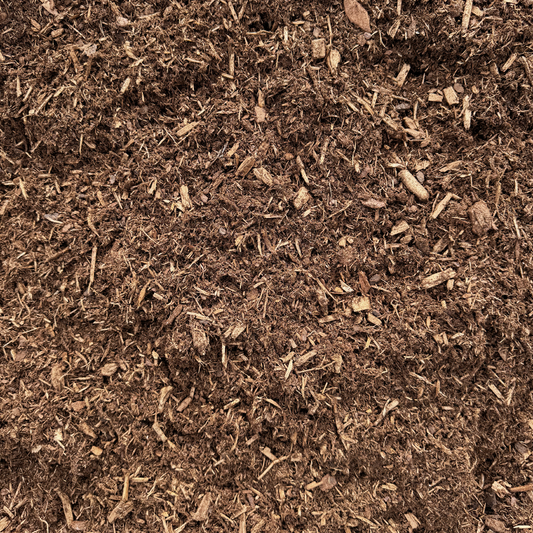
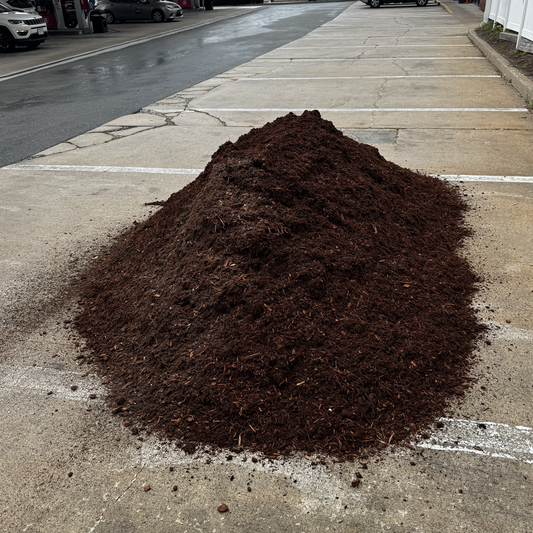
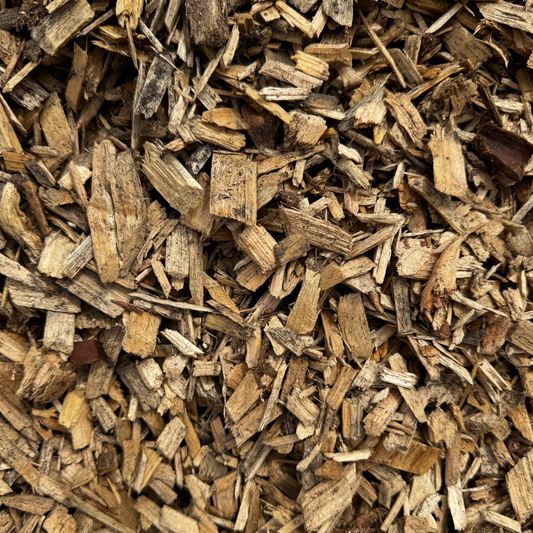
Apply 2 inches of bulk Hemlock or Pine Bark Mulch around plants. Keep mulch 2 inches back from stems. The mulch locks in moisture, suppresses weeds, and moderates soil temperature through summer heat. The Norfolk County May 1 task list covers the parallel pre-planting bed prep that pairs with this work.
Materials Cheat Sheet (6-plant perennial border)
- 1/4 cubic yard Topsoil Loam 1/2" Screened
- 2 cubic feet Compost
- 1 cubic yard bulk Hemlock or Pine Bark Mulch
- 6 perennials in 1-gallon containers
- Hand trowel, garden fork, watering can
Watering Schedule for the First 30 Days
- Days 1–7: 1 gallon per plant every other day
- Days 8–21: 1 gallon per plant twice a week
- Days 22–30: 1 gallon per plant once a week
- After day 30: Native perennials need supplemental water only during dry spells
The Newton Memorial Day demand update covers the parallel raised-bed planting push happening in the same window.
How This Compares to 2026
The 2026 season-close, May 1: Closing Out Spring Mulch Season Across Plymouth County, notes perennial planting runs through May 20 — this article is the procedural complement.
For MA-native species selection, Native Plant Trust is the most authoritative regional source.