Quick Answer
No — October is still feasible for a Winchester paver patio, but the window closes around October 25. Concrete pours, polymeric sand setting, and adhesive caps all need 24+ hours above 50°F to cure properly. Winchester's first frost averages November 1–4, so the early-to-mid-October window is reliable. Past October 25, push the project to spring — the cure-window math turns into a coin flip with freeze-thaw consequences. For paver patios in particular: book by October 5 for early-October install; book by October 12 for mid-month install; nothing past October 22.
Why the Cure Window Is the Limit, Not the Frost Date
The Winchester first-frost average is November 1–4, but frost itself isn't the project killer for hardscape. The killer is the cure window — the 24- to 168-hour period after install where the materials need warm, dry conditions to reach full strength. Specifically:
- Polymeric sand: 24+ hours above 50°F
- Concrete (footings, patio slabs): 7 days above 40°F
- Construction adhesive on caps: 60°F application temperature
- Mortar and grout: 48 hours frost-free
After October 25 in Winchester, all four become weather-gated. Even a week of warm days followed by a single freeze can crack under-cured polymeric and pop pavers loose by spring.
For the contractor pricing context, see Last-Window Hardscape Pricing for Cambridge Crews. For the Hyde Park calendar news, October Hardscape Window Closes for Hyde Park Crews.
Q: When is the latest I can start a paver patio in Winchester?
A: October 18 if the install is single-day; October 12 if it's a 2–3 day project. A 200 sq ft paver patio with polymeric sand finish takes 2–3 days. Starting October 12 leaves enough cure-window buffer through October 25. Starting later means the polymeric sand sets in marginal conditions.
Q: Does Winchester's microclimate help?
A: Slightly. Winchester sits in a sheltered valley along the Aberjona River, with mature canopy in older neighborhoods (Symmes Hill, Wedgemere, Black Horse Terrace). That moderates temperatures versus more exposed inland locations like Lexington or Concord — first frost arrives 4–5 days later in central Winchester than in adjacent Burlington. Useful, but doesn't change the cure-window math materially.
Q: What about poured concrete patios specifically?
A: Poured concrete needs 7 days above 40°F minimum for full strength. Calendar-counting backward from Winchester's typical first-frost window (November 1–4), the latest pour date is around October 22–25. Past that, concrete additives or insulation blankets become necessary — adds 15–20% to the cost.
Q: Can I do the base prep in October and the pavers in spring?
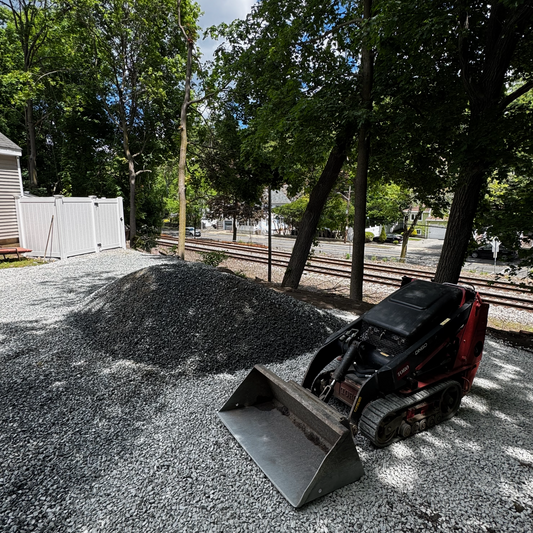
A: Yes — and this is often the right move. Bulk excavation, base material delivery and compaction, and edge restraint installation can happen anytime above freezing. The paver-and-polymeric-sand finish layer is what's weather-gated. Splitting the project saves a fall scramble.
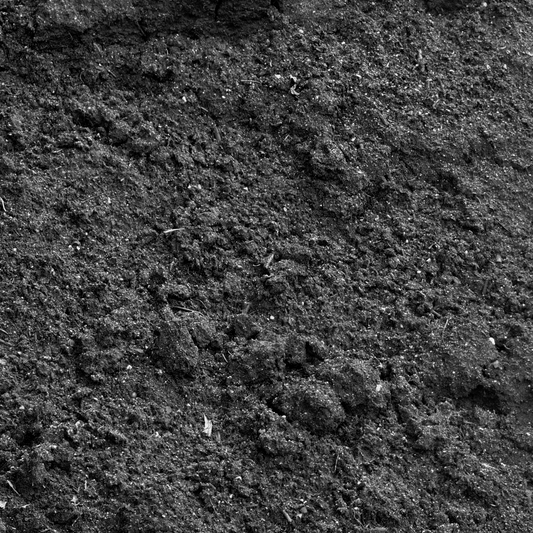
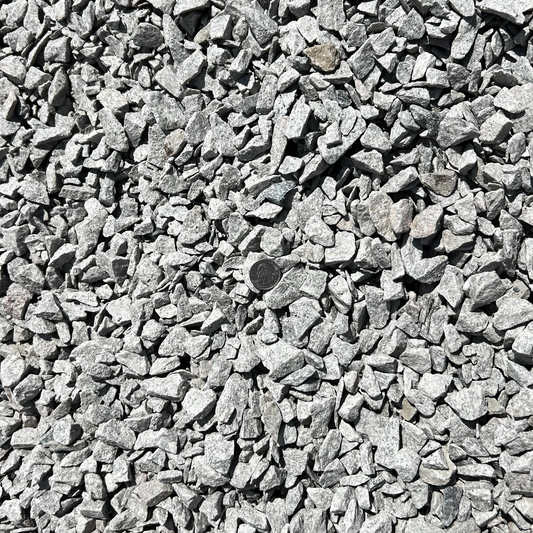
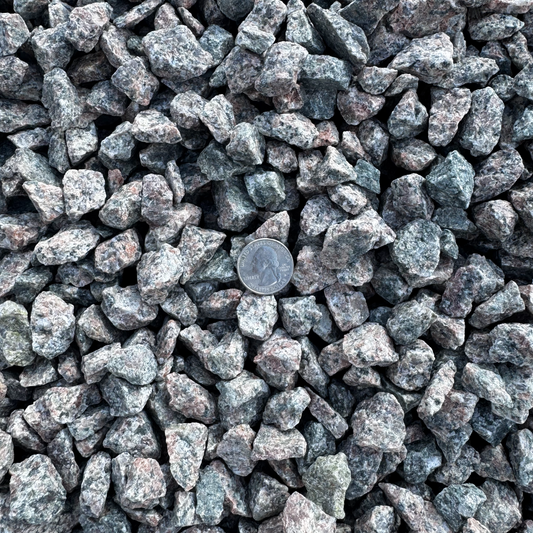
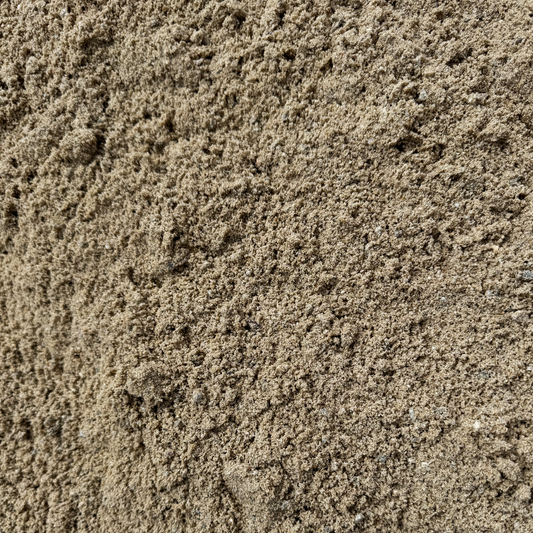
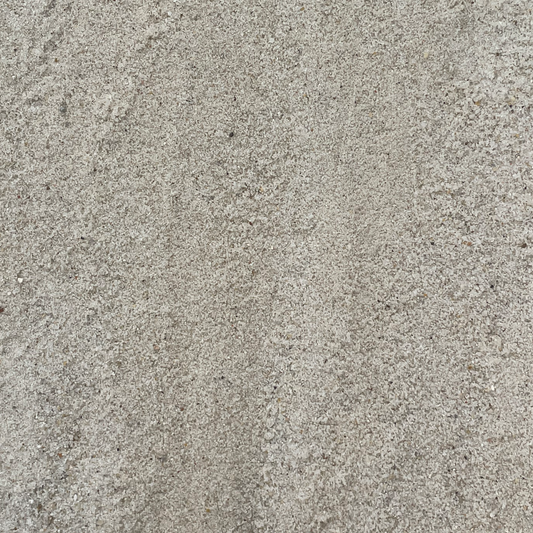
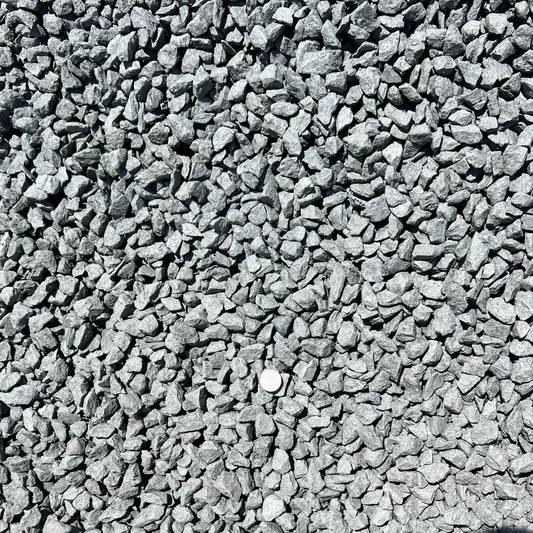
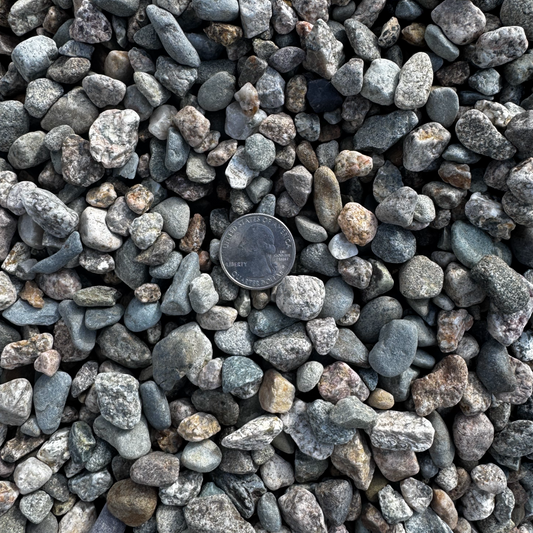
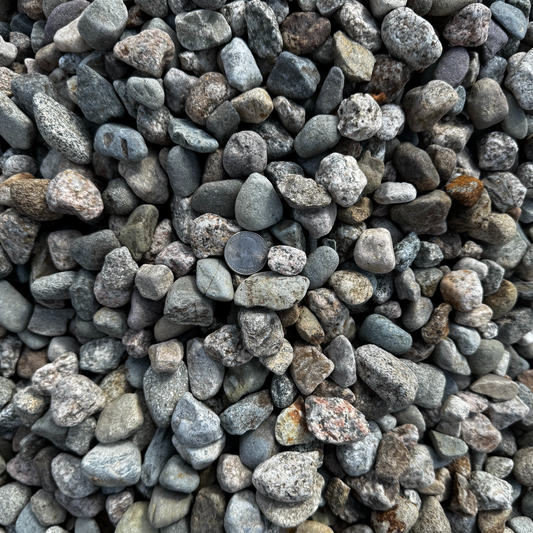
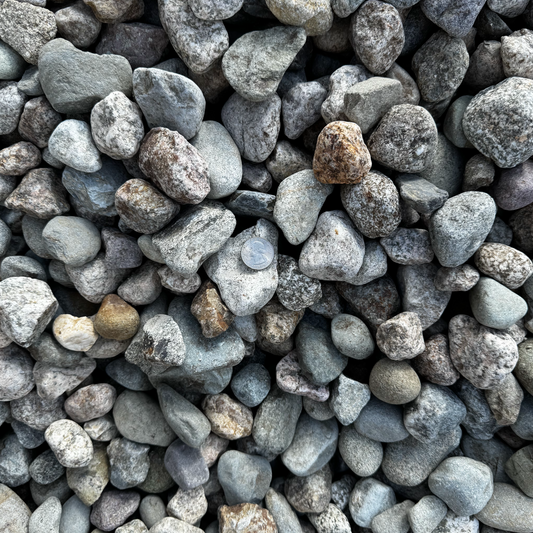
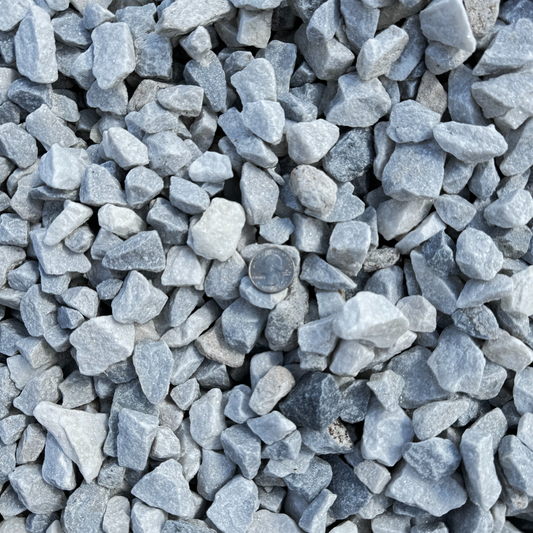
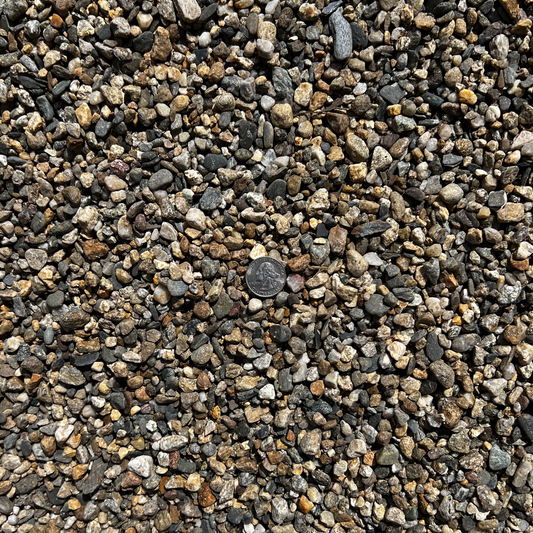
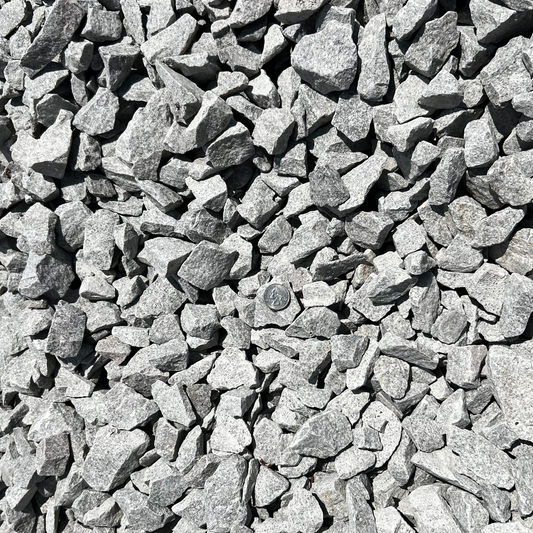
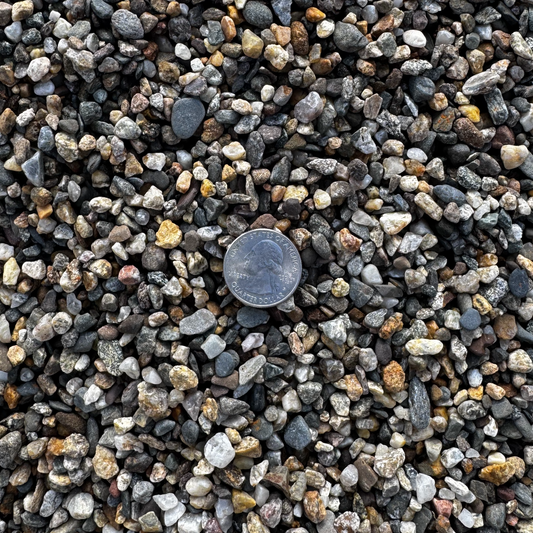
For the base materials, browse the patio walkway base collection — Dense Pack ¾" to minus and Blue Stone Dust are the standard ICPI-spec choices.
Q: What if it just snows once and then warms up?
A: One snow event isn't fatal, but stop work until the surface dries. A light dusting that melts within hours doesn't harm cured polymeric sand. A wet surface during install or cure is the problem — water in joints under freezing temperatures expands and cracks the sand. Cover the work area with tarps if rain or snow threatens during the cure window.
Q: Are October paver prices higher than September?
A: Yes, modestly. Bulk pricing on base materials runs 5–8% above July rates through October peak. Trucking is the driver. For Winchester addresses, the Winchester landscape supply routes deliver locally — Symmes Hill, Wedgemere, Black Horse Terrace, Vinson Owen.
Q: What materials should I order to start a Winchester October patio?
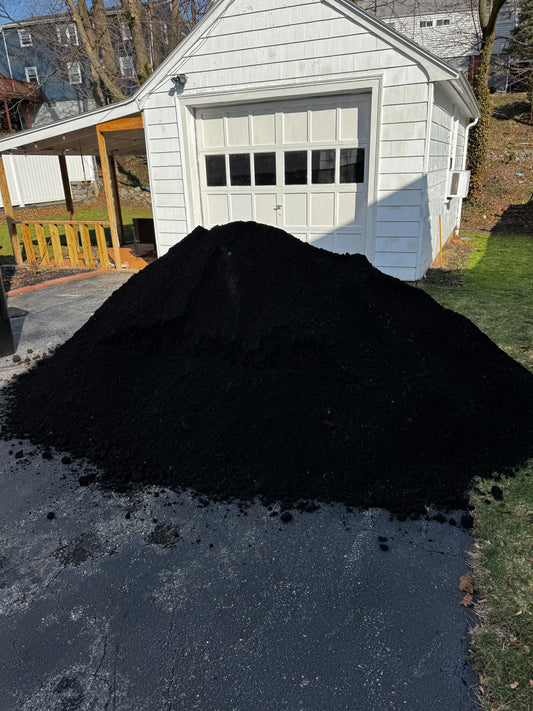
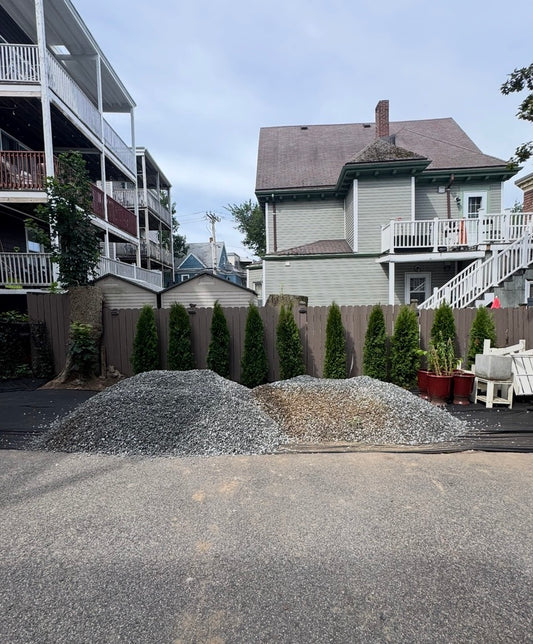
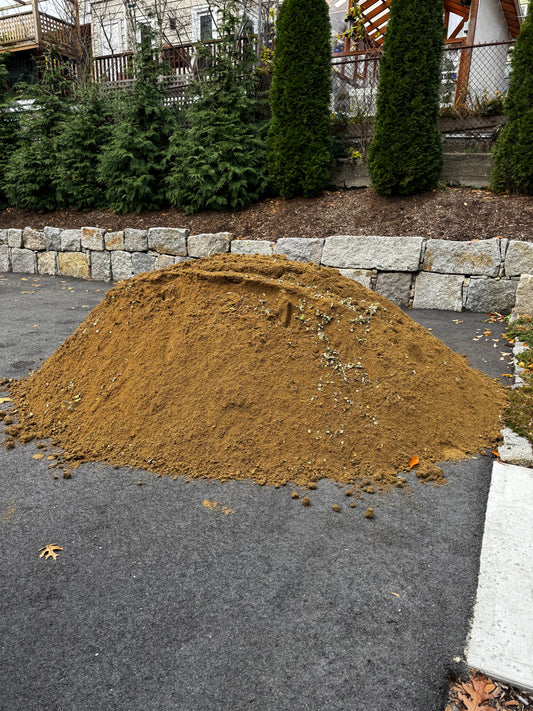
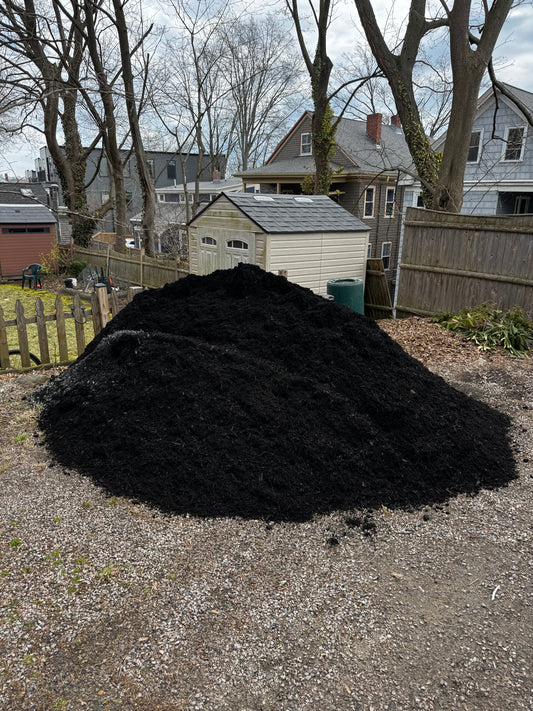
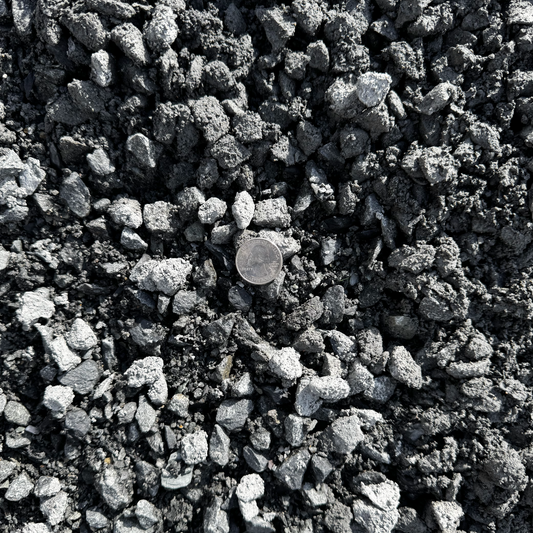
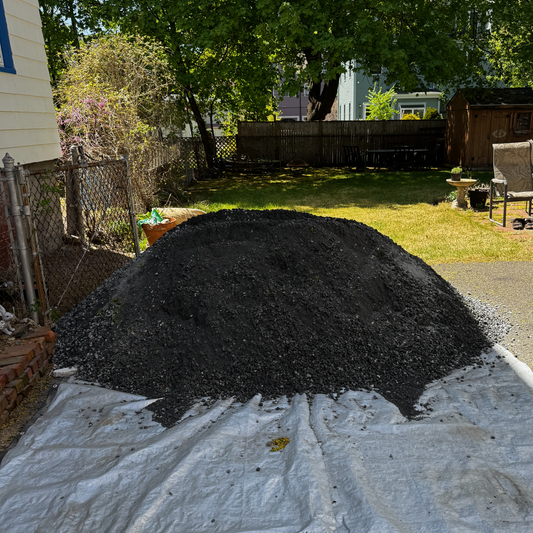
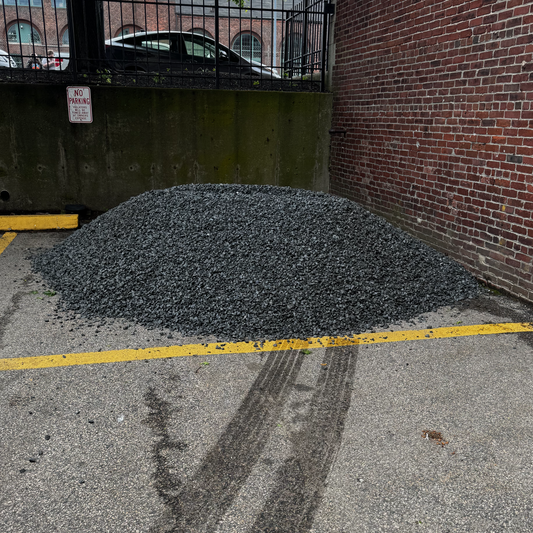
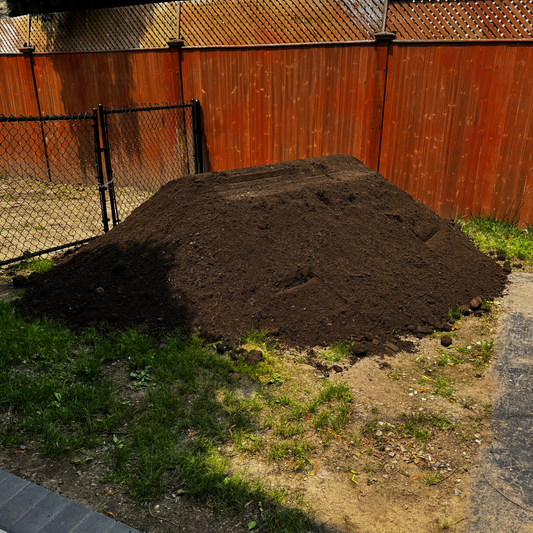
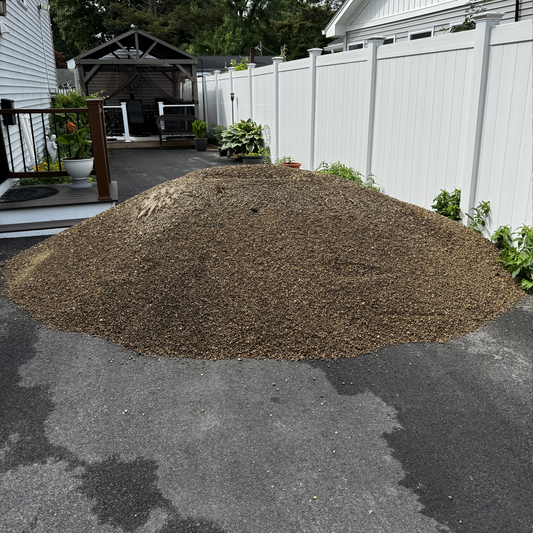
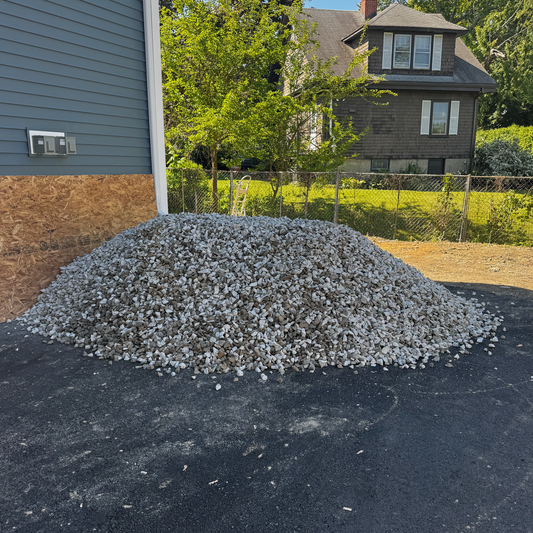
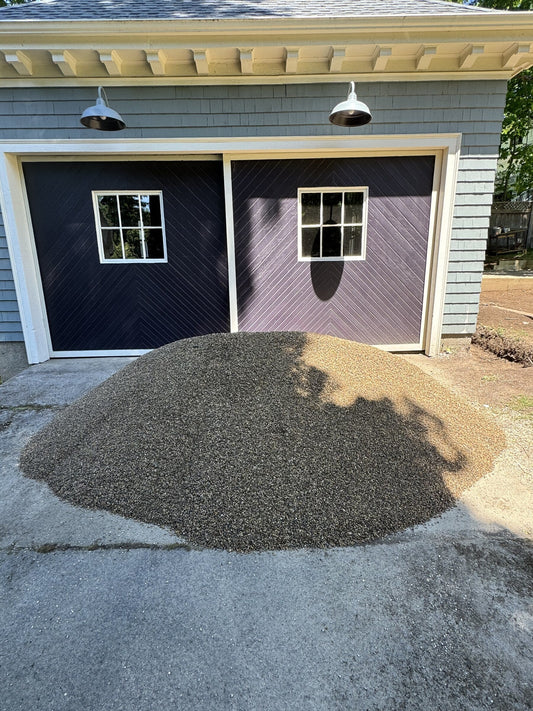
A: For a 200 sq ft pedestrian patio with ICPI base spec: - 3 cubic yards Dense Pack ¾" to minus (6-inch compacted base) - 1 cubic yard Blue Stone Dust (1-inch setting bed) - 200 sq ft of pavers (from a hardscape supplier) - 2–4 bags polymeric sand - Edge restraint (plastic or metal) + spikes
Total bulk order: 4 cubic yards. Browse the patio walkway base collection for current pricing.
Q: My contractor wants to start October 28 — should I push back?
A: Yes. Past October 25, polymeric sand cure becomes weather-gated. A reputable contractor will already be booking spring for late-October starts. If yours is pushing past that date, ask about cure-window contingency, weather coverage, and warranty terms specifically covering freeze-thaw failure. Some won't be willing to warrant the work.
For the related fire pit build that's a more flexible fall project, see How to Build a Fall Fire Pit in a Worcester County Backyard — dry-stacked retaining-block fire pits don't depend on cure windows the same way.
Q: What about smaller hardscape — walkways, stepping stones, patio touch-ups?
A: More flexible. Stepping stones set in dry sand or stone don't depend on chemical cure. Walkway repairs at the edge of an existing patio can use the existing base. Polymeric joint refresh is the only weather-gated component, and that can be deferred to a warm spring weekend.
For the touch-up scope, see 5 Fall Hardscape Touch-Ups for Roslindale Backyards.
Q: Does Ottr deliver to Winchester?
A: Yes — through the Winchester landscape supply routes. Dense Pack ¾", Blue Stone Dust, Crushed Concrete 1" to minus, and decorative stone are all available by the cubic yard. Lead times are 5–7 days through October peak. Order ahead.
The ICPI maintains the authoritative reference on weather windows and base specs for paver installs.
The Winchester October Patio Playbook
- Now: Walk the project area, finalize design, get bid.
- By October 5: Lock in the install date and order materials.
- October 6–22: Install. Cover work zone if rain or snow threatens.
- By October 25: Polymeric sand applied and cured.
- October 25+: No new install — push to spring.
The short version: Winchester October is workable through about October 22, then the cure-window math closes the door. Order materials early, build cure-window buffer into the schedule, and consider splitting the project (base now, finish in spring) for late-October starts.