




Quick Answer
No — November is not too late to mulch in Plymouth County. In fact, November 1–25 is the prime window for "winter-protection" mulching of perennial beds, newly planted trees and shrubs, and tender root systems. The right depth (2–3 inches), the right product (hardwood or pine bark, not dyed mulch), and the right timing (after first hard frost, before the ground freezes) protect plants through Plymouth County's freeze-thaw cycles. Mulch laid in November buys 4–6 weeks of root-zone protection that mulch laid in March doesn't deliver.
Why November Mulching Works in Plymouth County
Plymouth County sees its first hard frost between October 25 and November 10 in most years. After frost, soil starts cooling — but doesn't fully freeze until late December or January. That cooling window is when winter mulch earns its keep: it slows the rate of soil temperature drop, prevents shallow root systems from heaving with each freeze-thaw cycle, and locks in the November rain moisture for plants to draw on through dry winter spells.
For broader pre-winter mulch strategy across the South Shore, see Top 5 Pre-Winter Mulch Strategies for Plymouth County Yards and the October Mulch Demand Surge in Medford for context on regional demand patterns.
Q: What's the difference between spring mulch and November "winter-protection" mulch?
A: Purpose, depth, and timing. Spring mulch is mostly aesthetic + weed suppression + moisture retention through summer heat. November winter mulch is insulation — it holds soil temperature steadier through Plymouth County's freeze-thaw cycles. Spring mulch goes 3 inches deep on warming soil; winter mulch goes 2–3 inches deep on cooling soil, never piled against trunks.
Q: When exactly should I mulch in November in Plymouth County?
A: After the first hard frost (28°F overnight), before the ground freezes solid. That's typically November 5–25 across Plymouth County. Mulch laid before frost can hold soil too warm and delay dormancy in tender shrubs. Mulch laid after the ground freezes solid sits on top and provides almost no insulation value.
The week after the first hard frost is the sweet spot. Watch the forecast.
Q: What kind of mulch should I use for November application?
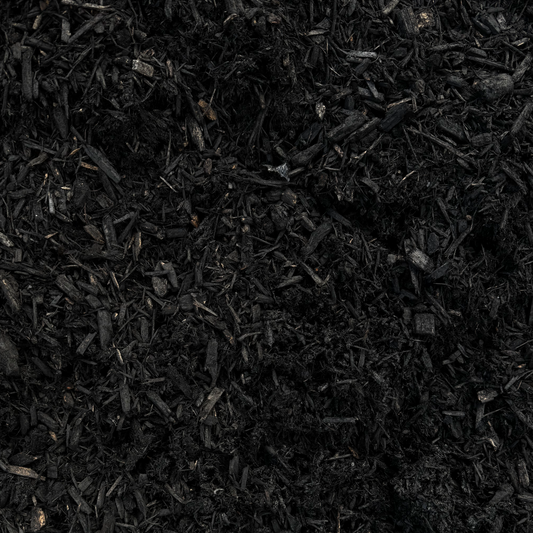
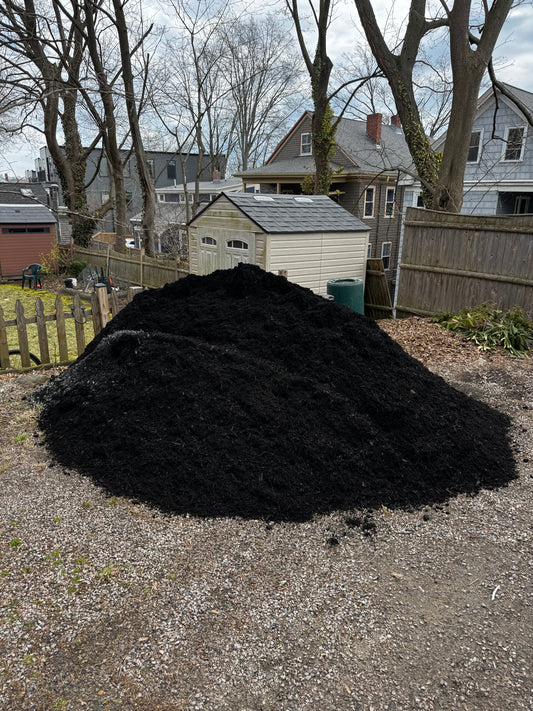
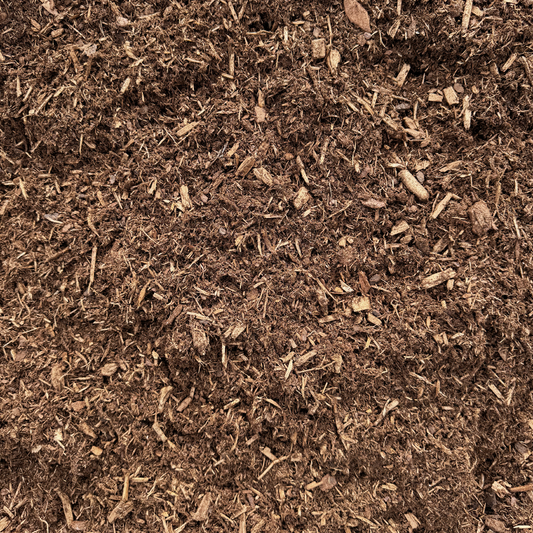
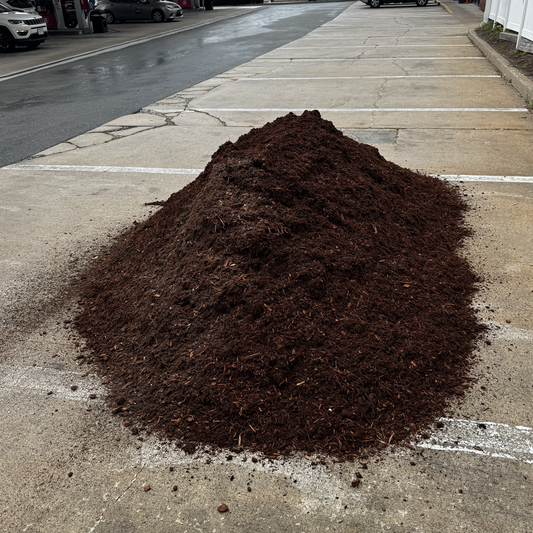
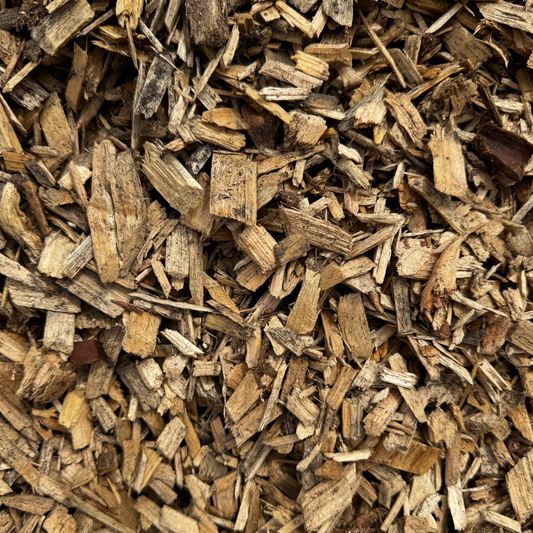
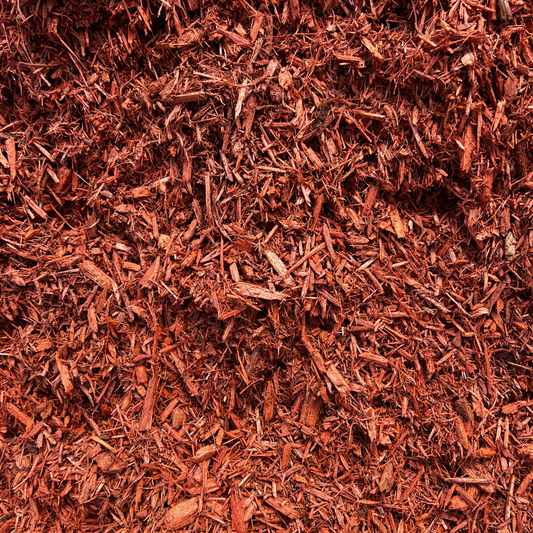
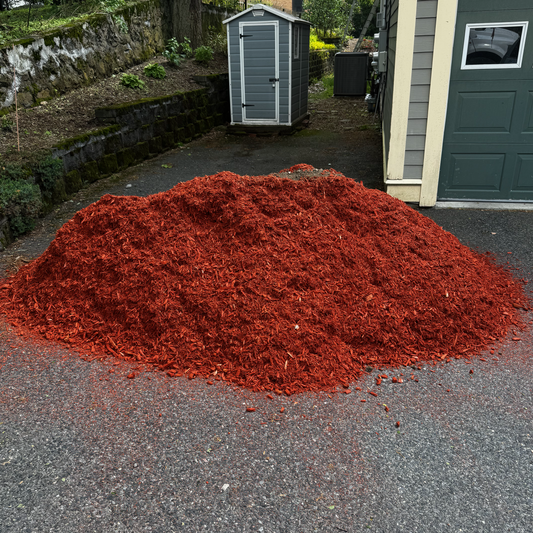
A: Hardwood Mulch or Pine Bark Mulch. Avoid dyed black or red mulches for winter — the dye doesn't matter for protection, and the wood underneath is often lower-grade. Avoid pine needle mulch on alkaline-loving plants (it slowly acidifies soil). For Plymouth County's typical mix of perennials and shrubs, plain hardwood mulch is the safe default at $40–55/yard delivered. Browse the full mulch collection for current pricing.
Q: How thick should the mulch be?
A: 2–3 inches over established beds, 3–4 inches over newly planted trees or tender perennials. Thicker than 4 inches creates anaerobic conditions and harbors voles. Thinner than 2 inches doesn't insulate.
Never volcano-mulch around trunks. Pull the mulch back 2–3 inches from the bark of any tree or shrub. The single biggest mulching mistake in Plymouth County yards is the mulch volcano — it kills bark, invites rot, and harbors mice.
Q: Will November mulching attract voles or mice?
A: Yes, if you do it wrong — no, if you do it right. Voles love deep mulch piled against trunks for the warm tunneling. They don't tunnel through 2–3 inch mulch pulled back from trunks. The fix:
- Keep depth under 4 inches
- Pull mulch 2–3 inches back from any trunk
- Wrap young trees in burlap or hardware-cloth tree wrap through the winter
See Burlap vs Plant Cover for Bridgewater Tender Shrubs for the full wrapping playbook.
Q: Should I mulch before or after the final leaf cleanup?
A: After. Run the final leaf cleanup, edge the beds, then lay mulch. Mulching over a leaf-littered bed traps wet leaves underneath — anaerobic, slimy, bad for soil microbes. Clean first, mulch second.
For the leaf-cleanup procedure, see How to Run the Final Leaf Cleanup in a Watertown Yard.
Q: Does November mulch help spring planting?
A: Yes, indirectly. November mulch slows winter soil compaction and erosion, keeps soil microbiology more active longer, and means you start spring with workable, friable soil instead of compacted, flooded, freeze-heaved beds. Plymouth County beds mulched in November are typically ready to plant 2 weeks earlier in March.
Q: Can contractors still book November mulch deliveries?
A: Yes — and pre-booking gets the best window. Plymouth County mulch demand drops in late October but doesn't disappear. Ottr runs delivery routes through the third week of November in normal years; the bulk yard in Brockton stays open. Lead times in November are 2–5 days versus the 5–10 days of peak spring season. Browse the mulch collection for current rates.
Q: What if it rains all week — should I still mulch?
A: Yes, on damp soil; no, on flooded soil. Damp soil is fine for mulching — actually preferable to bone-dry soil. Standing water is not. If the bed is squelching underfoot, wait 2 days for it to drain.
Q: Is bagged mulch from a big-box store fine for November application?
A: It works, but the math doesn't. A standard 2-cubic-foot bag covers about 8 sq ft at 3 inches. A typical Plymouth County perennial bed of 200 sq ft needs 25 bags — versus 1 cubic yard of bulk delivered for less than half the cost. For anything over 100 sq ft, bulk wins.
Plymouth County Mulch Delivery Quick Reference
- Lead time in November: 2–5 days
- Peak product: Hardwood Mulch (most-stocked, best for winter protection)
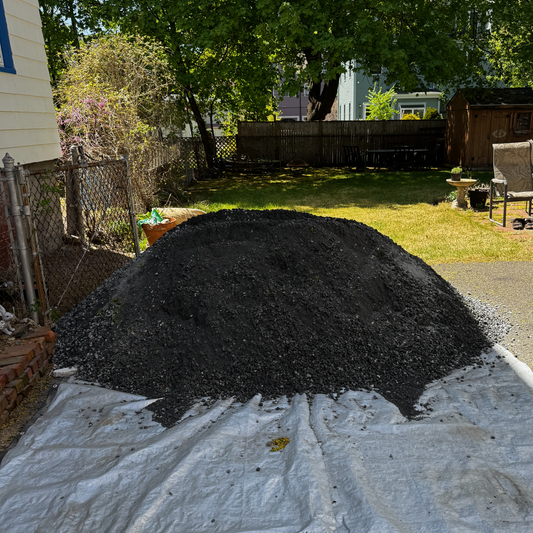
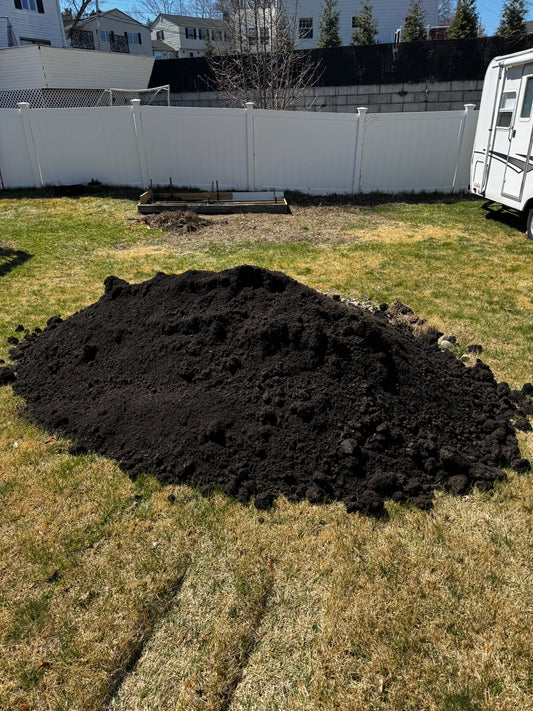
- Typical order: 1.5–3 cubic yards for a residential property
- Application window closes: When ground freezes solid (typically late December)
For comprehensive Plymouth County guidance on winter-protection mulching, the UMass Extension Landscape, Nursery & Urban Forestry program maintains the most authoritative seasonal recommendations.
The short version: November mulching is not just acceptable in Plymouth County — for winter root protection, it's better than waiting until March. Get the depth right, keep it off trunks, time it after frost, and you protect plants through the worst of Plymouth County's January freeze-thaw cycles.


