Quick Answer
Mow a Dorchester lawn at 3.5 inches from May through June, then raise to 4 inches in July through August. Cool-season grasses (Kentucky bluegrass, fescue, ryegrass) standard in Dispatch Offices do best at this height — taller grass shades soil, slows weed germination, and reduces watering needs by 20–30%. Sharpen the blade before the first cut and never remove more than one-third of blade height per mow. Most Dorchester lawns need cutting every 5 to 7 days from May 14 onward.
Why Mowing Height Matters in Dorchester
Dorchester — Ashmont, Codman Square, Fields Corner, Lower Mills — sits on tight urban lots with mixed sun and tree-canopy shade. Cool-season grass here struggles against summer heat, urban dust, and dog traffic. Mowing height is the single biggest lever in the homeowner's hands. Cut too short (under 3 inches) and the lawn thins, weeds invade, and watering doubles. Cut at 3.5 inches and the lawn out-competes weeds on its own.
Step 1: Set Deck Height to 3.5 Inches (5 minutes)
Most mowers have a numbered notch system or a measured guide. Trust the tape measure, not the label. Park the mower on a flat hard surface, measure from blade tip to ground. Adjust to 3.5 inches. Many push mowers default to 2.5 inches out of the box — too low for Dorchester turf.
Step 2: Sharpen the Blade (15 minutes or $20 service)
A dull blade tears grass tips instead of cutting them, which browns the lawn and invites disease. Replace or sharpen the blade before the first cut of the season. Sharpen again mid-July if you mow weekly. Most hardware stores will sharpen for $15-25; lawn shops same-day.
Step 3: Bag the First Cut, Mulch Every Cut After (30 minutes)
The first May cut catches winter debris — dead leaves, fallen twigs, salt-burned blade tips. Bag this cut. Every subsequent cut, switch to mulch — clippings break down in 2 weeks and return nitrogen to the soil. The Bristol County clippings Q&A covers the bag-vs-mulch decision in depth.
Step 4: Cut Every 5 to 7 Days, Following the One-Third Rule
The one-third rule: never remove more than 1/3 of total blade height in a single cut. At 3.5-inch deck height, that means cutting before grass exceeds 5.25 inches. In May and June with weekly rain, that often means 5-day cycles. In drier July weather, 7-day cycles work.
Step 5: Raise to 4 Inches in July (5 minutes)
When daytime highs hit 85+ for several days running (typically mid-July in Dorchester), raise the deck to 4 inches. Taller grass shades soil, slows evaporation, and protects roots from heat. Drop back to 3.5 inches in mid-September.
Materials Cheat Sheet for Dorchester Lawns
- Sharpened mower blade — $20 service or $25 replacement
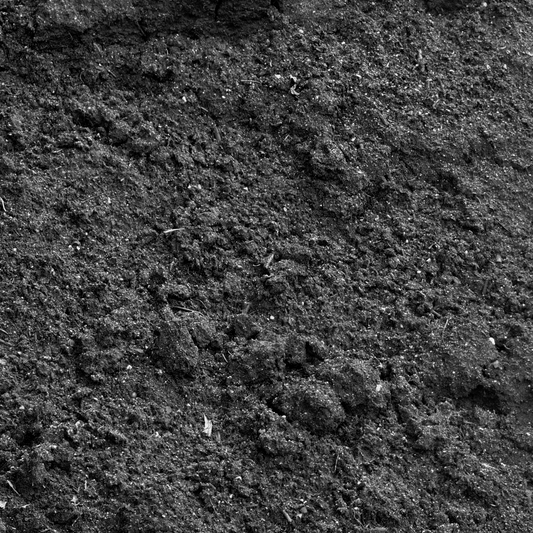
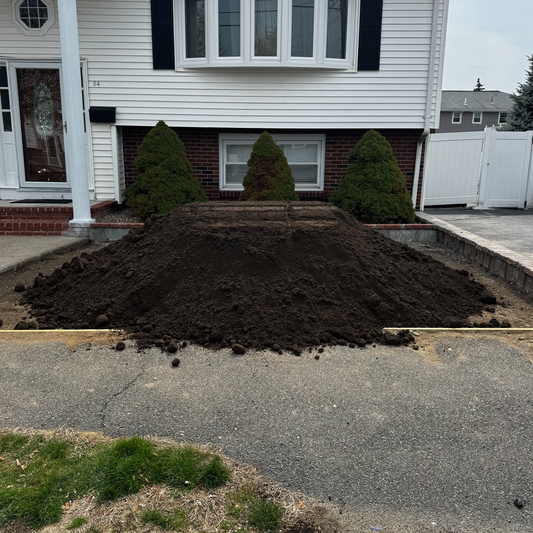
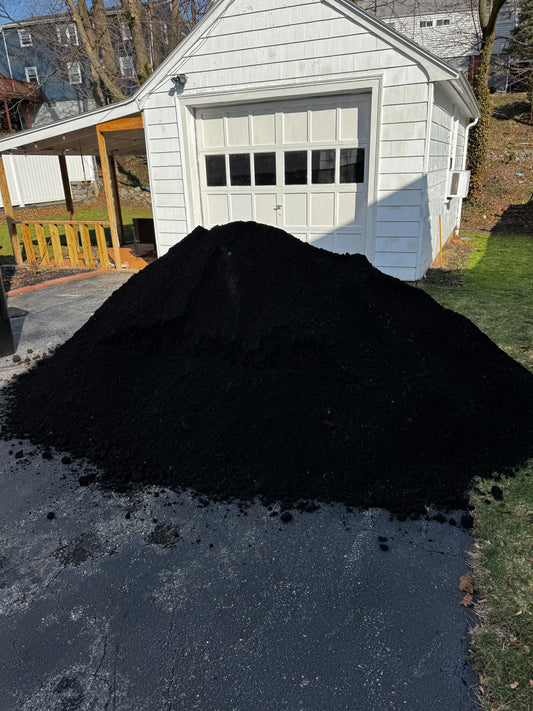
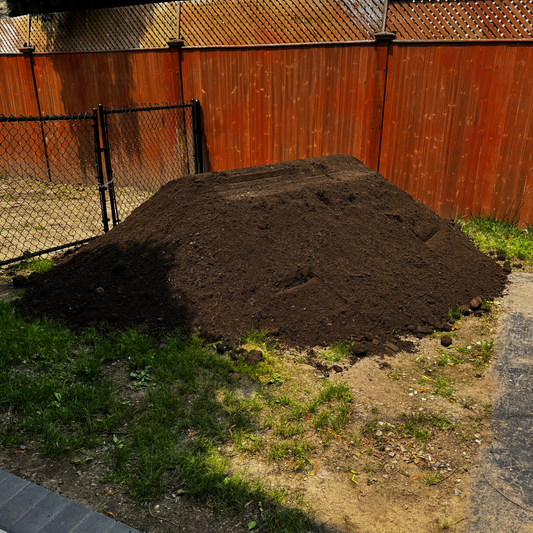
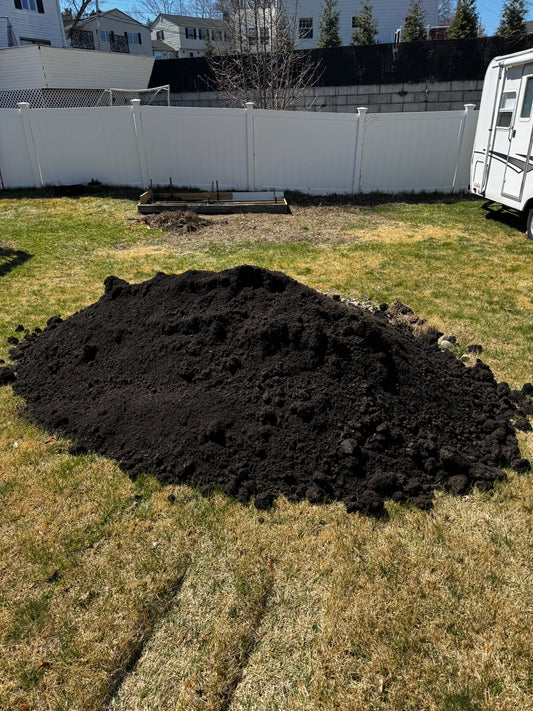
- 1/4 cubic yard Topsoil Loam 1/2" Screened for thin-spot fills (browse the lawn leveling repair collection)
- Tape measure for deck-height verification
- Bagger attachment for the first May cut
Browse the Dorchester landscape supply collection for Dorchester-specific delivery scheduling on loam top-ups for low spots.
What Happens If You Mow Too Short
- Crabgrass and dandelion explosion — short turf lets weed seeds germinate
- Heat damage in July — exposed soil hits 100+ degrees, crowns die
- Doubled watering need — short turf evaporates twice as fast
- Visible scalping on every uneven patch
- Faster fertilizer demand — short turf burns through nitrogen
The Plymouth County perennial planting how-to covers the parallel May 14 perennial work that pairs with the mowing-height switch.
How This Compares to 2026
The 2026 season-close, May 1: Closing Out Spring Mulch Season Across Plymouth County, notes the first true mow at 3.5 inches as a season-open task. By mid-May in Dorchester, this should already be the routine.
For Dorchester-specific cool-season lawn timing, the UMass Extension Turf Program is the regional authority.