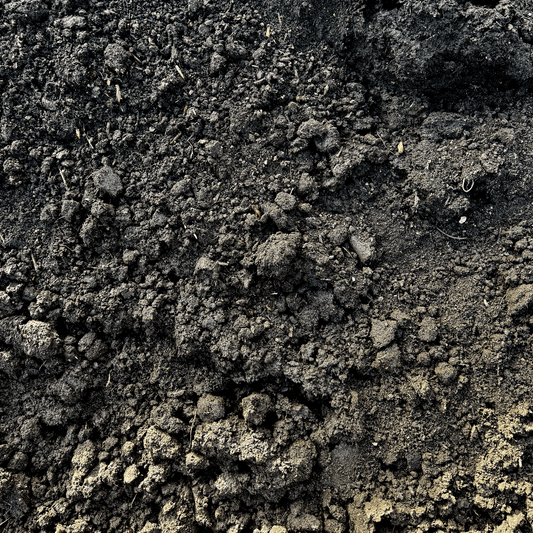
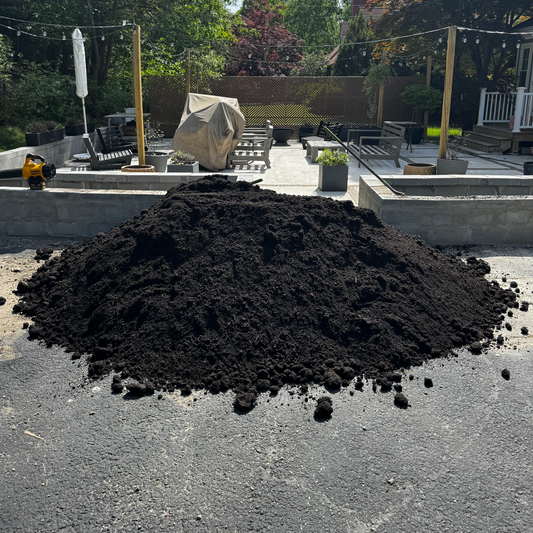
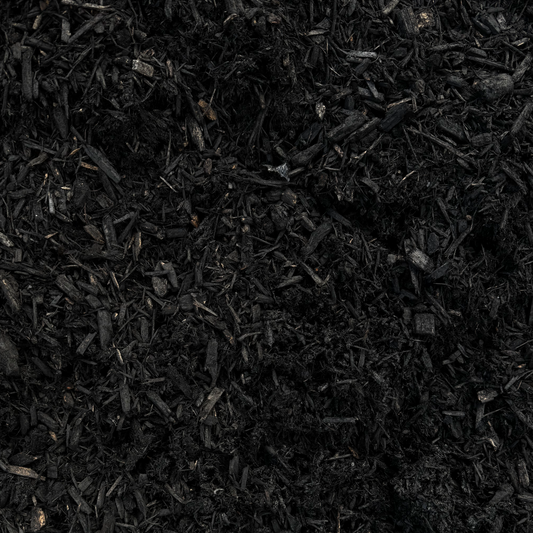
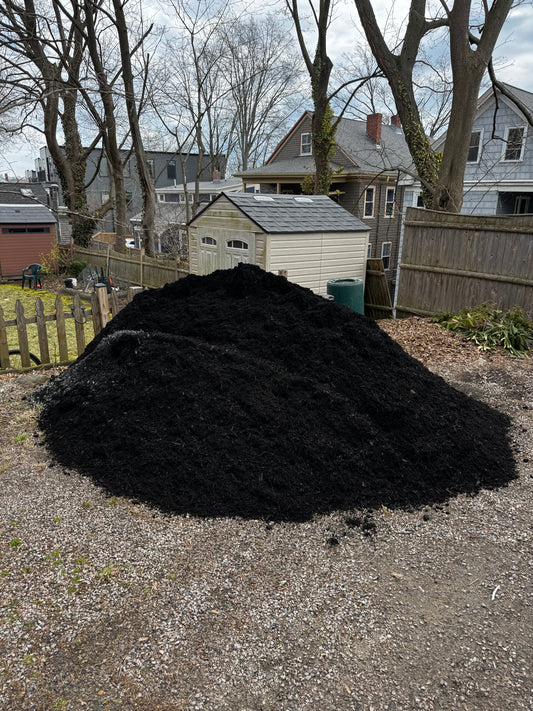
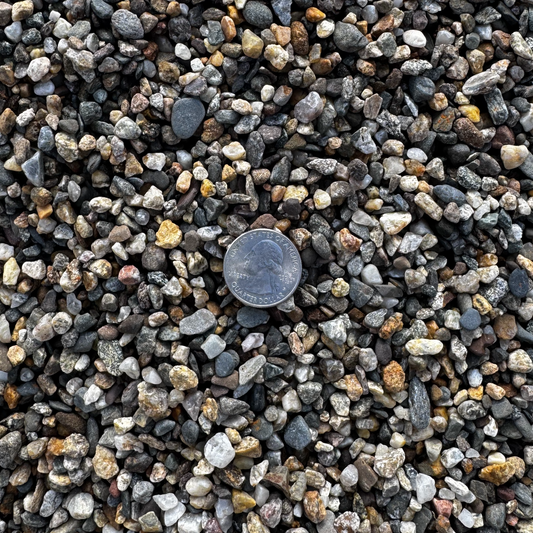
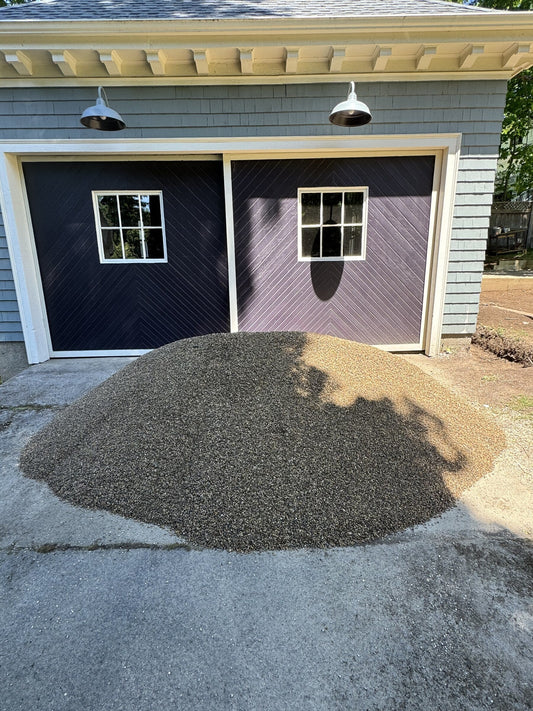
Ten dollars a yard separates these two, and that gap is the most common question on a soil order.
What is the actual difference?
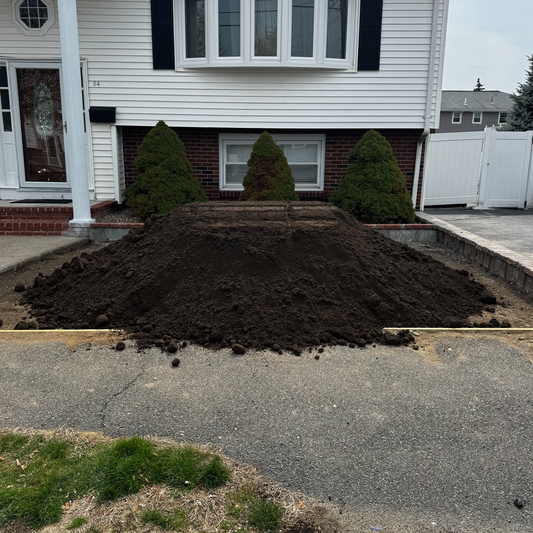
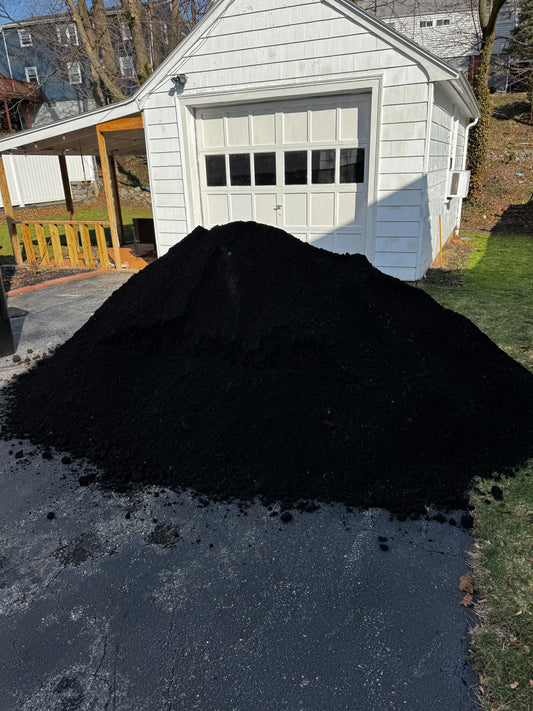
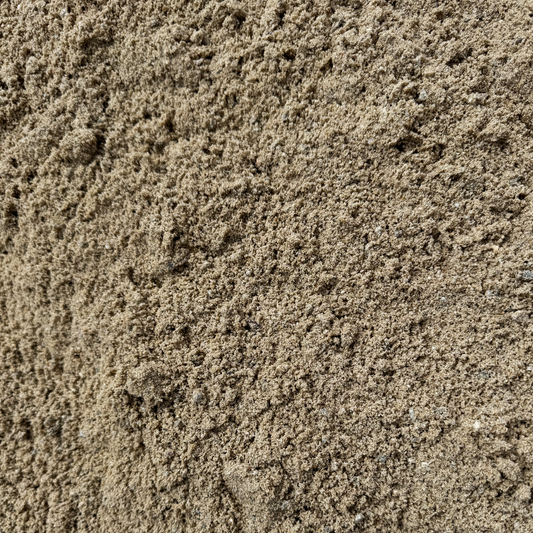
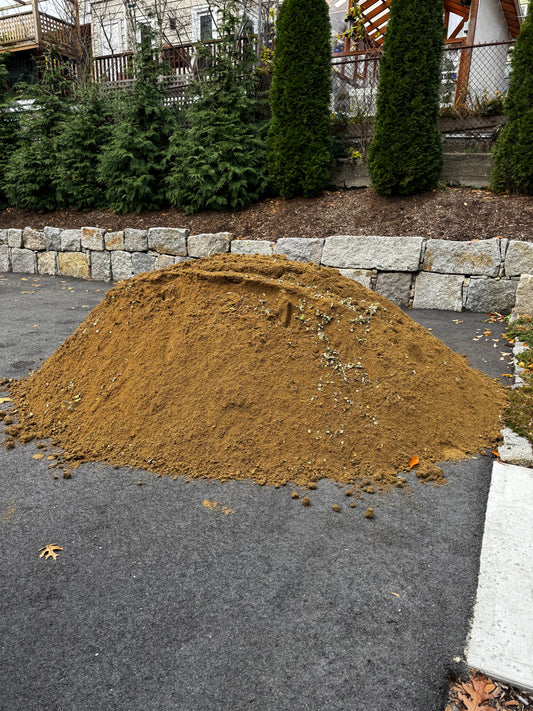
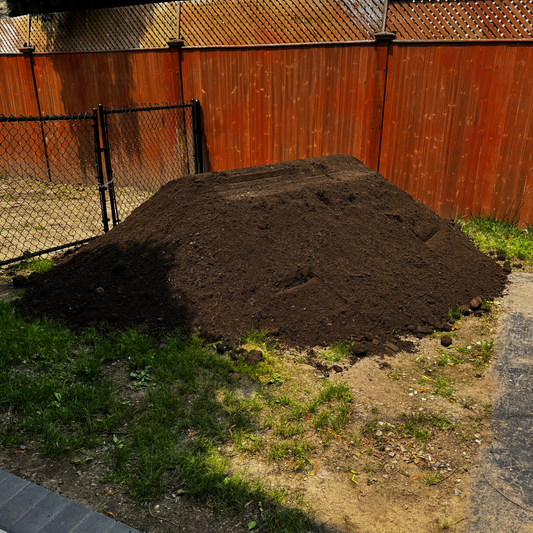
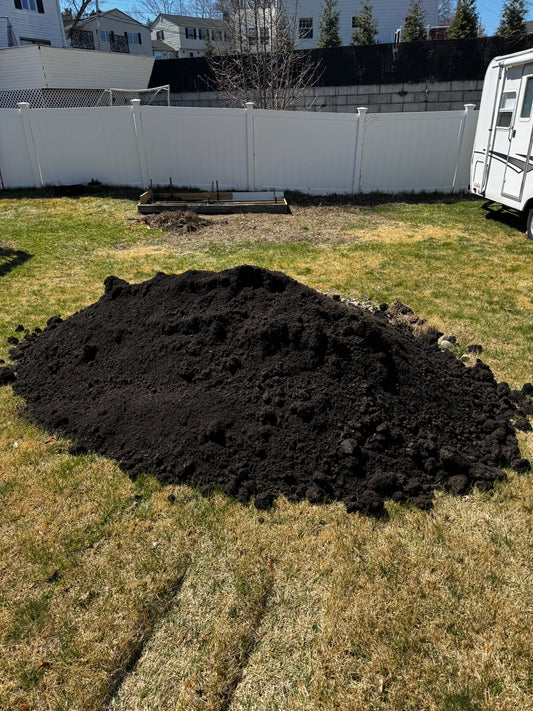
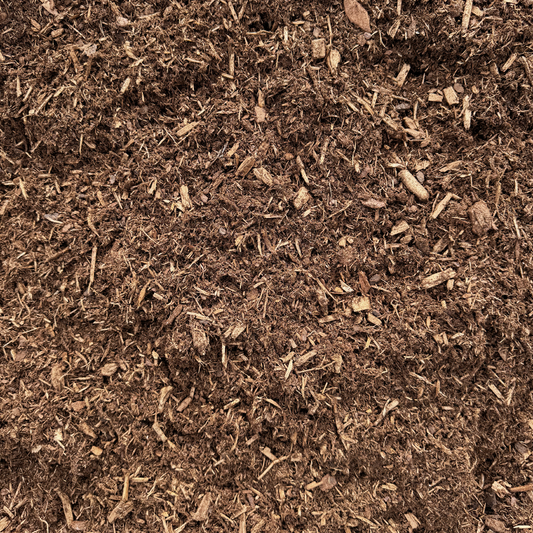
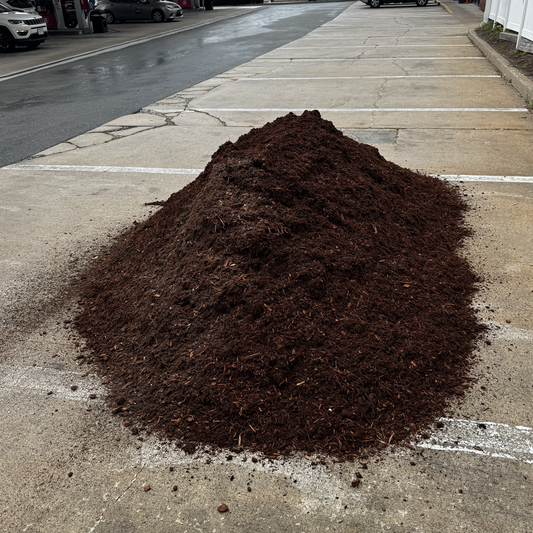
Both are screened soils sold by the cubic yard, tipped loose from a dump truck. Screened Loam is the mineral workhorse: native soil screened of stones, roots and debris. Super Loam is the enriched option, carrying more organic matter — darker, lighter in the hand, holding moisture longer. Ottr runs no third-party lab analysis on soil, so rather than invent numbers, here is how the two behave on a lawn.
How do they compare side by side?
| Screened Loam | Super Loam | |
|---|---|---|
| Price per cubic yard | $55 | $65 |
| Character | Mineral soil, screened | Enriched, higher organic matter |
| Moisture holding | Moderate | Better |
| Best for | Levelling, patching, topdressing, volume fill | Building a seedbed on poor subsoil, bed prep |
| Weakest at | Dry, thin, sandy sites where it gives up water fast | Levelling — settles more as organics break down |
| 4 yd delivered inside 30 mi | $320 | $360 |
| 6 yd delivered inside 30 mi | $430 | $490 |
| Load cap per trip | 6 cubic yards | 6 cubic yards |
Which one suits a Canton lawn?
Depends where in town — Canton runs from ledge and till against the Blue Hills down to damper ground along the Neponset.
Thin soil over ledge or till. Super Loam pays. Rebuilding a root zone on ground that dries out every July because there is four inches of soil over hardpan is what the organic matter is for.
Established lawn, thin topdressing pass. Screened Loam. A quarter inch of anything is a quarter inch, and the upgrade money does more good on better seed.
Levelling low spots. Screened Loam, and this is not close. A high organic fraction keeps decomposing after placement and loses volume — fill a hollow with the richer blend and you will fill it again. The same logic makes loam the wrong backfill against a wall: our Cohasset retaining wall job covers where stone goes instead.
Can you just blend your own and save?
Usually not. Delivery is $100 per load inside 30 driving miles of our Dispatch Office in Dorchester, and loads are counted per line item — each material is its own truck, since loose bulk cannot share a body.
| Approach | Material | Loads | Freight | Total |
|---|---|---|---|---|
| 6 yd Super Loam | $390 | 1 | $100 | $490 |
| 5 yd Screened Loam + 1 yd Compost | $325 | 2 | $200 | $525 |
The driveway blend costs $35 more plus a Saturday of shovel work. At larger volumes the two converge, so blending your own is not a saving at homeowner scale — only worth it for a ratio you cannot buy.
What are the honest drawbacks?
Screened Loam: on a hot, exposed, sandy site it dries faster than the enriched blend, and it will not fix a nutrient problem on its own. Screened does not mean sterile — no bulk soil is weed-free, so expect volunteers.
Super Loam: 18% more per yard, settles more over the first season as the organic fraction breaks down, and on soil that is already reasonable the improvement is hard to see. Wrong anywhere a stable grade matters. Buying it out of general optimism is how people overspend on soil.
If you do not know which problem you have, a UMass soil test costs a fraction of a load and answers it. The US Composting Council is a good primer on organic matter in soil.
The verdict
For most Canton lawn repairs — dead patches, a topdressing pass after aeration, a shallow hollow — Screened Loam at $55 is the right buy, and the $60 saved on 6 yards is better spent on seed. Move up to Super Loam when building soil rather than dressing it: new construction fill, thin ground that fails every summer, a bed you want holding moisture. Delivery to Canton is $100 flat either way, 16.9 driving miles out.
Canton soil questions
Is Super Loam worth it for a thin topdressing?
No. At a quarter inch there is not enough material in play for the difference to show.
How much do I need for a 5,000 sq ft topdressing?
About 4 cubic yards at a quarter inch — cubic yards = (square feet × depth in inches) ÷ 324. One load. Method here.
Is there a minimum order?
No minimum, but the $100 per load does not shrink, so one yard carries heavy freight.
Compare both in the soil range, price it on the Canton landscape supply page, or text (617) 286-2740 and we will tell you which you need.