Is mid-June too late to plant a vegetable garden on the South Shore?
No, but the list narrows. Mid-June is past the window for long-season crops from seed and for cool-season greens, and squarely inside the best window for warm-soil crops — soil is genuinely warm now, which is what beans, squash and cucumbers care about most. Weymouth sits on the water at the Fore River and Back River, and the coast gives you a later spring warm-up and a longer autumn than twenty miles inland. That late season is what makes a mid-June sowing work. The South Shore falls in Zone 6b to 7a — check the USDA Plant Hardiness Zone Map.
The five
1. Bush beans
The best mid-June crop there is. Direct sow, 50 to 60 days to first pick, and warm soil germinates them in under a week. No trellis needed. Sow a short row every two weeks into mid-July for a rolling harvest.
2. Cucumbers
Direct sow — cucumbers hate root disturbance and often beat transplants. 50 to 65 days. Trellis on the north side, and keep water steady; irregular watering makes them bitter.
3. Summer squash and zucchini
Direct sow, 45 to 55 days, the fastest return in the garden, and a mid-June sowing comes up after the earliest squash vine borer flight. Two plants feed a household.
4. Basil and the warm-season herbs
Basil resents anything below about 50 degrees, so mid-June is the ideal transplant date, not a late one. Pinch tips and flower spikes to cut leaf into September.
5. Swiss chard
The one leafy green that does not quit in a Massachusetts summer. Sow now, cut outer leaves from about 50 days, harvest until frost.
What should I not plant now?
| Crop | Mid-June verdict | Better plan |
|---|---|---|
| Tomatoes, peppers from seed | Too late — 8 to 10 weeks needed | Buy the largest started plants |
| Spinach, lettuce, peas | They bolt in summer heat | Sow late August for fall |
| Broccoli, cabbage | Poor in midsummer heat | Transplants mid-July for fall |
The UMass Extension Vegetable Program publishes Massachusetts planting dates for anything not listed.
How much soil does a mid-season top-up take?
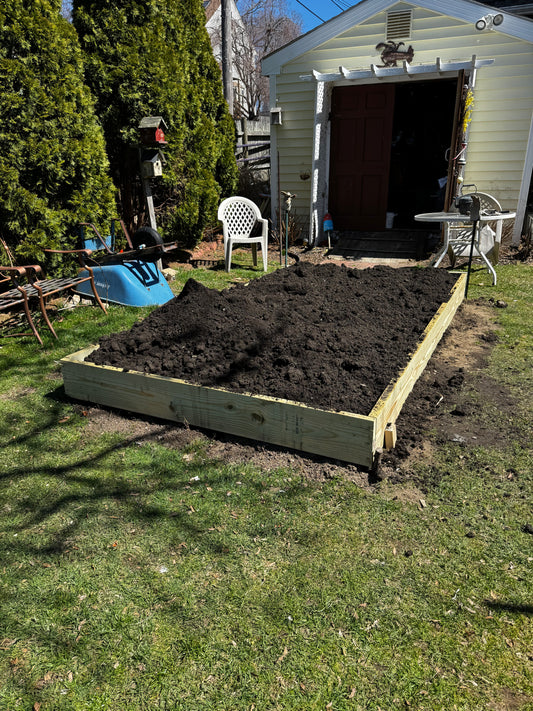
Raised beds lose two to three inches a year as organic matter breaks down. Top up before you sow.
cubic yards = (square feet × depth in inches) ÷ 324
| Beds | Square feet | Depth | Cubic yards |
|---|---|---|---|
| One 4 ft × 8 ft bed | 32 | 3 inches | 0.30 |
| Three 4 ft × 8 ft beds | 96 | 3 inches | 0.89 |
| Filling one new bed | 32 | 12 inches | 1.19 |
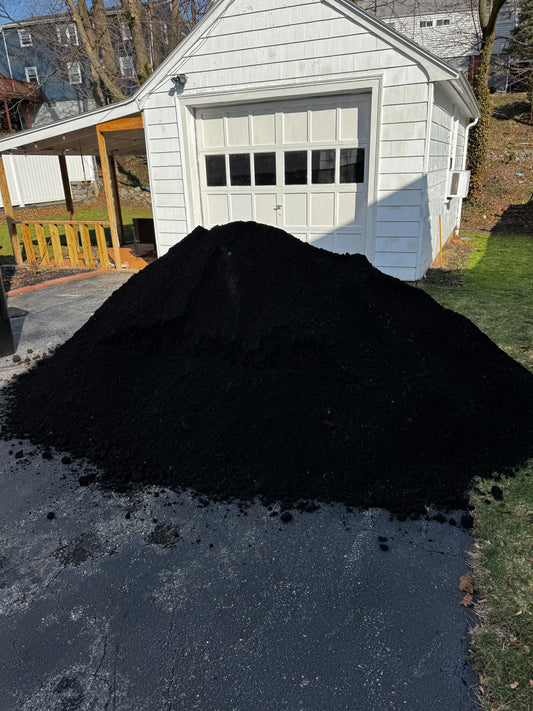
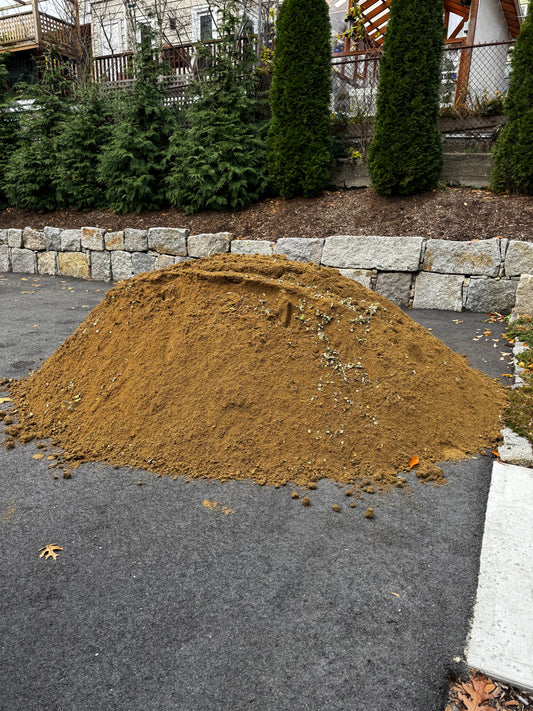
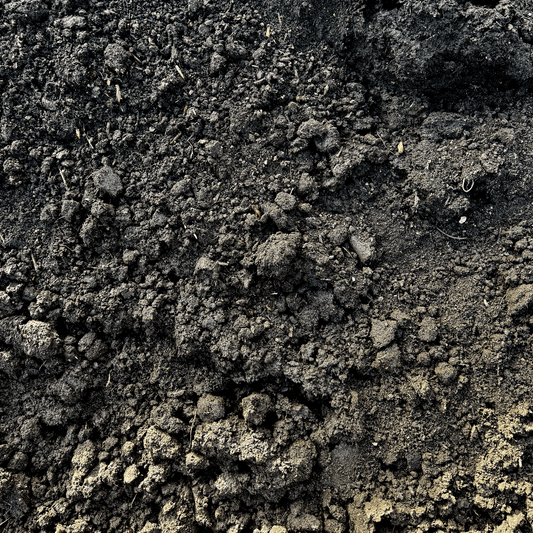
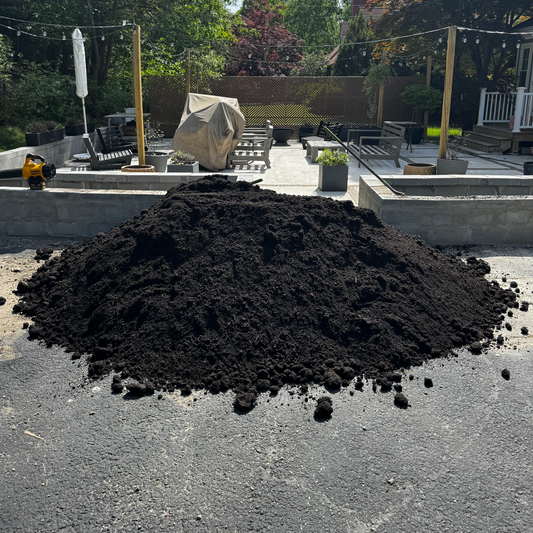
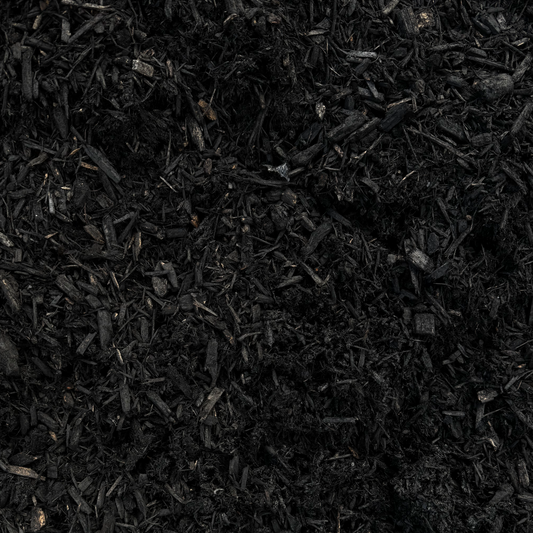
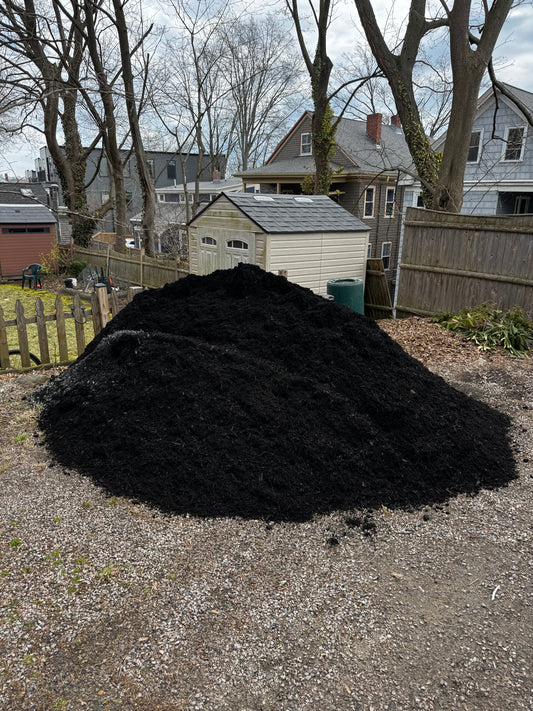
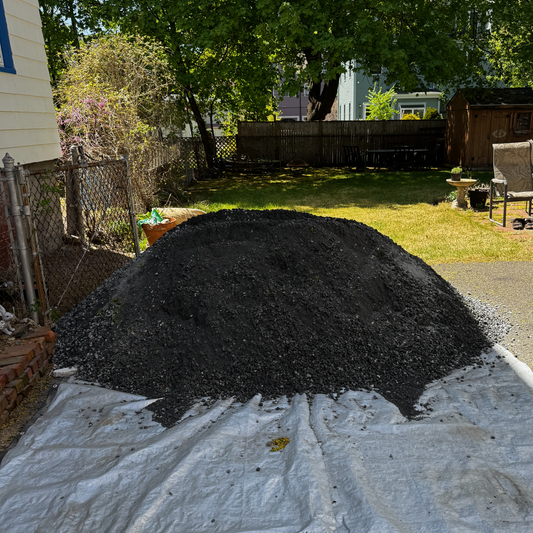
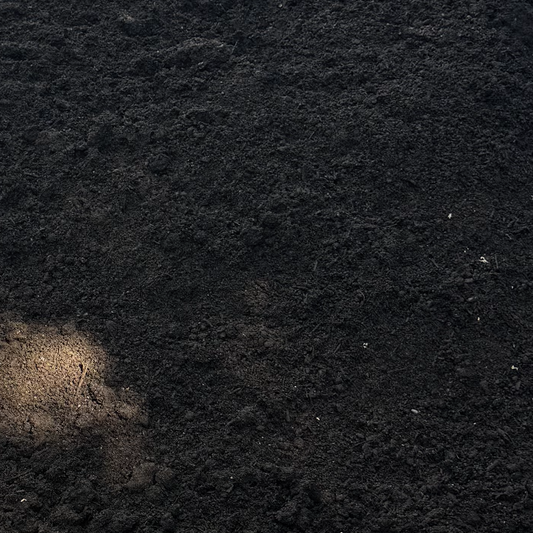
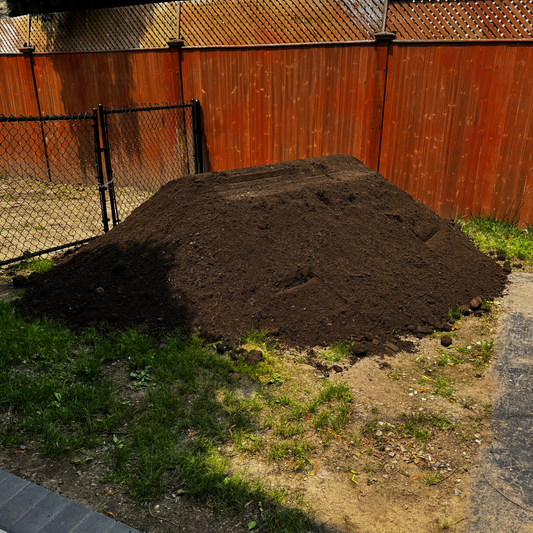
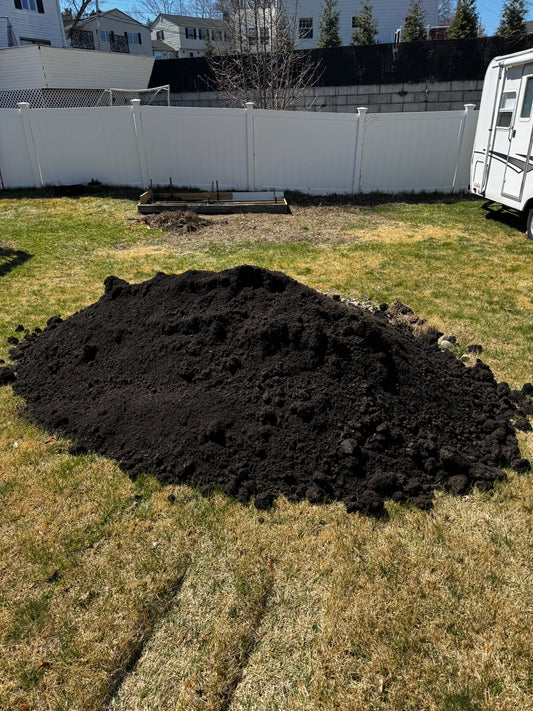
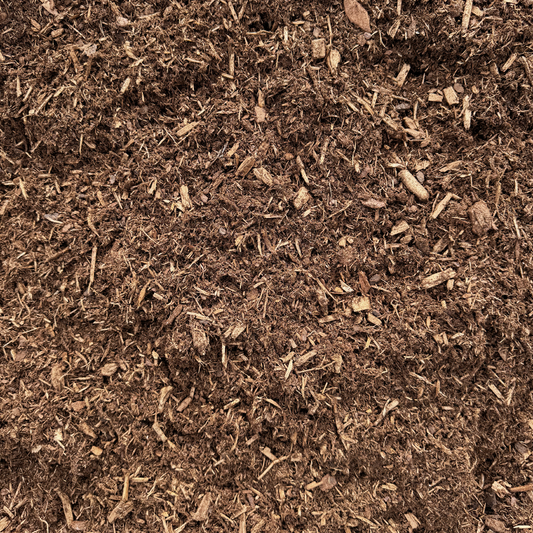
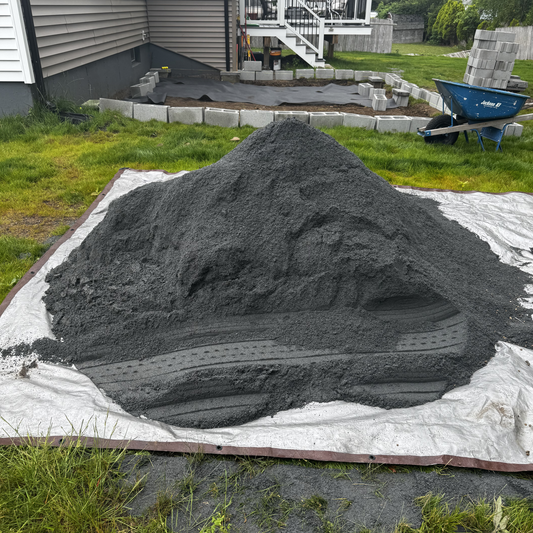
Three established beds is one cubic yard, and there is no minimum order. Garden Soil at $70 a yard is the blended option for vegetable beds; Compost at $50 restores organic matter in beds that still have volume. Both are in raised garden bed materials and bulk soil and loam, or see Weymouth landscape supply. One rule for mulch on a food bed: undyed only — Hemlock or Pine Bark, never dyed Black Mulch. Weymouth is 12.8 driving miles from our yard, so delivery is $100 per load; soil caps at 6 yards per trip, but soil and mulch are two line items, so two loads.
Should I start beans and squash inside instead?
No. Direct sow both — they germinate fast in warm soil and neither transplants well.
Do I mix the new soil in or lay it on top?
Lay it on and scratch the boundary with a fork. You want the layers in contact, not inverted.
How late can I keep sowing?
Bush beans through mid-July, chard into August, garlic in October for next summer.
Top up the beds first, then sow. Order garden soil and compost by the cubic yard and the ZIP checker will confirm your total, or text (617) 286-2740. For a path between the beds, the walkway base math has the numbers.