What are the real depths for a walkway?
| Application | Compacted base | Bedding sand | Total dig |
|---|---|---|---|
| Walkway, foot traffic, firm ground | 4 in | 1 in | 7 to 8 in |
| Walkway on soft or wet ground | 6 in | 1 in | 9 to 10 in |
| Patio with furniture | 6 in | 1 in | 9 to 10 in |
| Vehicle traffic | 10 to 12 in | 1 in | 14 in + |
The bedding course is 1 inch and stays 1 inch — not a levelling layer, because sand laid thick consolidates and the pavers dip. ICPI has the full specification. Which depth you need comes down to what is under you, and Needham splits two ways: the town sits on glacial sand and gravel, the deposits hauled in to fill Boston's Back Bay, and where you hit that clean material drainage is excellent. In the lower ground near the Charles you can be into silt — the 6-inch case.
What is the yardage formula?
cubic yards = (square feet × depth in inches) ÷ 324
324 is not arbitrary: a cubic yard is 27 cubic feet, and 27 cubic feet spread an inch deep covers 324 square feet.
Worked example: a 3-by-40-foot Needham walkway
Area: 3 × 40 = 120 square feet.
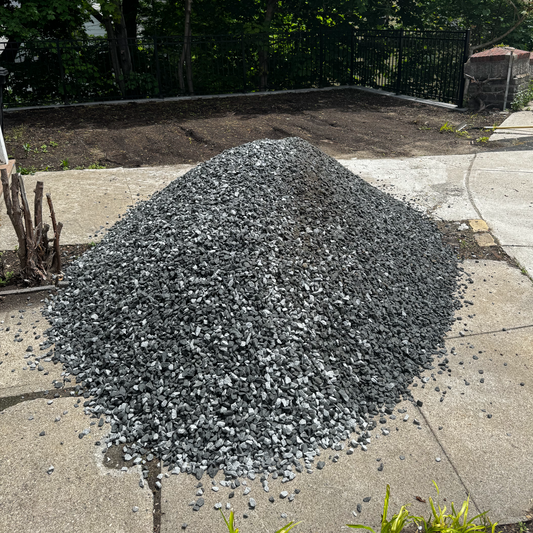
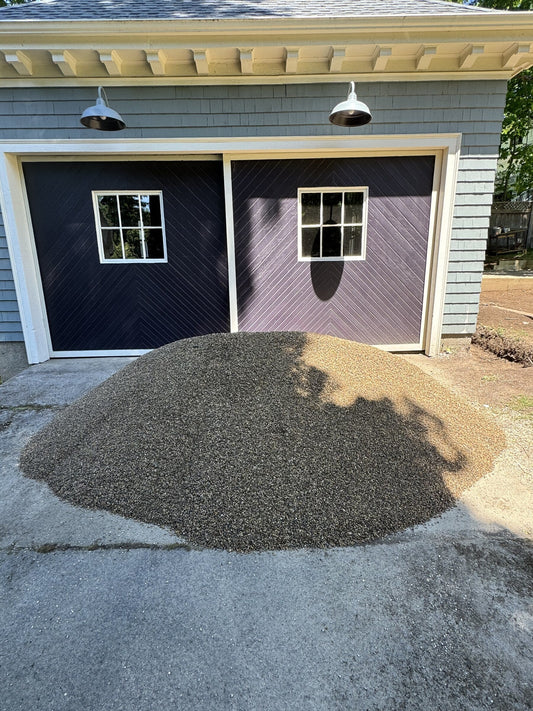
Base. 4 inches compacted: (120 × 4) ÷ 324 = 1.48 cubic yards compacted. Crushed base loses 20 to 25 percent of its volume under a compactor, and nobody sells compacted yards, so 1.48 × 1.25 = 1.85 → order 2 yards of dense pack.
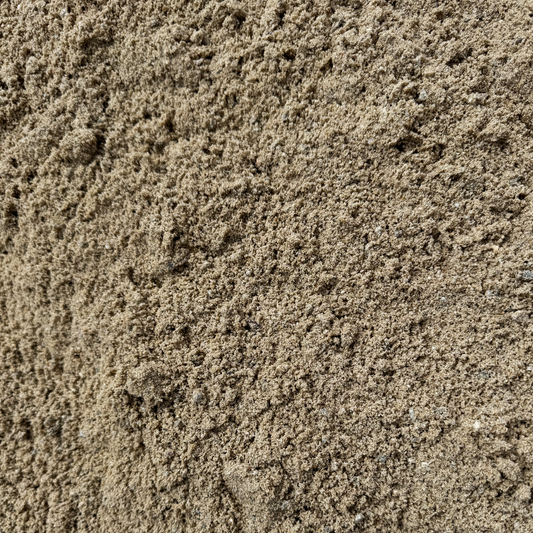
Bedding sand. 1 inch over the same area: (120 × 1) ÷ 324 = 0.37 → order 1 yard of paver sand. Sand needs no compaction uplift, and there is no minimum.
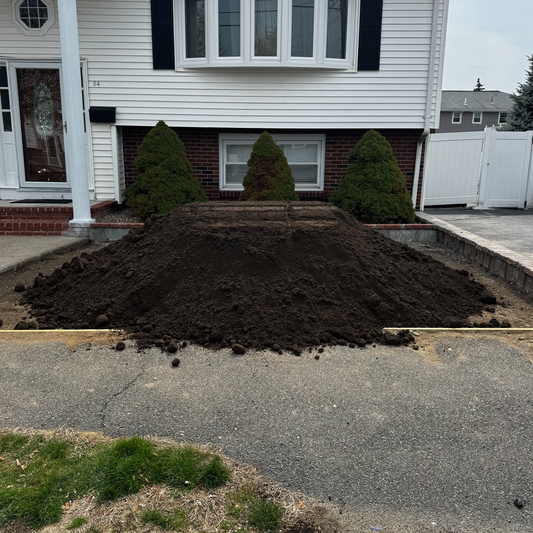
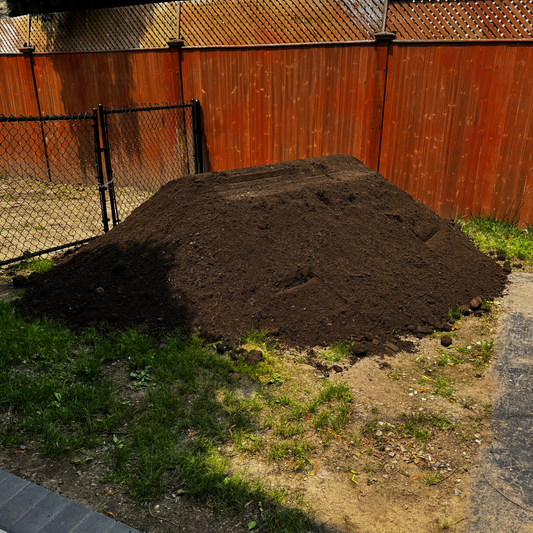
Spoil. Digging 8 inches across 120 square feet: (120 × 8) ÷ 324 = 2.96 cubic yards of excavated soil, and loose spoil takes more room than it did in the ground. Decide where it goes before you start. One more constraint on these established properties: a path that severs structural roots is a problem for the tree, not just the path.
Which materials, and which to avoid?
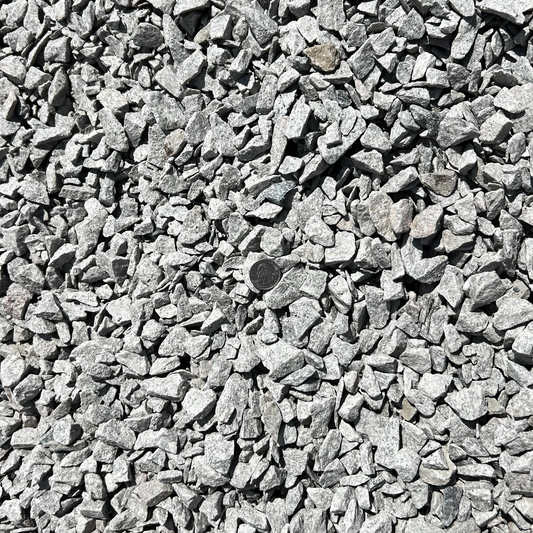
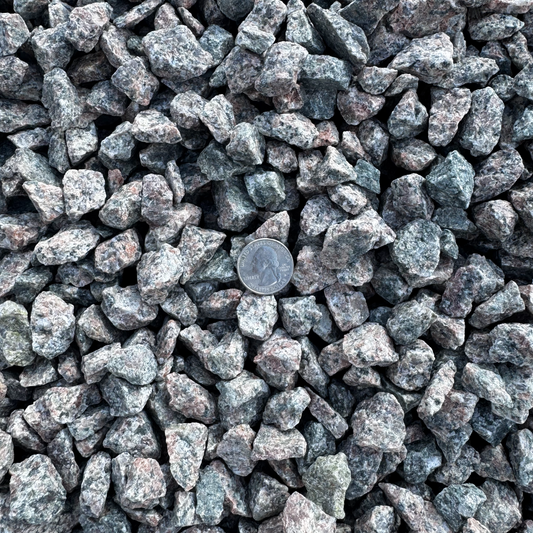
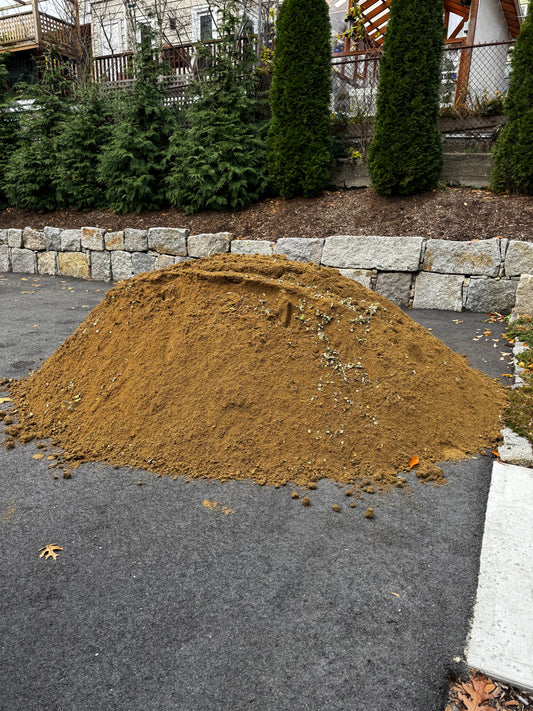
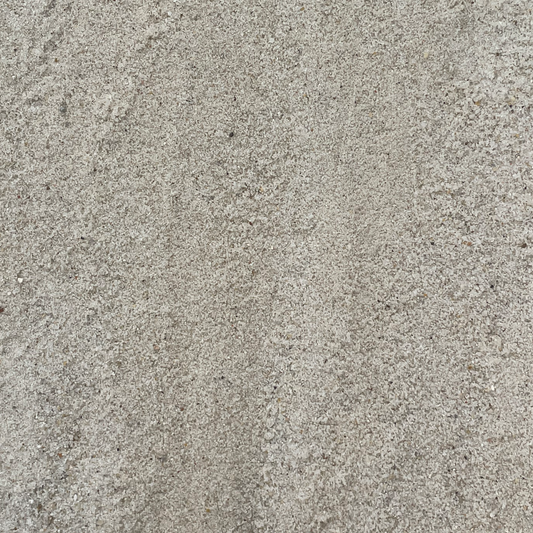
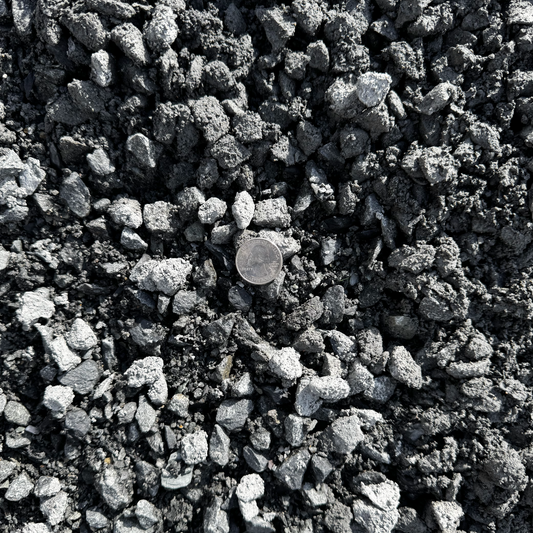
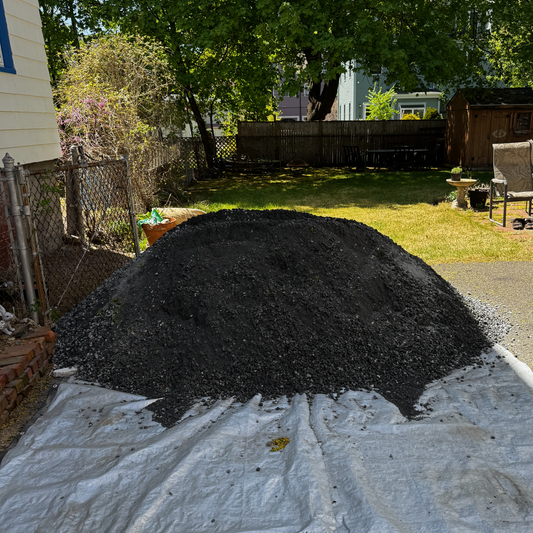
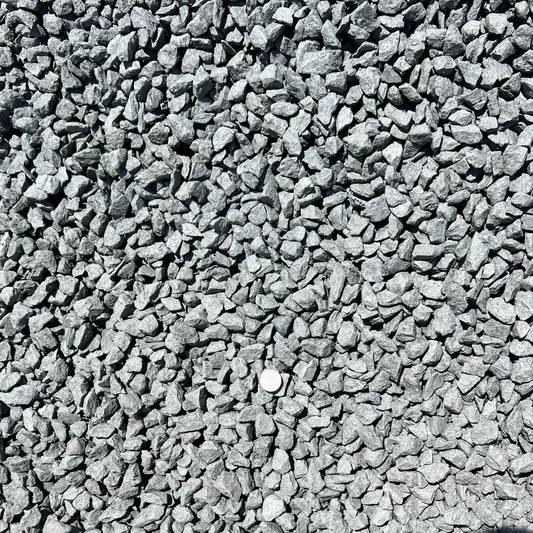
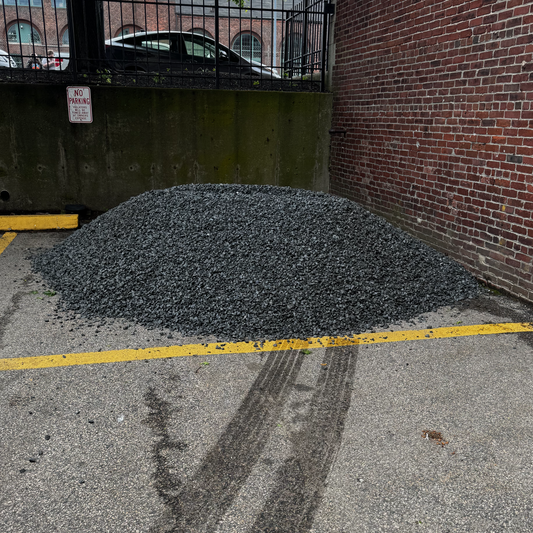
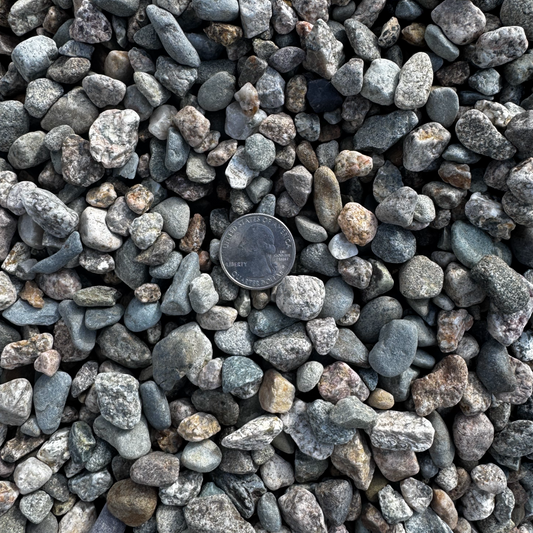
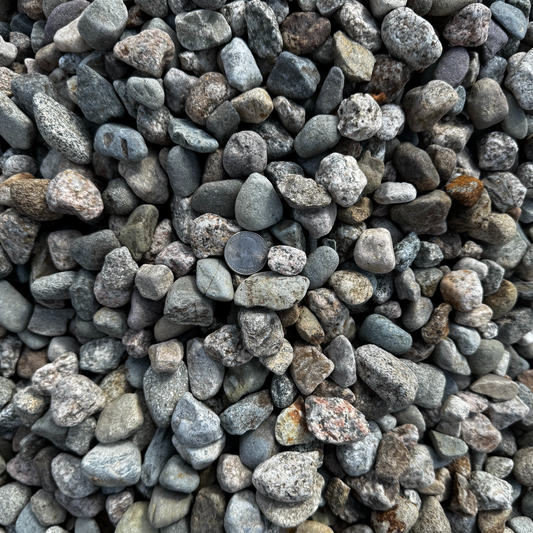
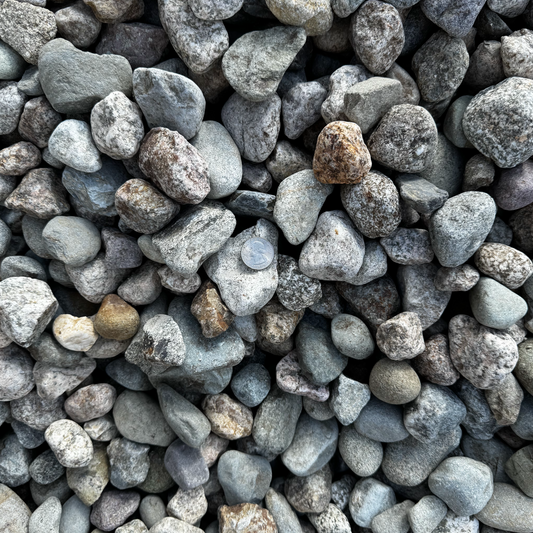
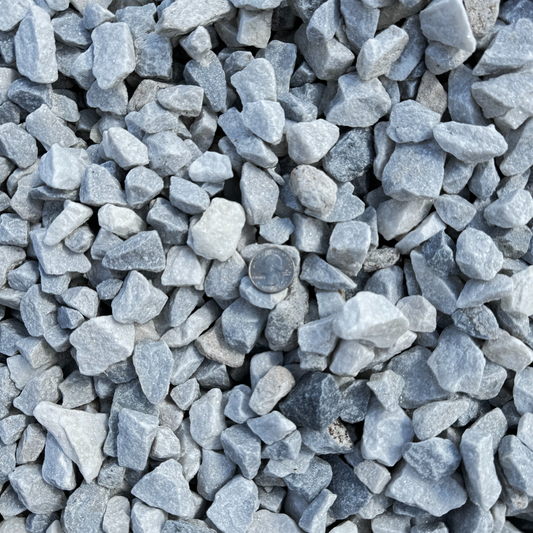
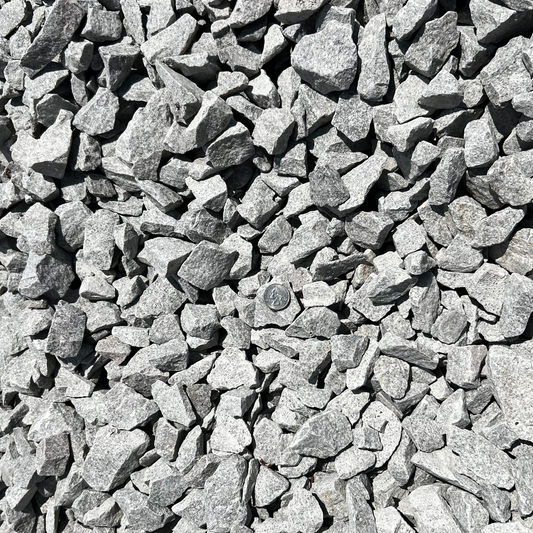
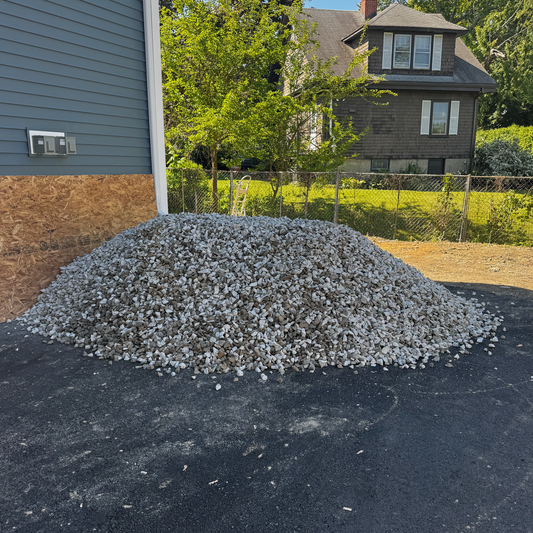
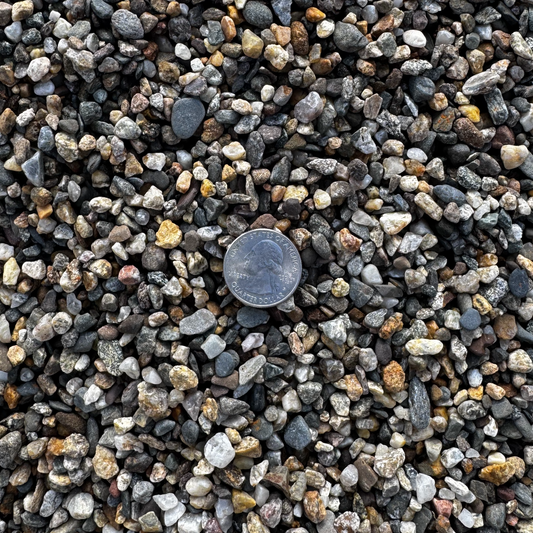
Dense Pack 3/4 inch to minus at $76 a yard is the base — crushed granite with the fines left in, so it locks up and holds a screeded grade. #57 Stone at $79.50 is clean and open-graded: good for drainage, hopeless at holding grade. Paver Sand at $60 is the bedding course; mason sand is too fine and will rut. Both are in patio and walkway base materials and crushed stone, or see Needham landscape supply. MassDOT specifications are the reference for road-standard work.
What does delivery cost for that walkway?
Needham is 12.8 driving miles from our Dispatch Office in Dorchester, inside the 30-mile flat zone, so the fee is $100 per load — and loads are counted per line item. Both quantities fit inside one trip, but two line items means two loads: that walkway is $200 in delivery, not $100. Material is $152 plus $60 for the sand.
Can I get away with 3 inches of base on a walkway?
On well-drained Needham sand and gravel, with foot traffic only, 3 inches compacted will often hold. It leaves no margin if the subgrade is soft, and the extra inch costs under half a yard of stone.
Do I need geotextile fabric?
Over silty or soft subgrade, yes — it keeps base and subsoil from mixing, which causes settlement. Over clean sand and gravel it is cheap insurance.
How do I order for an odd-shaped path?
Break it into rectangles, run each, add them up, round to the next half yard.
Measure the path, run the formula, add 25 percent to the base, and order base and bedding by the cubic yard. Reseeding the lawn strip beside the new walk? Read the straight answer on June seeding first.