What makes a yard look finished to a guest?
Not the plants — the lines. A bed with a clean cut edge and even colour reads as maintained even if the shrubs in it are ordinary. A fuzzy edge and grey, thinned-out mulch reads as neglected no matter how good the planting is. Spend the weekend on the edge and the surface, not on new plants — anything planted in late June needs daily watering to establish, which is the last thing you want on your list this week.
Where do I start on a Milton lot?
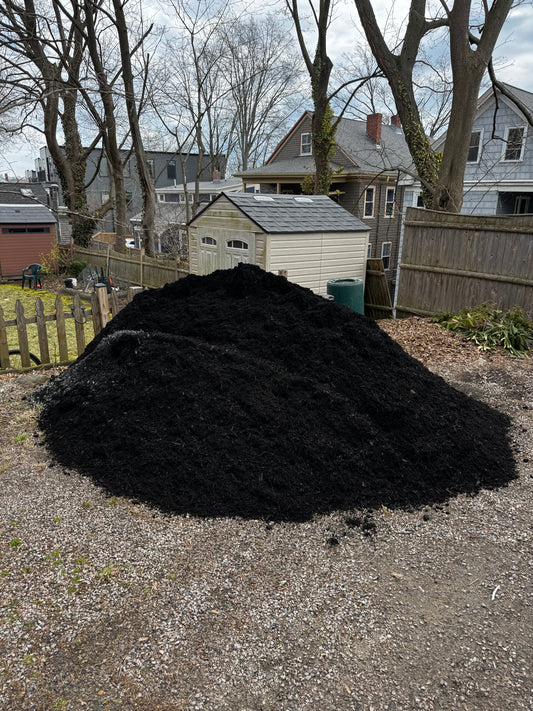
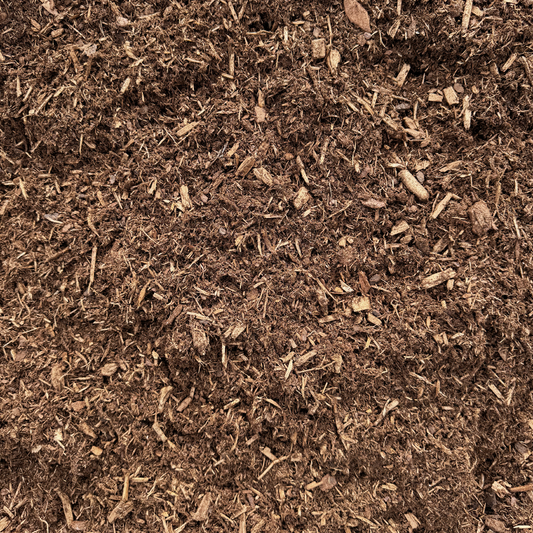
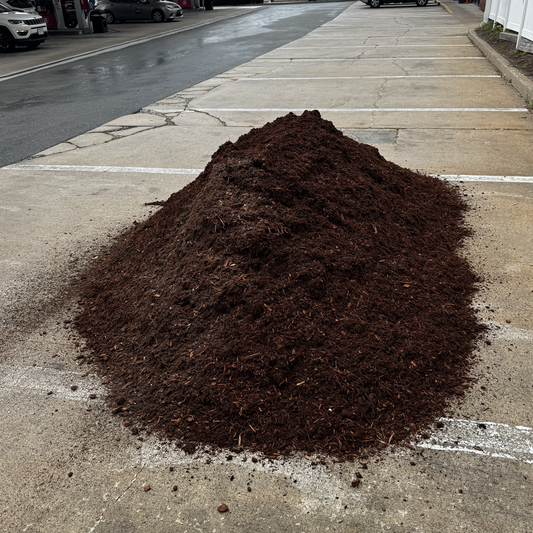
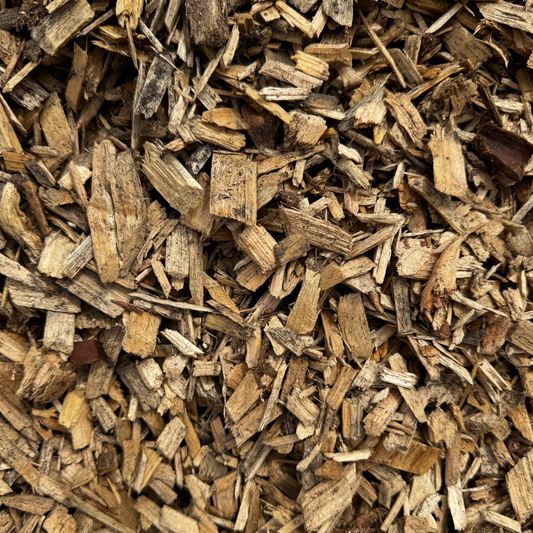
Milton sits on the north slope of the Blue Hills, and most streets below Randolph Avenue carry real grade. Beds facing downhill shed material every hard rain, so they're almost always the thinnest on the property — start there. On a sunny pitch, Pine Bark Mulch at $55 a yard holds better than shredded: the nuggets interlock instead of washing into the lawn. Under the mature oak canopy around Milton Village, soil stays cool and damp and shredded mulch mats down.
1. Cut the edges
Flat spade held vertical, one pass along the bed line, pull the turf strip out toward the lawn. About three inches deep on the bed side. Costs nothing but an afternoon and it's the biggest single visual change available.
2. Top off, don't bury
Two to three inches total, counting what's already there. Beds done in April usually need an inch. Use cubic yards = (square feet × depth in inches) ÷ 324. A four-foot bed along a 25-foot frontage is 100 square feet, so an inch over it is about a third of a yard — three beds like that and you're at one yard. Keep it off the stems: mulch piled against a shrub base holds moisture on bark that's meant to stay dry, and it kills more plants than drought does. The UMass Extension landscape program covers the horticulture. Products are in the mulch bed refresh collection.
3. Refresh the stone
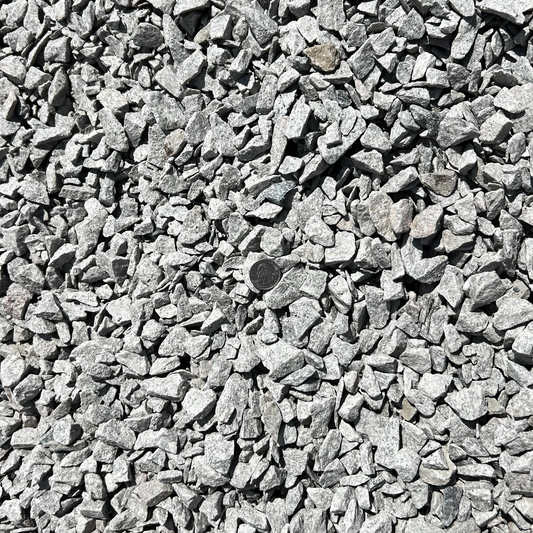
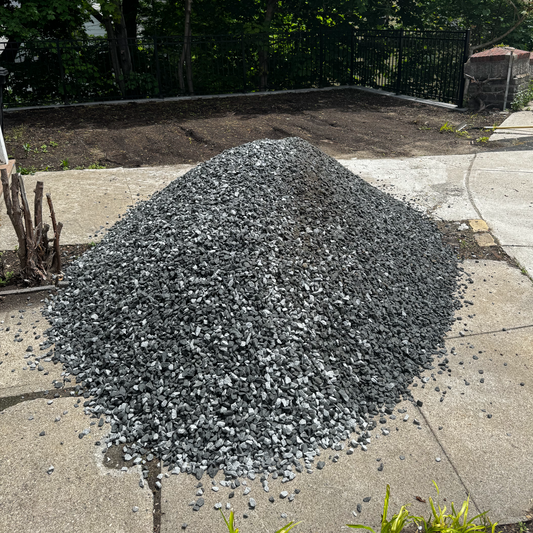
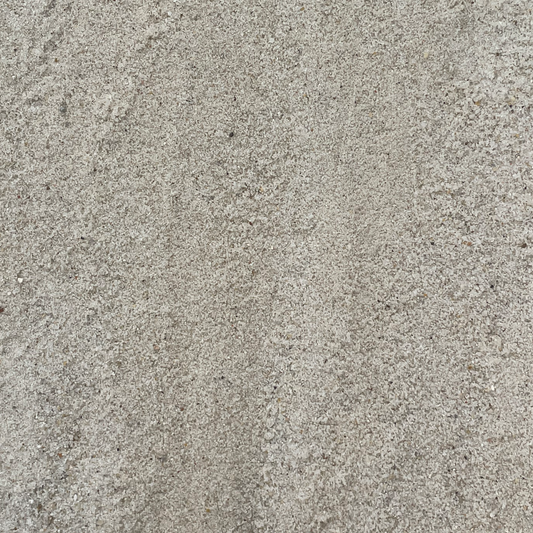
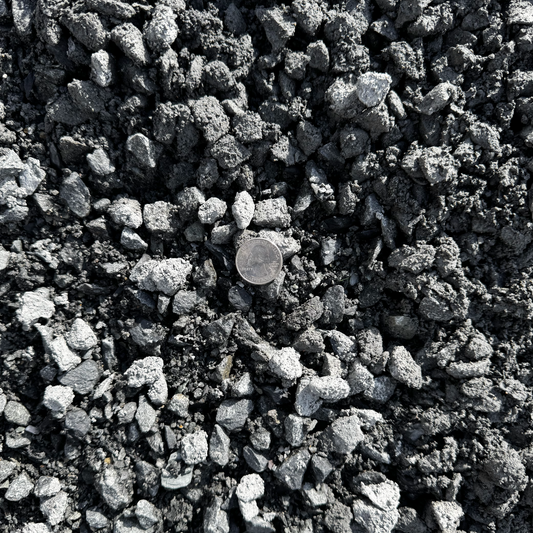
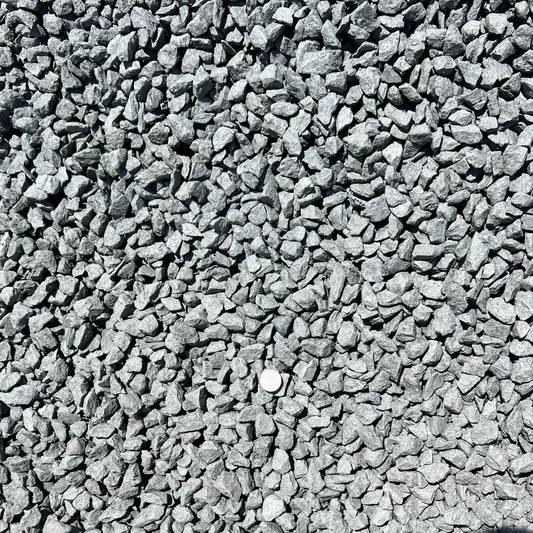
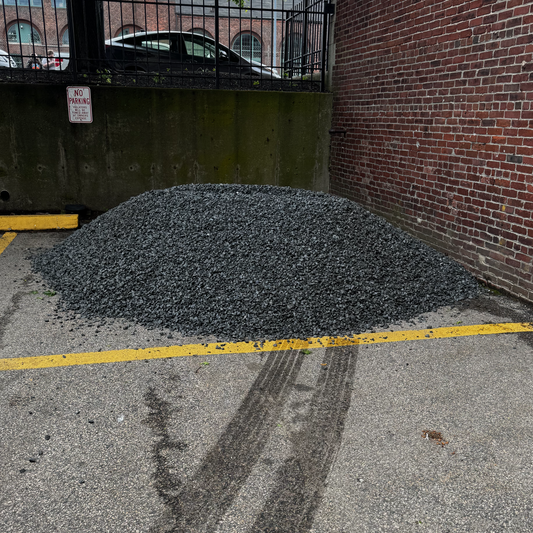
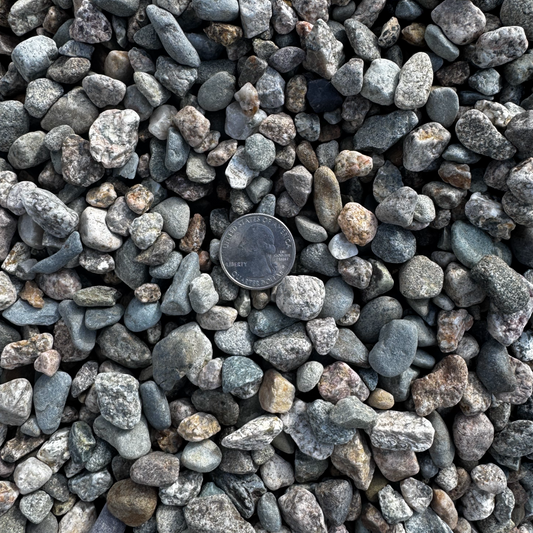
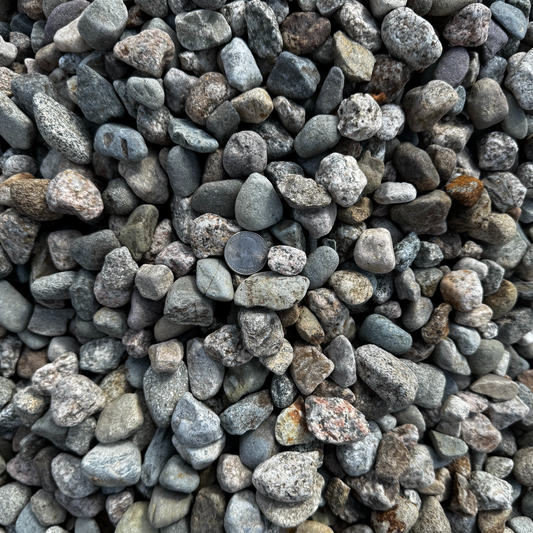
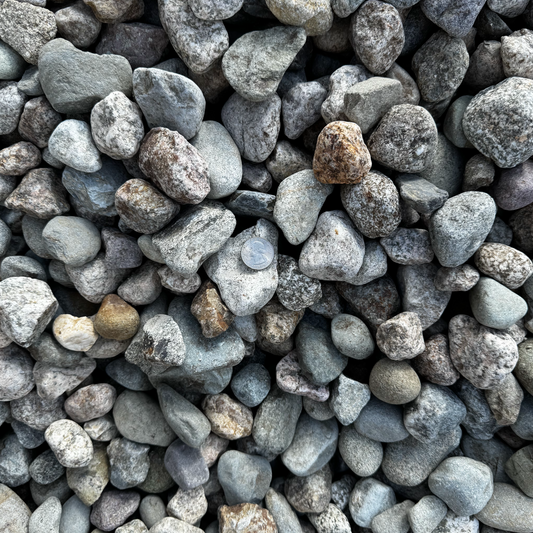
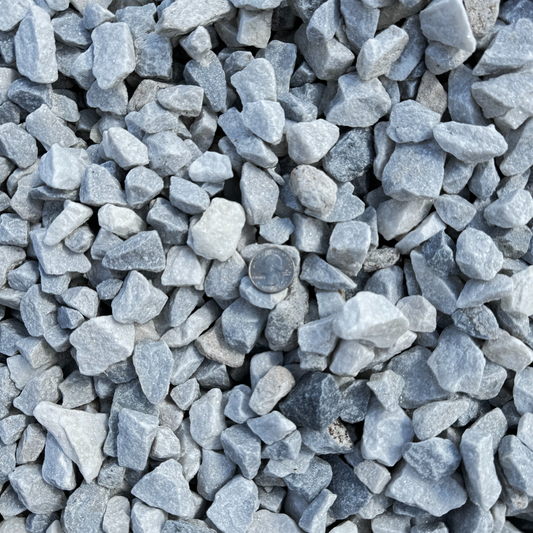
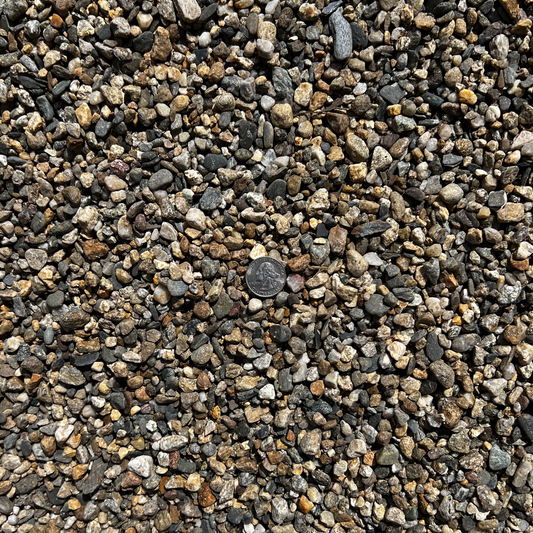
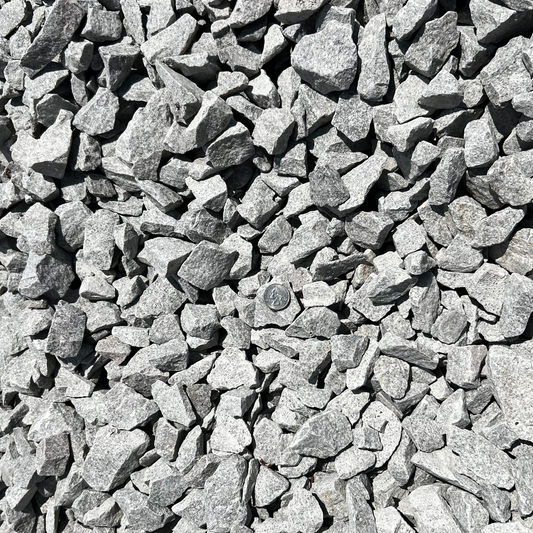
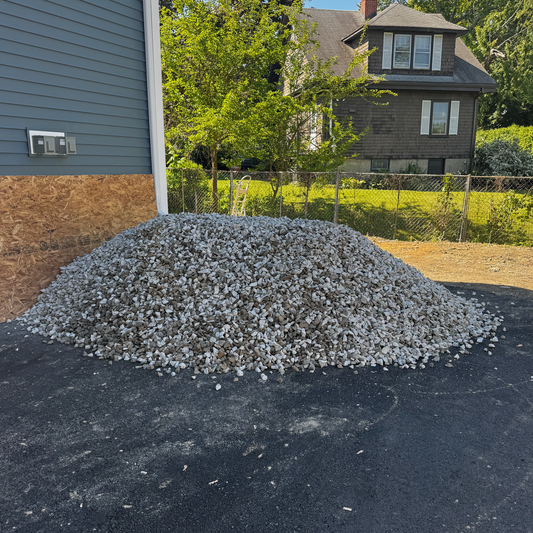
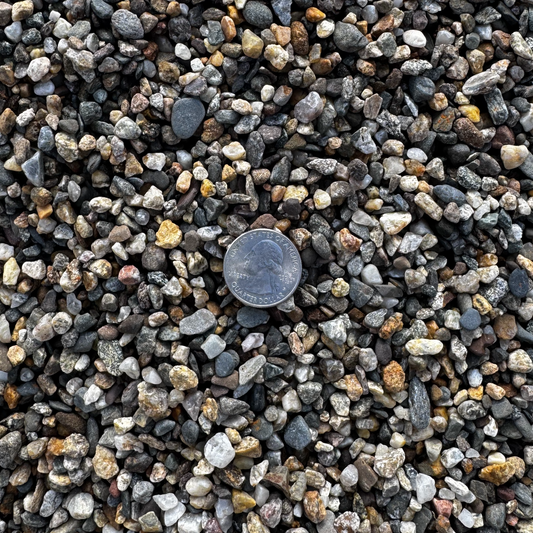
Walkway stone doesn't wear out. It fills with silt and leaf crumbs until it reads grey. Rake it, pull the worst of the fines, add an inch on top — an inch over a 3-by-30-foot path is 90 square feet, about a third of a yard. Warm tones sit better next to mulch, and Brown Riverbed ¾" at $90 a yard is where most Milton customers land. The decorative stone range has the greys and whites if you want contrast instead.
What's the two-hour version?
- Cut the edge on the two beds people pass on the way in. Ignore the back.
- Rake the existing mulch to break the crust and even the thin spots — this alone restores most of the colour.
- Move the hose reel, barrels and bikes out of the sightline from the driveway, and blow the paths clear.
Frequently asked questions
How fast can I get material to Milton?
Milton is about seven driving miles from our Dispatch Office in Dorchester, inside the flat zone, so $100 per load. Same-day and next-day are usually available, but weekend slots fill first — for a Friday drop, book early in the week.
Is there a minimum order?
No. One cubic yard is a valid order, and plenty of Milton top-offs are exactly that.
Where will the driver put it?
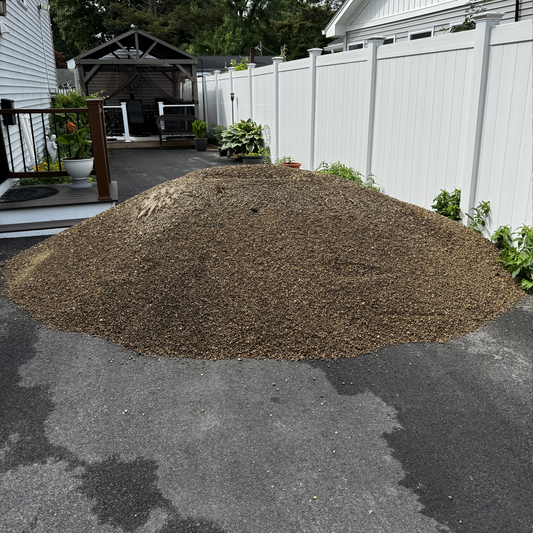
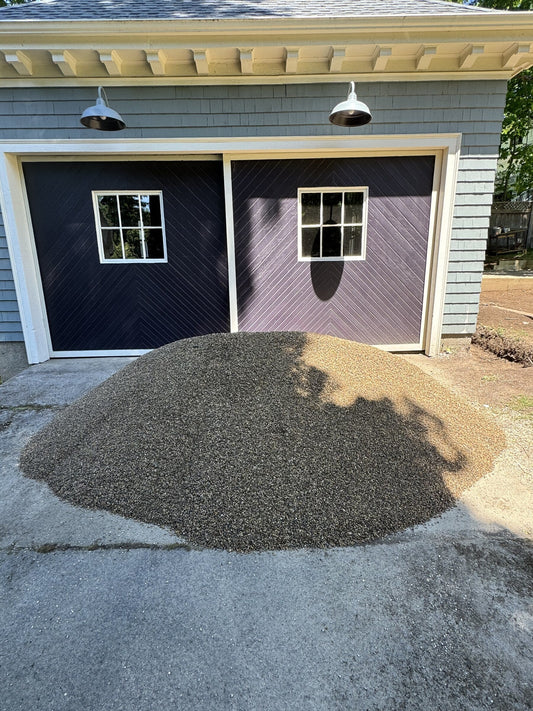
Curbside or the top of the driveway by default. On-property drops need a signed liability waiver first — a loaded truck on a lawn or a sloped drive is a real risk.
Can I order two mulches in one delivery?
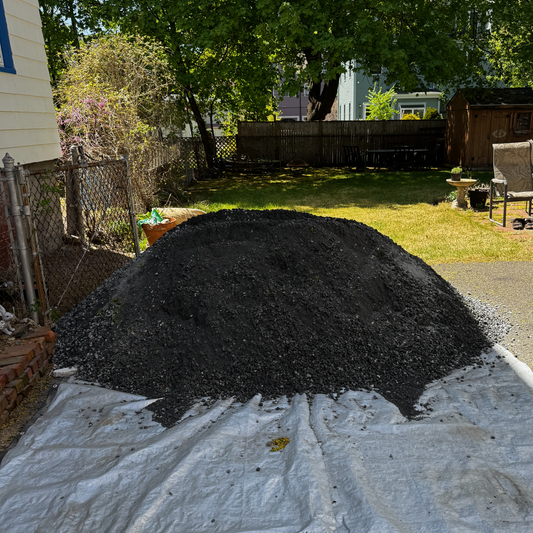
You can, but the fee is per load and loads are counted per line item. Three yards of black plus three of cedar is two trips and two fees.
Pick your material from the Milton landscape supply collection and enter your ZIP for the exact delivery price. For the wider seasonal picture, see our solstice read on demand and pricing.