Quick Answer
The five January garden-planning habits that separate Boston homeowners with thriving April yards from yards that scramble: #1 order a UMass soil test mailer now, #2 sketch the year's bed plan on paper (raised beds, perennials, annuals zoned by sun and water), #3 inventory and order seeds, #4 pre-book bulk material delivery for spring (mulch and loam at January pricing), and #5 audit tools and equipment for late-February pruning and March cleanup. Done in January, all five take a weekend total.
Why January Is the Right Window
Boston yards are frozen, but the planning calendar isn't. The work that determines a successful 2025 garden gets done indoors in January - bed sketching, soil testing, seed ordering, material pre-booking, tool prep. Homeowners who skip January planning end up reactive in April: late soil tests, missed seed-starting windows, peak-season material pricing.
Boston's compact lots (Beacon Hill brownstones, Jamaica Plain triple-deckers, Roxbury two-families, West Roxbury single-families) make January planning even more important - small spaces don't forgive mistakes.
#1 - Order a UMass Soil Test Mailer
The UMass Soil and Plant Nutrient Testing Lab Standard Soil Test ($20 in 2025) is the highest-value test available to Boston gardeners. Order the mailer kit now (5-10 day arrival), let it sit until late February when soil thaws, sample, mail back, and have results in time for April amendments.
For the full mailer walk-through, see UMass Soil Test Mailer Walk-Through for Waltham Gardeners - same workflow in Boston.
#2 - Sketch Your Year's Bed Plan on Paper
Sit down with a graph paper notebook and draw the yard to scale. Mark:
- Sun zones - 6+ hours direct sun (full sun) vs 3-6 hours (part shade) vs less.
- Water access - hose bibs, rain barrels, irrigation lines.
- Existing perennials and shrubs - what's there and where.
- Bed expansion plans - where you want new beds in spring.
- Vegetable rotation - move tomatoes, peppers, alliums to new beds annually.
For Boston rowhouses with backyards under 500 sq ft, this exercise is the difference between a productive layout and a cluttered one.
#3 - Inventory and Order Seeds
Pull out last year's seed packets and check viability:
- Tomatoes, peppers, beans, peas: good for 2-3 years.
- Onions, parsnips, parsley: 1 year only - replace.
- Lettuce, spinach, brassicas: 2-4 years.
Order replacement seeds and any new varieties now. Seed companies sell out of popular cultivars by mid-February. For Zone 7a Boston, see Top 5 Vegetables to Start Indoors This Month in Hyde Park for the indoor-start crop list - peppers and onions go in trays in late January.
#4 - Pre-Book Bulk Material Delivery for Spring
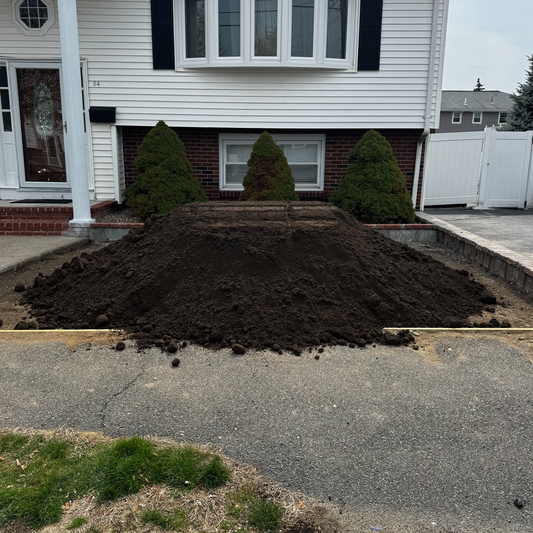
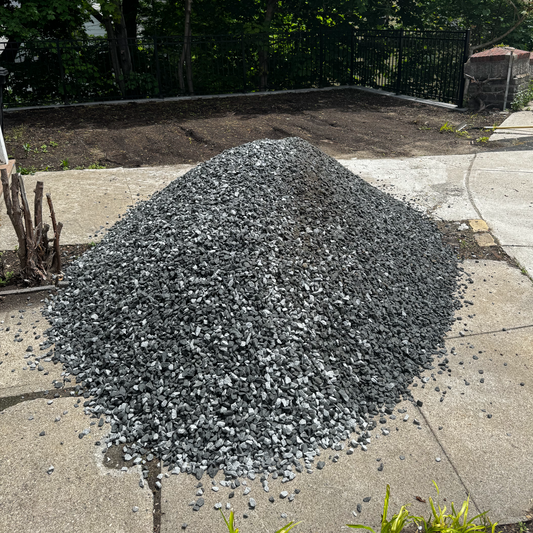
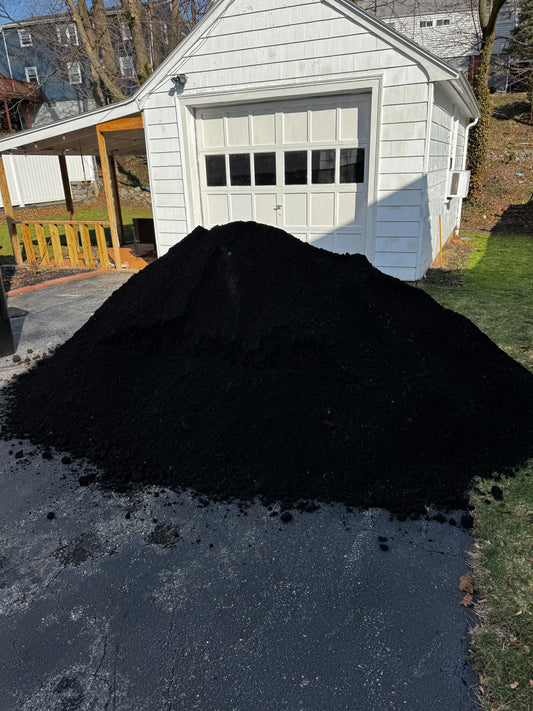
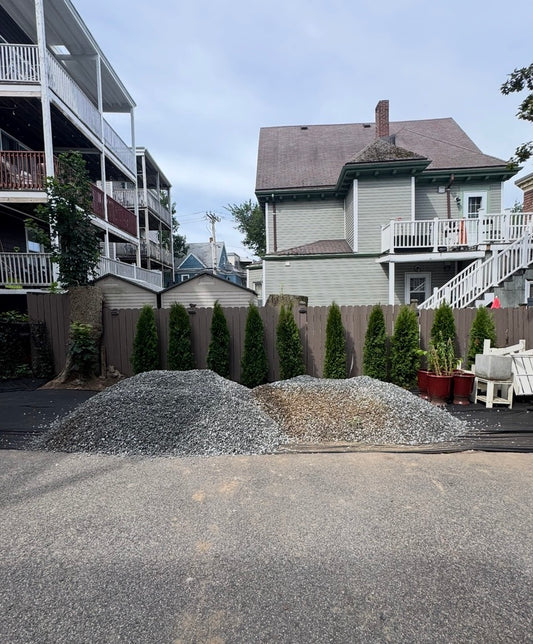
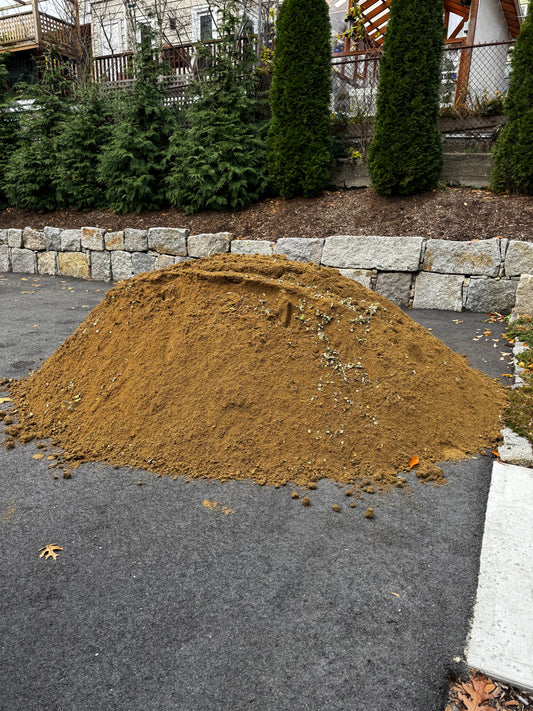
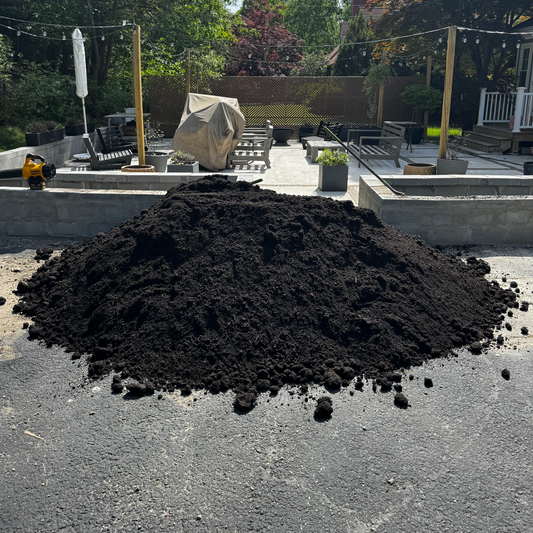
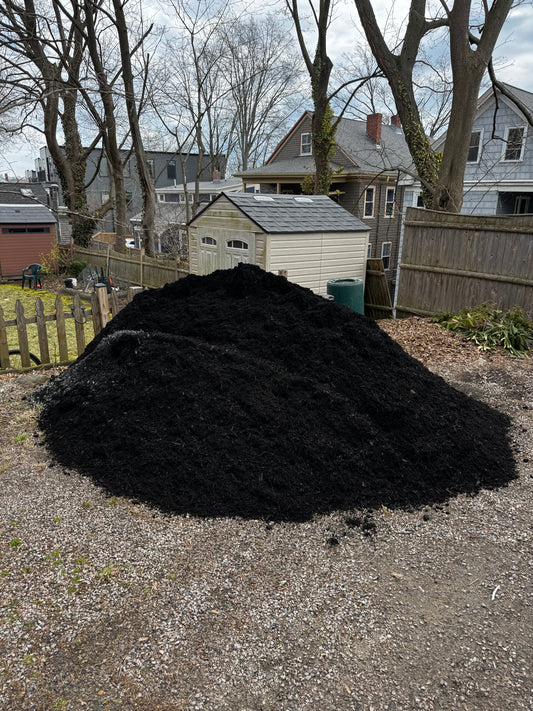
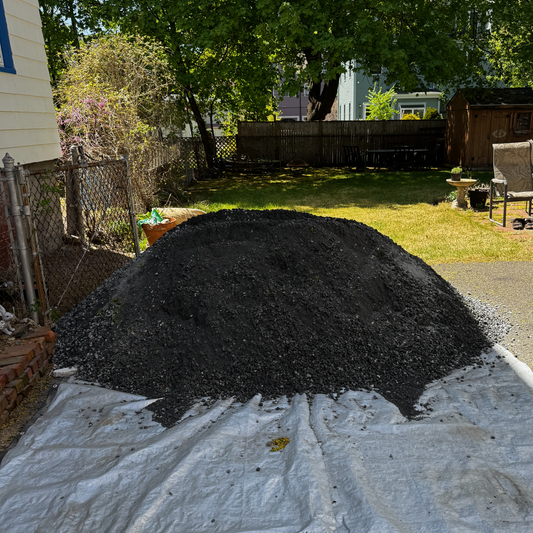
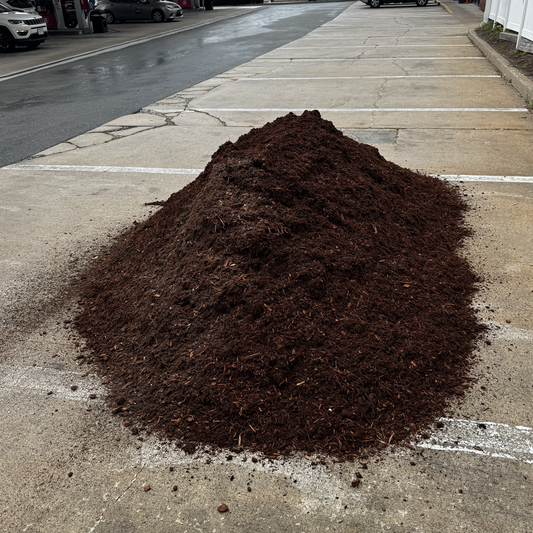
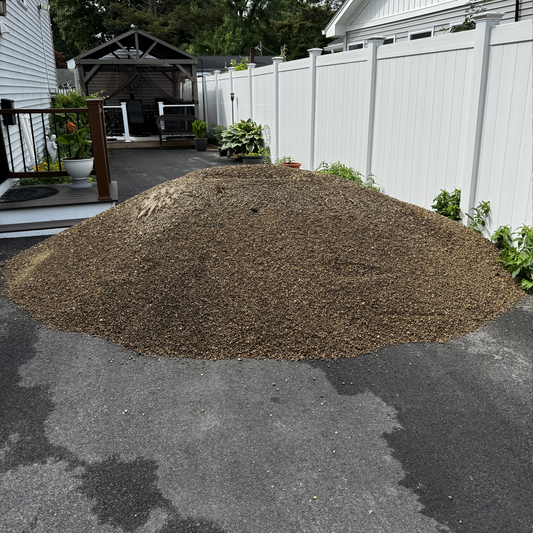
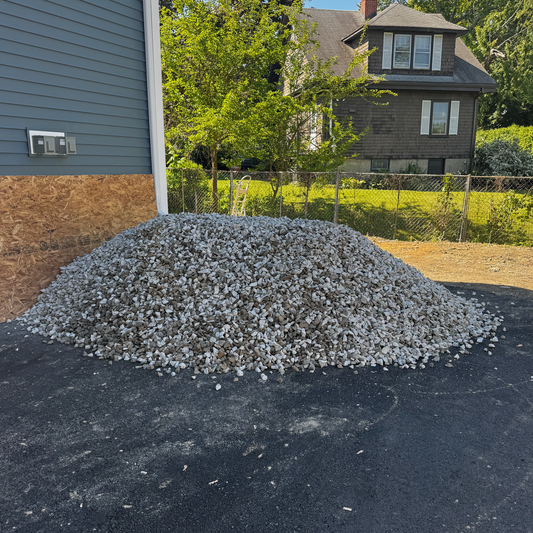
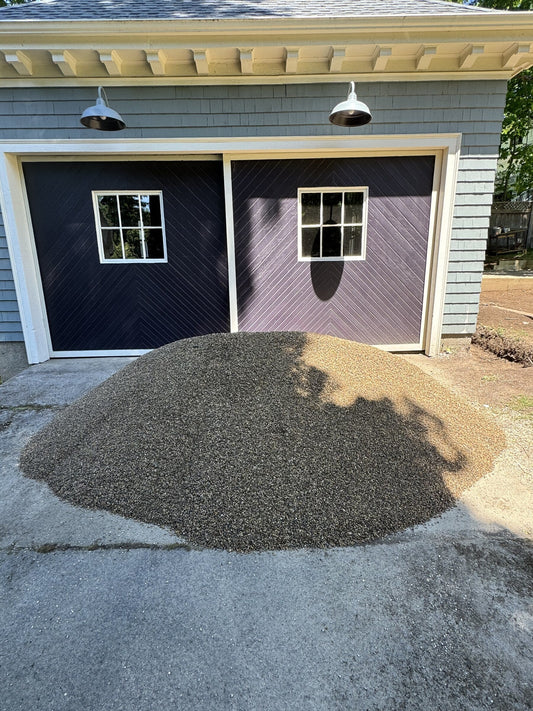
Spring mulch and loam pricing climbs as April approaches. Locking in your spring delivery in January or February holds you at winter pricing - typically a 10-15% savings. Boston routes (Brookline, Newton, Quincy, Jamaica Plain, West Roxbury, Hyde Park, Roslindale, Mattapan) fill fast in March-April.
Pre-book typical Boston-yard volumes:
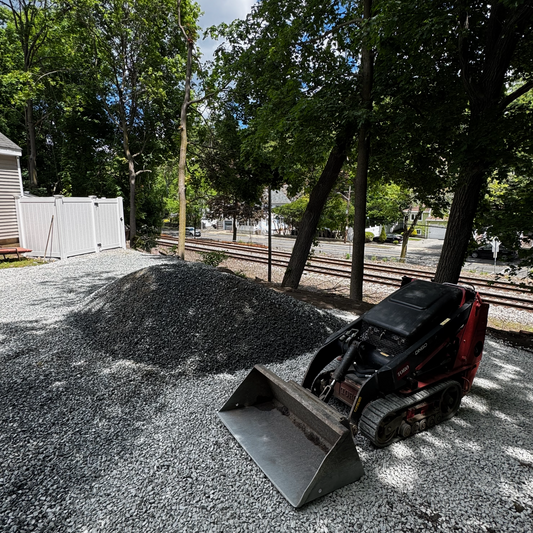
- Mulch: 2-4 cubic yards (medium yard, two beds + tree rings).
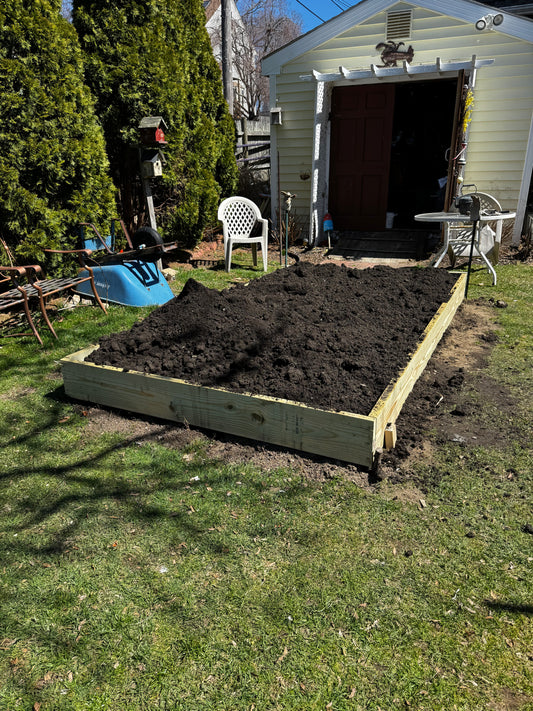
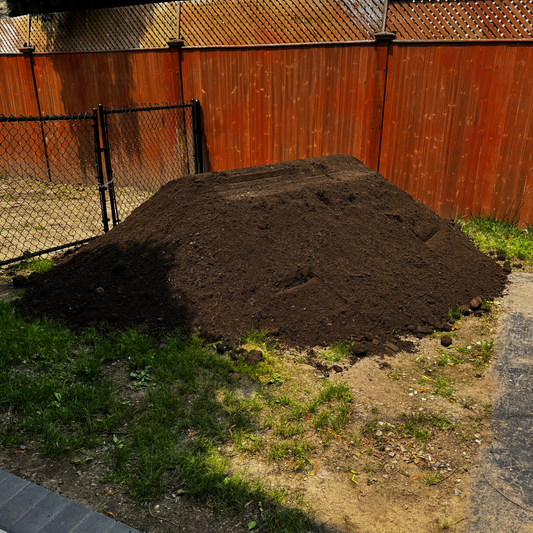
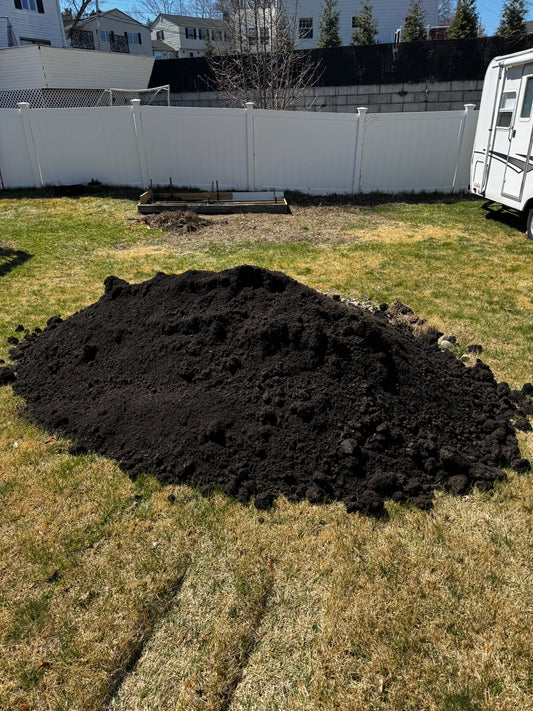
- Loam: 1-2 cubic yards (raised bed expansion).
- Compost: 0.5-1 cubic yard (top-dress).
Browse collections/all and the Boston landscape supply collection for the lineup. For raised bed amendments specifically, see Raised Garden Bed Materials.
#5 - Audit Tools and Equipment
Before late-February pruning and March cleanup:
- Pruners: sharpen blades, oil pivots, replace if dull beyond saving.
- Loppers and pruning saws: check teeth, sharpen if needed.
- Mower: schedule a tune-up at the local mower shop now (queues are short in January).
- Hoses: check for cracks; replace any winter-damaged sections.
- Spreaders: clean out residual fertilizer and salt; calibrate.
For pruner-specific guidance, see Top 5 Plants to Prune in February in Brookline for the late-winter prune list. The 2026 follow-up on reading ice melt bags covers the parallel salt-and-sand audit you should be running this same weekend.
A January Planning Weekend
Block 6-8 hours across one weekend in late January:
- Saturday morning: UMass soil test order + bed sketch (2 hours).
- Saturday afternoon: Seed inventory + order (2 hours).
- Sunday morning: Bulk material pre-book call/email to Ottr (30 min).
- Sunday afternoon: Tool audit and sharpening (2 hours).
By Sunday night, you've set up a Boston yard for a March-April runway that flows. For broader winter-into-spring planning context, UMass Extension's Landscape, Nursery & Urban Forestry program is the authoritative source for what to do (and not do) in January.