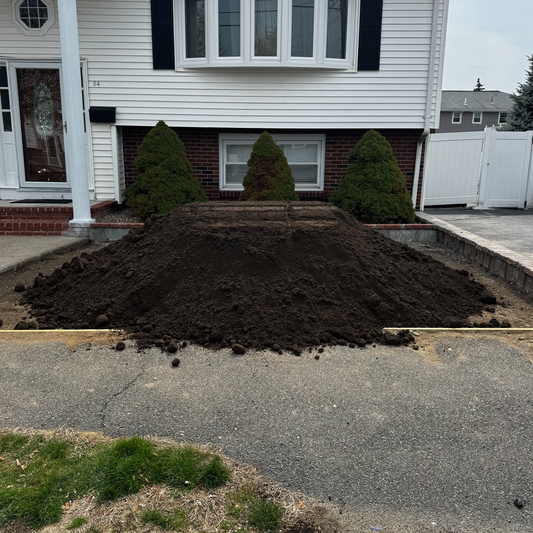
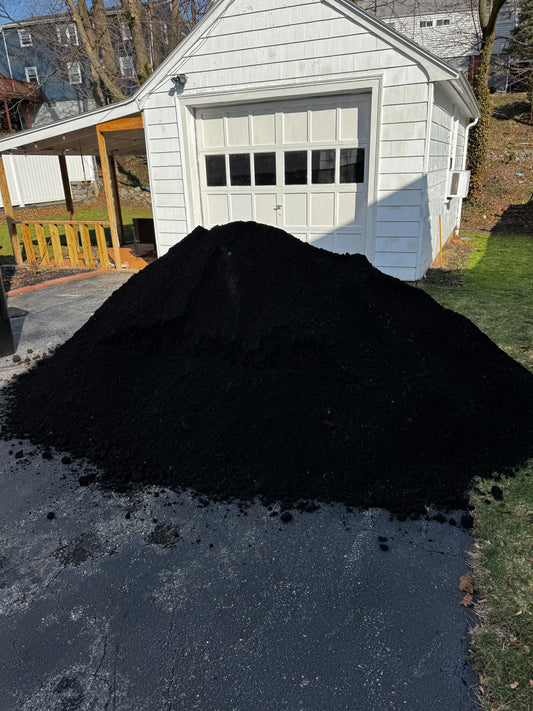
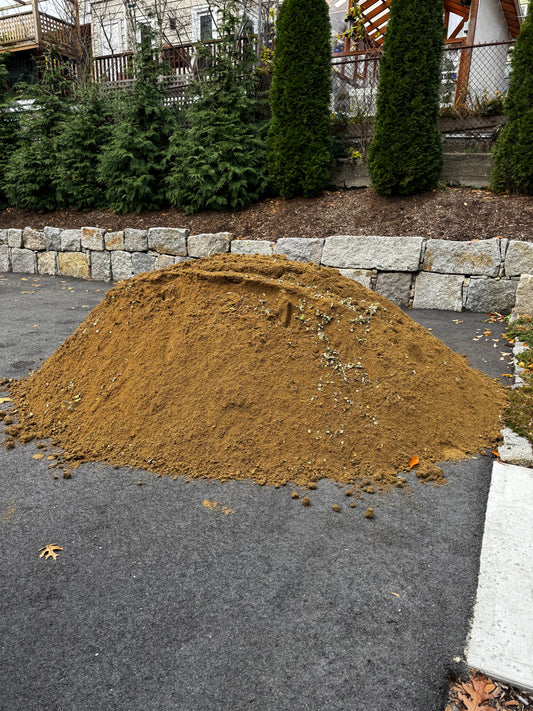
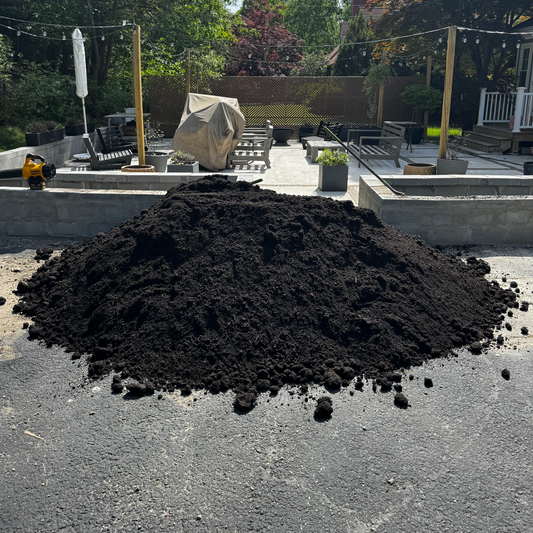
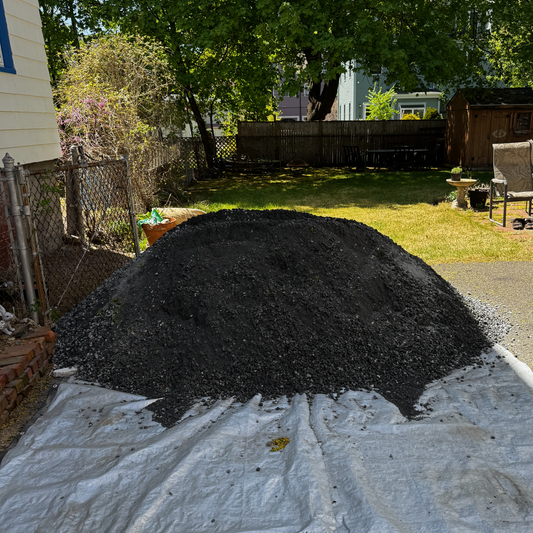
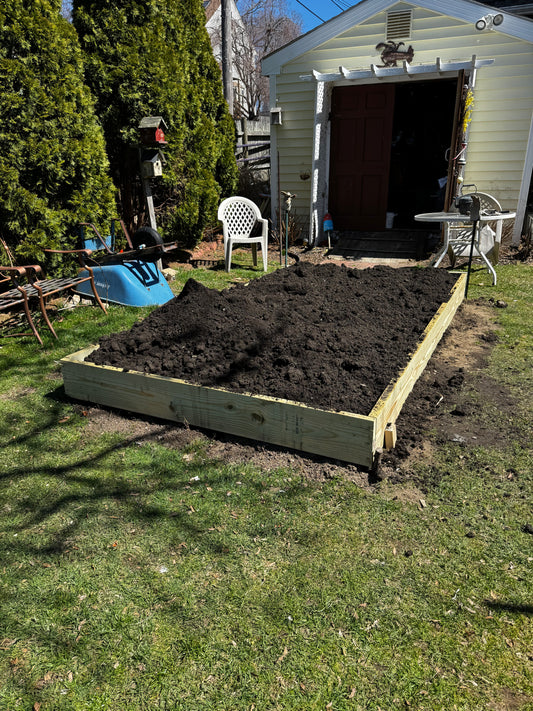
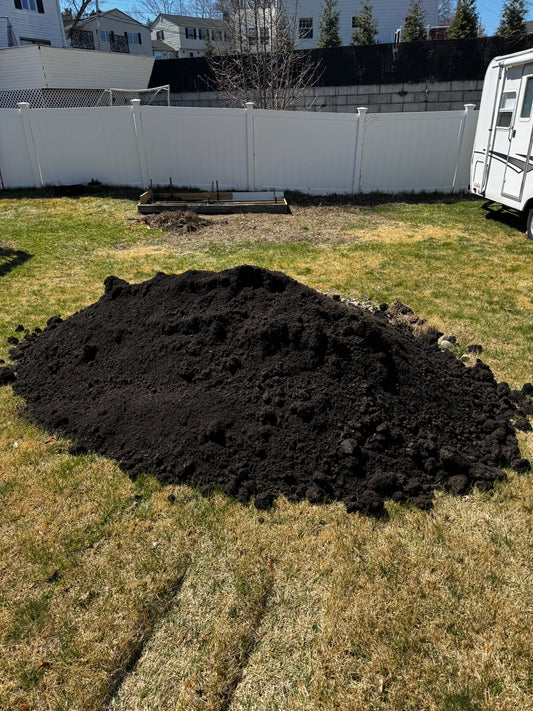
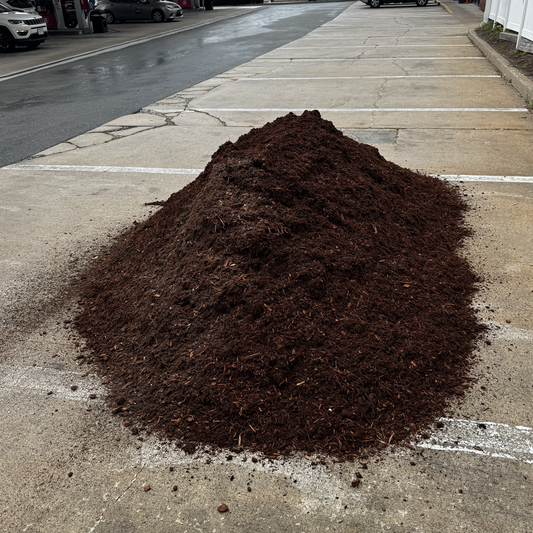
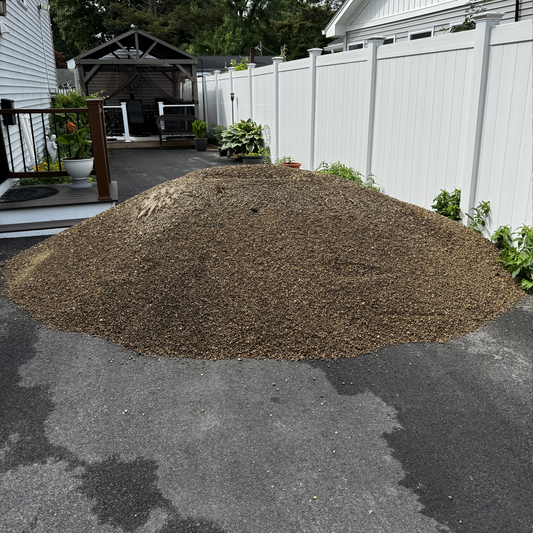
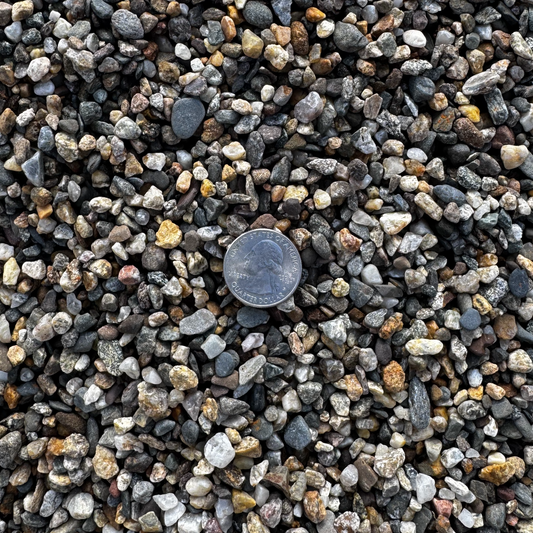
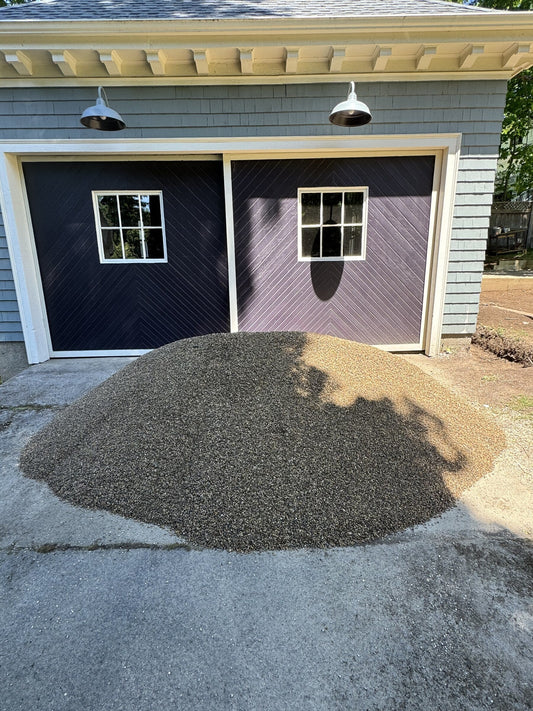
Some raised-garden builds split the bed volume between cheap bulk fill below and premium amendments on top — that works, it saves money, and we recommend it all the time when budget is the deciding constraint. But every now and then a homeowner makes the other choice: premium soil all the way through, top to bottom. The yields, the long-term soil health, and the way the bed performs five years in tend to make the case for the quality-throughout approach all on their own. We dropped 2 cubic yards of Horticultural Soil at a property in Quincy, MA today for exactly that build — a new raised garden being filled full-depth with a premium planting mix.
What Horticultural Soil actually is
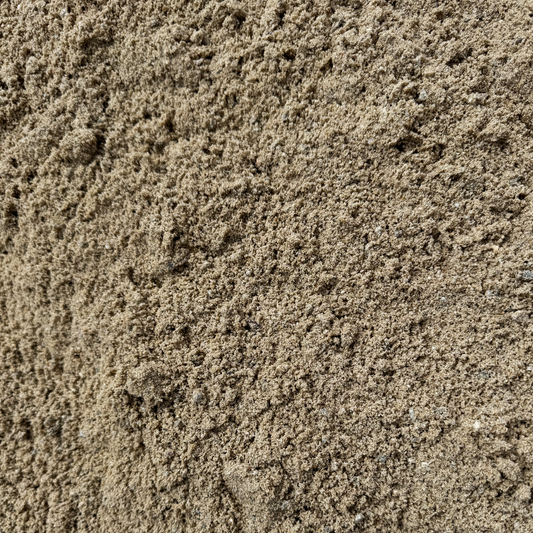
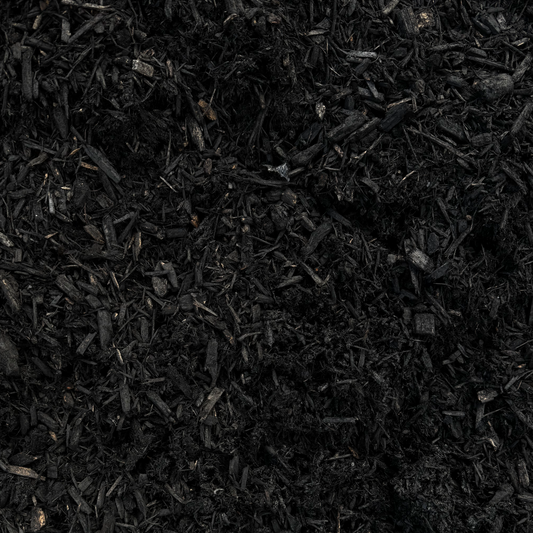
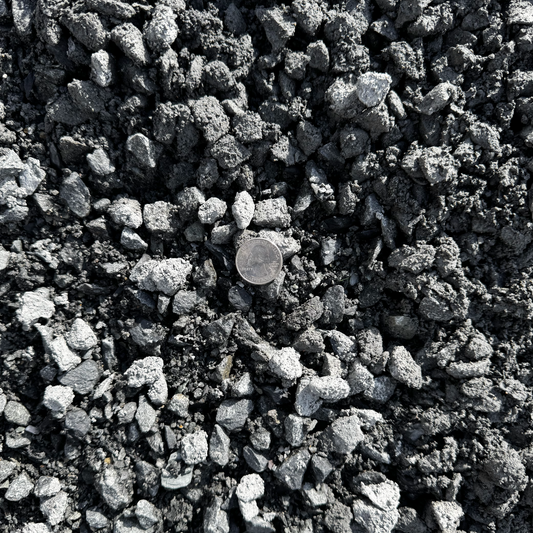
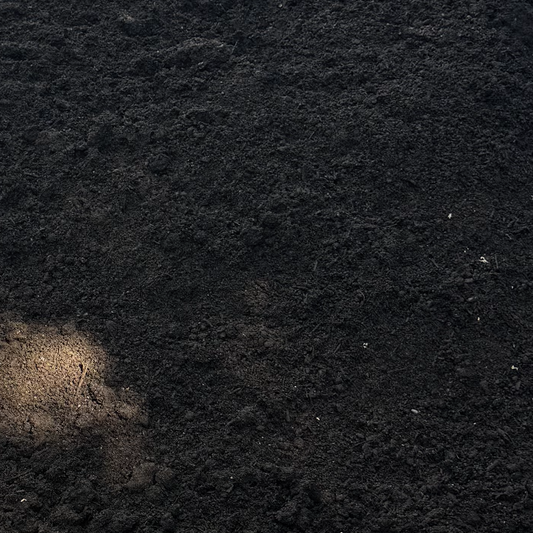
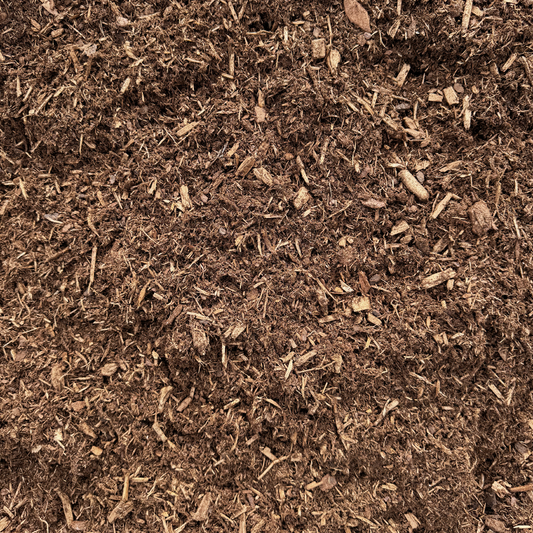
Horticultural Soil is a premium screened planting mix — peat, vermiculite, perlite, and aged organic matter blended to a high-performance spec that professional nurseries and serious gardeners reach for when they want fast root establishment, balanced moisture retention, and a clean, friable substrate that resists compaction. The peat holds moisture without going waterlogged. The vermiculite and perlite open up the structure so roots can move freely and air can reach the soil community. The organic matter feeds the microbiology that makes a bed productive year after year.
It's the kind of mix you'd typically picture as the top layer of a raised bed — the prime root zone where seedlings establish, where annual feeding lands, and where most root activity actually happens. But it's also versatile enough to do that job throughout an entire bed, which is exactly how the Quincy homeowner used it.
The Quincy build is what we call a quality-throughout approach: rather than splitting bed volume between cheaper bulk fill below and premium amendments on top, the homeowner went with Horticultural Soil as the base too. The benefit — roots find the same premium environment from the bottom of the bed up — pays off in tomato yields, perennial vigor, and the kind of healthy long-term soil community that compacted bulk fill never quite delivers.
Two legitimate ways to fill a raised bed
Both approaches have a place. Pick the one that fits your project:
- The layered (budget-conscious) approach. Coarse drainage layer at the bottom (crushed stone, wood chips), bulk-grade planting soil for the middle volume (60–70% of bed depth), then premium mix for the top 6–10". This concentrates the budget where most root activity happens. Costs roughly 50–60% of a quality-throughout build for a bed of the same size.
- The quality-throughout approach. Premium Horticultural Soil from the bottom up. Costs more per yard, but the entire root profile gets the same premium environment, which matters more than people sometimes realize — deeper roots on perennials, tap roots on tomatoes and carrots, and the underground soil ecosystem that supports the topdressing layer above. This is the Quincy build approach in the photo.
Neither is "right" — but for a homeowner who's planning to invest in a raised garden for the long haul, who's growing high-value crops, or who wants to skip the per-season topdressing-and-amending cycle, the quality-throughout approach tends to pay off in performance.
Backyard dump truck delivery — a note for Quincy and surrounding yards
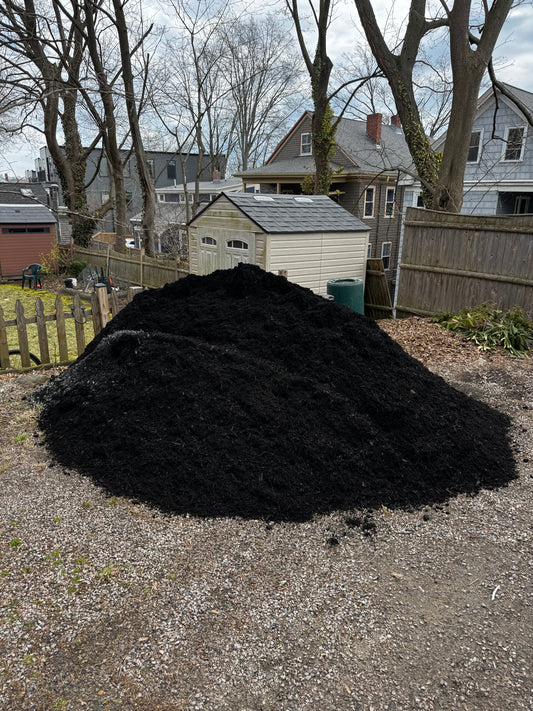
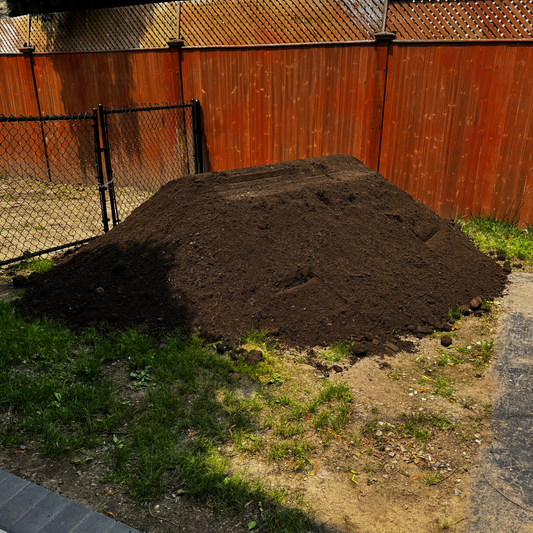
The delivery in the photo above happened directly into the backyard via dump truck, not the usual driveway drop. That's a service we offer when the yard layout allows — basically anywhere the truck can safely back in, maneuver around mature trees, and reach the actual project site without damaging existing landscape or driveways. We ran a very different backyard delivery job in Quincy earlier today — a loam drop for a post-tree-removal lawn repair where tire ruts and a damaged lawn were the access challenge. Every Quincy yard is its own puzzle.
For raised-garden projects in particular, backyard placement saves a lot of wheelbarrow runs. A 2-yard pile on a driveway is a half-day of wheelbarrowing across the lawn to the garden site. The same pile dropped 10 feet from the bed is a 30-minute shovel-in job. We can't do backyard placement for every property — narrow side gates, soft lawns, in-ground sprinklers, septic fields, and tight tree canopies all factor in — but it's worth asking when you order. Just describe your yard layout and we'll tell you if the truck can get back there.
Coverage math for raised beds
The honest numbers:
- 1 cubic yard of Horticultural Soil covers ~108 square feet at 3" depth, 54 sq ft at 6", 36 sq ft at 9", or 27 sq ft at 12".
- A typical 4'×8' raised bed at 12" deep holds about 1.2 cubic yards. Two yards is enough for one large bed or two smaller ones, with room to feather edges and patch settling.
- For a deeper bed (say 18" tall for root crops, berries, or established perennials), the math roughly doubles — a 4'×8'×18" bed takes about 1.75 cubic yards.
- For a quality-throughout build, all of the fill volume is Horticultural Soil. For the Quincy customer's project (multi-bed setup), 2 yards was the right call.
- For a layered build where Horticultural Soil is the premium top layer, plan on 30–40% of total bed volume in Horticultural Soil — so a 2-yard total bed = ~0.7 yards Horticultural Soil on top.
Why this matters in Quincy and across Norfolk County
Quincy and the surrounding South Shore towns are full of yards that are exactly right for raised-bed gardening — established single-family properties with decent sun exposure, mature trees that throw partial shade in ways that favor cool-season crops, and homeowner demographics that lean toward year-over-year garden investment. Raised beds in particular have become the dominant style across Wollaston, Squantum, Houghs Neck, Merrymount, Adams Shore, West Quincy, Quincy Center (02169), North Quincy (02171), and Quincy Point / Marina Bay (02170) — partly because they're easier on the back, partly because they let homeowners control soil quality precisely, and partly because they look intentional and finished in a way that in-ground beds don't always pull off.
We see the same pattern across the inner South Shore and Norfolk County towns — Milton, Braintree, Weymouth, Hingham, Cohasset, Holbrook, Randolph, Canton, Stoughton, Dedham, plus the Boston-side neighborhoods just north — Dorchester, Mattapan, Hyde Park, West Roxbury, Roslindale. If you're building or refreshing a raised bed anywhere in the corridor, Horticultural Soil fits the project whether you're going layered or quality-throughout, and we're already in your neighborhood on regular delivery days.
How delivery works
We deliver Horticultural Soil by the cubic yard across the South Shore and Greater Boston. Per truck capacity, it ships at up to 6 cubic yards per truck, so most raised-garden projects (1–6 yards) ship in a single delivery. Drop spot is your call — driveway is standard, backyard placement available where the property allows.
Ready to build a raised garden?
Whether you're starting from scratch on a single raised bed in Quincy, expanding an existing garden in Milton, or doing a full backyard kitchen-garden install in Hingham, order Horticultural Soil online and we'll get it to your site. Need help deciding between a layered budget build and a quality-throughout build? Text us your bed dimensions and we'll walk through the math — and the trade-offs — with you.