Quick Answer
Five final-yard tips for any MA homeowner closing the season: (1) bag the clippings on the last mow, (2) leave seed heads on coneflower and black-eyed Susan for birds, (3) snap reference photos before the snow flies, (4) mark damage with garden flags, and (5) load the spring-prep shopping list now — not in March. None of these takes more than 20 minutes; together they shave 4–6 hours off spring startup.
What Makes These Tips Universal
These five aren't location-specific. They work on a Boston three-decker, a Plymouth Cape, a Worcester farmhouse, a Pittsfield ranch. They're the leverage points in late-November yard work — the small moves that pay outsize dividends in March.
For neighborhood-specific November task lists, see Top 5 November Cleanup Tasks for Cambridge Front Yards, Top 5 November Cleanup Tasks for Middlesex County Front Yards, and Top 5 November Chores for Norfolk County Backyards.
1. Bag the Clippings on the Last Mow
All season, mulching clippings back into the lawn is the right call — free fertilizer, soil microbe food. The final mow is the exception. Bag the clippings on the last cut.
Why: - Removes leaf-tip disease material before dormancy - Prevents matted clippings from breeding snow mold under January snowpack - Cleans up residual leaf litter mixed into the canopy
Compost the bagged clippings (or send to municipal yard waste) — don't dump in a bed where they'll mat. For full final-mow logic, see How to Time the Last Mow in a Bridgewater Lawn.
2. Leave Seed Heads on Coneflower and Black-Eyed Susan
Most fall perennial advice says "cut everything to 3 inches and clean it up." That's wrong for coneflower (Echinacea), black-eyed Susan (Rudbeckia), sedum, and ornamental grasses.
Leave seed heads standing through winter. They: - Feed birds (goldfinches, juncos, chickadees) through January - Provide visual interest above the snow line - Insulate the crown from freeze-thaw damage
Cut these back in early March, before new growth pushes. The other perennials (hosta, daylily, peony) get the standard November cut to 3 inches above the crown.
3. Snap Reference Photos Before the Snow Flies
Take 8–12 photos of the yard in mid-to-late November. Standard angles:
- Each side of the house from the property line
- Each garden bed straight-on
- The driveway and front walk
- Any drainage trouble spot (pooling water, downspout exit)
- Any plant or tree you might want to swap or move in spring
These photos save hours of detective work in March. "Where did I put that hosta?" "Was the foundation bed mulched all the way to the corner?" "Did that boxwood look this thin last fall, or is this new winter damage?"
Drop the photos into a folder labeled "Yard 2025-11." Refer to it in March.
4. Mark Damage with Garden Flags
Walk the yard with a bundle of garden flags or stakes. Mark every patch that needs spring repair:
- Bare or thin lawn spots
- Plow-edge damage from the previous winter that didn't recover
- Salt-burn stripe along the curb edge
- Mole or vole tunnels
- Drainage trouble spots (where water pools after rain)
- Dead or struggling shrubs that may need replacement
Once snow melts in March, the green-up hides all of this. Flags survive winter and tell you exactly where to dig, seed, or mulch.
For drainage flagging context, see 5 Pre-Winter Yard Checklist Items for West Roxbury. For lawn-repair planning, see Top 5 Cool-Season Grass Picks for Brookline Spring Repair.
5. Load the Spring-Prep Shopping List Now
The yards that crush spring startup do their shopping list in November, not March. By March, the bulk yards are slammed and pricing creeps up.
The November shopping list:
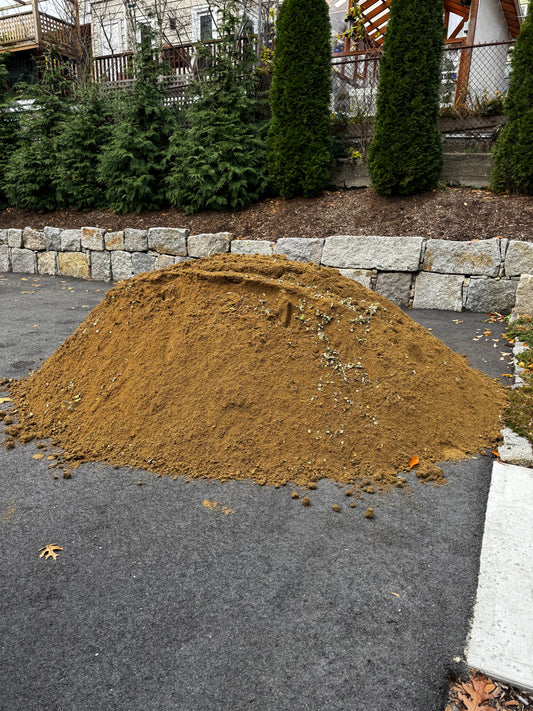
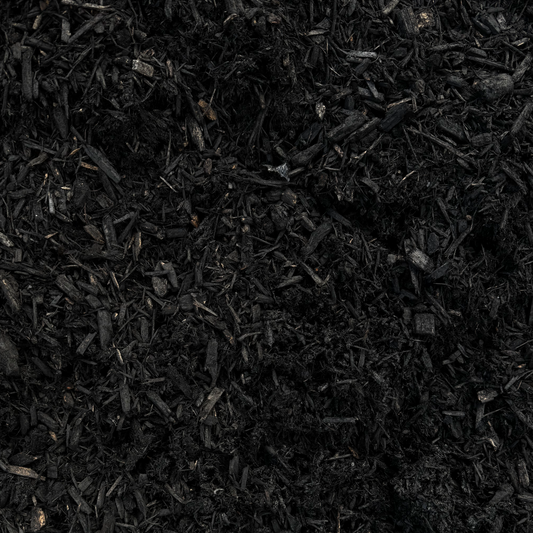
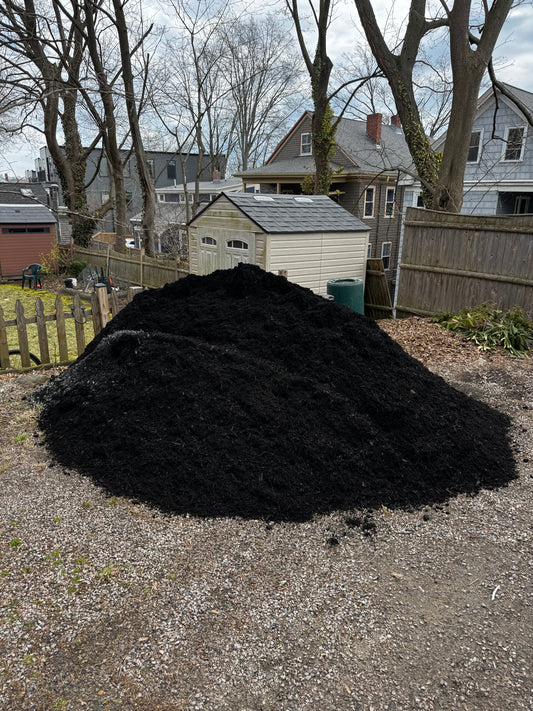
- Mulch yardage — calculate from bed area and 3-inch depth (one yard covers 108 sq ft)
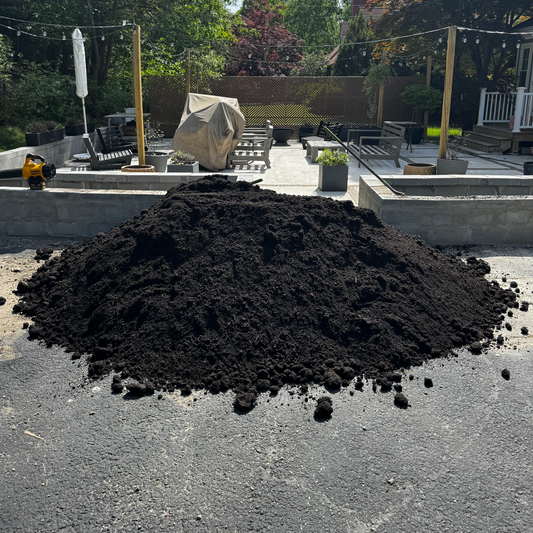
- Compost — for spring topdressing and bed amendment
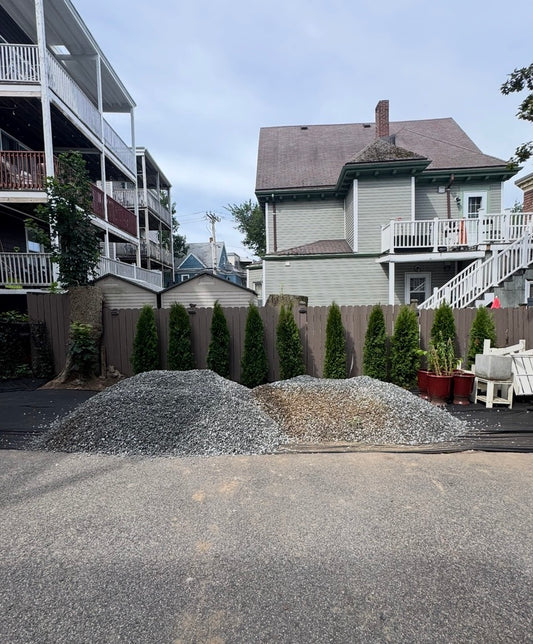
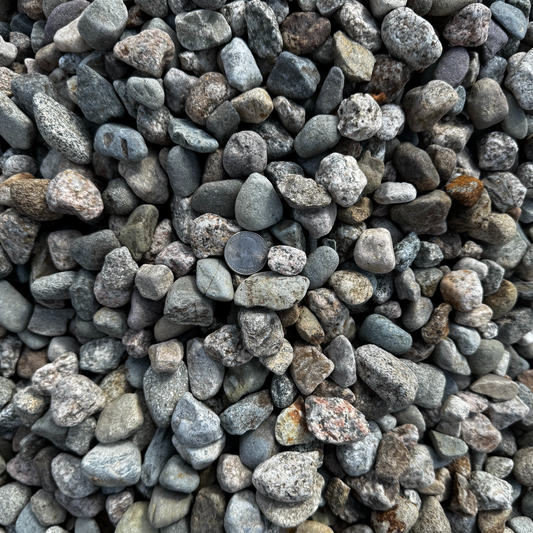
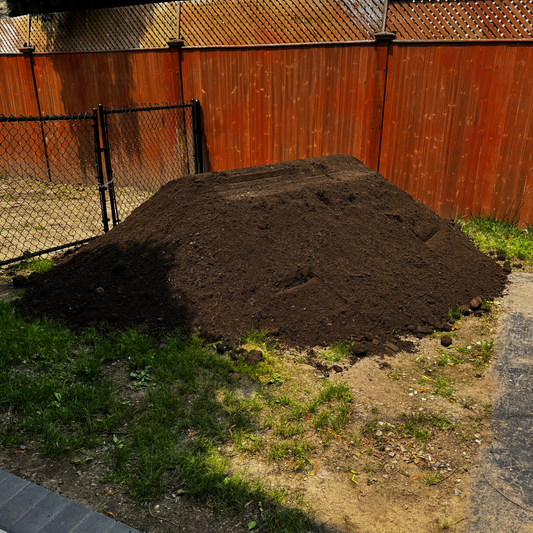
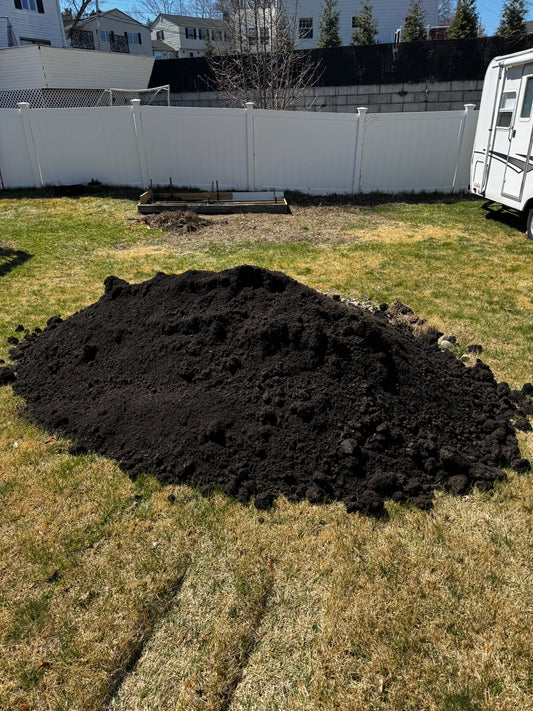
- Lawn-repair materials — Topsoil Loam ½" Screened, grass seed, starter fertilizer
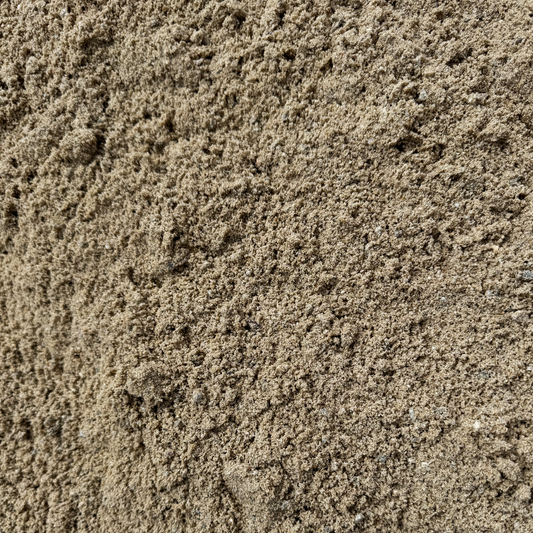
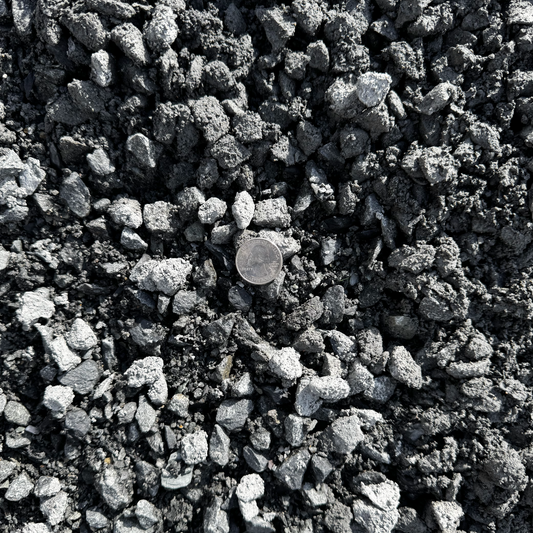
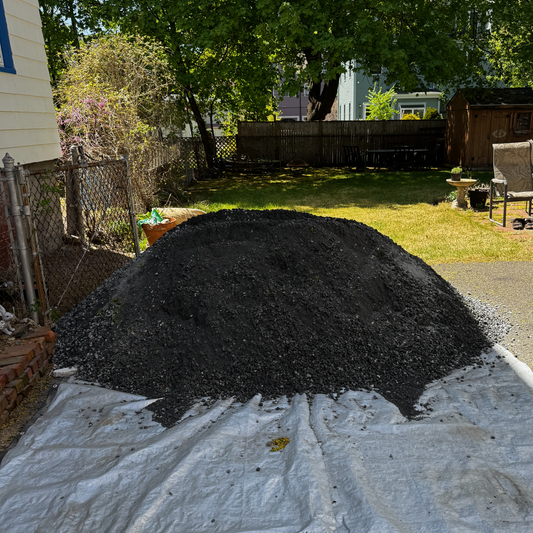
- De-icer for the rest of winter — Salt & Sand 20/80 or 50/50, mason sand
- Replacement plants — anything that didn't survive last winter, plus the new beds
Email yourself the list. Order in mid-March before the rush. Browse the Ottr full catalog — for delivery scheduling, see your local geo collection (Boston, Plymouth, Worcester, etc.).
For pre-spring contractor moves, see How to Pre-Order Spring Mulch for a Worcester County Property.
The Universal MA November Wrap
Once these five are done — plus the standard November tasks (final leaf cleanup, last mow, winterizer fertilizer, winter mulch on tender plants, irrigation blow-out, gutter cleaning) — your yard is locked down for winter. March startup goes from a panicked scramble to a calm 90 minutes of executing the November plan.
The UMass Extension Landscape, Nursery & Urban Forestry program has the authoritative monthly task calendar for MA homeowners.