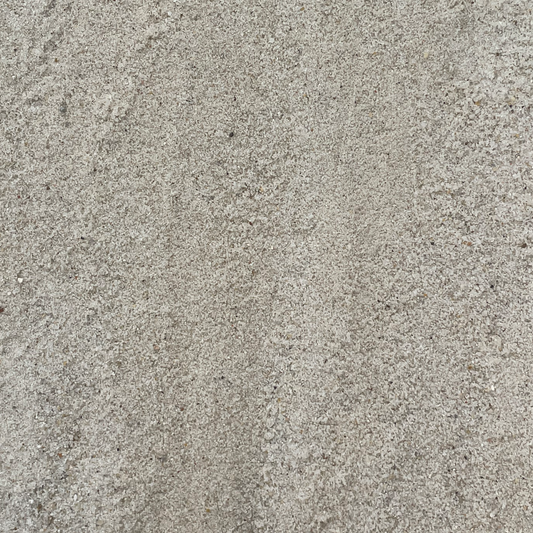
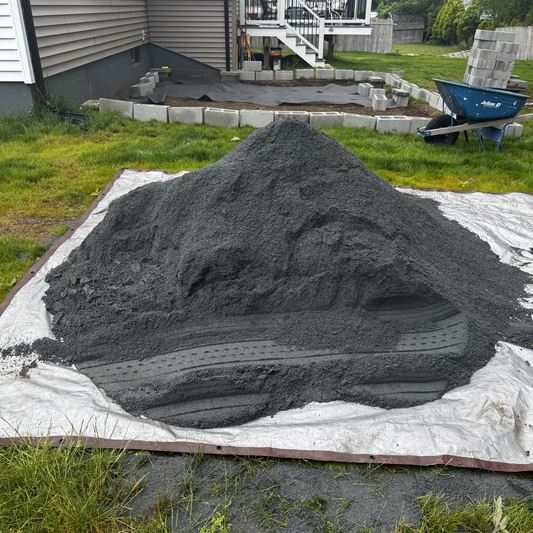
Rehoboth has more open ground than most towns we deliver to: old farm fields, horse pastures, and new houses set back on cleared land. Trees planted in that open space get full sun and steady wind, which dries new roots and rocks young trunks. Soils run from sandy to stony, sometimes on one lot.
When should you plant trees in fall in Massachusetts?
Mid-September through October. Cooler air eases stress on the leaves while warm soil keeps roots growing. Finish several weeks before the ground freezes.
How do you pick a spot on an open Rehoboth lot?
- Check the mature height and spread on the tag, and keep large trees clear of the house, wires, and septic areas.
- Note the prevailing wind. On exposed lots, a hedgerow, outbuilding, or existing tree line on the windward side helps.
- Avoid low spots where water sits after rain.
How do you dig and set the tree?
- Dig wide, not deep. Make the hole two to three times the width of the root ball and only as deep as the ball. Rough up the sides.
- Find the root flare. Remove excess soil from the top of the ball until you see where the trunk widens. That flare sits at or slightly above grade.
- Loosen the roots. Tease apart circling roots on container trees. Cut away twine and as much burlap and wire basket as you can once the tree is in place.
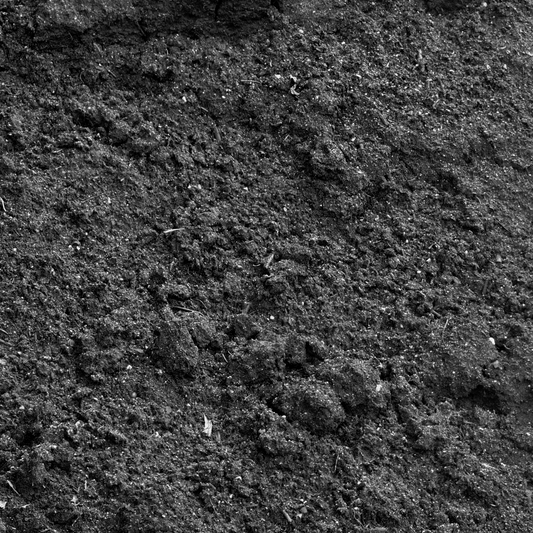
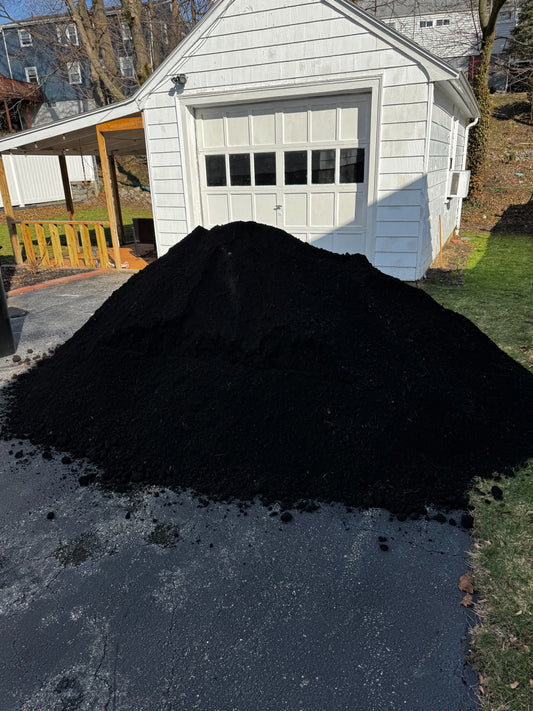
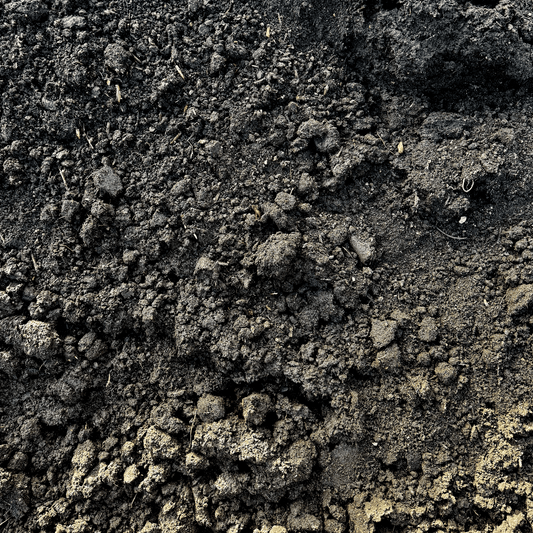
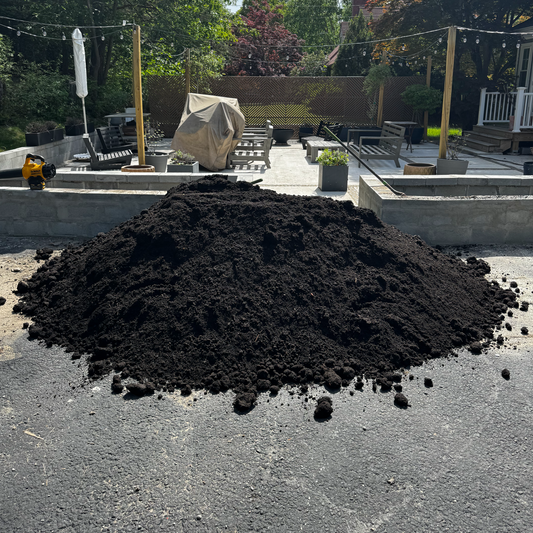
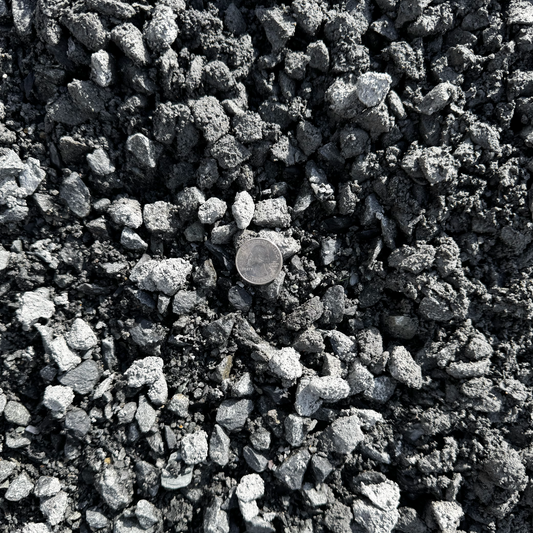
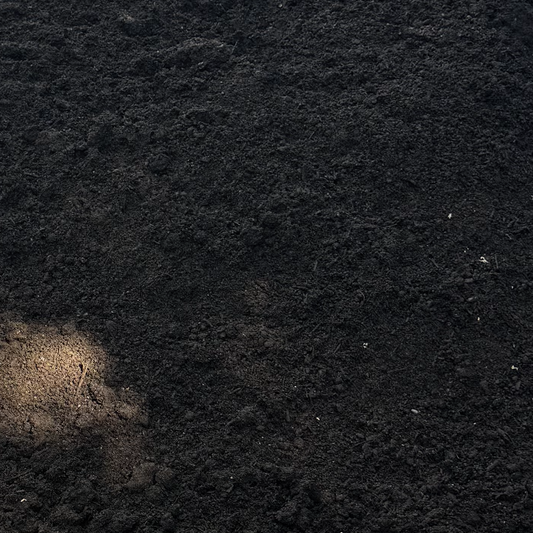
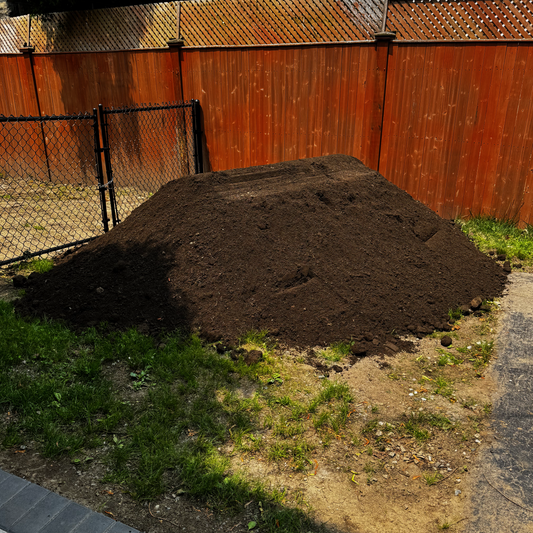
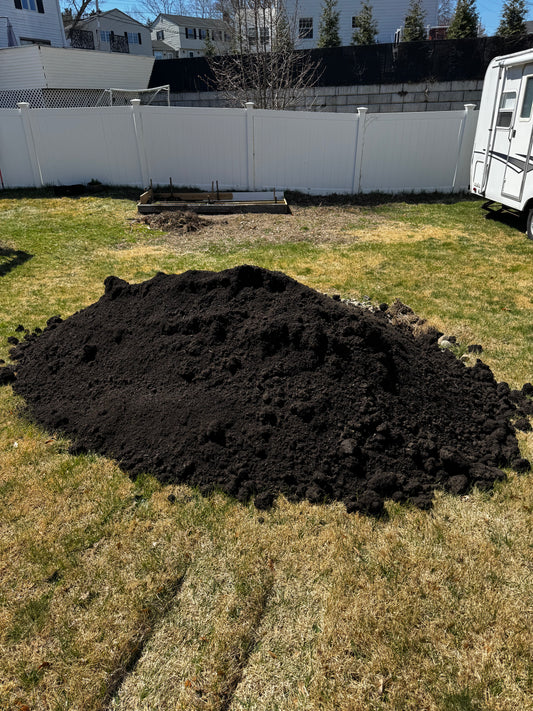
- Backfill. Use mostly native soil. On very sandy or heavy ground, blend in about one part compost to three parts native soil. Firm it gently in layers to remove air pockets.
- Water deeply. Soak the backfill as you go and again when finished.
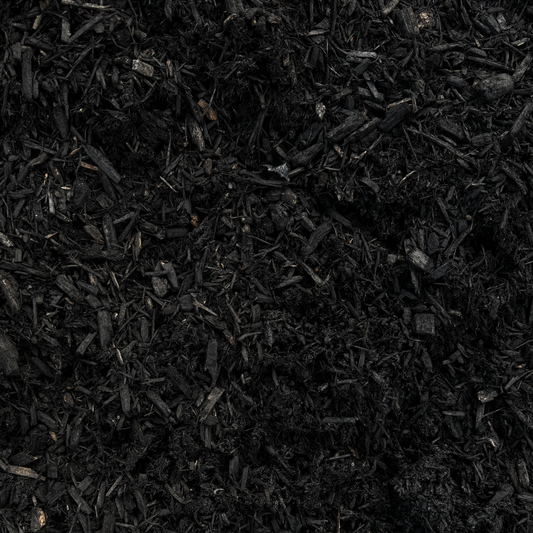
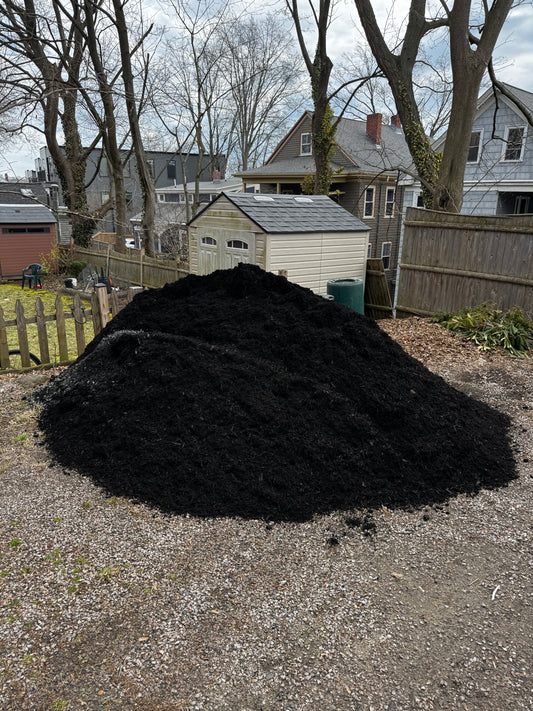
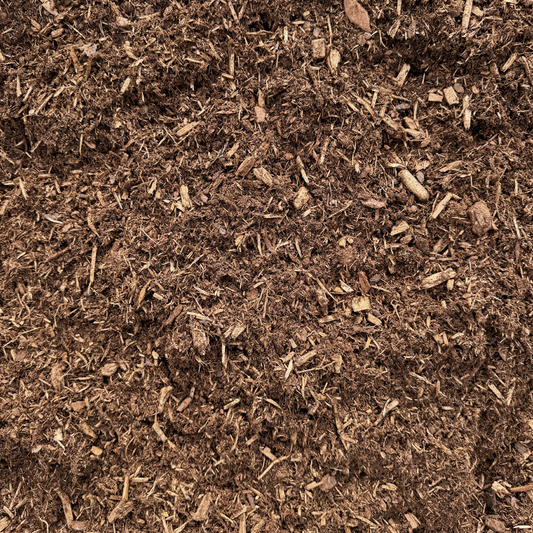
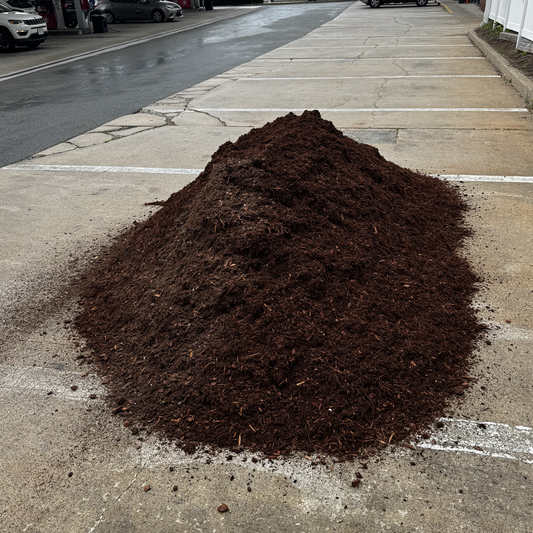
- Mulch the ring. Spread 2 to 3 inches of hemlock mulch in a ring at least 3 to 4 feet across, pulled a few inches back from the trunk. Never pile mulch against the bark.
Pine bark mulch is a good alternative on slopes and around acid-loving trees because it holds in place. For more detail, see our fall tree planting guide from Concord.
Does a new tree on an open lot need staking?
On windy Rehoboth ground, often yes. Use two stakes outside the root ball with soft, wide straps that let the trunk flex a little. Remove them after one growing season. A tree that moves slightly builds a stronger trunk.
How much compost and mulch should you order?
Use square feet × depth in inches ÷ 324 = cubic yards. A 4-foot ring is about 12.6 sq ft, so 3 inches of mulch is about 0.12 cubic yards per tree.
| Trees | Mulch (4 ft ring, 3 in) | Compost for backfill |
|---|---|---|
| 3–5 | About 0.4–0.6 cubic yards | About 0.5 cubic yards |
| 10 | About 1.2 cubic yards | About 1 cubic yard |
| 20 (windbreak row) | About 2.4 cubic yards | About 2 cubic yards |
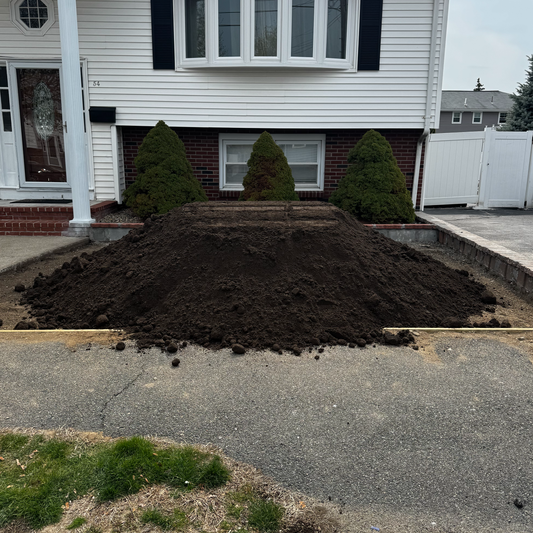
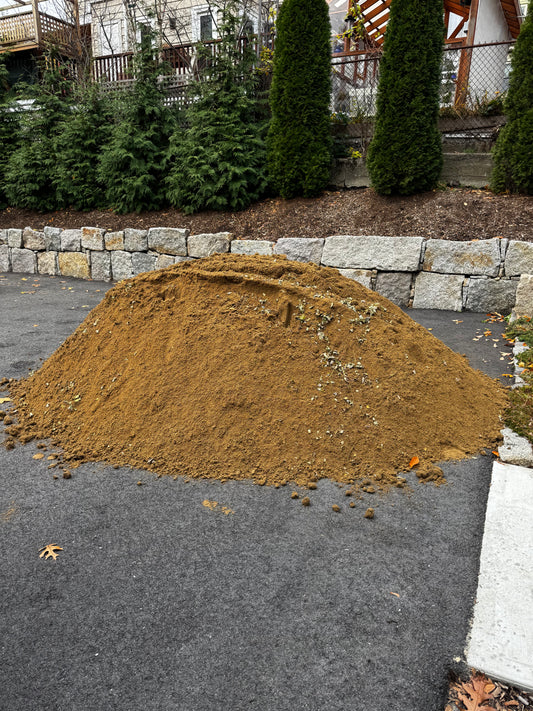
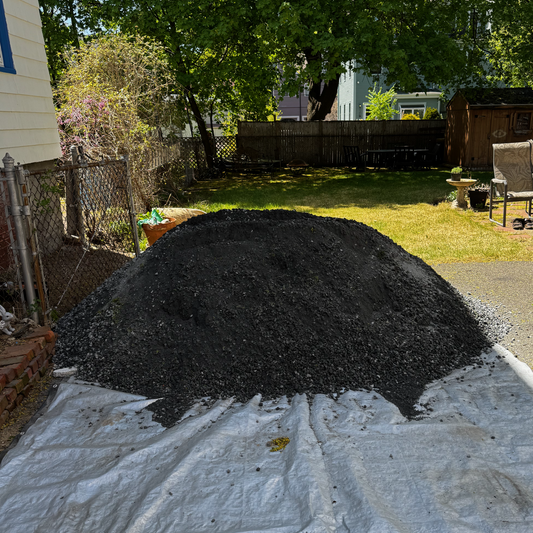
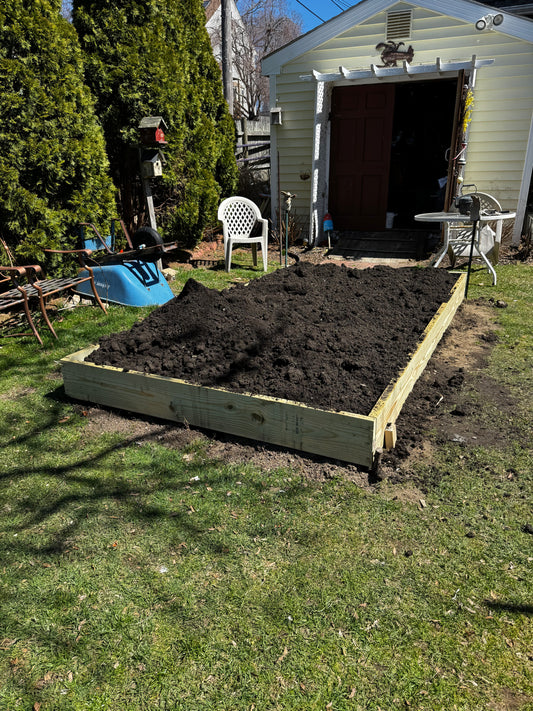
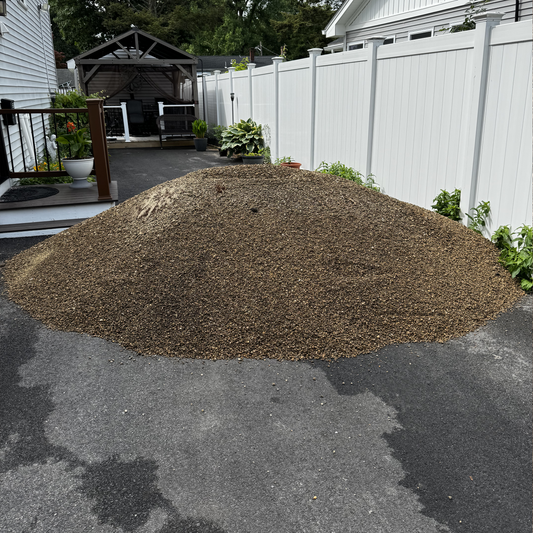
The minimum order is 1 cubic yard. Mulch goes out in loads of up to 10 cubic yards and compost in loads of up to 6. Each material is its own load with its own delivery fee. Pricing is on each product page and the fee for your ZIP shows at checkout. For soil to build up a low planting area, browse our bulk soil collection.
Drops are curbside or on the driveway by default. On long Rehoboth driveways, choose a drop spot near the planting area that keeps the truck on firm ground. See our Rehoboth landscape supply page for local delivery details.
For species selection and care, Trees Are Good from the ISA and UMass Extension Landscape are reliable references.
Can I still plant in November?
It can work if the ground is not frozen, but rooting time is short. October is the safer finish line.
Should I fertilize at planting?
Generally no. Compost in the backfill is enough for the first season.
How often should I water a fall-planted tree?
Give a deep soak about once a week when rain is light, until the ground freezes.
Do I need to refresh the mulch ring?
Top it back to 2 to 3 inches in spring, keeping it off the trunk.
Questions about a compost or mulch order? Call or text (617) 645-0987 anytime.