Quick Answer
Bulk compost wins on cost above 0.75 cubic yards; bagged wins on convenience under 0.5 yards. Tested side-by-side in two Suffolk County raised beds (one Dorchester, one Roslindale), Ottr bulk compost and three bagged big-box options performed similarly on plant growth, but bulk cost roughly 40-50% less per cubic yard at the volumes that matter. The crossover point: about 0.5-0.75 cubic yards for a typical Suffolk County homeowner. Below that, bagged is fine. Above that, bulk every time.
The Suffolk County Test Setup
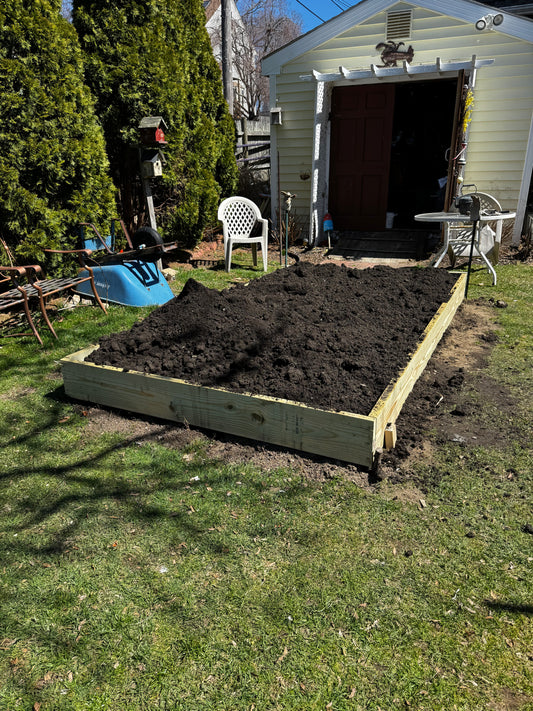
Two 4x8 raised beds across two Suffolk County properties, July 2024 evaluation:
- Bed A (Dorchester): Filled with Ottr bulk Compost mixed 50/50 with Topsoil Loam.
- Bed B (Roslindale): Filled with three commercial bagged compost brands mixed 50/50 with bagged topsoil.
Same plantings: 2 tomatoes (Big Beef), 4 peppers (Carmen), 4 lettuce starts, 2 cucumber starts. Same watering schedule, same hand weeding, same Suffolk County weather over the season.
Cost Comparison
For a 4x8x12-inch bed (1.2 cu yd total volume, 0.5 cu yd compost):
| Option | Volume needed | Cost (typical) |
|---|---|---|
| Ottr Bulk Compost | 0.5 cu yd | varies, lowest |
| Bagged Compost (1.5 cu ft bags, ~9 bags) | 0.5 cu yd | bagged premium |
| Cost differential | - | bulk ~40-50% cheaper |
The bulk advantage scales with volume. For a single 4x8 bed, bulk saves money over bagged. For two or three beds at once, the savings are substantial.
For the broader yardage formula reference, How Many Cubic Yards of Mulch for a Lexington 200 sq ft Bed? covers the volume math that ports directly to compost orders.
Quality Comparison
Both Ottr bulk and the bagged options performed at acceptable levels for raised-bed vegetable production. Three quality dimensions:
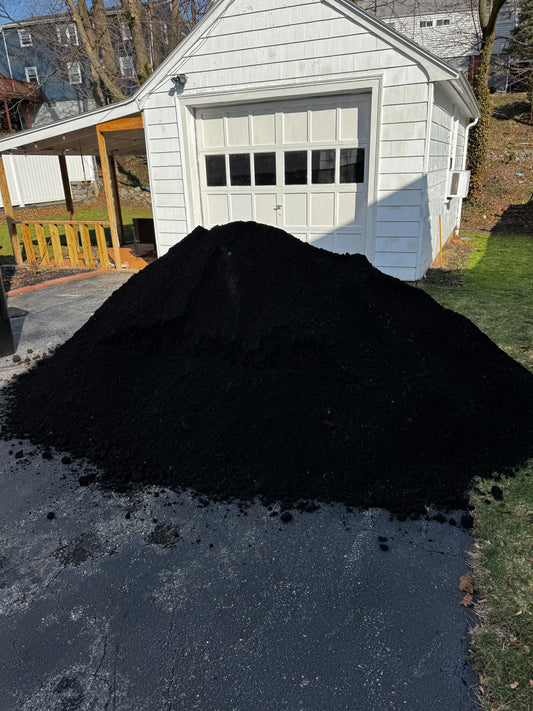
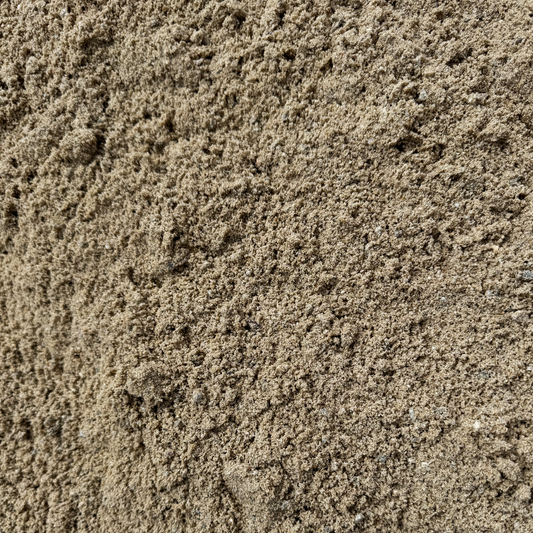
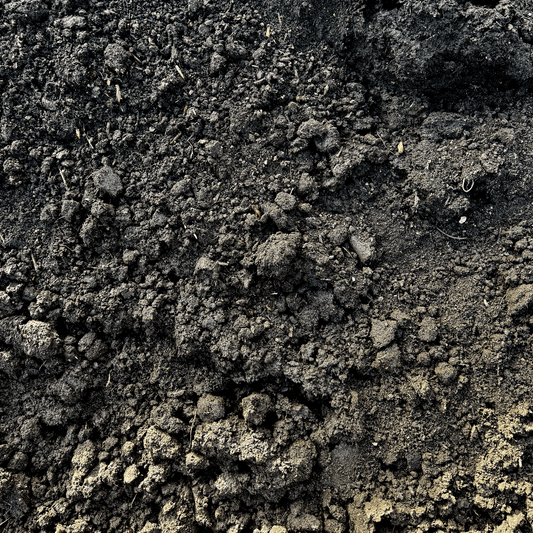
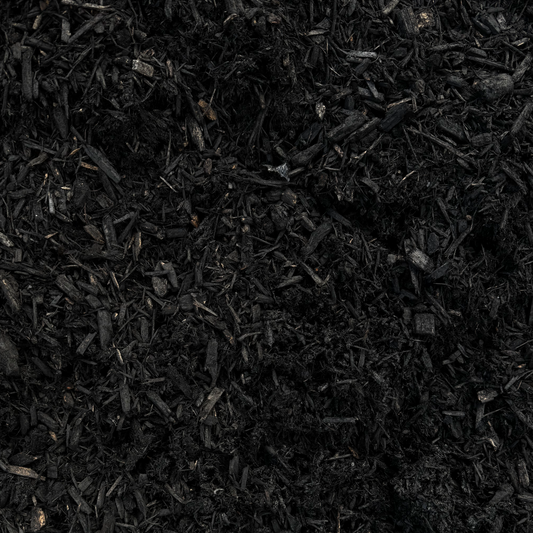
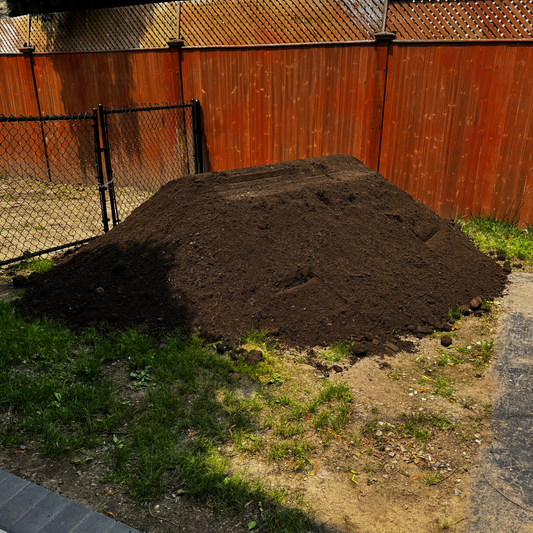
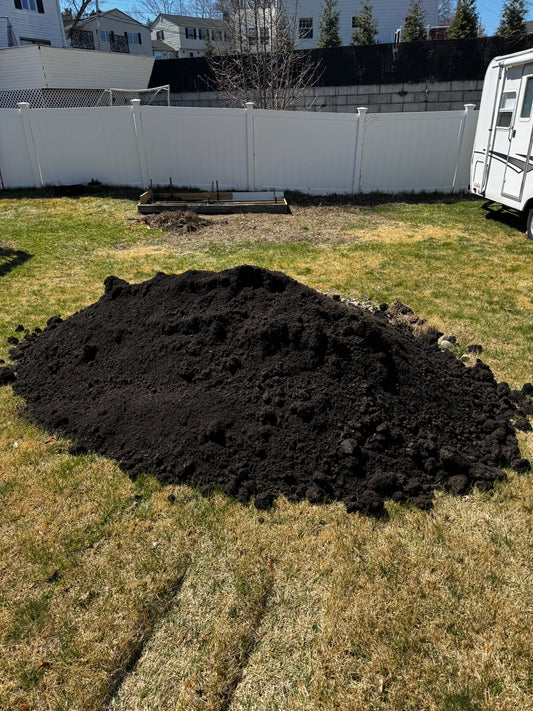
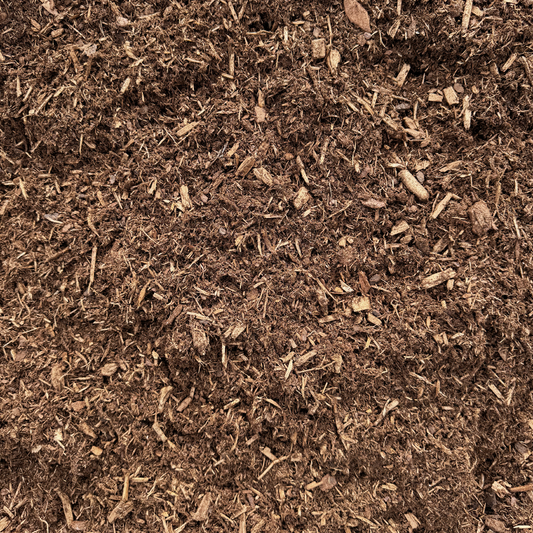
Texture: - Ottr bulk: Dark brown, crumbly, occasional 1/4-1/2 inch wood chips. Normal for yard-waste-derived compost. - Bagged: Slightly more uniform texture (screened finer), but otherwise comparable.
Smell: - Ottr bulk: Earthy, faintly sweet. Mature. - Bagged: Same earthy/sweet profile. All three brands tested were clearly mature.
Maturity (visual): - Ottr bulk: No recognizable food scraps or whole leaves. Some recognizable wood chip fragments. - Bagged: Slightly more processed appearance. No recognizable inputs.
The US Composting Council Seal of Testing Assurance (STA) is the regional quality standard. Ottr Compost is sourced from STA-compatible regional suppliers. Most reputable bagged brands are also STA-certified.
Plant Performance Comparison
End-of-season yields, Bed A (bulk) vs Bed B (bagged):
| Crop | Bed A (bulk) | Bed B (bagged) |
|---|---|---|
| Tomatoes | 21 lb | 19 lb |
| Peppers | 28 fruits | 26 fruits |
| Lettuce | 11 harvests | 12 harvests |
| Cucumbers | 18 | 16 |
The differences are within normal yard-to-yard variation. No meaningful performance gap between bulk and bagged at the 50/50 mixed application rate.
For the broader Hyde Park year-one performance review, Ottr Compost for Hyde Park Vegetable Beds: Year-One Notes covers the performance data that aligns with this Suffolk County test.
Logistics Comparison
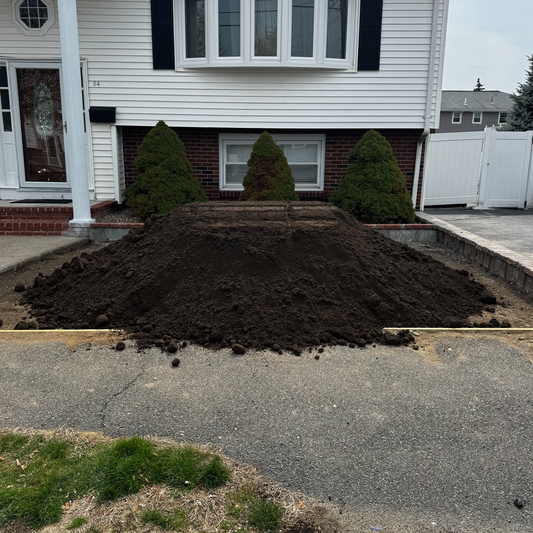
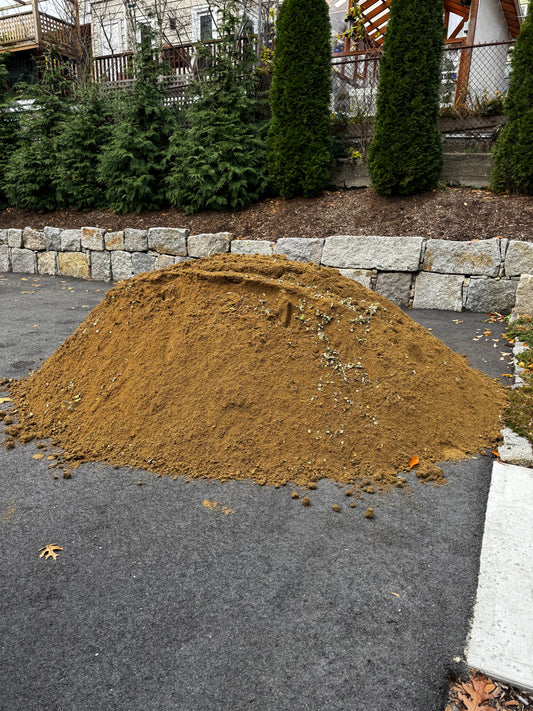
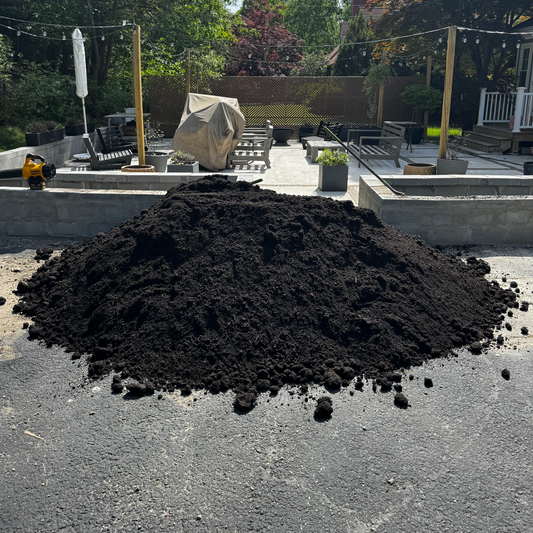
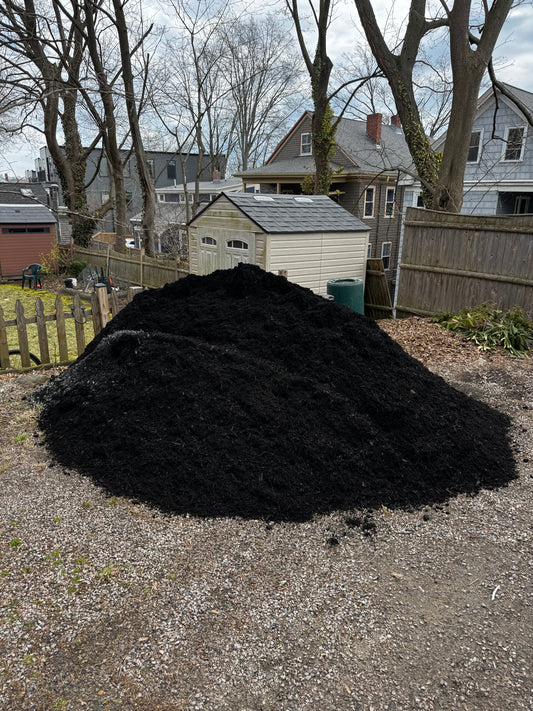
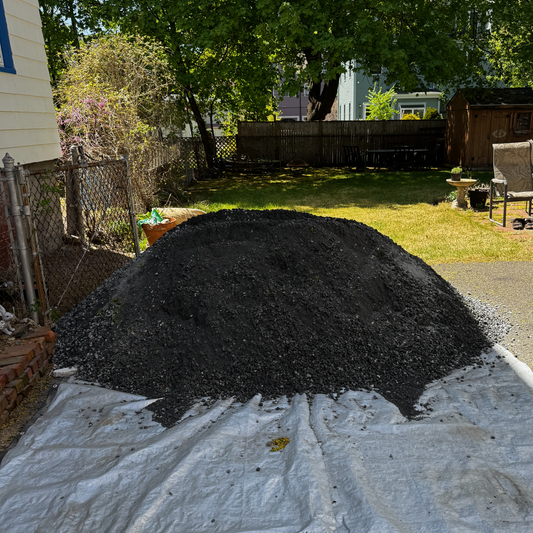
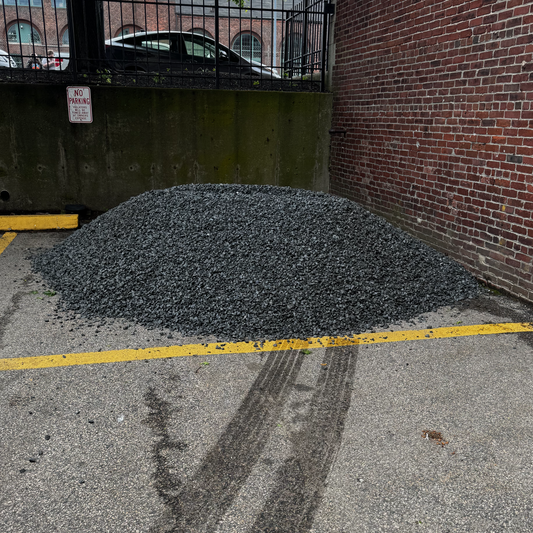
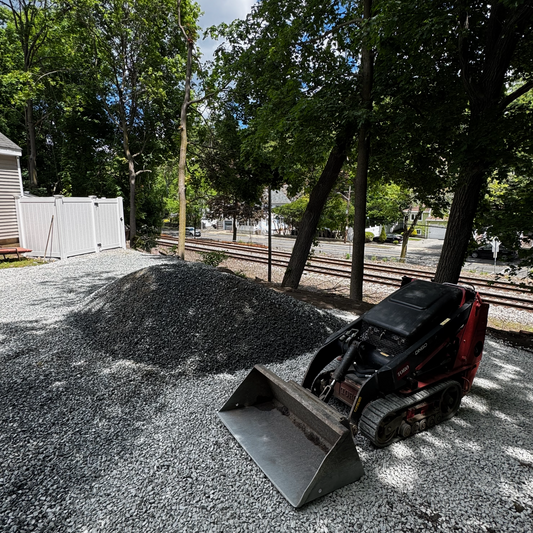
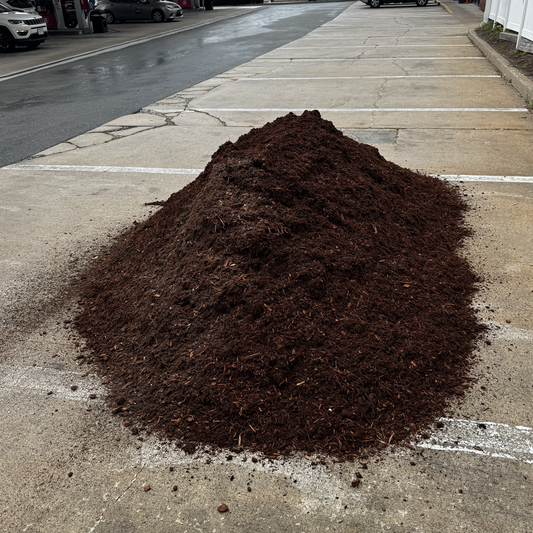
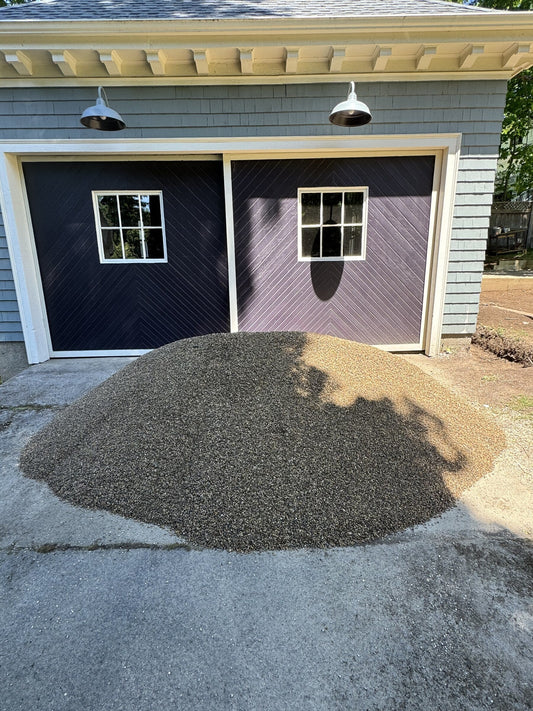
Bulk: - 1 delivery (Ottr 14-yard truck or smaller). - Driveway space needed for a 0.5-yard pile (about 25 sq ft footprint). - Wheelbarrow to bed (5-10 trips for 0.5 cu yd). - Tarp under the pile to protect driveway surface.
Bagged: - 9 bags per 0.5 cu yd at 1.5 cu ft per bag. - Can pick up at any garden center; no delivery needed. - Each bag is 30-50 lb. Total: 270-450 lb of lifting. - Bags stack neatly in a garage.
For an apartment or condo without driveway access, bagged is often the only option. For a single-family home with driveway, bulk is the better answer.
For the broader Suffolk County logistics reference, April Kickoff: Material Demand Curve in Suffolk County covers the spring delivery scheduling.
The Suffolk County Decision Tree
| Project size | Best choice |
|---|---|
| Single 4x4 raised bed | Bagged (8 bags, ~0.4 cu yd) |
| Single 4x8 raised bed | Bulk (0.5 cu yd) |
| Multiple raised beds (2+) | Bulk (1+ cu yd) |
| In-ground bed renovation | Bulk |
| Lawn top-dressing | Bulk |
| Foundation bed top-dress | Bagged or bulk depending on volume |
| Container garden | Bagged |
When Bagged Makes Sense
Five cases where bagged is the right call:
- Volume under 0.5 cubic yards. Bulk delivery fee outweighs the per-unit savings.
- No driveway access. Apartment, condo, or street-only parking.
- Storing for later use. Bags stack in a garage; bulk piles can't.
- Specific organic-certified products not available in bulk.
- Need it today. Most garden centers stock bagged year-round; bulk delivery requires a 5-7 day window.
When Bulk Wins
Five cases where bulk is the right call:
- Volume 0.75+ cubic yards. Cost savings dominate.
- Multiple beds or projects in same week. One delivery, several uses.
- Better source quality. Regional bulk suppliers (like Ottr) often source from leaf-and-yard-waste streams that produce better structure than retail compost.
- Top-dressing a lawn. 1-2 cubic yards needed; bagged is impractical.
- You have the storage. Driveway or side yard with tarp.
For the broader regional bulk reference, the 2026 Hingham pave-vs-gravel walk-through covers the bulk-delivery logistics that port to compost.
The Crossover Point
The break-even between bulk and bagged in Suffolk County sits at 0.5-0.75 cubic yards. Below that, the per-unit savings of bulk don't offset the delivery overhead. Above that, bulk wins on every dimension except convenience.
For most Suffolk County single-family yards in spring, a single bulk compost order covering 0.75-1.5 yards handles raised bed top-up, in-ground bed amendment, and lawn top-dressing for the season.
Application Reference
For Suffolk County in 2025:
- Raised bed initial fill (4x8): 0.5 cu yd compost (mix top half of bed).
- Raised bed annual top-up: 1-2 inches = 0.25-0.5 cu yd per 4x8 bed.
- In-ground bed amendment (100 sq ft): 0.6 cu yd at 2 in worked in.
- Lawn top-dress (1,000 sq ft): 0.77 cu yd at 1/4 in.
- Foundation bed refresh: 0.1-0.3 cu yd depending on bed size.
Browse the raised-garden-bed-materials collection for current bulk pricing on Ottr Compost and the Suffolk County landscape supply route for delivery scheduling.
What to Skip
- Cheap "compost" sold at variety stores or hardware chains under $4 per cubic foot. Quality varies wildly. Often immature.
- "Compost soil" or "garden soil" labeled mixes without compost percentage on the label. Could be mostly fill.
- Manure-only "compost" without aging documentation. Hot manure burns roots.
The Bottom Line
For Suffolk County raised beds:
- 0.5 yards or less: Bagged is fine. Convenience matters more than the per-unit cost.
- 0.75 yards or more: Bulk every time. Cost savings substantial.
- Quality: Comparable between Ottr bulk and major bagged brands at STA standards.
- Plant performance: No meaningful difference at the 50/50 mixed application rate.
For the broader regional reference on compost quality, the US Composting Council is the authoritative source.
The short version: bulk wins on cost above 0.75 yards; bagged wins on convenience below 0.5 yards. Suffolk County yards with single-bed projects are at the crossover. Multi-bed and lawn projects are bulk territory.