Quick Answer
For Essex County vegetable beds — Beverly, Salem, Gloucester, Newburyport, Lynn — drip line outperforms soaker hose on 4 of 6 metrics: water efficiency, longevity, scalability, and clog resistance. Soaker hose wins on simplicity and upfront cost. For a single 4x8 bed, the soaker is the right choice ($25 versus $90). For 3+ beds or any bed running multi-season, drip line wins on long-term cost and yield. The break-even point is about 2.5 seasons or 3 beds simultaneously.
The Test
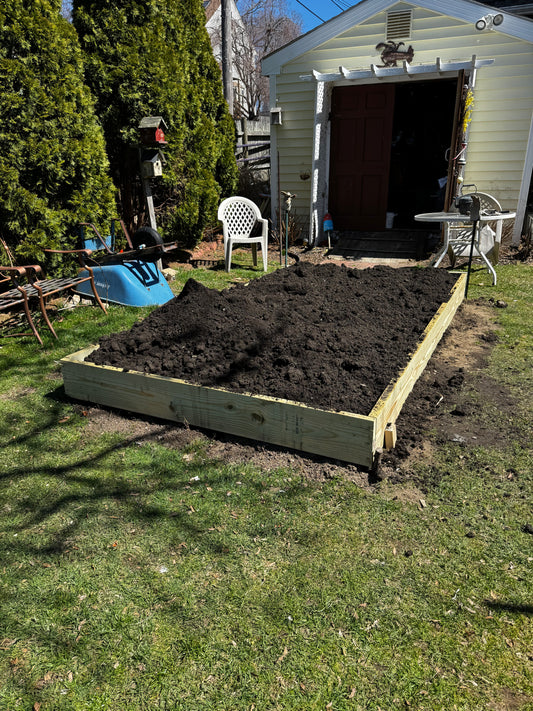
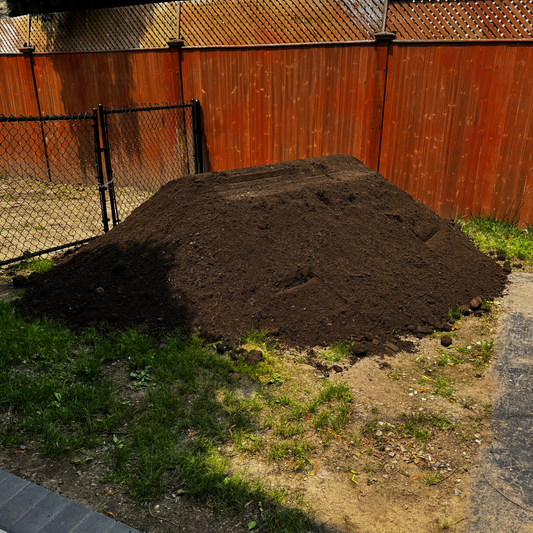
We ran two identical 4x8 raised vegetable beds at an Essex County test site — same Beverly back yard, same soil mix (Ottr 50/50 Garden Soil + Compost), same Memorial Day plant install, same sun exposure. One bed got a 25-foot soaker hose looped through. The other got a 1/2" drip line with 0.5 gph emitters at 12-inch spacing. Both beds ran on identical timer-controlled schedules from a single hose-bib source.
Tracking ran from May 24 through October 1.
Metric 1: Water Efficiency
Winner: Drip line (decisively).
Drip line emitters deliver water to the root zone with 90 to 95% efficiency. Soaker hose delivers 70 to 80% efficiency — much of the water saturates between plants and evaporates from the surface.
Total seasonal water use: - Drip bed: 280 gallons - Soaker bed: 360 gallons
Drip wins by 22%. The USEPA WaterSense program documents these efficiency differences in detail.
Metric 2: Longevity
Winner: Drip line.
Drip lines last 5 to 8 seasons with proper end-of-year care. Soaker hoses degrade in 2 to 3 seasons — the rubber wall thins, pinhole leaks develop, and pressure consistency drops. Replacement costs over 6 seasons:
- Drip: $90 once
- Soaker: $25 every 2 to 3 years = $50 to $75 over 6 seasons
Metric 3: Scalability
Winner: Drip line.
A drip system scales cleanly across multiple beds with a single timer and pressure regulator. Add a new bed by extending tubing and adding emitters. Soaker hose connects bed-to-bed but pressure drops at each junction — by bed 4 or 5, the last bed barely drips.
The Cambridge raised-bed math Q&A covers the soil-volume thinking that often drives multi-bed installs.
Metric 4: Clog Resistance
Winner: Drip line (with filter).
Drip lines with a filter at the source clog less than soaker hose, which collects sediment along its entire length. After three seasons, untreated soaker hose can lose 30 to 40% of flow capacity. Drip lines with filtered water lose less than 10% in the same period.
Metric 5: Simplicity
Winner: Soaker hose.
A soaker hose is plug-and-play. Connect to a hose bib, snake through the bed, set a timer, walk away. Drip line requires: - Pressure regulator - Filter - Header tubing - Emitter line tubing - Emitters - End caps - Connection fittings
For a single bed where the homeowner has limited time or hardware comfort, soaker wins.
Metric 6: Upfront Cost
Winner: Soaker hose.
- Soaker hose for one 4x8 bed: $25 hose + $15 timer = $40
- Drip line for one 4x8 bed: $20 pressure regulator + $15 filter + $25 header tubing + $15 emitter line + $15 emitters + $5 end caps = $95 plus timer
Browse the raised garden bed materials collection for soil products that pair with either irrigation choice.
Pros and Cons Summary
Drip line pros: - 22% less water use - 5-8 season lifespan - Scales across multiple beds - Uniform delivery - Filter prevents clogging
Drip line cons: - Higher upfront cost - More hardware to assemble - Steeper learning curve
Soaker hose pros: - $40 turnkey - 5-minute install - Works for one bed
Soaker hose cons: - Higher water use - 2-3 season lifespan - Pressure drops over distance - Surface evaporation
When to Pick Each
- Single 4x8 bed, first-year garden, time-limited homeowner: Soaker hose.
- 2 to 4 beds in same property, multi-season commitment: Drip line.
- Drought-restricted town: Drip line (water savings matter more in restrictions).
- Permanent raised-bed garden built into the landscape: Drip line.
The Worcester County summer watering Q&A covers the broader irrigation-schedule thinking that frames the soaker-vs-drip choice.
Materials Cheat Sheet
Soaker hose setup (one 4x8 bed): - 25 ft soaker hose - Hose-end timer - Y-connector (if sharing the bib)
Drip line setup (one 4x8 bed): - Pressure regulator (25 PSI) - Y-connector with filter - 25 ft of 1/2" header tubing - 16 ft of 1/4" emitter line - 16 emitters at 0.5 gph - End caps + barbed fittings - Hose-end timer
The Norwell garden install contractor article covers the contractor-side install math that includes drip integration as a standard add-on.
End-of-Season Care
Both systems need attention before frost: - Drain by gravity — disconnect from bib, lift uphill end - Store under cover — UV degrades both materials - Inspect emitters / soaker walls — note clogs or leaks for spring replacement
How This Compares to 2026
The 2026 season-close, May 1: Closing Out Spring Mulch Season Across Plymouth County, names irrigation prep as a transition-week priority — May 30 is the right window to install whichever system you choose before June heat.
For irrigation efficiency standards, USEPA WaterSense is the federal authority.