Why does the window matter more in July than in May?
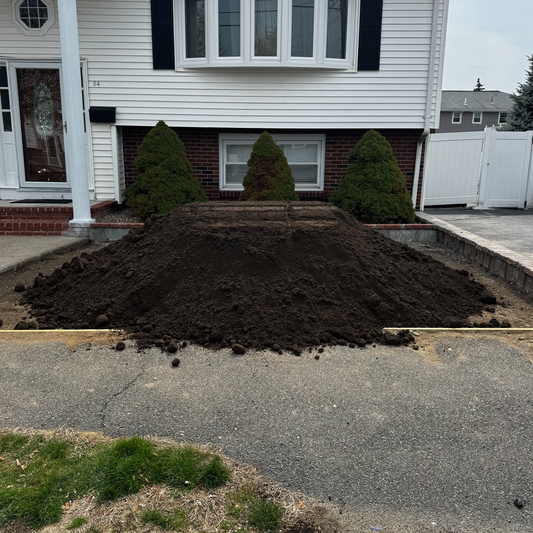
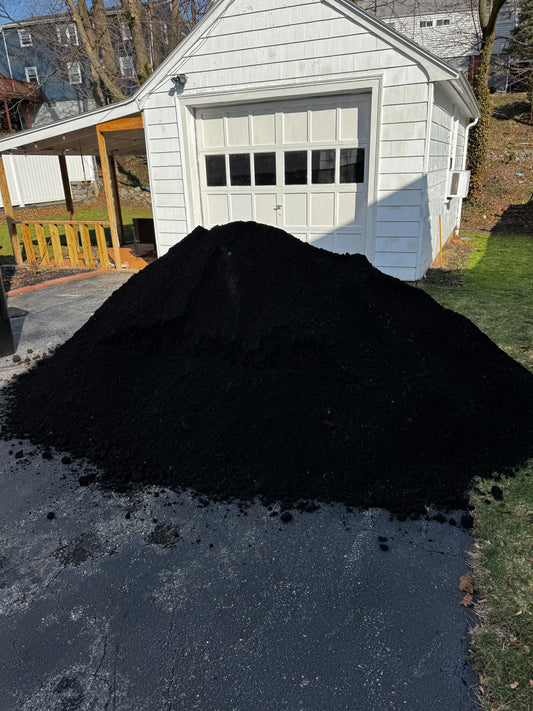
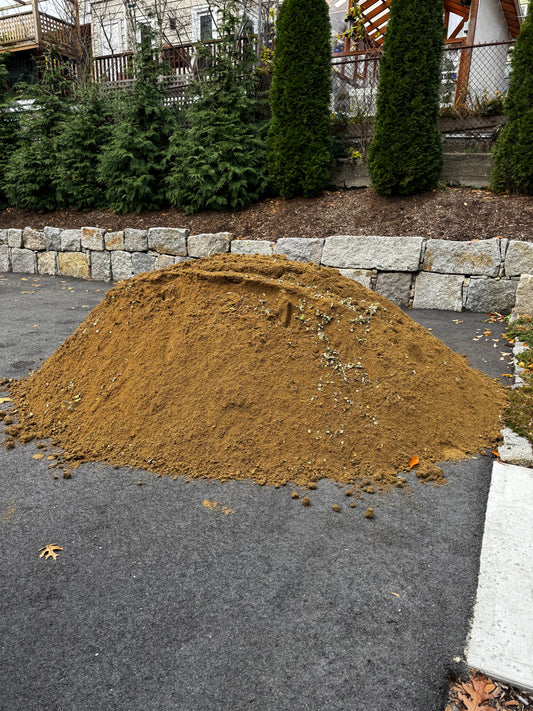
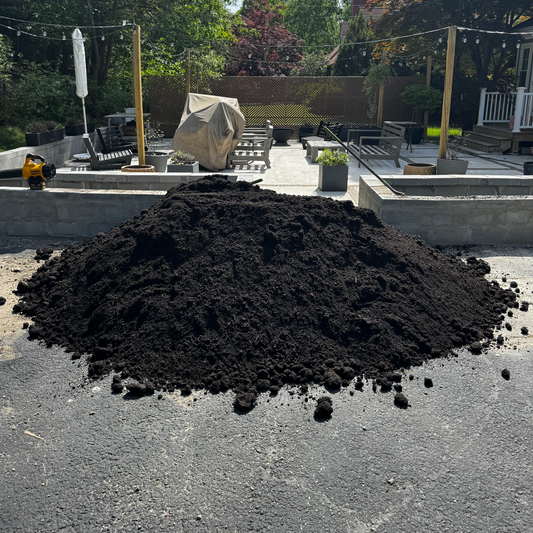
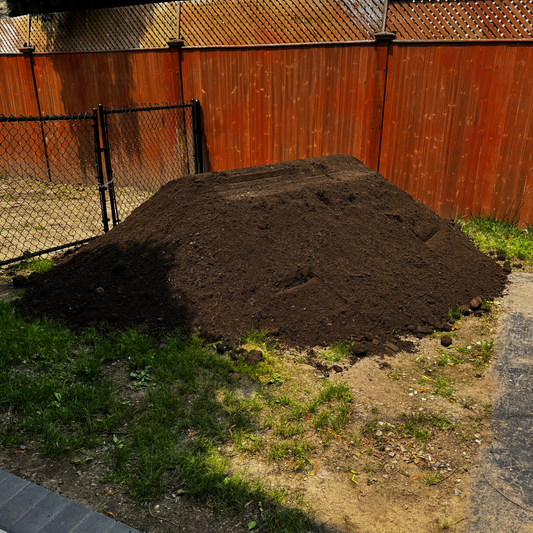
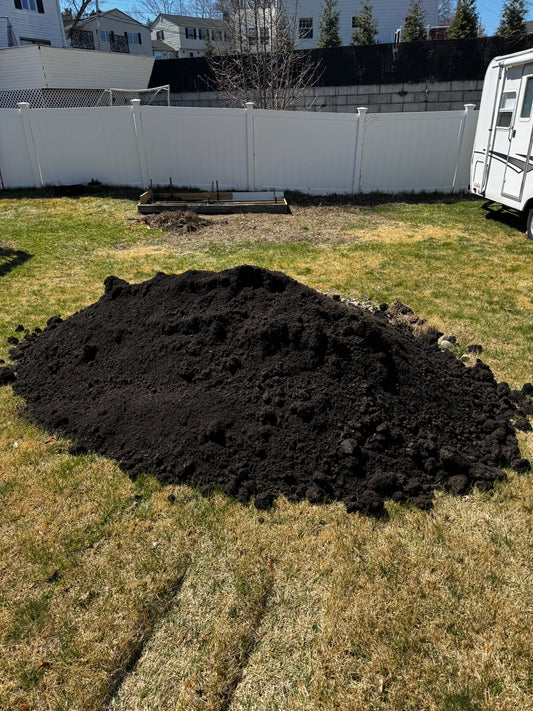
Two reasons, and only one is about your crew. The first is the material: screened loam and compost arrive with field moisture, and that moisture is what makes them spread, grade and rake cleanly. A soil pile sitting in open sun all day loses it from the outer six inches, and a dusty pile grades harder. The second is labour: your productive hours in a heat stretch run roughly 6 a.m. to noon. Check the forecast and any heat advisory with NWS Boston the evening before, not the morning of.
Which materials can sit out all day, and which cannot?
| Material | Can it sit? | Why |
|---|---|---|
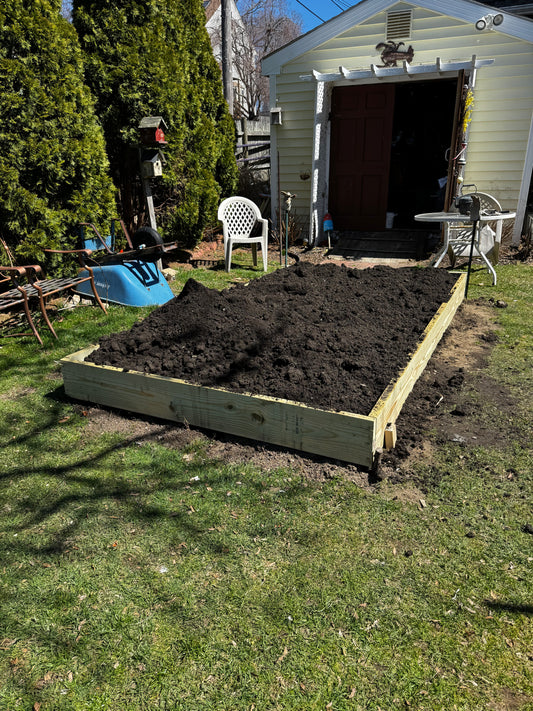
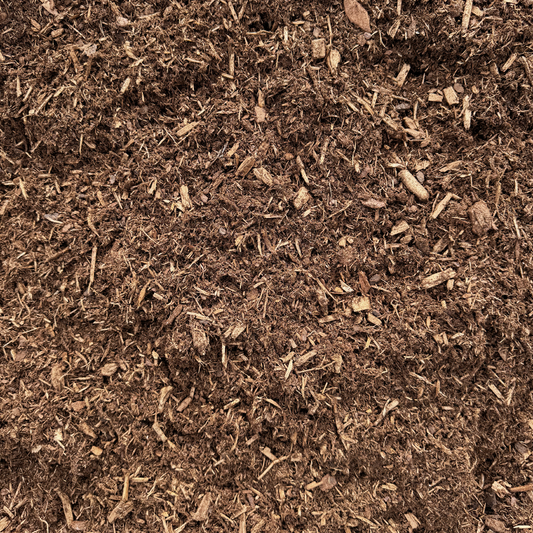
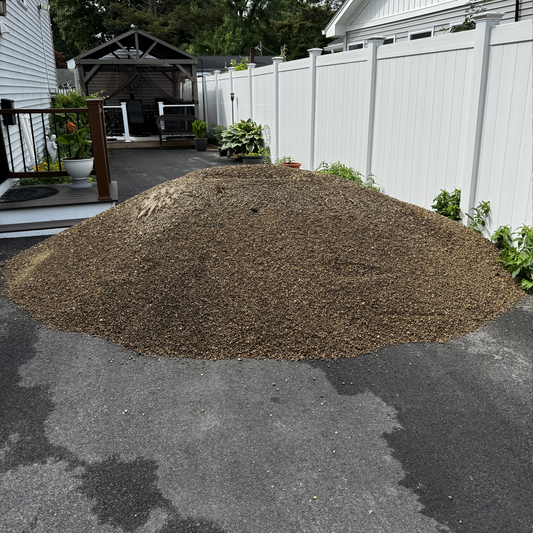
| Loam, Super Loam, Topsoil | No — place same day | Loses field moisture, goes dusty, grading gets harder |
| Compost | No — same day, tarped | Dries out, harder to incorporate |
| Soil under new seed | No — same day, then water | Seed in a dry July seedbed is money thrown away |
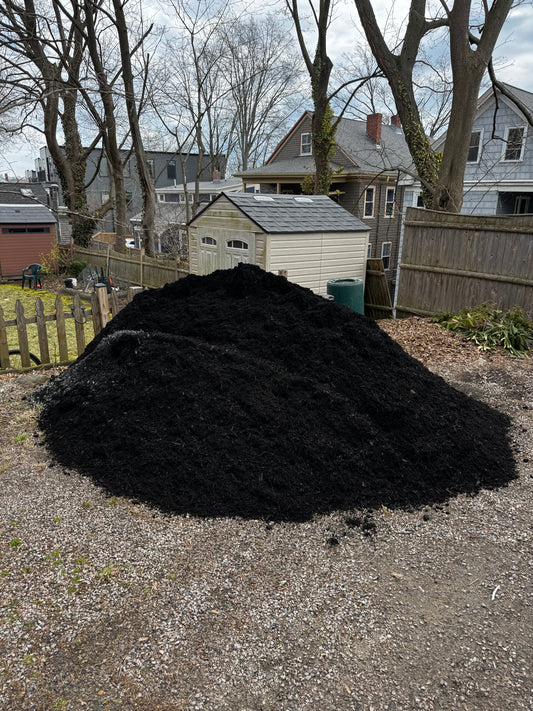
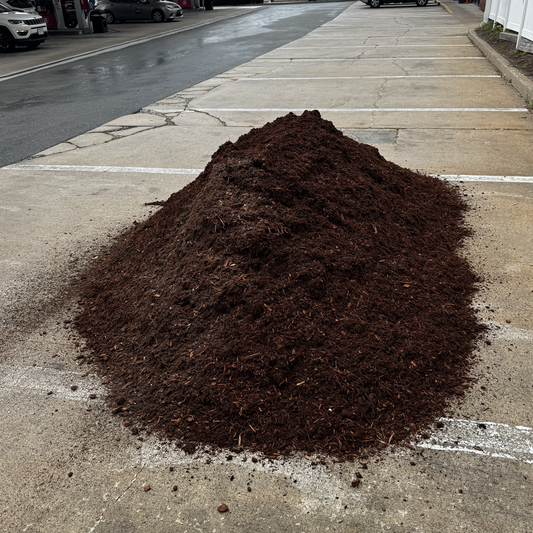
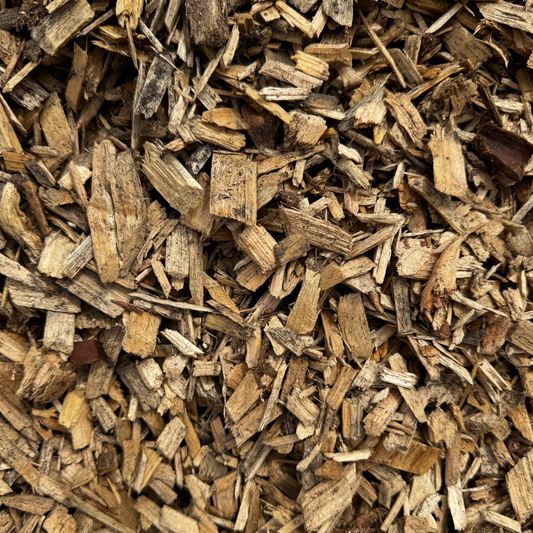
| Mulch | Yes — days are fine | Nothing degrades on a hot afternoon |
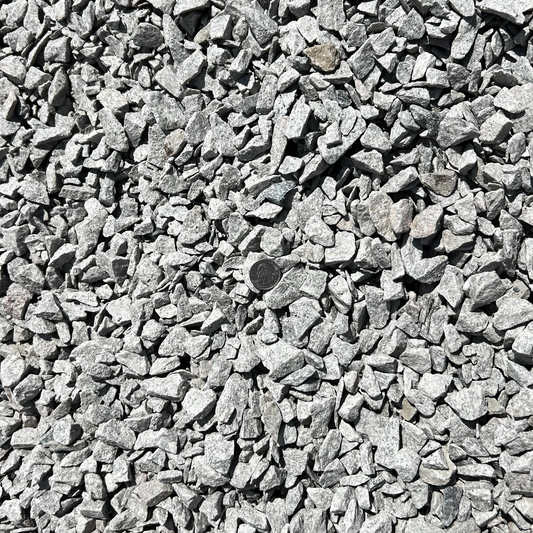
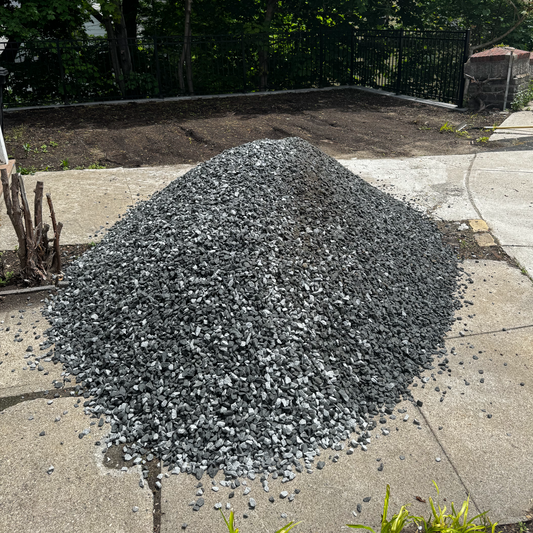
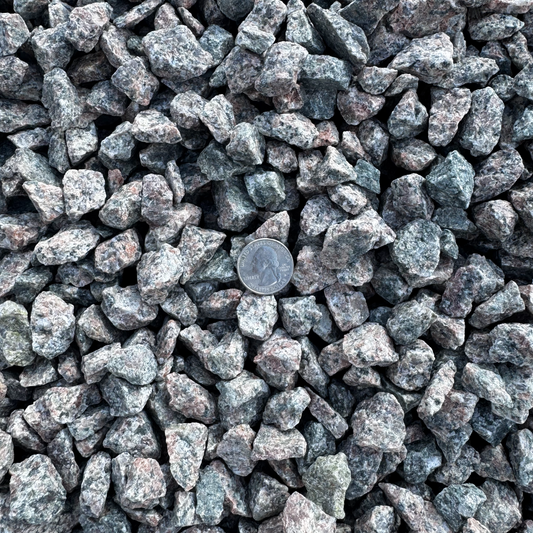
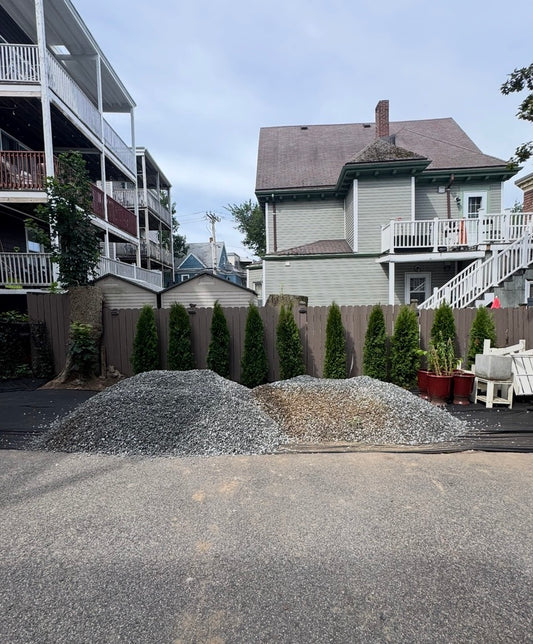
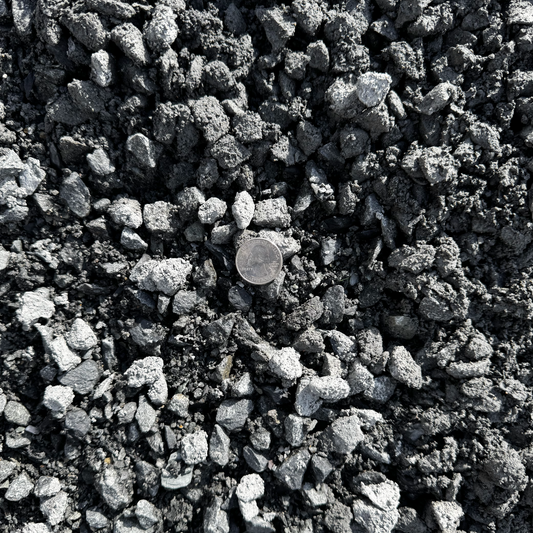
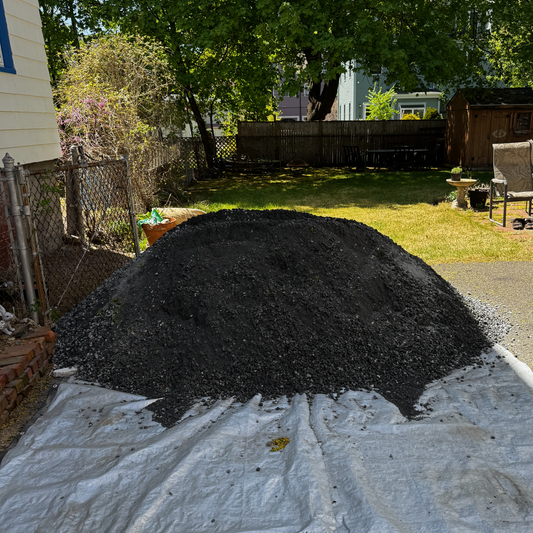
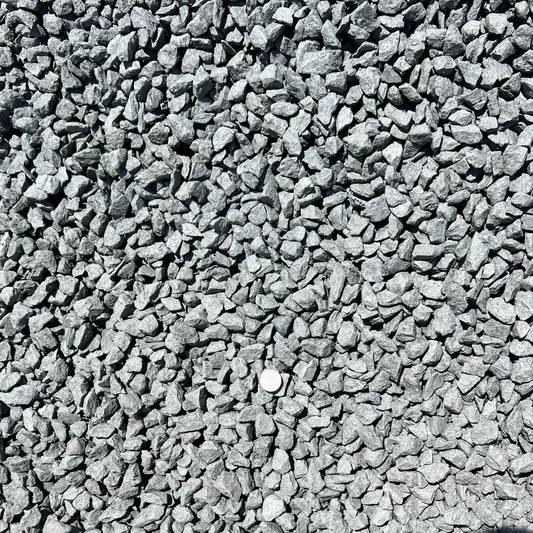
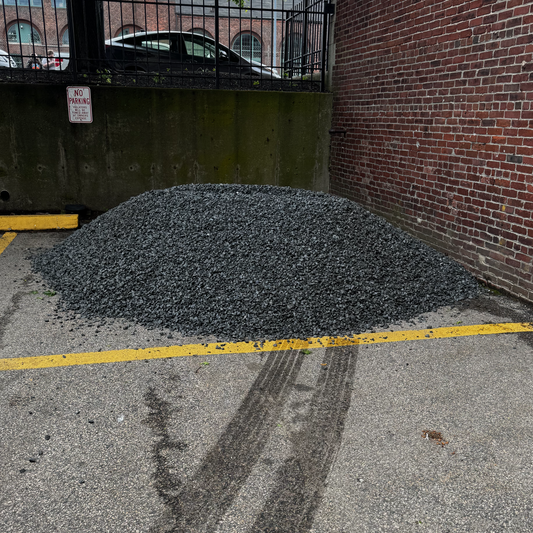
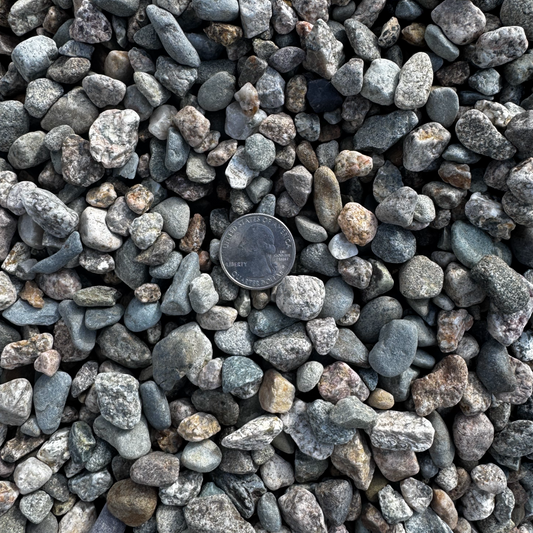
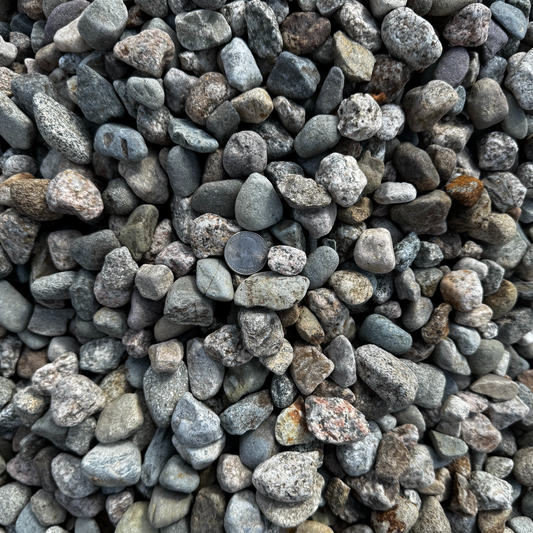
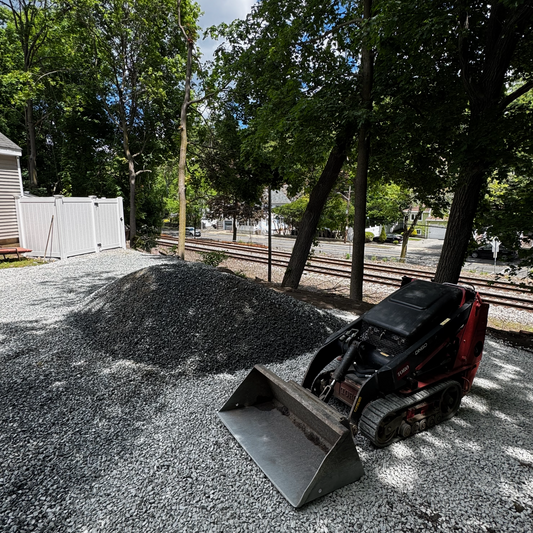
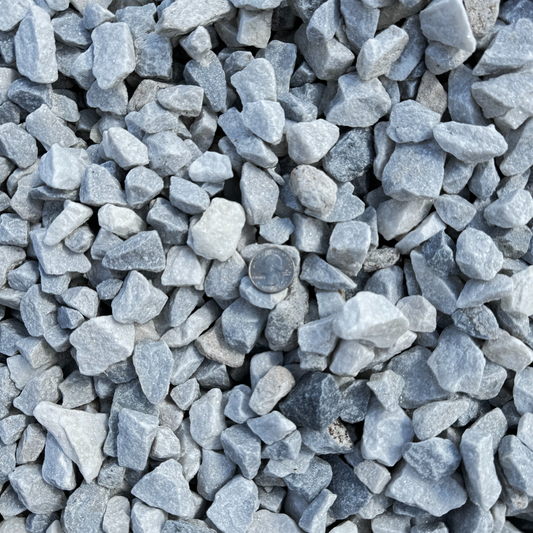
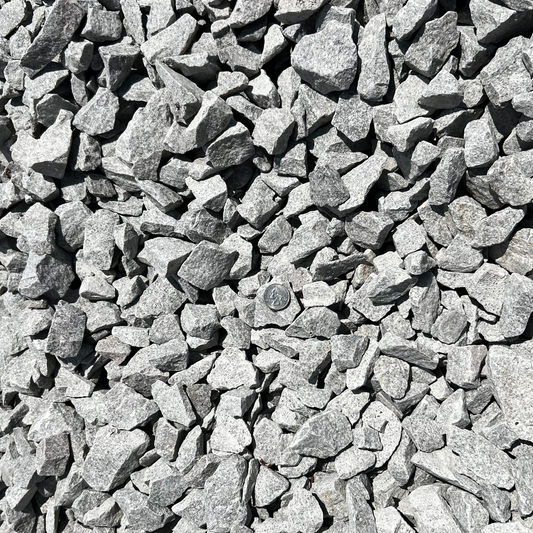
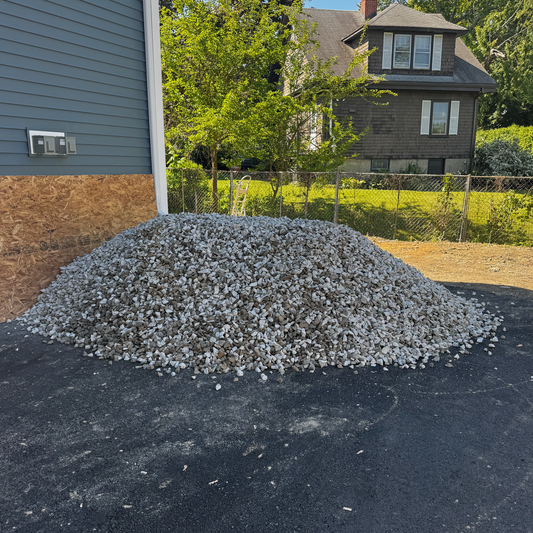
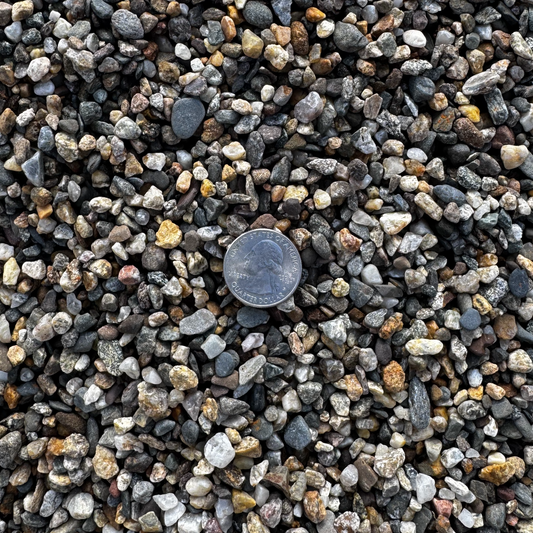
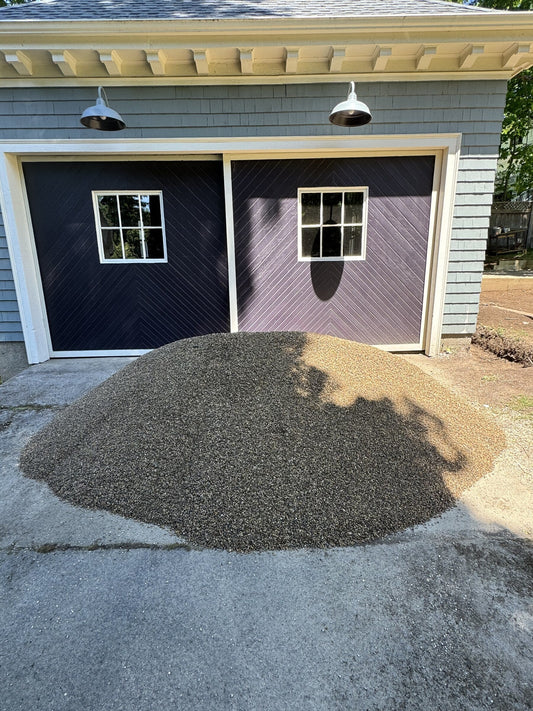
| Stone, dense pack, stone dust | Yes — indefinitely | But mist before compaction; dry fines will not lock |
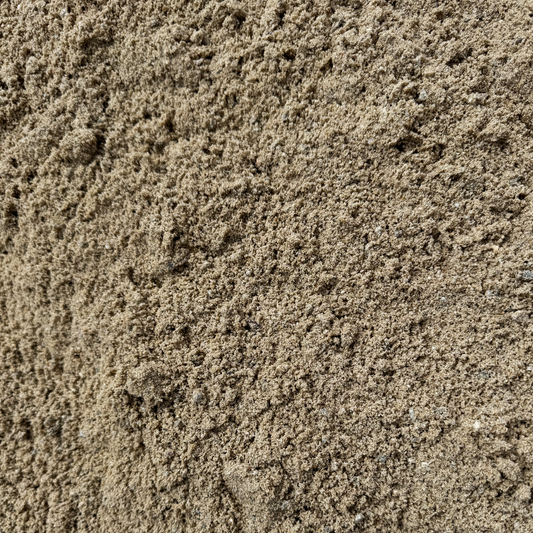
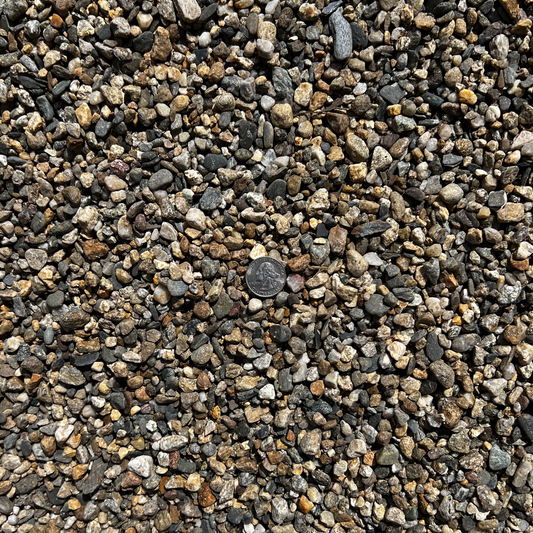
| Sand | Yes — tarp it | Dry sand blows off the pile and the barrow |
How should a Norfolk County route be sequenced?
The county stretches a long way — Quincy, Milton, Braintree and Randolph close in; Dedham, Needham and Norwood in the middle; Franklin, Bellingham and Wrentham out at the far southwestern edge. Build the schedule around that spread, not around job sizes, and put the far southwest jobs in the first window: longest run, and the ones where an afternoon slot means soil baking before anyone touches it. Expect the I-93 approach into Boston and the 128/I-95 interchange to eat an hour of a morning — MassDOT posts live conditions. Book weekend slots early, because they fill first all season.
What does the freight actually cost a crew?
The fee is $100 plus $4 for every driving mile beyond 30 from our Dispatch Office in Dorchester, charged per load — per dump-truck trip, not per order. Most of Norfolk County falls inside the 30-mile ring at $100 flat; the far southwestern corner is the part to verify rather than assume, and the ZIP checker returns the exact number in seconds.
What decides your margin is the load cap. Mulch runs 10 yards per trip; stone, gravel, sand and soil run 6. Loads count per line item, so 6 yards of Loam (Screened) plus 6 of Compost is two loads and two fees, and a 12-yard loam order is also two. Order to the cap — an 11-yard mulch order is two trips where 10 is one — and where the spec allows one material instead of two, a single line item saves a whole fee. Work from soil and loam and mulch directly.
Common questions
Can I split one delivery between two job sites?
No. One load goes to one address, so two sites means two loads and two fees. Check whether one site can hold the material and your own truck can shuttle the rest.
Does dry stone still compact properly?
Not as well. Dense pack and stone dust rely on fines locking together, and dry fines will not. Mist each lift before running the plate compactor.
Is soil priced differently in July?
No. Loam is $55 a yard, Super Loam $65, Compost $50, year-round. What changes in summer is the availability of the window you want.
Set up a crew order from the full material catalog, or text your job list and ZIPs to (617) 286-2740 and we will confirm loads, caps and freight before you bid. Quoting small residential bed work too? The one-yard front bed refresh shows what those jobs consume.